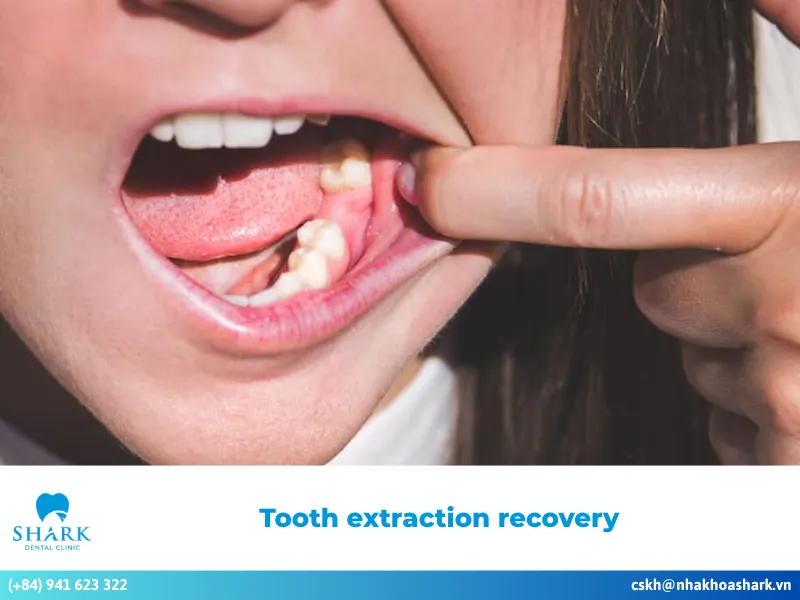

Swelling after tooth extraction is a common condition that causes concern for many people following a dental procedure, especially after wisdom tooth removal. So, what causes the swelling, and how can it be reduced quickly and effectively? All of these questions will be answered in the article shared below by Shark Dental Clinic!
What causes swelling after tooth extraction
Swelling after tooth extraction is a natural physiological response of the body to the minor surgical procedure that affects the gum tissue and jawbone. Several factors can contribute to post-extraction swelling and discomfort:
- Normal inflammatory response: When a tooth is removed from its socket, the surrounding gum and bone tissues trigger the body’s natural inflammatory process to protect the area and promote healing.
- Complex dental procedures: For impacted or misaligned wisdom teeth, the dentist may need to make an incision in the gum before removing the tooth. This can result in noticeable cheek swelling after the procedure.
- Infection at the extraction site: If proper sterilization is not maintained, or if post-operative oral hygiene is inadequate, bacteria and trapped food debris can cause an infection, leading to prolonged swelling and pain.
- Improper aftercare: Activities such as rinsing too vigorously, smoking, or consuming alcohol shortly after extraction can disturb the blood clot, delay healing, and exacerbate swelling.
- Extraction technique: Inaccurate manipulation or incomplete cleaning of the socket may cause additional soft tissue trauma, resulting in extended inflammation or even a bump on the gum after tooth extraction.
- Age and overall health: Individuals with weakened immune systems, underlying medical conditions, or older adults may experience slower healing and more pronounced swelling compared to younger, healthier patients.

Is swelling after tooth extraction normal or a sign of a problem?
In most cases, swelling after tooth extraction is completely normal. It typically appears within the first 24 hours and may slightly increase on days 2–3 before gradually subsiding. This is part of the body’s natural healing process.
However, if the cheek becomes excessively swollen and is accompanied by fever, severe pain, pus discharge, or an unpleasant odor, this may be a sign of infection or dry socket. In such cases, you should seek dental care promptly for timely evaluation and treatment.
How long does swelling last after tooth extraction?
After a tooth extraction, many people are concerned about how long the swelling will last. In cases of simple extraction, the cheek typically swells moderately during the first few days, with significant reduction occurring after about two to three days.
However, the recovery time can vary based on individual circumstances, the complexity of the extraction, and any pre-existing infections. Besides swelling, you may also notice that the gum appears darker than usual, feel tightness at the extraction site, or experience mild swelling of the lymph nodes under the jaw. These reactions are common as your body heals.
If the swelling does not decrease after two to three days, spreads further, or becomes increasingly painful, it is important to visit your dentist promptly to rule out an infection and receive appropriate treatment.
>>>See more: How long does tooth extraction take to heal?

Swelling after wisdom tooth extraction vs simple extraction
Swelling is a natural response after any dental procedure. However, swelling after wisdom tooth extraction is typically more significant than after a simple extraction. Comparison overview:
| COMPARISON CRITERIA | WISDOM TOOTH EXTRACTION | SIMPLE EXTRACTION |
| Level of swelling | More severe swelling, visibly affecting the cheek, jaw angle, and sometimes extending to the neck. | Mild swelling localized around the gum area; rarely visible externally. |
| Duration | 2 – 7 days | 1 – 2 days |
| Degree of surgical intervention | Often a complex minor surgery. The dentist may need to incise the gum, remove bone, and section the tooth—especially for impacted or misaligned teeth. | A straightforward procedure using dental instruments to loosen and remove the tooth from its socket. |
| Soft tissue trauma | More invasive, affecting a larger area of soft tissue and blood vessels. | Minimally invasive with limited tissue trauma. |
| Accompanying symptoms | Swelling often accompanied by tightness, difficulty opening the mouth, and more intense pain. | Mild discomfort and slight sensitivity, with minimal impact on jaw movement. |
How to reduce swelling after wisdom teeth removal
Here are some safe and effective methods to help reduce swelling after tooth extraction, particularly following wisdom tooth removal:
Elevate your head
During the initial days after the extraction, when resting or sleeping, use an extra pillow to keep your head elevated above heart level. This position helps limit blood flow to your facial area, reducing swelling, pressure, and discomfort in your cheeks.
Take pain relievers
Your dentist will typically prescribe pain relievers or anti-inflammatory medications to manage swelling and discomfort after the procedure. Follow the prescribed dosage and timing exactly; avoid increasing the dose or combining medications without professional advice to prevent unwanted side effects.
In cases of severe infection, your doctor will determine how many days of antibiotics before tooth extraction? are needed to reduce initial swelling.
Use a warm compress
After the first 48 hours, you may switch to applying a warm compress on the outside of your cheek. Gentle warmth helps stimulate blood circulation, encourages the reabsorption of inflammatory fluids, and soothes the swollen area. Apply the compress for about 10 to 15 minutes at a time, several times a day.

Use an ice pack
During the first 24 to 48 hours, cold compresses are the most effective way to minimize swelling after tooth extraction. Wrap an ice pack in a clean towel and apply it to the cheek corresponding to the extraction site. Use 10 to 15-minute intervals with breaks in between to prevent skin irritation. Proper application of cold constricts blood vessels, significantly reducing swelling and pain.
Activities and habits that can worsen swelling after extraction
After a tooth extraction, certain daily habits can lead to increased or prolonged swelling. It’s essential to avoid the following:
- Engaging in intense physical activity too soon: Activities like running, heavy workouts at the gym, or playing sports during the first few days can raise your blood pressure, which may increase swelling and heighten the risk of bleeding.
- Forceful rinsing or spitting: Creating pressure in your mouth can dislodge the blood clot, resulting in inflammation and extended swelling.
- Eating hot, spicy, or hard foods: Foods that are too hot, spicy, or chewy can irritate the wound and exacerbate gum inflammation.
- Smoking or drinking alcohol: When patients ask, “Can I drink alcohol after tooth extraction?”, the medical consensus strongly advises against it. Both smoking and alcohol can delay healing, increase the risk of infection, and contribute to persistent swelling.
- Touching the extraction site with your fingers or tongue: This may irritate the wound and introduce bacteria, prolonging inflammation and discomfort.

When swelling after tooth extraction requires dental attention
Mild swelling in the days following your tooth extraction is normal. However, you should seek dental attention immediately if you experience:
- Swelling that does not improve after 5–7 days or continues to spread
- Increasing pain despite taking prescribed medication
- Fever, fatigue, or swollen lymph nodes under the jaw
- Discharge of fluid or pus, or a persistent bad odor from the extraction site
- Difficulty opening your mouth, painful swallowing, or unusually firm swelling in the cheek
Early examination by a dentist is crucial to determining whether you have a dry socket or an infection, allowing for timely treatment before complications worsen.
Supporting healing and preventing prolonged swelling
To promote faster healing and minimize prolonged swelling after a tooth extraction, follow these essential care guidelines:
- Maintain proper oral hygiene: For the first 24 hours, avoid brushing or rinsing vigorously near the extraction site. Starting from the second day, gently rinse with warm salt water and use a soft-bristled toothbrush to clean your teeth.
- Follow a suitable diet: Stick to soft, cool foods like porridge or soup. Avoid using straws, and stay clear of hard, chewy, spicy, or acidic foods.
- Get adequate rest: Take it easy for the first 1–2 days. Avoid heavy lifting, intense activities, or bending over, as these can raise blood pressure and trigger bleeding.
- Avoid harmful habits: Completely refrain from smoking and consuming alcohol. These substances can restrict blood flow to the wound, hinder healing, and elevate the risk of infection.

Based on the information provided by Shark Dental Clinic, it is evident that swelling after tooth extraction is common and typically diminishes with proper care. If you have any concerns or wish to have a safe extraction procedure with minimal post-operative swelling, contact Shark Dental Clinic at (+84) 941 623 322 for consultation and quick appointment scheduling!