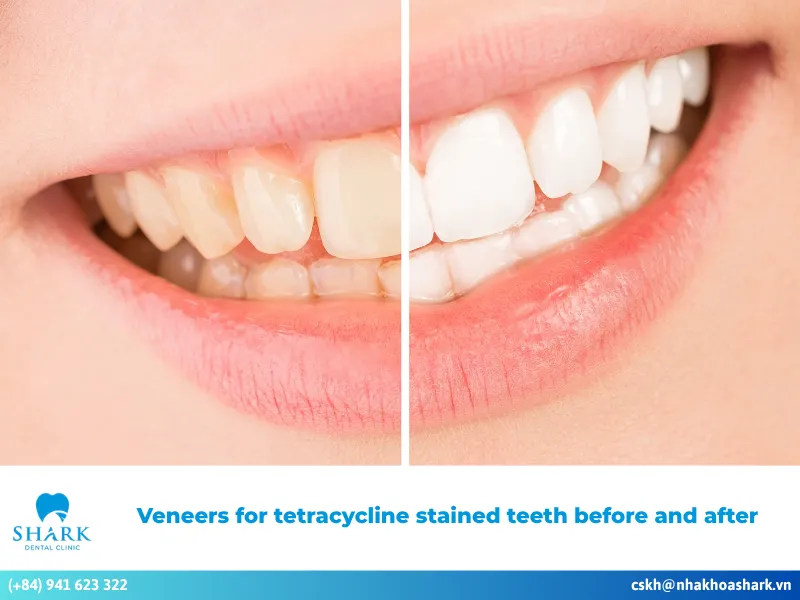


When a tooth becomes painful, decayed, or damaged, should you opt for a tooth filling vs root canal treatment necessary? Understanding the difference between fillings and root canals helps you choose the right treatment. Explore the detailed information shared in the article below by Shark Dental Clinic to better understand each method!
What is a dental filling?
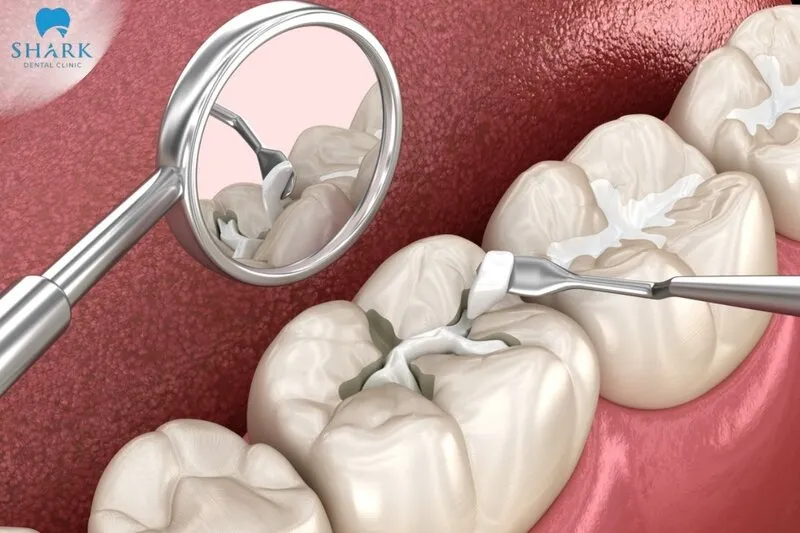
When comparing tooth filling vs root canal, many patients first need to understand what a dental filling is and when it is indicated. A dental fillings in Vietnam is a common dental procedure that uses specialized materials to restore areas of the tooth that have been damaged due to decay, cracks, chips, or loss of tooth structure. This method helps restore the original shape of the tooth, improve chewing function, reduce sensitivity, and protect the dental pulp from the risk of infection.
Dental fillings are considered a simple, widely used technique in modern dentistry and are typically recommended for cases where tooth damage is at a mild to moderate level. By sealing the affected area, the filling helps prevent further progression of decay while maintaining the natural structure of the tooth.
Advantages a dental filling
Dental fillings are widely chosen by patients because they offer several notable benefits in restoring damaged teeth, especially when compared in the context of tooth filling vs root canal treatment:
- Quick procedure: The process is relatively fast, usually taking about 15–30 minutes per session, depending on the condition of the tooth, with minimal disruption to daily activities.
- Cost-effective solution: Compared to more complex restorative treatments such as dental crowns or root canal therapy, fillings are more affordable and suitable for a wide range of patients.
- Restores chewing function: The filling material helps restore the missing portion of the tooth, allowing for stable chewing and reducing sensitivity when consuming hot or cold foods.
- Aesthetic appearance: Modern filling materials are designed to closely match the natural color of teeth, making the restoration less noticeable and maintaining a natural-looking smile.
- Prevents progression of decay: By sealing cavities, fillings help prevent bacteria from penetrating deeper into the tooth, thereby reducing the risk of pulp infection or more severe damage.
Disadvantages of dental fills
Despite its advantages, dental filling also has certain limitations that should be considered when evaluating tooth filling vs root canal treatment options:
- Limited durability: Fillings may wear down, crack, or become dislodged over time, especially under strong chewing forces or if oral care is not properly maintained.
- Not suitable for severe damage: In cases of extensive decay, pulp infection, or significant loss of tooth structure, fillings may not provide long-term effectiveness or adequate protection.
- May require replacement: Depending on the material used and the location of the filling, patients may need to have the filling repaired or replaced after a period of use to maintain its integrity and effectiveness.

Symptoms that indicate a dental filling
If you notice the following signs, it is advisable to visit a dental clinic as soon as possible, as these may indicate conditions that require a dental filling to prevent further progression:
- Visible cavities or holes: The appearance of dark spots, small holes, or surface irregularities on the tooth is a common and early sign of tooth decay that should be treated promptly.
- Tooth sensitivity when eating or drinking: Increased sensitivity to hot, cold, sweet, or acidic foods may indicate that the enamel has been weakened or damaged, requiring restoration to protect the inner tooth structure.
- Chipped, cracked, or slightly broken teeth: Minor cracks or fractures in the tooth can create openings for bacteria to enter. Early treatment with a filling helps seal these areas and prevents further deterioration.
- Food frequently getting stuck between teeth: Gaps or damaged areas in the tooth structure can trap food particles more easily, increasing the risk of plaque buildup, gum irritation, and tooth decay over time.
- Unusual tooth discoloration: The presence of brown spots, dark patches, or dull areas on the tooth surface may be an early indication of decay developing beneath the enamel, requiring timely intervention.
Cost of fillings
When comparing tooth filling vs root canal, cost is an important factor that many patients consider before deciding on treatment. In general, dental fillings cost in Vietnam are relatively affordable, with prices typically ranging from approximately $10 to $31 per tooth. The exact cost depends on the type of filling material used, the severity of the tooth damage, and the dental clinic where the procedure is performed. Reference pricing includes:
To determine the most accurate cost, patients are advised to visit a reputable dental clinic for a direct examination. Through a thorough assessment, the dentist will recommend the most appropriate treatment plan and provide a cost estimate tailored to the individual condition.
What is a root canal treatment?
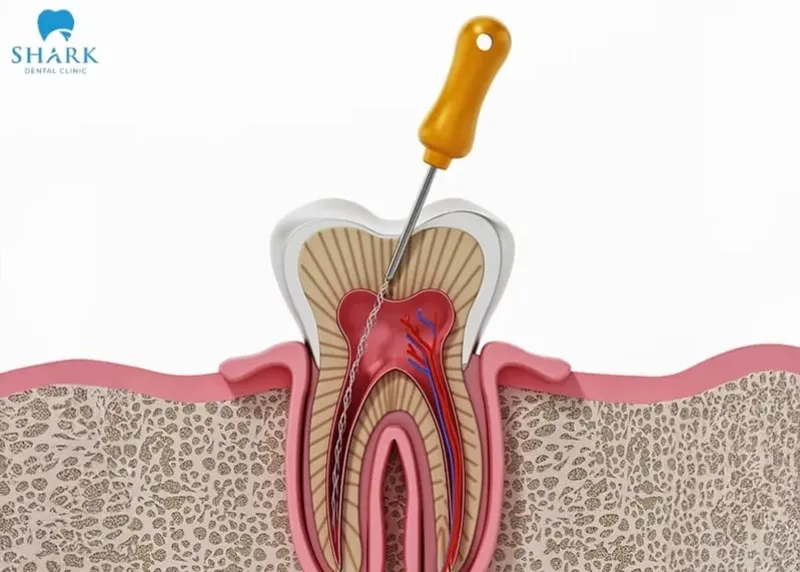
When comparing tooth filling vs root canal, it is important to clearly understand what a root canal treatment involves. Root canal treatment is a dental procedure applied when the pulp inside the tooth becomes inflamed, infected, or severely damaged due to long-standing tooth decay, trauma, or bacterial invasion.
During the procedure, the dentist removes the damaged or infected pulp tissue, thoroughly cleans and disinfects the root canal system, and then seals it to protect the remaining tooth structure. This process helps preserve the natural tooth, maintain its function, and avoid the need for extraction.
Advantage of root canal treatment
Root canal treatment is considered an essential solution when the tooth pulp has been deeply infected, offering several important benefits, especially when evaluated in the context of tooth filling vs root canal:
- Preserves the natural tooth: The procedure removes only the infected pulp while retaining the natural tooth root and structure, helping patients avoid tooth extraction and the need for prosthetic replacement.
- Prevents the spread of infection: By eliminating bacteria within the root canal system, the treatment helps stop the infection from spreading to surrounding tissues, including adjacent teeth and jawbone structures.
- Maintains chewing function: After proper restoration, such as placing a crown, the treated tooth can continue to function normally, allowing patients to chew comfortably and effectively.
- Reduces risk of future complications: Timely root canal treatment helps prevent serious complications such as dental abscesses, jawbone infection, or eventual tooth loss if the condition is left untreated.
Disadvantages root canal treatment
Despite its advantages, root canal treatment also has certain limitations that should be considered when comparing tooth filling vs root canal options:
- Longer treatment time: Unlike dental fillings, root canal treatment often requires multiple appointments to fully clean, disinfect, and seal the root canal system, making the process more time-consuming.
- Higher cost: Due to the complexity of the procedure and the level of technical skill required, root canal treatment typically costs more than a standard dental filling.
- The tooth may become more fragile: After the pulp is removed, the tooth no longer receives internal nourishment, which can make it more brittle over time. As a result, a dental crown is often recommended to protect and reinforce the tooth structure.

Signs you may need a root canal
Recognizing early symptoms can help ensure timely treatment, reduce prolonged pain, and minimize the risk of tooth loss. Common signs that indicate the need for root canal treatment include:
- Severe, persistent tooth pain: Intense, throbbing pain that may radiate toward the temple or surrounding areas, often occurring spontaneously, especially at night, even without chewing.
- Prolonged tooth sensitivity: Extreme sensitivity to hot or cold foods and drinks, with pain that lingers long after the stimulus has been removed.
- Swollen gums or pus formation: The presence of swelling, gum inflammation, or pus-filled abscess near the tooth root indicates that the infection may have spread deeper into the jawbone.
- Tooth discoloration: The tooth may turn gray, dark, or significantly darker than surrounding teeth due to internal pulp damage or necrosis.
- Loose tooth: Severe pulp infection can affect the supporting structures of the tooth, leading to looseness and instability.
Cost of root canals
Root canal treatment costs typically ranges from approximately $52 to $160 per tooth. However, this price may vary depending on several factors such as the type of tooth, its position, the complexity of the case, the technique used, and the dental clinic providing the service.
Reference pricing includes
Comparing dental fillings vs root canal treatment
Dental fillings and root canal treatment are both common restorative dental procedures, but they are indicated for different conditions. Understanding the differences between these two methods will help patients make the most appropriate treatment decision when considering tooth filling vs root canal:
| Comparision criteria | Dental filling | Root canal treatment |
| Purpose of treatment | Restores tooth shape, prevents further decay, and protects the natural tooth structure. | Removes infected pulp, eliminates pain, and preserves the natural tooth instead of extraction. |
| Suitable cases | Mild tooth decay, small chips, gaps, or enamel wear. | Pulp inflammation, dental abscess, or decay that has reached the inner pulp. |
| Level of invasiveness | Affects only the outer enamel and dentin layers. | Involves deeper intervention within the pulp chamber and root canal system. |
| Treatment time | Quick, typically 15–30 minutes per tooth. | Requires more time, often 2–3 appointments depending on the condition. |
| Longevity | Average lifespan of 5–7 years. | Treated teeth may become more fragile and usually require a crown for long-term durability. |
| Cost | Lower cost, suitable for most patients. | Higher cost due to complexity and multiple treatment steps. |
We hope that the detailed comparison of tooth filling vs root canal treatment provided by Shark Dental Clinic has helped you understand the differences between these two dental methods more clearly. With this information, you can confidently assess your current dental condition and choose the most suitable and effective treatment option for yourself. If you are considering either of these procedures or need further clarification before making a decision, please contact Shark Dental Clinic at the hotline 1800 2069. Our consultation team is ready to provide prompt support, answer your questions in detail, and assist you in scheduling an appointment quickly and conveniently.