
After a tooth filling, proper aftercare is essential to ensure durability and long-term results. In this context, the question of whether can I smoke after a tooth filling is a common concern among many patients, especially those who have a regular habit of using tobacco products. To better understand this issue in a clearer and more comprehensive way, as well as to receive an accurate explanation, you can refer to the detailed information provided in the article below by Shark Dental Clinic!
Can I smoke after a tooth filling?
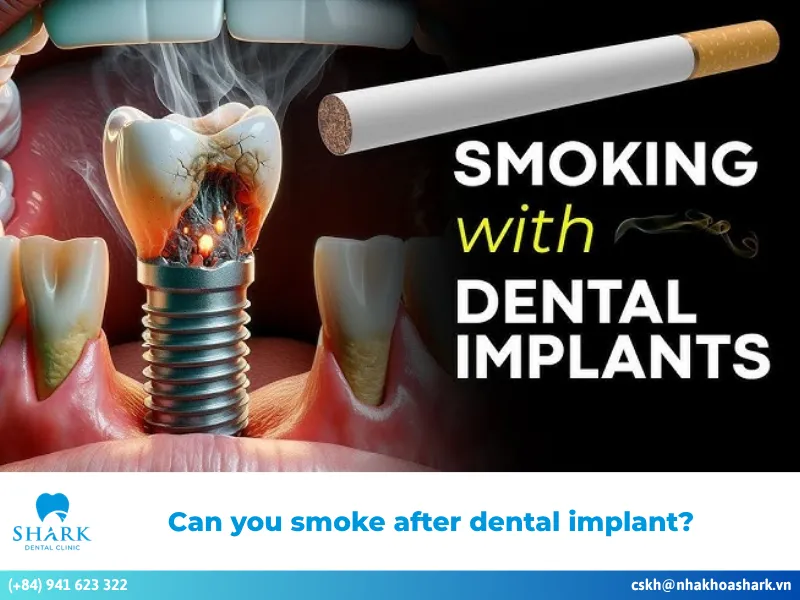
In general, it is strongly recommended that you do not smoke immediately after undergoing a dental filling procedure. This is because cigarette smoke contains harmful chemicals such as nicotine, carbon monoxide, and other toxic substances that can negatively affect the healing process. These substances may slow down tissue recovery, increase the risk of infection, contribute to gum irritation or bleeding, and potentially lead to other unwanted complications.
Is smoking immediately after a dental filling dangerous?
Smoking immediately after a dental filling is not only harmful to the newly placed filling but may also pose risks to your overall oral health and safety. The potential risks associated with this habit include:
- Risk of thermal burns: Due to the effects of local anesthesia, your ability to sense temperature may be temporarily reduced. As a result, exposure to the heat from cigarette smoke may cause burns to the lips, oral tissues, or throat without you being fully aware.
- Damage to soft tissues: Numbness in the lips, tongue, and jaw can reduce control and coordination, making it easier to accidentally bite or injure soft tissues while smoking. This may lead to sores, inflammation, and delayed healing.
- Discoloration of the filling: Nicotine and tar can quickly adhere to the surface of a newly placed filling before it fully stabilizes, leading to staining, discoloration, and a reduction in the aesthetic quality and durability of the restoration.
How smoking affects a new tooth filling?
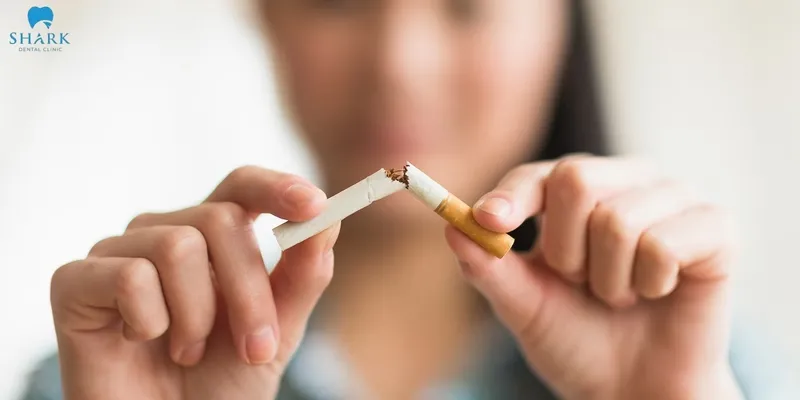
Smoking after a dental filling not only affects the appearance of the restoration but also has a direct impact on its longevity and overall oral health. The effects include:
- Delayed healing process: Nicotine restricts blood flow to the gums and surrounding tissues, which can slow down the healing process and delay the stabilization of the filling. This also increases the likelihood of post-treatment infection.
- Reduced durability of the filling material: Chemicals found in tobacco smoke may gradually alter the structure of the filling material, making it more prone to brittleness, cracking, or early detachment compared to normal conditions.
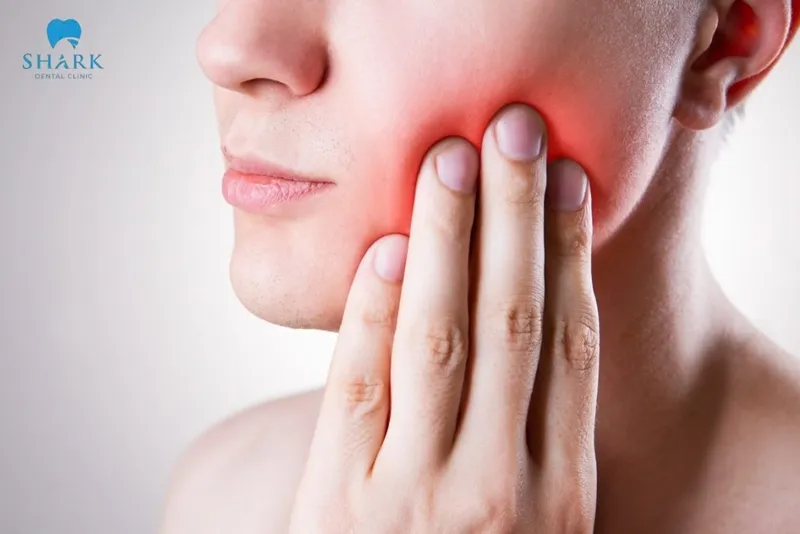
- Prolonged sensitivity: Smoking can increase sensitivity in both teeth and gums, especially around the newly treated area. This may result in ongoing discomfort when consuming hot or cold foods and beverages.
- Staining and discoloration: Tobacco residues can strongly adhere to both natural teeth and filling materials, causing rapid discoloration. Over time, the filling may appear darker and less natural compared to the surrounding teeth.
- Irritation of gums and soft tissues: Cigarette smoke can irritate the soft tissues in the mouth, leading to inflammation of the gums around the filled tooth. If not managed properly, this condition may progress to more serious issues such as localized infection or abscess formation.
How long should you wait to smoke after a tooth filling?
In most cases, dentists recommend avoiding smoking for at least 24 hours after a dental filling. However, to ensure that the filling material fully stabilizes and that the gums recover properly, it is advisable to wait approximately 72 hours whenever possible.
The recommended waiting time may vary depending on the type of filling material used:
- Composite fillings: Composite tooth filling is best to avoid smoking for at least 24 hours to allow the surface to stabilize and to prevent staining caused by tobacco.
- Amalgam fillings: These require a longer setting time, so patients are generally advised to wait between 24 and 48 hours before smoking.
- Light-cured composite fillings: Although these materials harden quickly under curing light, it is still recommended to avoid smoking for at least 24 hours to protect the color and integrity of the filling.
- Glass ionomer cement (GIC) and temporary fillings: These materials are more sensitive to external factors and should be protected carefully for at least 48 hours to ensure proper setting and durability.
Can you vape after a tooth filling?
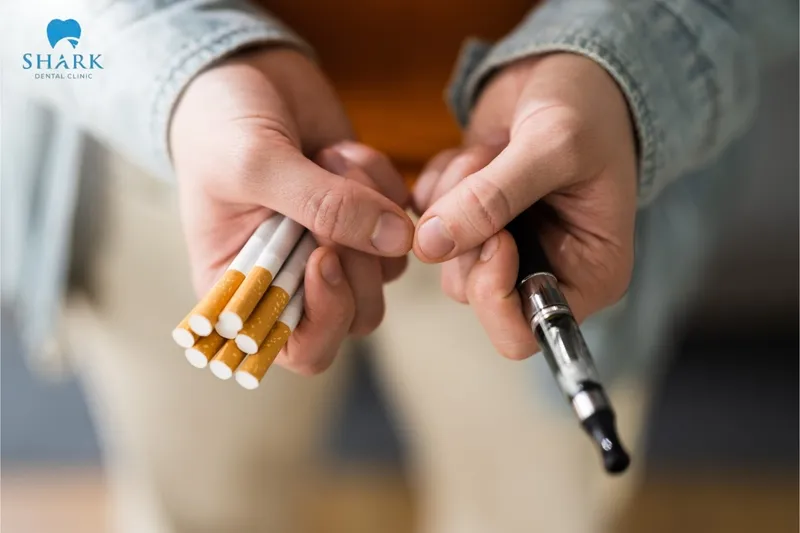
The answer to “Can I smoke after a tooth filling?” also applies to vaping, and the recommendation remains the same: it is not advisable. Many people assume that electronic cigarettes are safer than traditional smoking; however, this is not entirely accurate.
E-liquids used in vaping devices often contain chemicals such as propylene glycol and formaldehyde, which can irritate the gums and oral tissues, especially in areas that have just undergone treatment. This irritation may lead to delayed healing, prolonged sensitivity, and an increased risk of infection, ultimately affecting the effectiveness and longevity of the dental filling.
Safer alternatives to smoking after dental treatment
If you find it difficult to refrain from smoking after a dental filling, there are several safer alternatives you can consider to help manage nicotine cravings while protecting your oral health during the recovery period:
- Nicotine patches: This is an effective alternative that delivers nicotine through the skin, helping satisfy cravings without exposing the oral cavity to smoke, heat, or harmful chemicals that could interfere with healing after a tooth filling.
- Sugar-free gum: Chewing sugar-free gum can help stimulate saliva production, reduce dry mouth, and keep your jaw engaged, which may significantly lessen the urge to smoke while also supporting a healthier oral environment.
- Nicotine lozenges: These dissolve slowly in the mouth, releasing nicotine gradually to ease cravings. When used properly, they can help you manage withdrawal symptoms without the direct impact of smoke on newly treated teeth and gums.
- Engaging in other activities: Focusing on alternative activities such as reading, listening to music, or practicing deep breathing exercises can effectively distract you from nicotine cravings, especially during the first critical hours after treatment.

Through this article, you now likely have a clear answer to the question, “Can I smoke after a tooth filling?” Avoiding smoking during the healing phase not only helps the filling remain stable and durable but also reduces sensitivity, minimizes the risk of inflammation, and supports overall oral health. At the same time, it is important to follow your dentist’s post-treatment instructions carefully and consider safer alternatives to smoking. These measures will help ensure a smooth recovery process and maintain a healthy, long-lasting smile.
>>> See more: How long after filling can I eat normally?