
Porcelain veneers are a cosmetic dental solution that helps enhance the appearance of the tooth surface, effectively renewing the outer layer of the teeth to make them look brighter and more even. However, the question of can veneers fix overbites is a concern that many people frequently have when considering this method. To provide a clear and specific explanation, dental professionals will present detailed insights through the article below!
Can veneers fix overbite?
Many patients wonder whether veneers can fix overbite, especially when dealing with protruding teeth. In reality, porcelain veneers can only improve mild cases of protrusion, where the teeth are slightly tilted outward without significant bite misalignment or excessive jaw development. In such cases, the dentist designs ultra-thin veneers, typically ranging from 0.3 mm to 0.5 mm in thickness, with an appropriate angle to create the appearance of less protrusion.
However, it is important to understand that veneers do not change the actual position of the teeth. Instead, they create a visual improvement, helping to reduce the appearance of protrusion and conceal minor imperfections. In cases where protrusion is caused by jawbone structure and significant outward growth, veneers cannot effectively correct the condition. If veneers are applied in such situations, they may make the teeth appear thicker and less aesthetically pleasing.
What is an overbite?
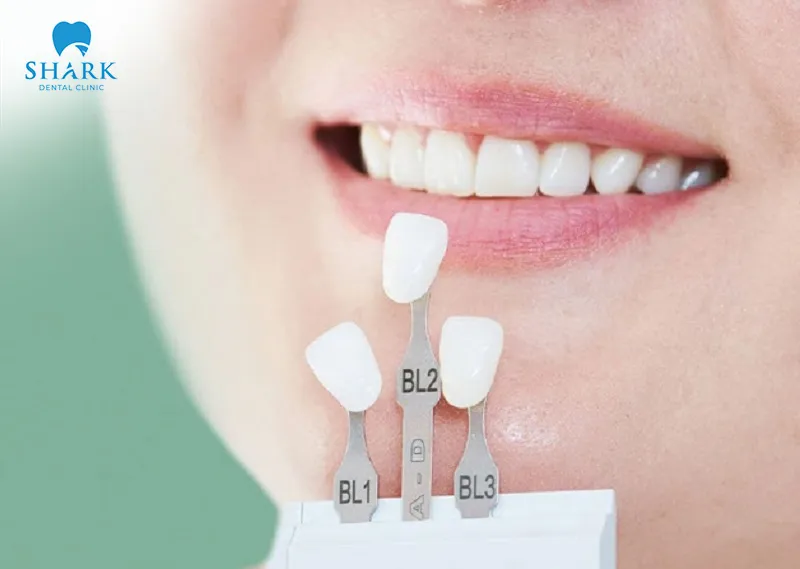
An overbite is a common form of bite misalignment in which the upper teeth extend significantly beyond the lower teeth, creating an excessive horizontal or vertical gap between the two arches. This condition is typically influenced by genetic factors, jaw structure, and other contributing elements.
Currently, overbite conditions can be classified into several main types:
- Dental overbite: This occurs when the upper front teeth grow at an angle and protrude outward, without proper alignment or harmony with the lower teeth.
- Skeletal overbite: This type is caused by the upper jaw developing excessively while the lower jaw is underdeveloped, creating a large discrepancy between the two jaws. In such cases, even if the teeth themselves grow relatively straight, the bite still does not align properly.
- Combined dental and skeletal overbite: This is a more severe and complex condition, resulting from both abnormal jaw structure and misaligned tooth growth. In these situations, effective correction often requires a combination of treatments that address both the teeth and the jaw structure.
What causes an overbite?
There are many different causes that can lead to an overbite condition, involving both genetic and environmental factors that influence the development of teeth and jaw structure:
- Genetics: If parents or grandparents have protruding teeth or an overbite condition, there is a higher likelihood that children may inherit similar characteristics. Congenital overbite cases are typically difficult to prevent and often require aesthetic or orthodontic intervention to improve.
- Early loss of baby teeth: In some cases, premature loss of primary teeth can disrupt the natural eruption pattern of permanent teeth, causing them to grow in the wrong direction. This may lead to crowding, misalignment, and increased protrusion compared to normal development.
- Harmful oral habits: Habits such as thumb sucking, prolonged use of a pacifier, or habitual mouth breathing can place continuous pressure on the teeth and jaw. Over time, these forces can gradually worsen protrusion and contribute to the development of an overbite.
- Excessive jaw development: In many situations, the teeth themselves may develop relatively normally, but the upper jaw grows excessively compared to the lower jaw. This imbalance can cause both jaws to protrude forward, leading to functional difficulties such as challenges in chewing and even affecting speech clarity.
How do porcelain veneers fix an overbite?
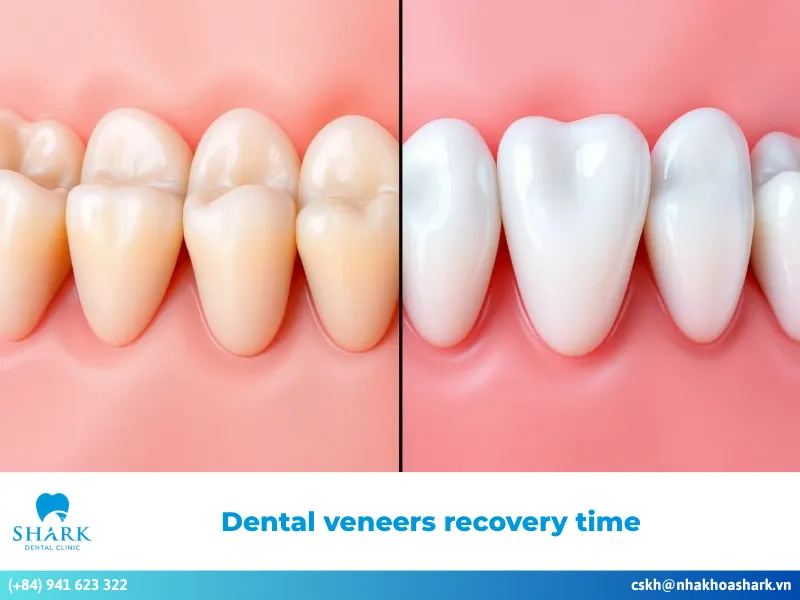
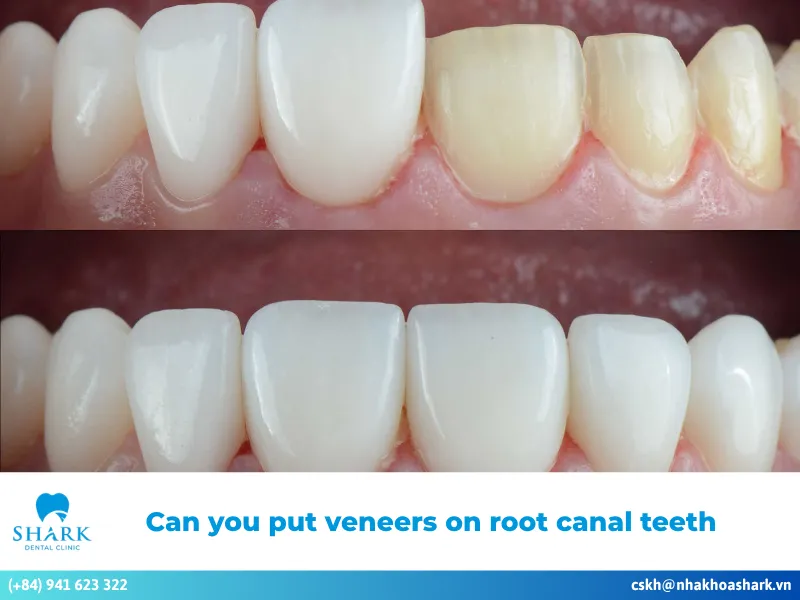
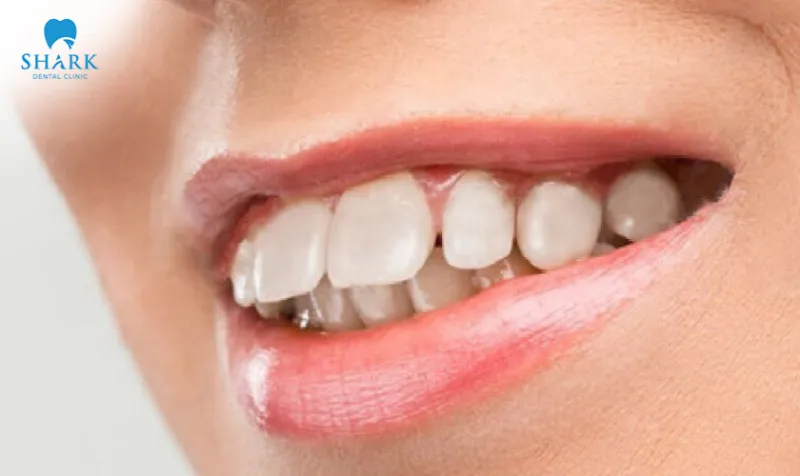
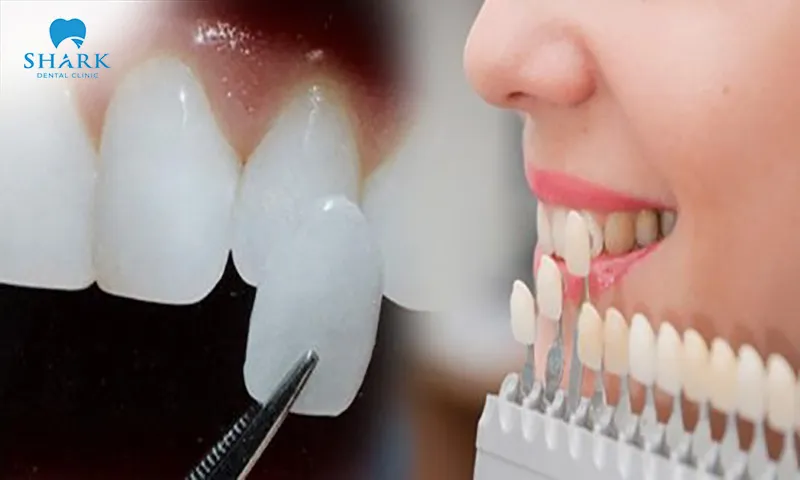
According to dental specialists, porcelain veneers can help improve mild overbite conditions by enhancing the external appearance of the teeth rather than correcting their underlying position. Dentists typically use thin porcelain veneers, usually ranging from about 0.3 mm to 0.6 mm, which are bonded onto the front surface of the teeth. This is considered a minimally invasive method, as it requires little to no removal of natural tooth structure while still improving the overall appearance.
The mechanism by which veneers help reduce the appearance of an overbite includes:
- The dentist will carefully remove a very thin layer of natural enamel before bonding the veneer, which helps reduce the protruding appearance on the tooth surface and allows for slight adjustment of the tooth’s visible axis.
- Each veneer is custom-designed to modify the shape, size, and inclination of the tooth, creating a more harmonious and balanced appearance while preventing the teeth from appearing further protruded.
- After fabrication, the veneers are securely bonded to the tooth surface, helping enhance aesthetics while still maintaining normal chewing function and daily usability.
When veneers may make an overbite worse?
In certain situations, veneers may actually make an overbite appear worse if they are applied in inappropriate cases or without proper assessment. When protrusion is caused by skeletal factors or when the condition is severe, veneers do not provide effective correction. Instead, they may increase the thickness of the tooth surface, which can make the protrusion more noticeable and reduce overall facial harmony.
Some specific cases in which veneers may negatively affect an overbite include:
- Severe overbite: Applying veneers in severe protrusion cases can increase the thickness of the teeth, making the mouth appear more prominent and less balanced from an aesthetic perspective.
- Damaged teeth combined with habits: If protruding teeth are accompanied by habits such as teeth grinding, applying veneers may increase the risk of chipping or fracture. This can negatively impact both durability and aesthetics over time.
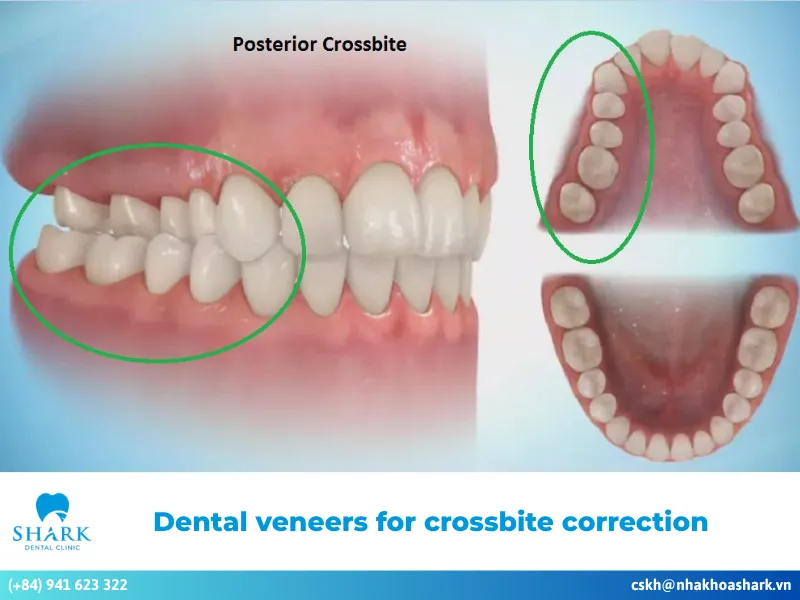
- Bite misalignment: If veneers are designed with incorrect proportions or improper alignment, they may fail to properly control the bite. This can affect chewing function and create a feeling of discomfort or imbalance during daily use.
Orthodontic options for overbite
Overbite or protruding teeth can affect both daily activities and overall quality of life. When this condition becomes noticeable or causes functional concerns, patients should visit reputable dental clinics for examination and consultation. Depending on the specific case, the dentist will evaluate the condition carefully and recommend the most appropriate treatment method to achieve optimal results.
Porcelain crowns
Porcelain crowns are considered a method for improving very mild cases of protrusion. When evaluating dental caps vs. veneer options for alignment issues, the dentist will reduce a portion of the natural tooth structure to decrease size and surface discrepancy, then design and place a custom-made porcelain crown that fully covers the natural tooth with a color that closely matches surrounding teeth.
This method is only suitable for extremely mild cases, and not all overbite conditions can be effectively treated with porcelain crowns. A thorough clinical examination is required before making a final recommendation, as improper application may not deliver the desired outcome.
Braces (Orthodontic treatment)
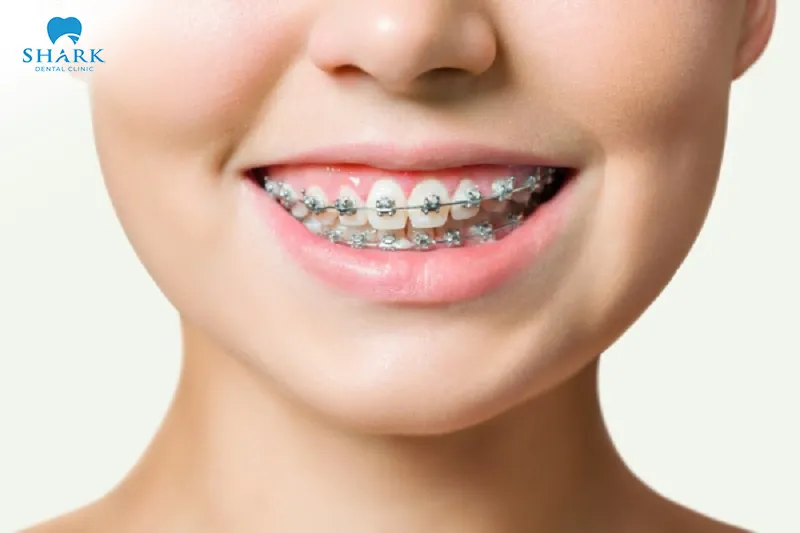
For cases of overbite, dentists often recommend orthodontic treatment using braces. While patients frequently weigh the pros and cons of braces vs veneers for aesthetic alignment, braces remain the superior choice for structural correction; by applying controlled force through archwires and brackets, the dentist gradually adjusts the bite alignment and improves jaw structure over time.
This method is commonly used for moderate cases of overbite. Orthodontic treatment helps preserve natural teeth, follows a structured and controlled process, and can provide stable, long-term results when patients wear retainers properly after treatment.
Jaw surgery combined with orthodontics
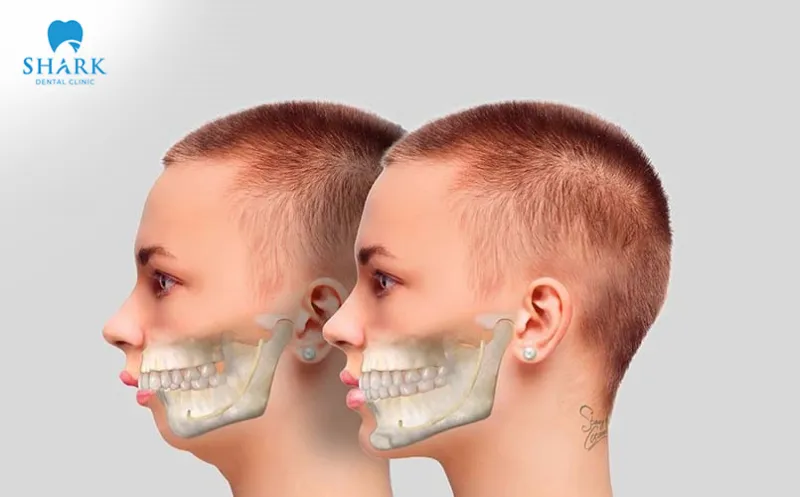
In more severe cases where the overbite is caused by both jaw structure and tooth alignment, dentists may recommend a combination of jaw surgery and orthodontic treatment. Jaw surgery involves precise intervention by a highly trained specialist to reposition the jawbone, ensuring proper alignment between the upper and lower jaws.
After surgery, orthodontic treatment is continued to fine-tune tooth positioning and achieve a balanced bite. This combined approach is typically applied in severe cases involving both skeletal and dental factors, where comprehensive correction is necessary to restore proper chewing function and bite alignment.
Jaw surgery is usually indicated in cases of jaw misalignment, excessive upper jaw development, or significant bite discrepancies. This technique should be performed at major hospitals or specialized dental centers by experienced professionals to ensure safety and minimize potential complications.
In summary, through this information, you can better understand can veneers fix overbites and explore suitable treatment options based on your specific condition. Each method is indicated for different levels of severity, so it is essential to choose a reputable dental clinic and undergo a thorough consultation with a qualified dentist to receive the most appropriate and effective treatment plan.