
Porcelain veneers are considered an ideal solution to improve and correct common dental imperfections such as tooth decay, yellowing, or chipped teeth. Among the high-end veneer options available today, emax veneers are widely appreciated and chosen by many patients for their aesthetic quality. So, what exactly are lithium disilicate veneers, what are their key advantages and disadvantages, and how much do they typically cost? All of these questions will be clearly explained in the article below.
What are emax veneers?
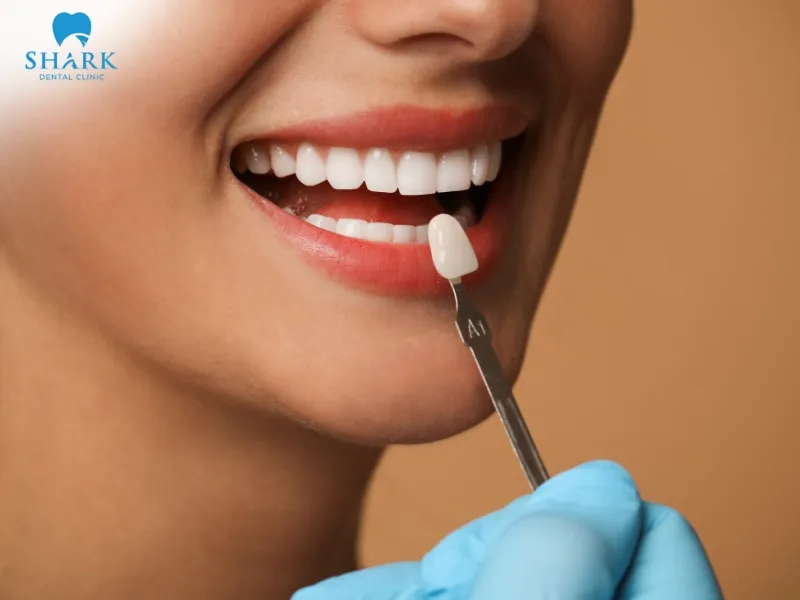
Lithium disilicate veneers are ultra-thin dental veneers made from high-quality ceramic material, typically with a thickness ranging from approximately 0.2 to 0.5 mm. These veneers are carefully placed onto the surface of natural teeth and bonded securely using a specialized dental adhesive. To achieve optimal aesthetics, the veneers must be precisely designed to match the size, shape, and contour of the natural teeth, ensuring a snug and seamless fit.
When discussing what emax veneers are, they are considered a significant advancement in modern cosmetic dentistry, marking notable progress in both materials and techniques. This method is widely chosen by many patients who wish to achieve a bright, even, and naturally attractive smile.
Benefits of lithium disilicate veneers
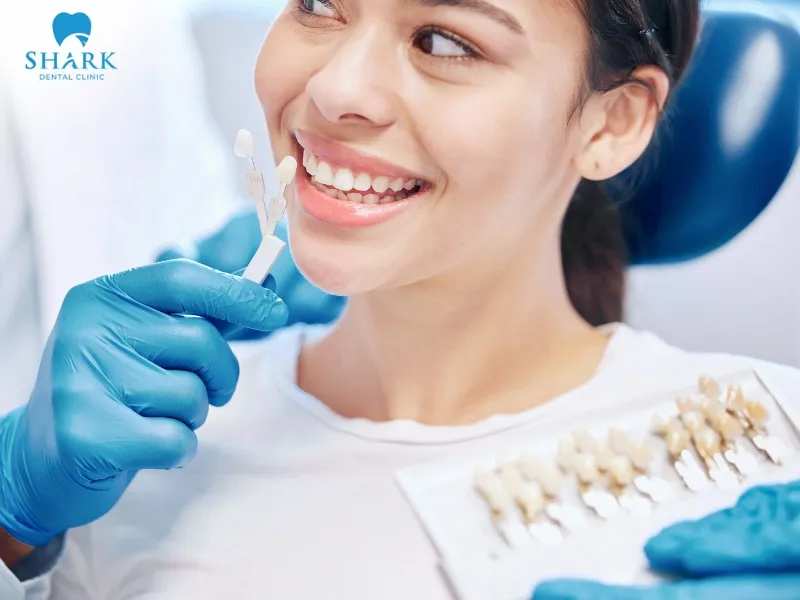
Below are some of the key advantages and highlights of lithium disilicate veneers, often discussed when evaluating Lithium disilicate veneers pros and cons:
- High aesthetic quality: Glass-ceramic veneers are fabricated using advanced CEREC technology and premium lithium disilicate glass ceramic. As a result, they are extremely thin, highly translucent, and possess a natural gloss, delivering excellent aesthetic outcomes after placement.
- Outstanding durability: Despite their ultra-thin structure, the lithium disilicate material offers impressive strength, with the ability to withstand significant biting forces. This ensures durability for daily chewing and functional use.
- Comfortable experience: Due to their thin design, lithium disilicate veneers provide a comfortable and natural feeling during daily activities such as eating and speaking. They do not cause bulkiness or discomfort and do not interfere with normal oral functions.
- Minimal tooth reduction: One of the most notable benefits of emax veneers is their ability to preserve natural tooth structure. During the procedure, the dentist typically only prepares the tooth surface lightly without significantly affecting the internal structure, helping to protect the natural teeth as much as possible.
Risks of emax veneers
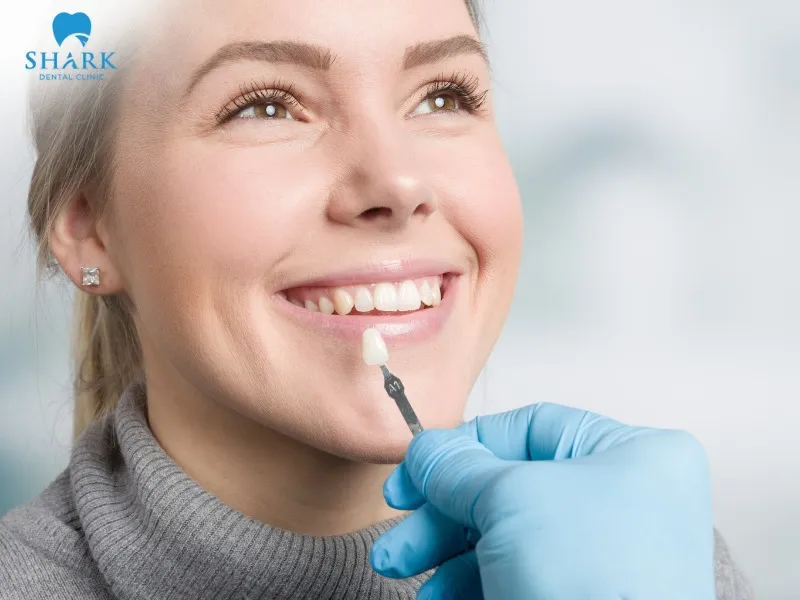
Alongside their advantages, lithium disilicate veneers also have certain limitations that should be considered as part of the overall emax veneers pros and cons:
- Limited suitability: Glass-ceramic veneers are only suitable for specific cases, particularly for patients with relatively well-aligned teeth, a stable bite, and minor damage (such as chipping that does not exceed one-third of the tooth structure).
- Requirement for skilled dentists: The procedure must be performed by a highly experienced and well-trained dentist. If not carried out properly, it may affect the aesthetic result or, in more serious cases, lead to unnecessary invasion of the natural tooth structure or damage to the dental pulp.
How are emax veneers fitted?
At reputable dental clinics, the process of placing lithium disilicate veneers is performed through a structured and carefully controlled series of steps:
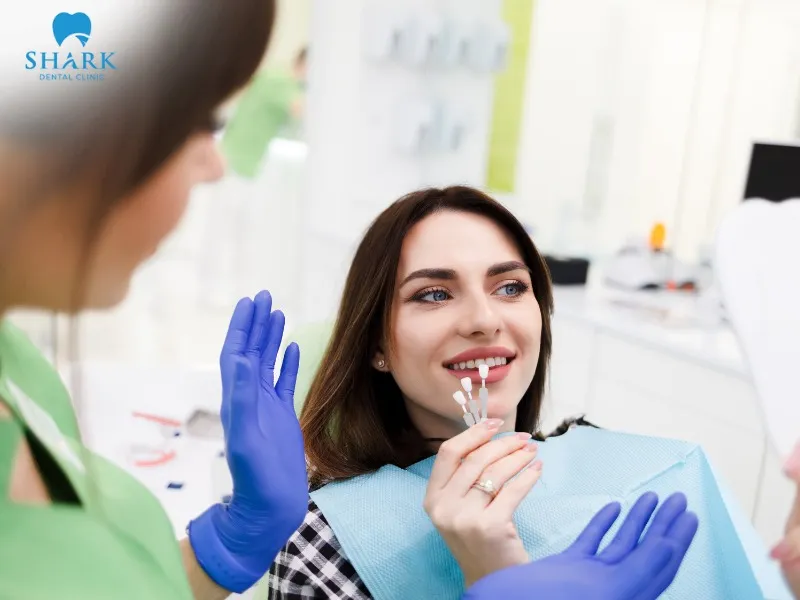
Step 1: Comprehensive dental examination
The dentist first performs a detailed clinical examination, including X-rays and a full assessment of the patient’s overall oral health condition. At this stage, any existing issues such as periodontal disease, gingivitis, or tooth decay will be thoroughly identified and completely treated before moving forward. Based on the results, the dentist will then provide personalized consultation and recommend the most appropriate restorative solution to achieve the best possible outcome.
Step 2: Oral cleaning
Next, the dentist carries out a thorough cleaning of the entire oral cavity, carefully removing plaque buildup, inflamed tissue, and any remaining food debris. This step is essential to create a clean, healthy tooth surface, which plays a critical role in ensuring strong adhesion and maximizing the bonding effectiveness of the veneers.
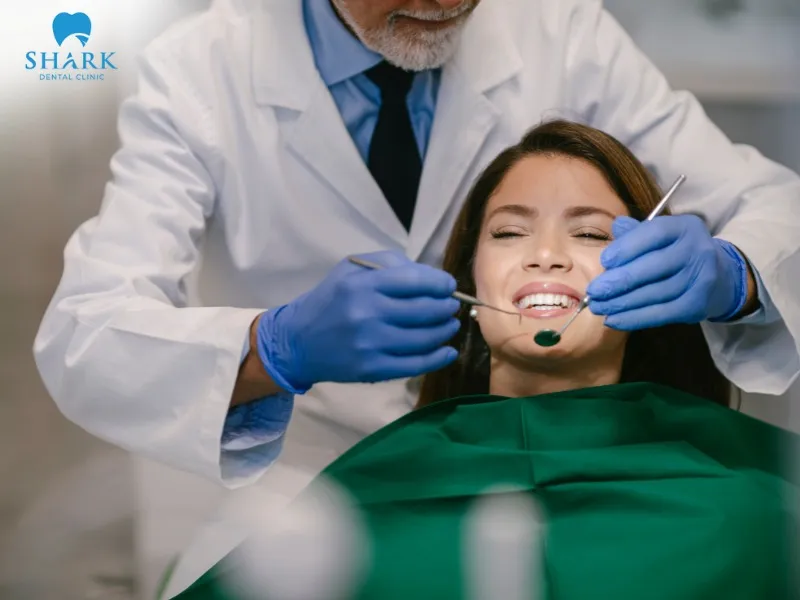
Step 3: Tooth preparation and impression taking
To enhance patient comfort, local anesthesia may be administered to minimize sensitivity or discomfort during the procedure. The dentist then gently prepares the tooth surface by refining and smoothing it, creating optimal conditions for precise veneer placement. At the same time, an accurate impression of the natural teeth is taken to design veneers that closely match the original tooth shape, size, and proportions for a natural-looking result.
Step 4: Temporary veneers placement
During the waiting period while the final veneers are being fabricated in the laboratory, temporary veneers are placed on the prepared teeth. These temporary restorations help maintain normal chewing function and daily activities, while also protecting the treated teeth.
Step 5: Final veneer placement
Once the custom-made emax veneers are completed, they are carefully bonded onto the natural teeth using a specialized dental adhesive. The dentist then uses a curing light to harden and stabilize the bonding material. This final step enhances the durability of the veneers while creating a smooth, natural, and glossy finish, significantly improving the overall aesthetics of the smile.
>>> See more: Which dental adhesive for veneers is the best choice?
Is the emax veneer procedure painful?
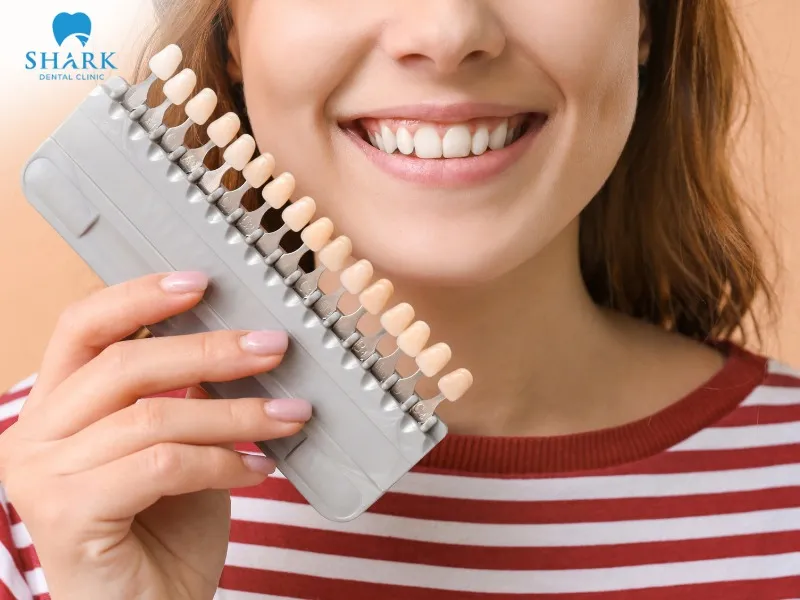
The emax veneers procedure is generally not painful or uncomfortable. This is because the method does not deeply affect the natural tooth enamel and, in many cases, requires little to no tooth reduction. As a result, the structure of the natural teeth is largely preserved.
In addition, before the veneer placement process begins, patients are typically given local anesthesia to ensure that the experience is entirely painless. This step is essential for those concerned about whether do veneers hurt, as it provides a comfortable and relaxed experience throughout the procedure, effectively minimizing any sensation of sensitivity or discomfort during treatment.
How do glass-ceramic veneers differ from porcelain and zirconia veneers?
When comparing emax veneers vs zirconia, each type offers distinct characteristics in terms of aesthetics, durability, and tooth preservation. Below is a detailed comparison:
| Criteria | Emax veneers | Zirconia veneers |
| Aesthetics | Ensures optimal aesthetic results, providing a naturally beautiful appearance with harmonious color that closely matches the surrounding natural teeth. | Delivers high aesthetic effectiveness by covering discolored, darkened, or dull areas of the teeth efficiently, helping improve overall smile appearance. |
| Tooth preservation | Glass-ceramic veneers help preserve maximum natural tooth structure, with minimal or sometimes no enamel reduction required. | Zirconia veneers typically require the removal of a thin layer of enamel to ensure proper fit and adhesion. |
| Durability | Lithium disilicate veneers are durable, with a flexural strength of around 400 MPa. However, they may chip or fracture under strong impact. | Zirconia veneers are extremely strong, with a flexural strength ranging from 900–1200 MPa, making them highly resistant to cracks and suitable even for posterior teeth. |
| Biocompatibility | Emax veneers are made from lithium disilicate glass-ceramic, which is highly biocompatible and gentle on the gums. | Zirconia also offers good biocompatibility and does not oxidize over time. |
| Cost | Glass-ceramic veneers are considered a higher-cost option due to their advanced fabrication process and the high level of expertise required. | Zirconia veneers are moderately to highly priced, often slightly lower than or comparable to emax, depending on the material type used. |
What dental issues can lithium disilicate veneers fix?
Glass-ceramic veneers are suitable for addressing a variety of common dental concerns, including:
- Tooth discoloration: Cases such as yellowing, staining from antibiotics, or fluorosis that cannot be improved with traditional whitening methods
- Gaps and uneven teeth: Teeth that are spaced apart or have uneven sizes, affecting overall aesthetics
- Chipped or cracked teeth: Minor damage where the affected area does not exceed one-third of the tooth structure
Depending on each individual’s oral condition, the dentist will conduct a thorough examination and recommend whether emax veneers are the most appropriate restorative solution.
Do lithium disilicate veneers stain or darken over time?
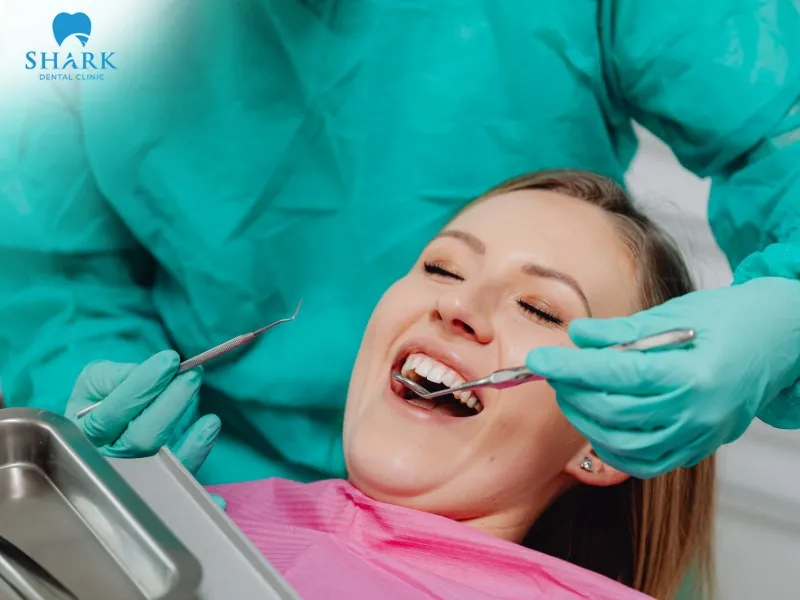
In general, lithium disilicate veneers do not easily stain, darken, or become discolored over time. This is due to the properties of lithium disilicate material, which features a smooth, dense surface with high resistance to staining agents such as coffee, black tea, or tobacco.
However, in certain situations, underlying dental issues such as tooth decay, gum disease, or non-vital teeth may lead to gum recession or exposure of darker tooth structures beneath. This can affect the overall appearance, making the teeth look uneven in color or less aesthetically pleasing.
>>> See more: Do veneers help receding gums?
How much do emax veneers cost on average?
The average cost of glass-ceramic veneers typically ranges from approximately 6,000,000 to 12,000,000 VND per tooth. This price range is for reference only and may vary depending on several factors, including the current dental condition, the number of teeth being restored, and the dental clinic performing the procedure.
For the most accurate pricing and treatment plan, it is recommended to consult directly with a qualified dentist!
Daily maintenance tips for a long-lasting smile
To maintain the aesthetics and longevity of emax veneers, it is important to follow proper daily care practices:
- Oral hygiene: You should brush your teeth at least twice daily using a soft-bristle toothbrush. Pay attention to brushing gently across all tooth surfaces to avoid wearing down the polished veneer layer, while also protecting the surrounding gum tissues from irritation or damage.
- Use a water flosser: Instead of using traditional wooden toothpicks, you are encouraged to use a water flosser. This method helps remove food debris and plaque more effectively from hard-to-reach areas, while minimizing the risk of scratching or damaging the veneer surface.
- Healthy eating habits: Maintaining a balanced and nutritious diet plays an important role in preserving the appearance of your veneers. You should limit the intake of dark-colored foods and beverages, as they may affect the overall brightness of your smile over time. Drinks such as coffee, tea, alcohol, and carbonated beverages should be consumed in moderation to help maintain optimal aesthetics.
- Eliminate harmful habits: Certain habits, such as teeth grinding, nail biting, or using your teeth to open objects, can negatively impact the durability of veneers. These habits should be avoided to prevent chipping or damage. If needed, you may consider using a night guard to protect your veneers from excessive pressure during sleep.
It is hoped that the information above has helped you gain a clearer understanding of what emax veneers are, along with their key advantages, limitations, and proper care methods. This modern cosmetic dental solution offers excellent aesthetic results and long-term value when maintained correctly and consistently!