
Lumineers and porcelain veneers are both cosmetic dental solutions used to improve the shape and color of teeth. Although they share the common goal of enhancing smile aesthetics, each method has its own distinct characteristics. In the article below, Shark Dental Clinic will provide a comprehensive comparison of lumineers vs porcelain veneers to help you clearly understand the differences and select the option that best fits your expectations.
What are porcelain veneers?
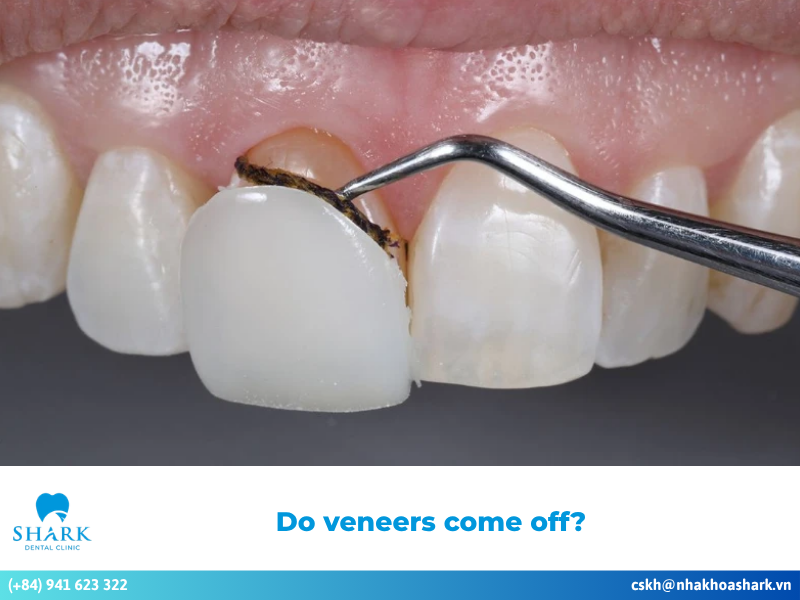
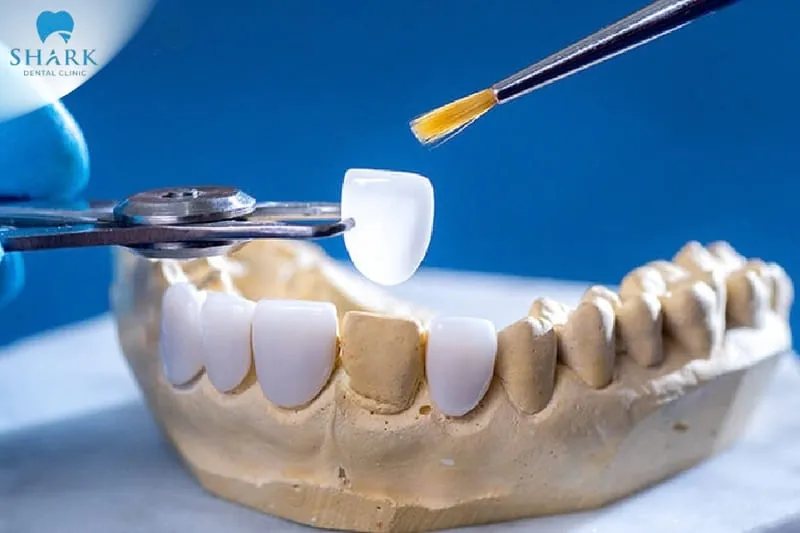
Porcelain veneers are ultra-thin shells made from tooth-colored materials that are designed to be permanently bonded to the front surface of teeth. With a thickness of about 0.3 to 0.5 mm, these veneers closely fit over the tooth structure, helping to correct discoloration, minor shape imperfections, and size irregularities to create a more harmonious smile.
They are typically crafted from high-quality porcelain or specialized dental materials recognized for their durability and aesthetics. For patients wondering which dental adhesive for veneers is the best choice, rest assured that once bonded with a professional dental adhesive, porcelain veneers form a strong connection with natural teeth, ensuring stable cosmetic results for many years.
Pros of porcelain veneers
Before exploring the differences between Lumineers and porcelain veneers, here are the key advantages of porcelain veneers:
- Outstanding aesthetics: Porcelain veneers significantly enhance the color, shape, and size of teeth, resulting in a balanced and attractive smile.
- Maximum preservation of natural teeth: Only a thin layer of enamel is adjusted, which minimizes the impact on the natural tooth structure.
- Long lifespan: When patients ask, “How long do porcelain veneers last?”, the answer is quite reassuring. Porcelain veneers can last 10 to 15 years or longer when made from quality materials and maintained with proper oral care.
Cons of porcelain veneers
Despite their benefits, porcelain veneers have some limitations:
- Not suitable for all cases: They are best for addressing mild imperfections such as discoloration, small gaps, or minor chips. Severe misalignment, significant overbites or underbites, or weak enamel may require alternative treatments.
- Irreversible procedure: Although the enamel reduction is minimal, once a tooth is prepared, it cannot return to its original state. Careful consideration is essential before proceeding.
>>> See more: Can you get veneers with crooked teeth?
What are Lumineers?
Lumineers are a premium type of dental veneer that originated in the United States. They are exceptionally thin, measuring approximately 0.2 mm in thickness. This ultra-thin structure allows Lumineers to be bonded directly to the tooth surface without the need for enamel reduction, or with only minimal adjustments in certain cases.
This method effectively addresses imperfections such as tooth discoloration, gaps, or uneven shapes while preserving as much of the natural tooth structure as possible. Additionally, Lumineers are highly regarded for their aesthetic appeal and durability, providing a natural-looking smile that can maintain stable results for many years when properly cared for.
Pros of Lumineers
Lumineers are widely chosen for their numerous advantages in cosmetic dental restoration:
- Ultra-thin design with minimal enamel reduction: At about 0.2 mm thick, Lumineers can be applied with little to no preparation of the tooth.
- Natural aesthetics: Their color and translucency closely resemble natural teeth, effectively enhancing discoloration and minor shape irregularities for a harmonious smile.
- Gentle and minimally invasive procedure: Since they require minimal alteration to natural teeth, the process is typically comfortable and does not significantly impact daily activities.
- Relatively high durability: When performed correctly and maintained properly, Lumineers can preserve their aesthetic results for many years.

Cons of Lumineers
Despite their numerous benefits, Lumineers also have certain limitations:
- Limited ability to mask severe imperfections: Due to their thin porcelain layer, Lumineers may not completely conceal severely darkened teeth, particularly in cases of deep intrinsic staining.
- Relatively high cost: As a premium veneer option, Lumineers generally cost more than some other cosmetic dental procedures.
Lumineers vs porcelain veneers: A detailed side-by-side comparison
To better understand the differences between Lumineers and porcelain veneers, here is a detailed side-by-side comparison based on important criteria such as thickness, invasiveness, aesthetics, durability, and cost.
| COMPARISON CRITERIA | PORCELAIN VENEER | LUMINEERS |
| Thickness | Thicker (0.3–0.5 mm). | Ultra-thin (approximately 0.2 mm). |
| Level of invasiveness | Require removal of a thin outer layer of enamel to ensure proper bonding and avoid bulkiness. | Require little to no enamel reduction, preserving maximum natural tooth structure. |
| Aesthetic results | Highly aesthetic and easily customizable in color and shape. | Have a natural appearance with high translucency, suitable for mild cosmetic improvements. |
| Durability and lifespan | Long-lasting, typically enduring 10–15 years or more. | Generally have a shorter lifespan than porcelain veneers, lasting about 5–10 years. |
| Suitable candidates | Ideal for individuals seeking significant improvements in tooth color and shape. | Best suited for individuals with relatively well-aligned teeth and minor imperfections. |
| Reversibility | Not reversible due to enamel reduction; ongoing protection with veneers or crowns is required. | Potentially reversible since enamel is not significantly altered, allowing for removal and a return to the original tooth condition. |
Cost comparison: Lumineers vs. porcelain veneers
The cost of porcelain veneers versus Lumineers varies based on the dentist’s expertise, the technology used, and the patient’s oral condition. Porcelain veneers typically range from $1,200 to $2,500 per tooth, while Lumineers generally range from $1,000 to $2,000 per tooth, depending on individual cases. To save on these expenses, you might want to research how much is dental veneer in Vietnam for more affordable alternatives.
Costs may also be influenced by the fabrication process. Traditional porcelain veneers require custom design and individual crafting for each tooth, which often results in higher laboratory expenses. In contrast, Lumineers follow a more standardized manufacturing process, potentially reducing some initial costs.
It is also wise to check are veneers covered by dental insurance with your provider, as cosmetic procedures are rarely fully funded.
While Lumineers may offer lower upfront costs in some cases, porcelain veneers tend to be more durable and require fewer replacements, potentially providing better long-term economic value.

Hopefully, this detailed comparison has given you a clearer understanding of lumineers vs porcelain veneers, helping you choose the most suitable cosmetic dental solution based on your needs and oral condition. If you need further consultation, contact Shark Dental Clinic via hotline (+84) 941 623 322 for dedicated support and quick appointment scheduling.