

Braces have become increasingly popular in modern dentistry. They are suitable for many individuals and help align crooked teeth. However, if you are pregnant, you might wonder: can you get braces while pregnant, or if you can get braces, and what potential risks are involved? Let’s explore the details below!
Can you get braces while pregnant?
Pregnant women can undergo orthodontic treatment if they desire, provided that all health conditions are considered and approved by a dental professional. Braces are generally considered safe as they do not involve surgery. However, procedures such as X-rays and anesthesia are typically not recommended for pregnant women.
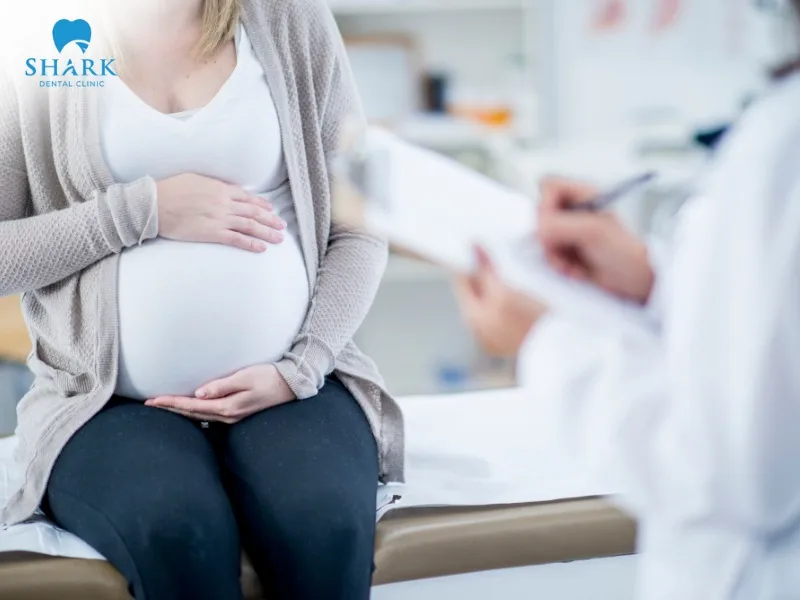
Some risks associated with getting braces during pregnancy include:
- Effects from X-rays: Before applying braces, dentists usually conduct a general oral health examination, which may involve X-rays to assess jawbone structure. For pregnant women, exposure to X-rays may negatively affect fetal development.
- Sensitive gums: Hormonal changes during pregnancy can make women more sensitive, resulting in swollen and bleeding gums. At this time, braces may put pressure on the wires and brackets, increasing the risk of soft tissue injury and causing discomfort while eating and during daily activities.
- Side effects of medication: Local anesthesia is often used before fitting braces, and some patients may require pain relievers afterward. However, these medications are generally not recommended for pregnant women due to potential risks to fetal development.
- Dietary challenges: Pregnant women wearing braces may find it more difficult to eat. Since pregnancy requires a diverse diet rich in nutrients to support fetal growth, this can pose additional challenges.
- Psychological impact: The stress, pressure, or anxiety some pregnant women may feel while wearing braces can indirectly affect their mental health and, subsequently, the baby’s development.
Overall, orthodontic treatment is not encouraged during pregnancy. If you are considering braces, it is advisable to wait until after childbirth and once your health has fully recovered!
>>> See more: Can you get braces with missing teeth?
Why get braces while pregnant?
Pregnant women are advised against getting braces during this sensitive time because the body undergoes significant hormonal, mood, and health changes. Although braces are not a complicated surgical procedure, the supporting steps involved may pose risks to both the mother and child.
In summary, pregnant women should prioritize rest, relaxation, a balanced diet, and a healthy lifestyle to ensure optimal fetal development. It’s best to minimize unnecessary orthodontic interventions during this critical period and always consult with your dentist before making any decisions regarding orthodontic treatment.
Tips for oral care during pregnancy
During pregnancy, oral health can be more susceptible to issues such as tooth sensitivity, toothaches, and gum bleeding. Therefore, maintaining good oral hygiene is crucial during this time. Below are some expert recommendations for pregnant women:
- Thorough oral hygiene: Pregnant women should use a soft-bristled toothbrush and fluoride toothpaste to clean their mouths. For those with special dental appliances, finding the best toothbrush for braces is crucial for effective cleaning. It’s important to brush gently, as teeth and gums can be more sensitive and prone to injury, leading to gum damage or bleeding.
- Use dental floss: Dental floss or a water flosser are safe and effective tools for oral hygiene. In addition to brushing daily, pregnant women should floss to remove plaque between teeth and help prevent cavities. If you have braces, you might also want to look up how to floss with braces to ensure proper technique.
- Rinse with salt water: Salt water possesses strong antibacterial properties and is safe for pregnant women. Rinsing with salt water daily can reduce gum inflammation, soothe the oral cavity, and prevent infections.
- Balanced diet: In addition to maintaining oral hygiene, pregnant women should focus on a healthy, balanced diet. Foods rich in calcium, vitamin D, and omega-3 fatty acids are recommended as they help strengthen tooth and bone structure. It’s best to limit sweets, carbonated drinks, and high-sugar foods.
- Regular dental checkups: Just like everyone else, pregnant women should have regular dental visits every 3 to 6 months. This allows the dentist to monitor oral health and address issues such as cavities or gum disease promptly.
Consistent and scientifically-backed oral care can help pregnant women maintain strong teeth while minimizing the risks of gum disease, cavities, and other oral problems.

Orthodontic treatments suitable for pregnancy
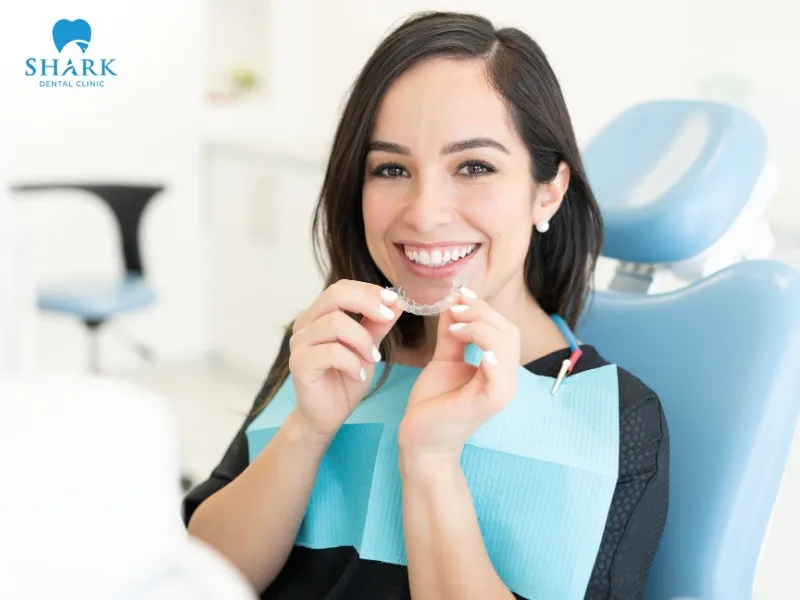
In certain situations, if an expectant mother meets all health requirements, the fetus is developing normally, and orthodontic treatment is necessary, Invisalign clear aligners can be an option. This method is user-friendly, comfortable, and safer for pregnant women.
Here are some reasons why Invisalign may be suitable for pregnant women:
- Invisalign clear aligners are made from internationally standardized polyurethane plastic material, thoroughly tested for safety, and cause minimal gum irritation in the oral cavity.
- The clear aligners are flexibly designed, fitting snugly to the dental arch, creating a comfortable and precise feeling for pregnant women during aesthetic orthodontic treatment.
- The clear aligners can be easily removed during use, allowing pregnant women to feel more comfortable in eating and maintaining daily oral hygiene. This ensures both effective oral care and an optimal diet during pregnancy.
- Unlike traditional braces, Invisalign clear aligners cause less irritation and reduce the number of follow-up visits to the dental clinic. This gives pregnant women more time to rest and take care of their health as well as the baby’s.
In summary, if a pregnant woman wishes to undergo orthodontic treatment, she should consult a reputable dental clinic. With professional expertise and advanced equipment, dentists can provide guidance on safe and suitable orthodontic options for both mother and child.
How can morning sickness affect braces?
Morning sickness is a common condition experienced by pregnant women, particularly during the first trimester. Its symptoms include vomiting, nausea, fatigue, and increased sensitivity to smells. For expectant mothers wearing braces, morning sickness can directly impact both orthodontic treatment and overall oral health.
Here are some ways that morning sickness can affect orthodontic care:
- Enamel erosion: Frequent vomiting exposes teeth to stomach acid, which can erode enamel. Continuous contact with this acid increases tooth sensitivity and pain, as well as diminishes dental function.
- Obstructed oral hygiene: Pregnant women suffering from morning sickness often feel too fatigued to maintain oral hygiene, particularly after episodes of vomiting. This can create an environment conducive to bacteria growth, raising the risk of tooth decay.
- Changes in taste preferences: Morning sickness can alter appetite, leading many women to crave sweets, sour foods, or carbonated drinks. These items can be especially harmful for individuals with braces, as they can stain teeth and reduce the effectiveness of orthodontic treatment.
- Orthodontic effectiveness: Severe morning sickness that involves frequent or intense vomiting can dislodge brackets or break archwires. If this occurs, it’s necessary to visit a dentist for corrections, which may lead to delays or even the need to restart treatment – resulting in additional time and costs.

In conclusion, morning sickness can have a negative impact on orthodontic outcomes for pregnant women. Therefore, expectant mothers should carefully evaluate their health situation before opting for aesthetic orthodontics.
This article addresses whether braces can be worn during pregnancy and the potential risks involved. Pregnancy is a sensitive time, and the health of both the mother and baby should be the top priority. For this reason, if orthodontic treatment is not absolutely necessary, it is advisable to postpone it until after childbirth. Many patients wonder, can you get braces while pregnant? The answer generally leans toward caution, prioritizing the well-being of the mother and baby.
>>> See more: Do braces make your teeth loose?