

After undergoing procedures such as wisdom tooth removal or extraction of severely decayed teeth, many people wonder how long to leave gauze in after tooth extraction to effectively control bleeding while preventing complications. In the article below, Shark Dental Clinic will help you clearly understand the appropriate duration for biting on gauze and the important aftercare instructions to ensure safe healing at home.
How long to leave gauze in after tooth extraction?
Many patients are uncertain about how long to keep gauze in after a tooth extraction. The duration can vary based on the complexity of the procedure and the individual’s healing ability. For simple extractions, bleeding typically stops within 30 to 60 minutes. However, for more complex surgical cases—such as the removal of impacted wisdom teeth, which may involve significant manipulation of soft tissue—you may need to keep the gauze in place longer to ensure complete blood clotting. If heavy bleeding persists beyond 24 hours without any signs of clotting, it’s important to return to your dental clinic for prompt evaluation and treatment.
Why dentists use gauze after tooth extraction?
Immediately following a tooth extraction, the dentist places a piece of gauze over the socket to quickly and effectively control bleeding. The gauze provides constant pressure, supporting the body’s natural clotting process and helping to form a protective blood clot over the wound.
Without gauze—or if it is not positioned correctly—bleeding may continue, increasing the risk of complications. Therefore, it is crucial to place and bite down on the gauze as instructed during post-extraction care.
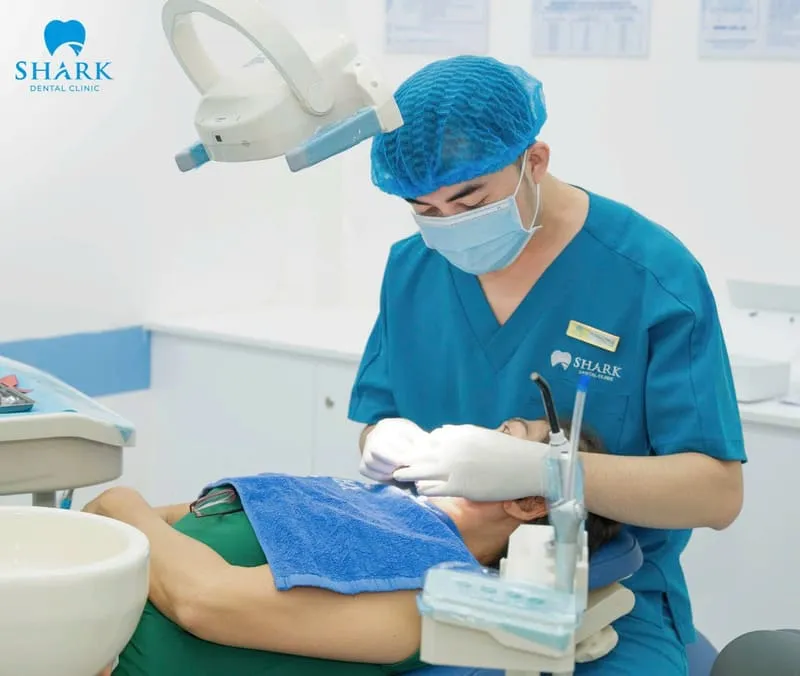
Step-by-step: How to position and bite down on gauze correctly
After learning how long to keep gauze in after a tooth extraction, understanding how to position and use it properly is equally essential for promoting faster healing.
- Step 1 – Wash your hands thoroughly: Before handling medical gauze, wash your hands carefully with antibacterial soap to prevent bacteria from entering the open wound.
- Step 2 – Fold the gauze to the proper size: Use a clean piece of sterile gauze. Fold or roll it to ensure it is thick enough and fits securely into the space where the tooth was removed.
- Step 3 – Remove the old gauze and insert a new one: Gently take out the blood-soaked gauze from your mouth. Carefully place the new gauze directly over the extraction site, ensuring it fully covers the socket.
- Step 4 – Bite firmly and apply cold compress if needed: Bite down firmly to apply steady pressure. Avoid rinsing your mouth for the first 6 hours after the extraction. You can also apply an ice pack externally to reduce pain and help control bleeding more effectively.
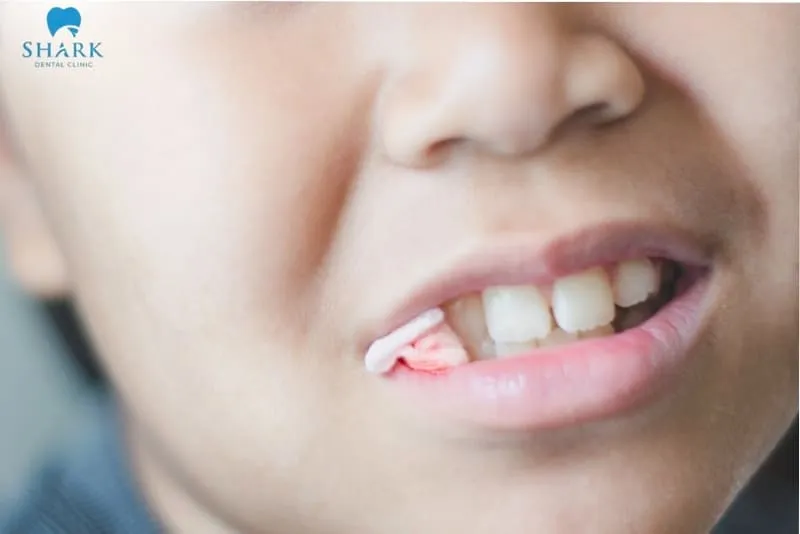
When to change the gauze and how often to do it?
During the first hour after the extraction, check and replace the gauze approximately every 15 to 30 minutes if necessary. You should change the gauze when the current gauze is completely soaked with blood, or bleeding is still clearly visible after the initial biting period. Each time you replace the gauze, position a clean gauze pad properly and bite down firmly for another 20 to 30 minutes. However, avoid changing the gauze too frequently, as this may disrupt the formation of the blood clot.
Signs that it is safe to stop using gauze completely
You can stop using gauze once you notice the following signs:
- There is no active bleeding from the extraction site.
- The removed gauze shows only light pink staining or is nearly dry.
- The metallic taste of fresh blood is no longer present.
If you notice a persistent metallic or sour flavor much later, you might be dealing with a bad taste in mouth after tooth extraction.
These signs indicate that a stable blood clot has formed and that the socket is entering the initial healing phase. At this point, continued biting on gauze is no longer necessary; instead, you should rest and follow your dentist’s aftercare instructions.

Why you should not keep gauze in overnight while sleeping?
You should never keep gauze in your mouth overnight. Doing so poses several serious risks:
- Choking hazard: The gauze may loosen and slip into your throat while you sleep, potentially causing choking or airway obstruction.
- Disruption of the blood clot: Overnight, blood-soaked gauze can dry out and stick to the wound surface. Removing it in the morning may pull out the newly formed clot, causing bleeding to restart.
- Increased risk of infection: Keeping blood- and saliva-soaked gauze in your mouth for hours creates an ideal environment for bacterial growth, raising the risk of infection.
- Delayed healing: Once bleeding has stopped, the wound needs airflow to activate the body’s natural healing process. Continuous use of gauze may trap moisture and slow recovery.
Aftercare tips once gauze is no longer needed
After successfully stopping the bleeding and removing the gauze, the extraction site remains sensitive and requires careful care to stabilize the blood clot and promote healing. Follow these important guidelines:
- Control your diet: Choose soft, cool, and easy-to-swallow foods during the first few days. Avoid using straws, as suction can dislodge the blood clot and delay healing.
- Maintain gentle oral hygiene: If you are wondering, “can I brush my teeth after tooth extraction?” the answer is yes. Continue brushing your teeth daily to keep your mouth clean, but carefully avoid the extraction site. Do not rinse vigorously or spit forcefully during the first 24 hours.
- Use saltwater at the right time: Begin gently rinsing with a warm saline solution only after 24 hours have passed since the procedure to disinfect and soothe the gums.
- Apply cold compresses and rest properly: Use ice packs to manage swelling. Rest adequately, keep your head elevated while lying down, and avoid strenuous physical activities to reduce the risk of renewed bleeding.

With the information shared above by Shark Dental Clinic, you now have a clearer understanding of how long to leave gauze in after tooth extraction and how to monitor bleeding safely at home. Following your dentist’s instructions and caring for the wound properly will promote faster healing and minimize complications. If you experience prolonged bleeding or increasing pain, do not hesitate to return for a professional evaluation and timely treatment.