
Pregnancy is not only a sensitive period for overall health but also a particularly important time for maintaining oral health and hygiene. Many expectant mothers often wonder whether can I get a tooth filling while pregnant, especially due to concerns about the potential effects of local anesthesia, filling materials, or dental X-rays during examination and treatment. To better understand this issue in a clear and comprehensive way and obtain the most accurate answer, you can refer to the detailed information provided in the article below by Shark Dental Clinic!
Can I get a tooth filling while pregnant?
The answer is yes. Getting a tooth filling during pregnancy is not only possible but also often necessary to prevent tooth decay from progressing into infection, which could negatively affect both the mother’s health and the baby’s development. When considering whether a tooth filling is safe during pregnancy, there are several important factors to keep in mind to ensure safety and optimal outcomes:
- Ideal timing: The second trimester is considered the most stable and appropriate period for undergoing dental procedures, including fillings.
- Medical safety: Modern local anesthetics and dental X-ray techniques have been proven to be safe for pregnant patients when performed correctly and under professional supervision, minimizing any potential risks to the fetus.
- Filling materials: It is recommended to prioritize biocompatible and safe materials such as composite tooth filling or glass Ionomer cement (GIC).

Why is dental care during pregnancy important?
Many expectant mothers hesitate and wonder if they should get a tooth filling while pregnant, due to concerns about potential effects on the baby. However, dental experts emphasize that maintaining proper oral care and receiving timely treatment during pregnancy is essential for several reasons:
- Hormonal changes: Fluctuations in hormone levels during pregnancy can significantly increase the risk of gum disease, tooth decay, and other potentially serious dental conditions, making oral care more important than ever during this period.
- Effects of morning sickness: Frequent vomiting caused by morning sickness, along with cravings for sugary foods, can gradually erode tooth enamel at a faster rate, creating favorable conditions for cavities to develop and progress.
- Risk of infection: If not treated promptly, bacterial buildup from tooth decay can lead to infection and may even spread into the bloodstream, negatively affecting the overall health of both the mother and the baby.
Best time to get a tooth filling during pregnancy
Choosing the appropriate time for dental intervention plays a crucial role in ensuring both fetal safety and maternal comfort. Below is a detailed breakdown of considerations across each stage of pregnancy:
First trimester dental treatment considerations
The first trimester—the initial three months of pregnancy—is a critical stage during which the baby’s major organs are forming. Therefore, any medical or dental procedures should be approached with strict caution and careful control.
- Limit unnecessary interventions: Dental fillings should only be performed in urgent situations, such as severe or persistent pain, active infection, or conditions that may pose a risk to overall health. For mild or non-urgent dental issues, it is generally recommended to delay treatment until a later, safer stage of pregnancy.
- Exercise caution with medications and dental materials: Certain types of local anesthetics or filling materials may not be fully suitable for pregnant patients. Therefore, expectant mothers should proactively inform their dentist about their pregnancy status so that the most appropriate, safe, and biocompatible treatment options can be carefully selected.
Second trimester as the preferred time for dental fillings
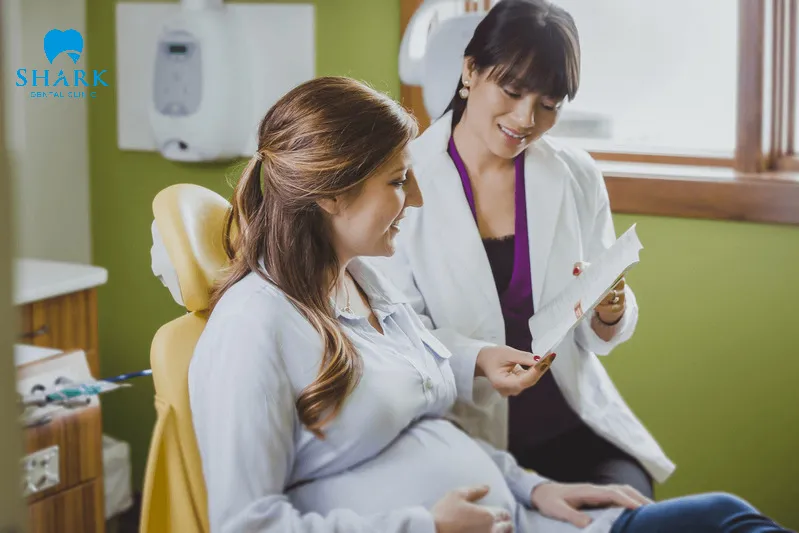
The second trimester is widely regarded as the optimal or “golden” period for performing dental procedures, including tooth fillings. During this stage, fetal development has become more stable, and common pregnancy symptoms such as nausea and fatigue tend to decrease significantly.
As a result, expectant mothers typically feel more comfortable, are better able to tolerate dental procedures, and can cooperate more effectively throughout the treatment process.
Third trimester dental care precautions
The third trimester is generally not considered an ideal time for dental fillings, particularly for procedures that are lengthy or complex. At this stage, the mother’s body becomes more sensitive, fatigue increases, and maintaining a reclined position in the dental chair for extended periods may be uncomfortable.
Instead, priority should be given to maintaining proper oral care at home through the following measures:
- Maintain proper oral hygiene: Brush your teeth at least twice daily using appropriate techniques, and combine this with dental floss to effectively clean between teeth and remove food debris.
- Use safe mouthwash: Choose alcohol-free mouthwash products to minimize irritation and protect sensitive oral tissues during pregnancy.
- Adopt a balanced diet: Limit sugary foods and beverages while increasing the intake of calcium- and vitamin-rich foods to help strengthen teeth and support overall oral health.
- Attend regular dental check-ups: If any unusual symptoms such as tooth pain, gum swelling, or discomfort occur, you should visit a dental clinic promptly for examination and timely management.

What happens during a tooth filling procedure while pregnant?
The process of getting a tooth filling during pregnancy is generally similar to a standard procedure; however, certain adjustments are made to ensure maximum safety for both the mother and the developing baby.
- Examination and assessment: The dentist carefully evaluates the condition of the tooth, determines the severity of decay, and identifies the most appropriate timing for treatment.
- Removal of decayed tissue: Damaged or infected tooth structure is thoroughly cleaned and removed to eliminate bacteria and prevent further progression.
- Anesthesia and material selection: Safe and appropriate doses of local anesthesia are used, along with filling materials that are suitable and safe for pregnant patients.
- Placement of the filling: The selected filling material is applied to restore the tooth’s structure, helping to reestablish normal chewing function and protect the remaining tooth.
- Post-treatment guidance: Detailed instructions on diet, oral hygiene, and care are provided to help maintain the effectiveness and longevity of the filling after treatment.
When to contact your dentist about tooth pain during pregnancy?
Tooth pain during pregnancy should never be ignored, as it may indicate underlying conditions that could affect both maternal and fetal health. You should contact your dentist promptly if you experience any of the following signs:
- Persistent tooth pain that does not improve over time
- Swelling in the gums or facial area
- Sensitivity or discomfort when eating or drinking
- The presence of pus or a persistent unpleasant odor in the mouth
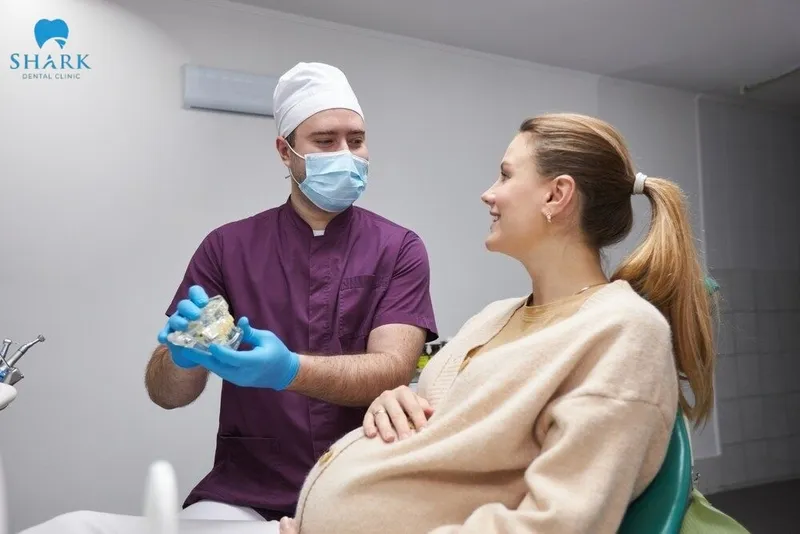
With the question “can I get a tooth filling while pregnant?” you now have a clear and well-informed answer based on the information shared above. Tooth fillings during pregnancy can be safely performed when the timing is appropriate and when all professional instructions are carefully followed. If you still have any concerns or questions related to this topic, do not hesitate to contact Shark Dental Clinic via hotline 1800 2069 for detailed consultation and prompt support from the professional team.