

Having a bright, white smile is a common desire for many people, especially those with stained or discolored teeth that affect overall aesthetics. However, after a period of using porcelain veneers, they may gradually lose their shine and become dull or slightly discolored over time. So, can you whiten veneers? Let’s explore the detailed explanation with Shark Dental Clinic in the article below.
Can you whiten veneers using traditional bleaching treatments?
The answer to ” Can you whiten veneers using conventional whitening methods?” is no—you cannot whiten dental veneers with traditional bleaching treatments. This is because whitening products typically contain active agents that are designed to work on natural tooth enamel. In contrast, dental veneer materials are non-porous and do not absorb these whitening agents, so the treatment does not produce any noticeable effect.
In addition, the surface of veneers is dense, smooth, and highly polished. When whitening products come into contact with this surface, they are unable to penetrate or adhere effectively, and instead are simply washed away without altering the internal color of the veneers. For this reason, conventional teeth whitening methods are not suitable for improving the color of dental veneers.
Do dental veneers stain or change color over time?
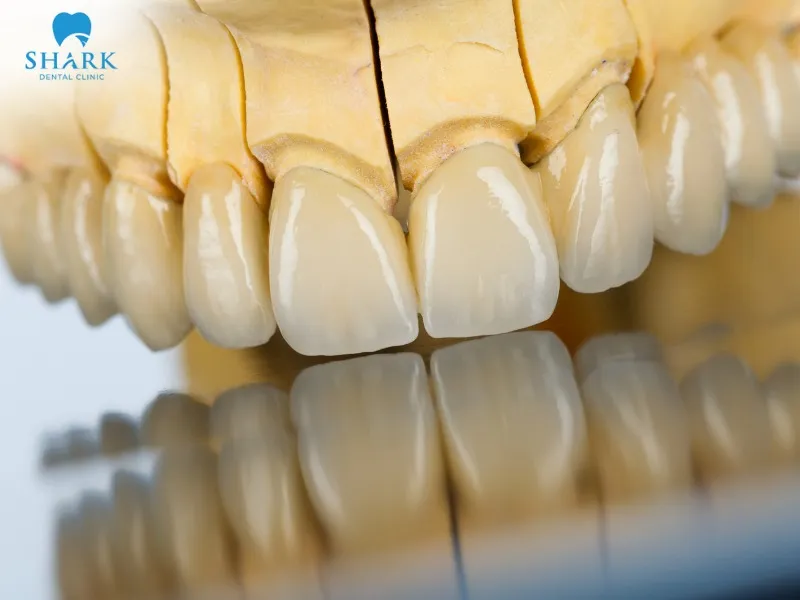
High-quality all-ceramic veneers generally have excellent stain resistance and are unlikely to change color or become yellow over time. However, thinner or lower-quality veneer materials with weaker stain resistance may gradually discolor after prolonged use.
During daily eating and drinking habits, veneers are exposed to pigmented foods and beverages. Over time, this exposure can lead to surface staining, especially if proper care and maintenance are not followed. Understanding how to clean veneers properly is therefore essential in maintaining their original appearance and preventing discoloration.
>>> See more: How long do porcelain veneers last?
What causes veneer discoloration?
Veneer discoloration or uneven color changes can occur due to several common factors:
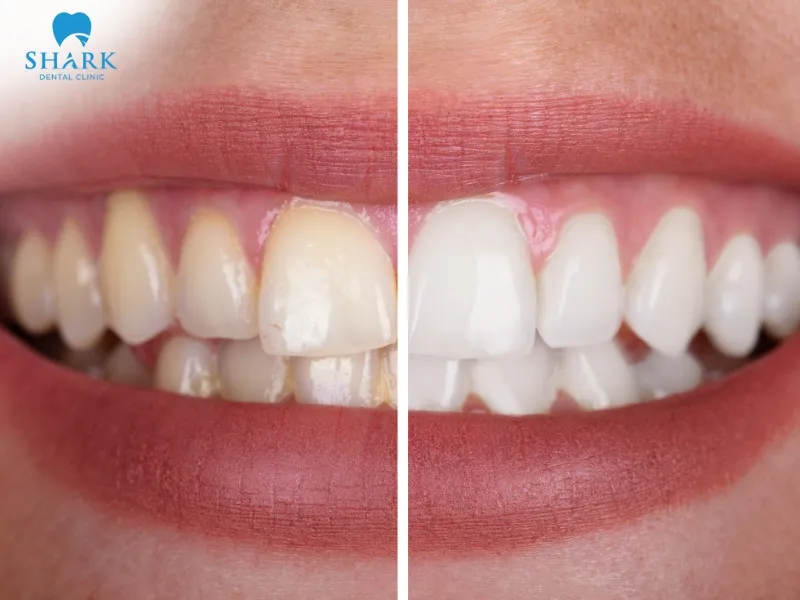
- Plaque buildup and staining from food and beverages: Dark-colored foods and drinks such as tea, coffee, and carbonated beverages can gradually create surface stains on veneers. If oral hygiene is not maintained properly and consistently, these stains may accumulate over time, causing the veneers to appear dull, yellowish, or less aesthetically pleasing than their original condition.
- Quality of veneer materials: The type and quality of veneer material used play a significant role in color stability. Some metal-based veneers or lower-quality materials may develop darkened margins along the gum line or become visibly discolored after several years of use, affecting the overall appearance of the smile.
- Gum recession: During long-term use, gum recession may occur due to inflammation or underlying oral health issues. When the gums recede, the root portion of the natural tooth may become exposed. Since this area typically has a more yellow tone, it can create a noticeable color difference, making the veneers appear uneven and less natural.
- Initial shade selection: If the veneer shade chosen at the beginning does not harmonize well with the natural teeth or the individual’s skin tone, the result may appear less balanced or slightly dull over time. This mismatch can become more noticeable as lighting conditions and surrounding teeth influence the overall visual effect.
Why can’t veneers be whitened like natural teeth?
You cannot whiten veneers in the same way as natural teeth using whitening products. This is because whitening agents contain substances such as Hydrogen Peroxide, which create an oxidation reaction on natural tooth enamel.
Meanwhile, veneers are essentially made from inorganic materials and have a durable, polished outer surface. This protective layer prevents whitening agents from accessing or interacting with the internal structure of the veneers. As a result, whitening products cannot change the color of veneers.
If whitening products are used on veneers, they may instead make the color difference between the veneers and natural teeth more noticeable, causing the overall appearance to become less uniform and less aesthetic. Therefore, whitening methods are not effective for veneers.
Safe options to restore veneer brightness
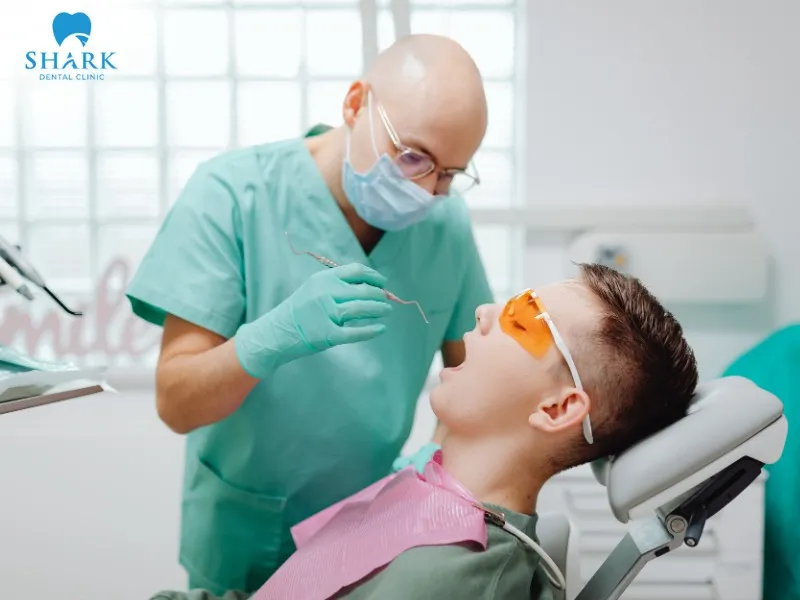
Although the answer to can you whiten veneers is no when using traditional whitening treatments, you can still help restore and maintain the brightness of veneers through several appropriate and safe methods as follows:
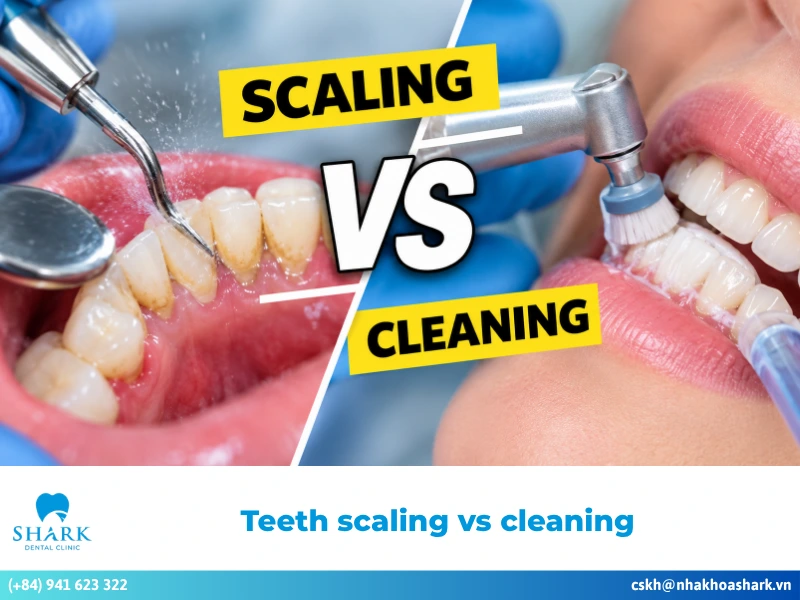
- Professional cleaning and polishing: You should maintain regular oral hygiene visits and have your veneers professionally cleaned and polished at a dental clinic. The dentist will help remove plaque and surface stains, allowing the veneer surface to become smoother, shinier, and more aesthetically pleasing.
- Replacing old veneers: If veneers have been used for a long time and their surface has become dull or discolored, you may consider replacing them with new ones. This is an effective restorative solution that helps ensure a brighter, more uniform, and aesthetically improved smile.
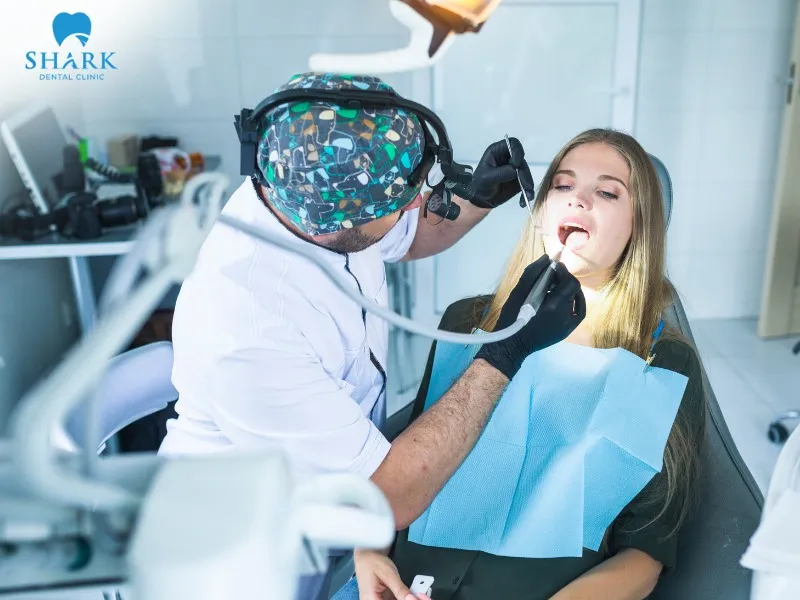
- Gum adjustment: In cases where gum recession exposes the tooth root and causes uneven color, gum adjustment may be necessary. The dentist will perform appropriate procedures to cover the exposed root area, helping the overall tooth color appear more even and balanced.
How to prevent veneers from staining?
Proper daily care and maintenance can effectively help prevent veneers from becoming stained or discolored over time:
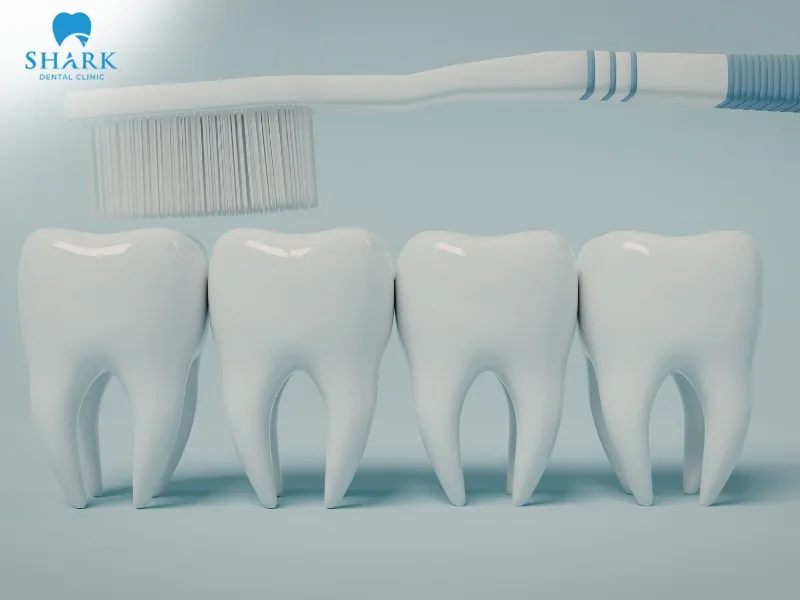
- Maintain good oral hygiene: You should clean your veneers daily using a soft-bristle toothbrush. Pay attention to brushing all tooth surfaces thoroughly, moving from the inner to the outer areas to ensure that food debris and plaque are effectively removed from the oral cavity. Understanding how to clean veneers properly plays an important role in preserving their appearance.
- Limit dark-colored foods and beverages: You should reduce the consumption of strongly pigmented foods and drinks such as coffee, tea, and tobacco. Alternatively, using a straw can help reduce direct contact between veneers and staining substances.
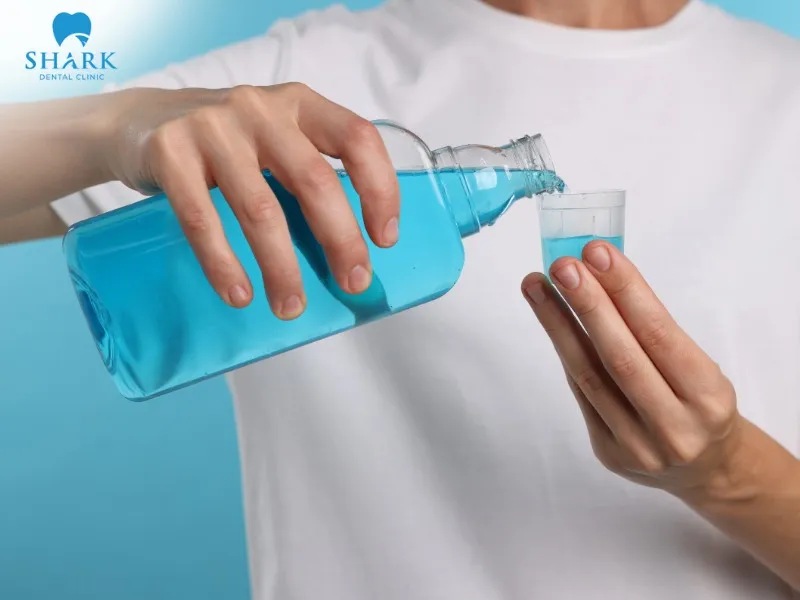
- Rinse your mouth after eating: After meals or drinks, you should develop the habit of rinsing your mouth to help wash away pigments that may cause discoloration on the veneers.
The question of can you whiten veneers has been clearly explained in the article above. Veneers are considered an effective solution for restoring dental aesthetics and are widely chosen today. Hopefully, this information provides useful insights, helping you better understand how to care for and maintain your veneers to preserve a bright and natural-looking smile.