
Best permanent tooth filling cement plays an important role in restoring the structure of the tooth and maintaining long-term chewing function and durability. However, among the wide range of dental materials currently available, many people still wonder which material is best suited for their specific condition. To gain a clearer and more comprehensive understanding of this topic, you can refer to the detailed explanation provided in the article below by Shark Dental Clinic!
What is the best permanent tooth filling cement?
Permanent dental cement is a specialized material used in dentistry to securely fix crowns, bridges, or to restore and seal damaged tooth structures over a long period of time. This type of cement typically comes in a powder form that, when mixed with a liquid component, creates a moldable consistency. Once applied to the tooth, it quickly hardens, forming a durable and stable bond that helps retain restorations or replace lost tooth structure effectively.
In reality, there is no single material that can be universally defined as the best permanent tooth filling cement for every case. In modern dentistry, the selection of cement depends on several clinical factors, including the location of the tooth, the type of restoration being used, and the condition of the remaining tooth structure. An ideal dental cement is generally evaluated based on key criteria such as strong adhesion, high resistance to chewing forces, low solubility in the oral environment, and overall safety and compatibility with natural tooth tissues.
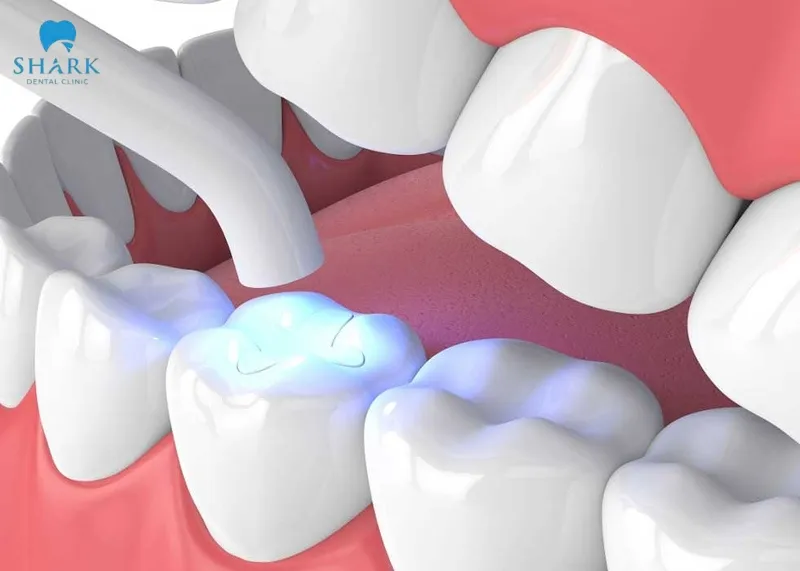
Types of permanent tooth filling cement used in dentistry
Below are some of the most commonly used types of permanent tooth filling cement in dentistry, each offering distinct characteristics and advantages depending on the clinical situation:
Resin cement for permanent tooth fillings
Resin cement is considered a premium material in modern dentistry and is widely recognized for its exceptionally strong bonding ability between natural tooth structures and dental restorations. Thanks to both chemical and micromechanical adhesion mechanisms, resin cement provides long-term stability and significantly reduces the risk of debonding or displacement over time.
In addition to its strength, resin cement also offers excellent aesthetic properties. Its color can closely match that of natural teeth, making it particularly suitable for front tooth filling or all-ceramic restorations where appearance is a priority. This combination of durability and aesthetics makes resin cement a preferred choice in many advanced restorative procedures.
Glass ionomer cement for tooth fillings
Glass ionomer cement (GIC) is a commonly used material due to its safety profile and its ability to actively support tooth protection. One of its most notable features is the continuous release of fluoride, which helps strengthen enamel and reduces the risk of recurrent tooth decay over time.
Another advantage of GIC is its ability to chemically bond directly to the tooth structure without requiring complex preparation steps, thereby simplifying the procedure and reducing treatment time. However, this material has certain limitations, including lower mechanical strength and reduced resistance to heavy chewing forces. As a result, it is typically used for baby teeth, areas near the gumline, or locations that are not subjected to high biting pressure.
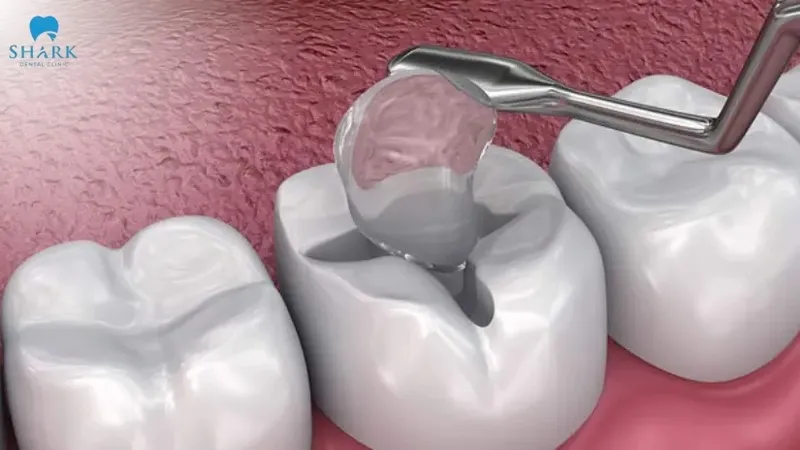
Resin-modified glass ionomer cement in restorative dentistry
Resin-modified glass ionomer cement (RMGIC) is an enhanced version of traditional glass ionomer cement, developed by incorporating resin components to improve its physical properties. This modification significantly increases its strength and resistance to wear, allowing for broader clinical applications compared to conventional GIC.
RMGIC maintains the key benefits of fluoride release and biocompatibility while also offering improved moisture tolerance, which is especially useful in the oral environment where complete dryness can be difficult to achieve. Because it balances durability, ease of use, and biological safety, RMGIC is often considered a versatile and reliable option in restorative dentistry.
Traditional dental cements for permanent fillings
Traditional dental cements, such as zinc phosphate and zinc polycarboxylate, were once widely used in dentistry due to their affordability and straightforward handling characteristics. These materials provide moderate strength and can be suitable for certain basic restorative applications.
However, compared to newer materials, traditional cements generally have weaker adhesive properties, are more susceptible to dissolution in the oral environment, and do not meet modern aesthetic expectations. For these reasons, their use today is more limited and typically reserved for simple cases or situations where cost considerations are a priority.
Permanent vs temporary dental cement for tooth fillings
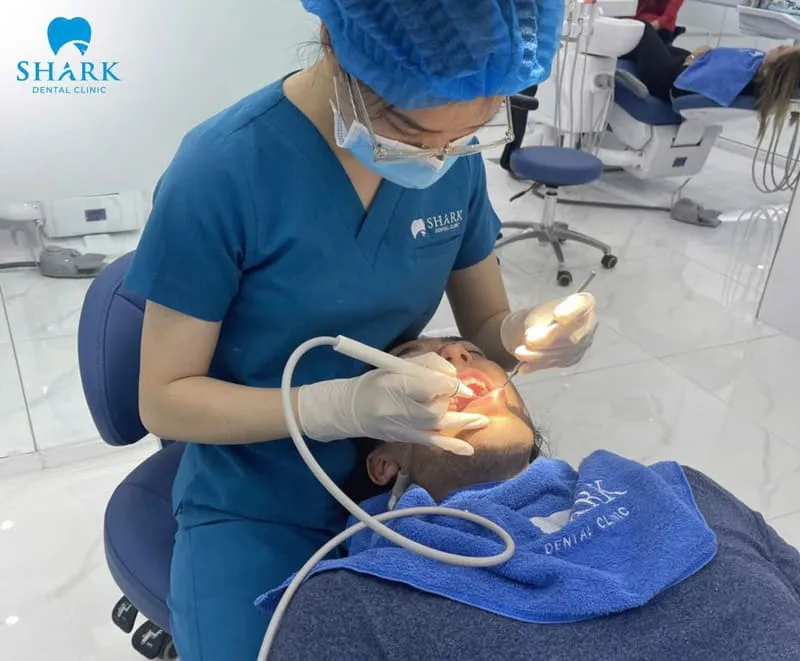
In the treatment of tooth decay, cracks, or fractures, dentists commonly use two types of filling materials: temporary and permanent dental cement. Each type serves a distinct purpose within the overall treatment plan. When considering the best permanent tooth filling cement, it is essential to understand how it differs from temporary materials and when each option is appropriately used. You can refer to the comparative information provided below.
- Duration of use: Temporary fillings are designed for short-term use, typically lasting from a few days to a few weeks before being replaced with a definitive restoration. In contrast, permanent dental cement is intended for long-term durability and can remain functional for many years when properly maintained.
- Materials used: Temporary cement is usually made from softer, more easily removable materials such as eugenol-based compounds, allowing dentists to replace it conveniently during follow-up treatments. On the other hand, permanent fillings utilize stronger and more durable materials such as composite tooth filling, amalgam, or porcelain to ensure long-lasting performance and structural stability.
- Purpose of treatment: Temporary fillings are often used as an interim solution to protect the tooth during ongoing treatment, such as between stages of root canal therapy or while monitoring the tooth’s condition. Permanent fillings, by contrast, represent the final stage of treatment, aiming to restore full chewing function and provide long-term protection for the tooth.
- Durability and resistance: Temporary materials have relatively low strength and are more prone to wear, dislodgement, or breakdown under chewing forces. Permanent dental cements, however, offer stronger adhesion, better resistance to pressure, and greater stability within the oral environment, making them suitable for extended use.
Based on the severity of tooth damage and the overall treatment plan, the dentist will carefully evaluate whether a temporary filling is needed initially or if a permanent restoration can be placed right away. This decision helps ensure optimal long-term outcomes while preserving as much natural tooth structure as possible.
Strength of different dental filling cements
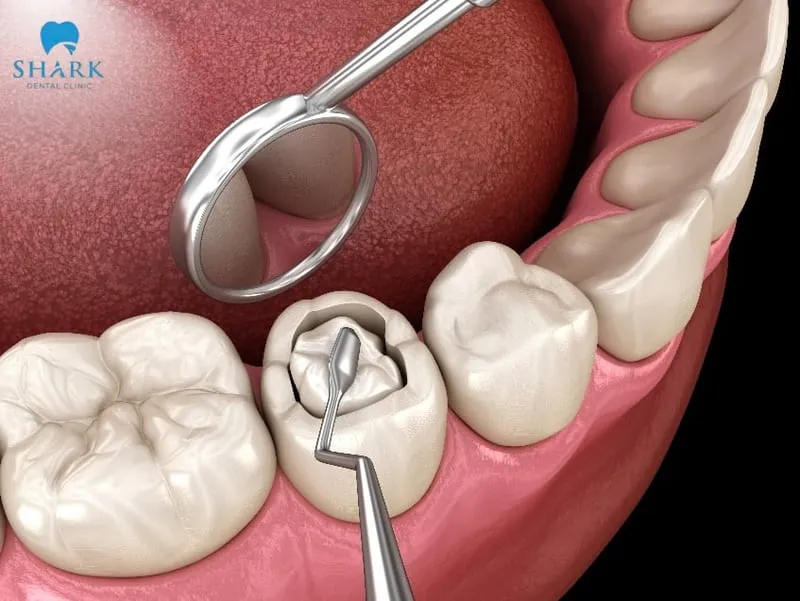
The strength of dental cement is a critical factor that directly affects the effectiveness and lifespan of a filling. Different types of dental cements offer varying levels of durability, making them suitable for different clinical situations and tooth positions:
- Resin cement: Resin cement is considered one of the strongest options available today. It provides excellent bonding strength and high resistance to chewing forces, making it especially suitable for areas subjected to significant bite pressure, such as molars.
- Resin-modified glass ionomer cement (RMGIC): This material offers improved durability compared to traditional glass ionomer cement due to the addition of resin components. It achieves a balance between mechanical strength and biological safety, while still maintaining beneficial properties such as fluoride release.
- Glass ionomer cement (GIC): GIC has moderate strength and is less resistant to heavy chewing forces. Therefore, it is typically used in areas with lower bite pressure. However, its ability to release fluoride makes it valuable for helping prevent further tooth decay.
- Traditional dental cement: Conventional cements generally have lower durability compared to modern materials and can be more affected by the oral environment over time. As a result, they are mainly used in simpler cases or when cost considerations are a priority.
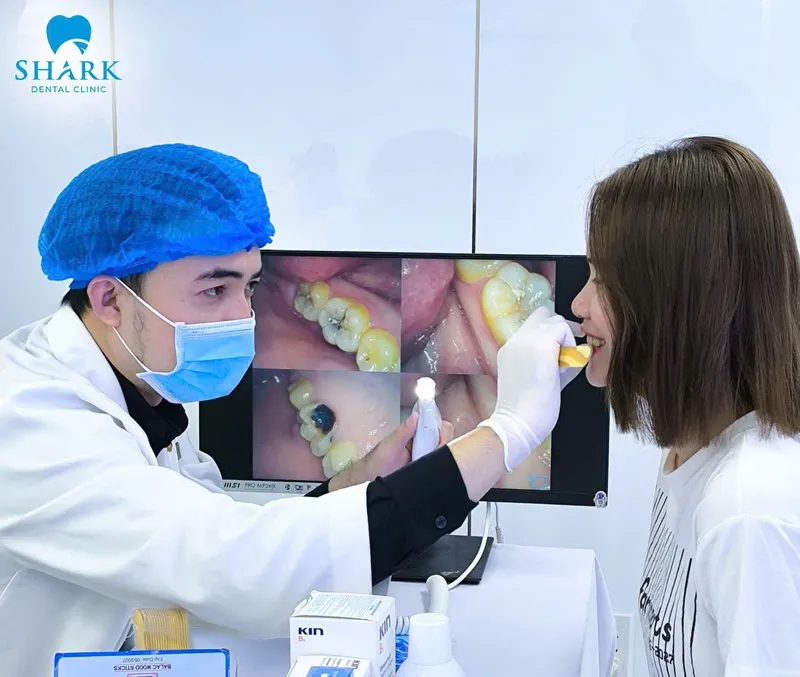
In summary, identifying the best permanent tooth filling cement depends on multiple factors, including the tooth’s location, the extent of damage, and the specific treatment goals. Each material has its own advantages and is most effective when selected and applied according to proper clinical indications, under the guidance of a dental professional.