

Is tooth extraction painful is a common concern for many people when considering this treatment. Thanks to modern technology and specialized techniques performed by experienced dentists, the process of wisdom tooth extraction is usually quick and does not cause excessive pain or discomfort. Refer to the insights shared by dental specialists below to better understand and safely apply modern wisdom tooth extraction methods.
Is tooth extraction painful?
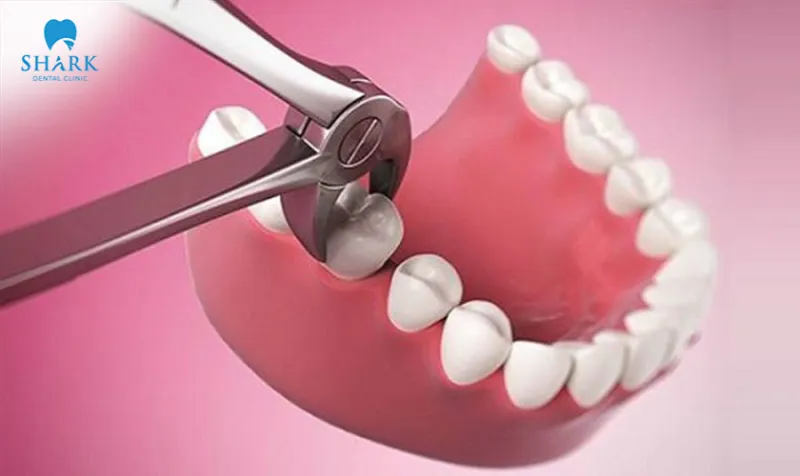
The question “Is tooth extraction painful?” is one that concerns and worries many people before undergoing treatment. In reality, during a tooth extraction procedure, there is an impact on and slight invasion into the tooth root structure, so some level of discomfort or pain can occur. To remove the tooth from the socket, the dentist needs to separate the tooth root and perform certain manipulations inside the socket area.
However, with the advancement of modern equipment and dental technology, tooth extraction today is carried out in a safe, quick, and much gentler manner than before. During the procedure, local anesthesia is used to significantly reduce pain. After the extraction is completed, the dentist will prescribe pain relief medication and provide detailed instructions on how to care for the area, helping the healing process occur as quickly and smoothly as possible while minimizing discomfort and any negative effects on overall health.
In general, tooth extraction can cause some pain, but the level is usually tolerable and manageable. Patients can feel reassured when choosing reputable dental clinics, as proper techniques and care will help ensure a safe procedure and reduce unwanted complications or discomfort.

Factors influencing pain during extraction
The level of pain experienced during tooth extraction can vary from mild to more noticeable, depending on several different factors:
- Complexity of the tooth: In cases where teeth are impacted, misaligned, or have complex root structures, the procedure may require more intervention, such as gum incision or bone manipulation. This can lead to more discomfort compared to simple extractions. In contrast, teeth with straightforward structures are easier to remove and usually involve less pain.
- Presence of infection or inflammation: If the tooth and surrounding gum tissue are already swollen, inflamed, or infected, the dentist may need to both extract the tooth and treat the existing condition simultaneously. It is also vital to follow all aftercare instructions carefully to prevent a new infection after tooth extraction, as this condition can significantly increase the level of discomfort compared to normal healing cases.
- Dentist’s skill and technique: A key factor in determining whether tooth extraction is painful is the dentist’s expertise. A highly skilled dentist can perform the procedure quickly, accurately, and gently, minimizing trauma to surrounding tissues and reducing pain as well as post-extraction complications.
- Post-extraction care and hygiene: Proper aftercare is vital for pain control and recovery. For instance, choosing to drink milk after tooth extraction provides nutrients without irritating the wound. Neglecting diet or hygiene can delay healing and prolong discomfort.
- Individual sensitivity and health condition: Each person has a different pain tolerance and healing ability. Individuals with sensitive constitutions or underlying conditions such as cardiovascular disease or diabetes may experience slower healing, increased swelling, and more prolonged discomfort after extraction.
How long does tooth extraction pain last?
Typically, after a tooth extraction—especially wisdom tooth removal—pain may last for about 2–3 days and then gradually subside over time. The first 24 hours are usually the most uncomfortable period, as the anesthesia wears off and the body begins responding to the procedure.
Dentists will usually prescribe appropriate pain relief medication to help stabilize the wound and keep patients as comfortable as possible during recovery.
The healing and pain reduction process generally follows these stages:
- First 24 hours after extraction: As the anesthesia wears off, patients may feel pain and swelling at the extraction site. Since pain tolerance varies from person to person, it is important to inform the dentist if the discomfort becomes excessive.
- After 2–3 days: Swelling in the mouth and cheeks may still be present but will gradually decrease. During this period, patients should focus on eating soft, easy-to-swallow foods and avoid irritation to the area.
- After 7–14 days: Pain is usually completely resolved, and the gum tissue continues to heal. Patients should continue to follow the dentist’s instructions for proper care and daily activities.
How to manage pain after tooth extractions?
After a tooth extraction, it is common for patients to experience mild to moderate, or even more noticeable, levels of pain. To manage and control this discomfort quickly, safely, and effectively, several practical methods can be applied as follows:
- Cold compress: Applying a cold compress is an effective way to reduce both pain and swelling. The low temperature helps constrict blood vessels, thereby decreasing blood flow to the injured area and limiting inflammation. You can simply prepare some ice, wrap it in a clean cloth, and gently apply it to the outside of the extraction site. In cases of more intense pain or swelling, applying the cold compress regularly can help improve comfort more quickly.
- Use of pain relief medication: Pain after tooth extraction can be significantly reduced when using medication appropriately. Dentists will prescribe suitable pain relievers based on each individual case. It is important to take the medication exactly as instructed to ensure safety and to minimize any potential negative effects on overall health.
- Proper oral hygiene care: In the first few days after extraction, patients should avoid brushing directly over the extraction site or rinsing the mouth too forcefully. After this initial period, it is important to maintain oral hygiene by eating soft foods and gently cleaning the teeth with a soft-bristled toothbrush. Proper care will help prevent complications and support faster healing while also reducing discomfort effectively.
- Consuming cool and soothing foods: After tooth extraction, it is recommended to consume cool, soft foods such as yogurt or certain fruits. These foods can help soothe the extraction area, reduce irritation, and ease the sensation of pain at the affected site.

In summary, the common concern regarding is tooth extraction painful? and how to manage discomfort afterward has been clearly addressed. With proper care and modern pain management methods, patients can feel more at ease and less anxious about the procedure, while also being able to choose safe and reliable dental clinics for effective treatment.
>>> See more: What are the best foods after tooth extraction?