

A cavity front tooth is a serious dental condition that can progress quickly and, in some cases, may even lead to tooth loss if left untreated. Because the front teeth play an important role in both appearance and daily functions such as biting and speaking, decay in this area can significantly affect oral health and confidence. So, what causes a front tooth cavity, what treatment options are available, and how can it be prevented effectively? Let’s explore the detailed answers in the article below!
What is a cavity front tooth?
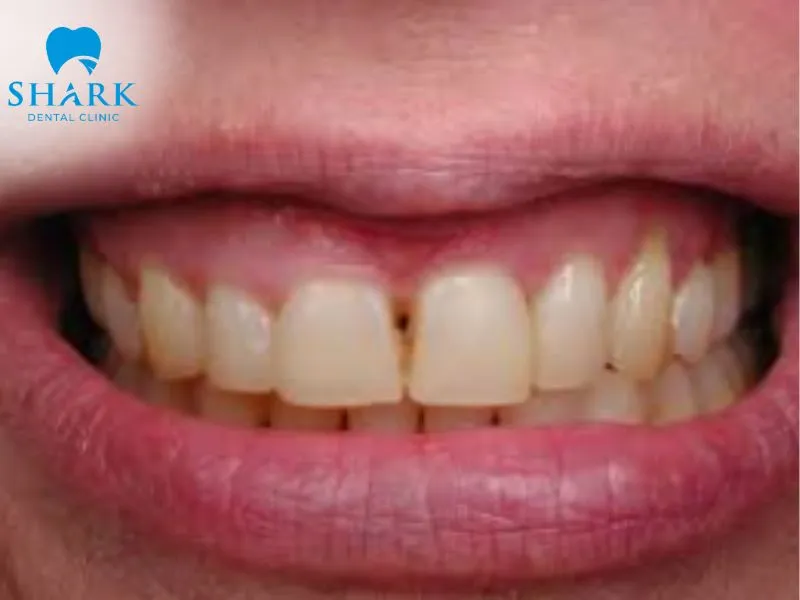
A cavity front tooth refers to tooth decay that affects the front teeth, resulting from damage to the hard dental tissues, including the enamel and dentin, caused by the demineralization process triggered by bacteria in the mouth. Because the front teeth are located at the center of the dental arch and play a major role in the appearance of your smile, decay in this area can significantly affect dental aesthetics. When a cavity front tooth develops, small discolored spots or tiny holes may appear on the tooth surface, making the smile look less attractive and reducing confidence.
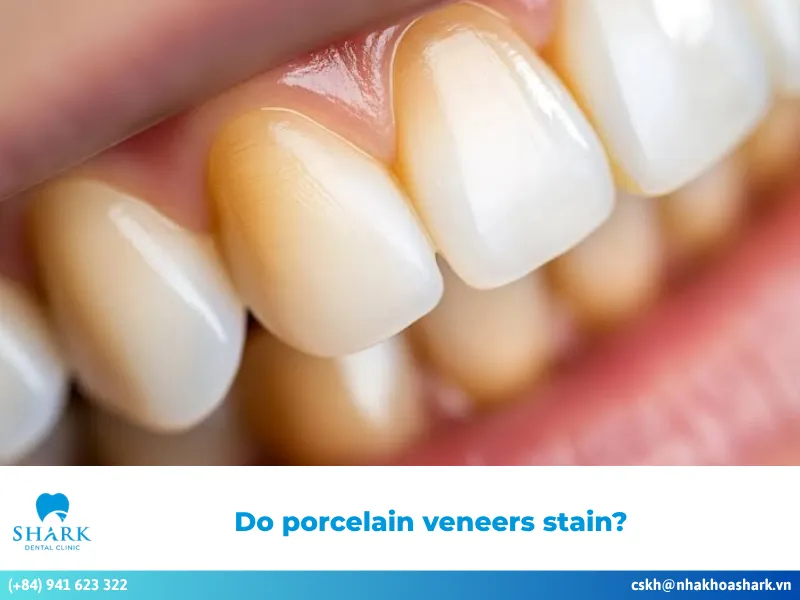
Front teeth have relatively thin enamel and are highly visible when smiling and speaking, making even small areas of decay more noticeable. Due to these anatomical characteristics, decay in front teeth often begins between the teeth or on the inner surfaces, where it may be harder to notice. When favorable conditions allow bacteria to thrive, the decay process can progress more rapidly, causing the cavity to gradually turn brown or dark in color and become increasingly noticeable from an aesthetic standpoint.
What causes a cavity in a front tooth?
A cavity front tooth is typically characterized by the appearance of small holes or dark spots on the tooth surface, often accompanied by tooth sensitivity, discomfort, or pain. The condition usually develops when the enamel and dentin become damaged and are no longer able to effectively resist bacterial attack.
Below are some of the most common causes of a cavity front tooth:
- Dietary habits: An unhealthy diet that includes excessive amounts of sugary foods, candies, sweet beverages, or acidic foods is one of the most common causes of tooth decay. These foods create an ideal environment for bacteria to thrive, produce acids, and gradually erode the protective enamel layer covering the teeth.
- Poor oral hygiene: Inadequate oral care and failure to thoroughly remove food particles and plaque from the mouth can significantly increase the risk of tooth decay. Food debris that remains trapped around the teeth for extended periods can break down and become a source of nutrients for harmful bacteria, leading to decay and other oral health problems.
- Tartar buildup: Tartar is essentially hardened plaque that forms when food deposits and bacterial buildup remain on the tooth surface for a prolonged period without being properly removed. Tartar provides an ideal shelter for bacteria and can contribute to a higher risk of cavities, gum inflammation, and other dental issues.
- Fluoride deficiency: Fluoride is an important mineral that helps strengthen enamel and dentin while protecting teeth from bacterial attacks and acid erosion. When the body does not receive sufficient fluoride, the tooth structure may become more vulnerable, making it easier for cavities to develop.
- Chipped or cracked front teeth: Trauma, accidents, or external impacts can cause front teeth to crack, chip, or fracture. If these damaged areas are not restored promptly, the resulting crevices can become entry points where bacteria accumulate, multiply, and eventually cause tooth decay.
- Dry mouth: Long-term reduction in saliva production is another common factor associated with tooth decay. Saliva plays an important role in naturally cleansing the mouth by washing away food particles, neutralizing acids, and helping control harmful bacteria. When saliva flow decreases, bacteria can become more active and increase the likelihood of developing a cavity front tooth and other oral infections.

How to treat a cavity on a front tooth?
A cavity front tooth can often be treated effectively, depending on the severity of the decay and the extent of damage to the tooth structure. Below are some of the most common treatment options that may be recommended by a dentist:
- Dental fillings: For a cavity front tooth that is still in its early stages, cosmetic dental front tooth filling are often considered an effective and conservative solution. The dentist will first remove all decayed and infected tooth tissue before placing a tooth-colored filling material over the affected area. This helps restore the tooth’s shape, function, and appearance while preventing the decay from progressing further.
- Dental crowns: If the front tooth has sustained significant structural damage or if the decay has affected the dental pulp, a dental porcelain crowns front teeth may be recommended. Dental crowns are designed to closely match the size, shape, and color of natural teeth while providing long-term strength and protection. This treatment helps restore both aesthetics and function while preserving the remaining healthy tooth structure.
- Root canal treatment: When a cavity front tooth progresses to the point where the pulp becomes infected or inflamed, root canal therapy may be necessary. Severe decay can cause persistent tooth sensitivity and pain ranging from mild discomfort to intense toothaches. During treatment, the dentist removes the infected pulp tissue, thoroughly cleans the root canal system, and seals the canals to prevent further infection.
- Tooth extraction: In cases of advanced front tooth decay where the tooth structure has been extensively destroyed and can no longer be restored, extraction may be the final treatment option. After the tooth is removed, replacing it with an appropriate restoration may be considered to help maintain oral function and reduce the risk of jawbone deterioration over time.

How can I prevent a front tooth cavity?
Preventing a cavity front tooth is often much easier than treating one. You can follow the useful preventive measures below to maintain good oral health and reduce the risk of tooth decay.
- Brush your teeth regularly: To keep your front teeth healthy and free from decay, it is important to brush your teeth at least two to three times a day, especially after meals. Using a soft-bristled toothbrush and a fluoride-containing toothpaste can help remove plaque effectively while strengthening enamel and reducing the risk of cavities.

- Clean between your teeth: One of the most common areas where cavity-causing bacteria tend to accumulate is between the teeth. For this reason, brushing alone may not be enough. In addition to regular brushing, you should use interdental brushes, a water flosser, or dental floss to thoroughly clean these spaces and effectively remove food debris and plaque that may remain trapped between the teeth.
- Use mouthwash: You should make it a habit to rinse your mouth with diluted saltwater or an antiseptic mouthwash two to three times a day. Regular mouth rinsing helps clean the oral cavity more effectively, wash away leftover food particles, and reduce the presence of harmful bacteria, thereby helping to prevent tooth decay and oral infections.
- Maintain a healthy diet: Besides consuming a balanced and nutritious diet, you should limit foods that are high in sugar or acid, as well as beverages containing stimulants, alcohol, or caffeine. These substances can encourage oral bacteria to produce acids that gradually weaken and damage tooth enamel, increasing the risk of developing a cavity front tooth.
- Increase calcium-rich foods: Consider adding more foods rich in calcium and vitamin D to your daily meal plan. These nutrients are highly beneficial for oral health and help strengthen the structure of your teeth. Some examples include yogurt, cheese, plant-based milk alternatives, and other calcium-rich foods that support stronger and healthier teeth.

- Avoid harmful habits: Habits such as tearing food with your front teeth, using your teeth to open bottle caps, or exposing your teeth to unnecessary force can lead to cracks, chips, or other forms of damage. Therefore, it is important to minimize external impacts on your teeth and eliminate these habits to help protect the natural tooth structure.
- Attend regular dental checkups: You should visit your dentist according to scheduled appointments or maintain routine dental examinations every three to six months. During these visits, the dentist can assess your overall oral health, remove tartar buildup when necessary, and identify early signs of decay before small cavities develop into more serious dental problems.

In summary, these are the key causes, treatment methods, and preventive measures related to a cavity front tooth. Through the information shared above, Shark Dental Clinic hopes you have gained a better understanding of this condition and acquired useful knowledge to care for your teeth properly, prevent tooth decay, and maintain a healthy, strong, and confident smile.