

As people enter adulthood, the eruption of wisdom teeth often becomes a source of concern due to the many problems these teeth can cause. In addition to pain, swelling, and discomfort in the jaw, some individuals may also experience a wisdom tooth headache that affects their daily activities and overall well-being. So, what causes headaches associated with wisdom teeth, and what are the common signs to look out for? Let’s explore the detailed answers in the article below!
What causes a wisdom tooth headache?
A wisdom tooth headache is not an uncommon condition. When wisdom teeth erupt, especially if they are impacted, partially erupted wisdom tooth, or growing in an abnormal position, they can trigger pain that extends beyond the mouth and jaw. Below are some of the most common causes:
- Pressure on surrounding nerves: Wisdom teeth are located at the very back of the dental arch. As they develop and erupt, they can place pressure on important nerves that run through the jaw. This pressure may cause pain that radiates beyond the tooth itself, leading to a wisdom tooth headache, as well as discomfort in the temples, jaw, and other areas of the face.
- Pressure on nearby sinus cavities: When a wisdom tooth develops in the upper jaw, the roots and crown of the tooth may be positioned close to the maxillary sinuses. As the tooth continues to grow, it can place pressure on these adjacent sinus cavities. This may result in symptoms such as sinus congestion, sinus pain, facial pressure, and a wisdom tooth headache that can feel similar to a sinus headache.
- Pericoronitis and dental abscesses: Partially erupted or misaligned wisdom teeth can increase the risk of pericoronitis and dental abscesses. When infection develops, pus and inflammation may build up around the tooth and surrounding tissues. This infected area can place pressure on nearby nerves, causing pain that spreads from the jaw to the head and contributes to a persistent wisdom tooth headache.
- Jaw muscle tension and spasms: Some cases of wisdom tooth headache are related to tension in the chewing muscles. Because wisdom tooth pain can make chewing uncomfortable, many people unconsciously tighten or clench their jaw muscles to avoid aggravating the affected area. This prolonged muscle tension may lead to jaw soreness, facial discomfort, and headaches.
- Sleep disturbances: Wisdom tooth pain often becomes more noticeable during the evening and nighttime hours. Ongoing discomfort can make it difficult to fall asleep or stay asleep, resulting in poor sleep quality or insomnia. Over time, sleep deprivation can contribute significantly to the development of a wisdom tooth headache, making the symptoms feel even more severe and persistent.

Signs that headaches may be caused by wisdom teeth
Headaches are a common symptom that can result from many different causes. However, in some cases, a wisdom tooth headache may develop as a direct result of wisdom tooth eruption, impaction, or misalignment. The following signs may indicate that your headache is related to a wisdom tooth issue:
- Sinus-like headaches: When an upper wisdom tooth is impacted or grows at an abnormal angle, it can create significant pressure within the jaw and surrounding tissues. This pressure may trigger inflammation that spreads throughout the facial region, resulting in a wisdom tooth headache that closely resembles the symptoms of a sinus headache, including facial pressure and discomfort around the cheeks and forehead.
- Migraine-like headaches: Some individuals experience migraine-like symptoms as a result of impacted or misaligned wisdom teeth. The constant pressure generated within the jaw can contribute to a wisdom tooth headache, particularly when combined with sleep disturbances, stress, or anxiety caused by ongoing dental discomfort.
- Headaches accompanied by ear pain: Because wisdom teeth erupt after the jaw has fully developed, their emergence can create substantial pressure within the mouth. This pressure may radiate through nearby nerves and tissues, producing pain that extends beyond the jaw. A wisdom tooth headache is often accompanied by ear pain, and symptoms may become more noticeable while chewing, biting, or speaking.
- Headaches when opening the mouth: Pain that occurs when opening the mouth can be a characteristic sign of a wisdom tooth headache. Jaw movement may stimulate nearby sensory nerves, triggering discomfort that spreads to the head. This symptom is particularly common when a wisdom tooth is partially erupted, impacted, or growing at an angle that places pressure on the jawbone and surrounding structures.

Can impacted wisdom teeth cause headaches?
According to dental professionals, impacted or misaligned wisdom teeth are a common cause of persistent headaches and migraine-like pain. When a wisdom tooth erupts in the wrong position, it can generate significant mechanical pressure within the jaw. This pressure may not only damage surrounding tissues locally but also transmit pain signals through cranial nerve pathways, contributing to a wisdom tooth headache.
- Nerve compression: Wisdom teeth erupt later than other teeth and are located deep in the back corners of the jaw, an area that contains numerous important nerves. When a wisdom tooth becomes impacted or grows at an abnormal angle, it can place pressure on these nerves. As a result, pain signals may travel upward through the face and head, leading to a recurring wisdom tooth headache.
- Jaw muscle tension: Misaligned wisdom teeth often press against the adjacent second molars. In response to the discomfort, the jaw muscles may become tense as the body attempts to minimize pain during chewing. Continuous muscle tension can activate facial muscle groups and contribute to the development of a wisdom tooth headache, along with jaw soreness and facial fatigue.
- Bite misalignment: An impacted wisdom tooth can push against neighboring teeth and gradually alter their position. This movement may lead to bite misalignment, forcing the jaw joints and chewing muscles to work harder during everyday activities. Over time, the increased strain on the temporomandibular joint (TMJ) and surrounding muscles can trigger a wisdom tooth headache and, in some cases, recurring migraine-like symptoms.
Can impacted wisdom teeth cause headaches?
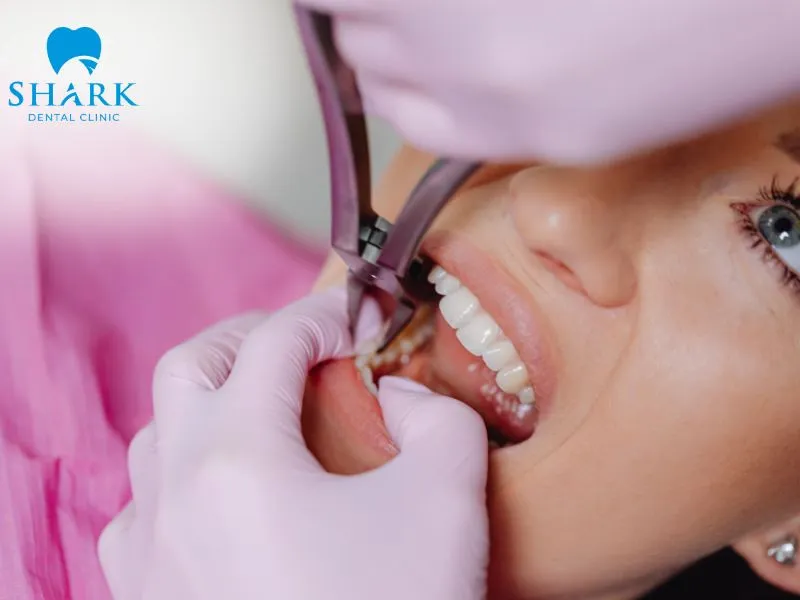
If a wisdom tooth headache is caused by an impacted, misaligned, or improperly erupting wisdom tooth, extraction can often be an effective solution. Once the impacted wisdom tooth extraction, pressure on the jaw and surrounding structures is eliminated, jaw muscles can gradually relax, and any associated inflammation or infection can be addressed. As a result, headache symptoms may lessen over time and eventually resolve.
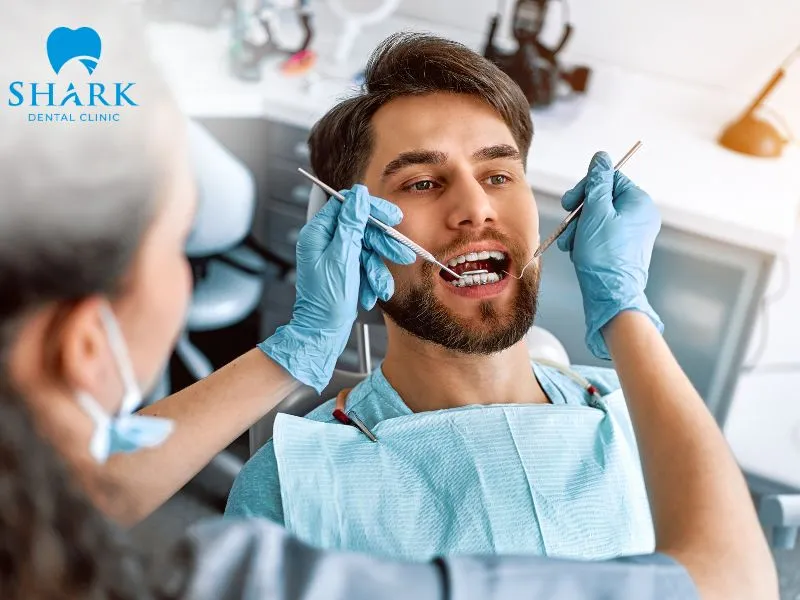
However, wisdom tooth extraction should only be performed after a thorough dental examination, including appropriate X-rays and an evaluation by a qualified dentist or oral surgeon. It is also important to determine whether the headache is actually related to the wisdom tooth, as headaches can have many different causes. Identifying the correct source of the pain allows the dentist to recommend the most suitable treatment while helping ensure patient safety and comfort.
In summary, this article has explained some of the common causes and symptoms of a wisdom tooth headache. This is a relatively common condition that can cause significant discomfort and negatively affect daily activities and overall quality of life. We hope that the information provided has given you a clearer understanding of the connection between wisdom teeth and headaches, helping you make informed decisions and respond appropriately when these symptoms occur.