
The appearance of wisdom teeth often causes concern for many people, as they can be accompanied by discomfort, swelling, and persistent pain. In addition to impacted and misaligned wisdom teeth, a partially impacted wisdom tooth is another common condition that attracts significant attention. Because only part of the tooth emerges through the gum tissue, it can create various oral health problems if not monitored and managed properly. So, what exactly is a partially erupted wisdom tooth, what risks can it pose, and how is it treated? Let’s explore these questions in detail in the article below!
What is a partially erupted wisdom tooth?
A partially erupted wisdom tooth is a condition in which the third molar (wisdom tooth) has partially erupted into the oral cavity, but a portion of the tooth crown remains trapped beneath the gum tissue. This is not an uncommon occurrence, as wisdom teeth typically erupt much later in life, when the jawbone structure has already stabilized, making it more difficult for them to emerge fully and align properly like other teeth.
According to dental professionals, when a partially erupted wisdom tooth only emerges through the gums to a limited extent, it can unintentionally create an opening within the oral cavity. Although this area may be partially covered by gum tissue, it can easily trap food particles and bacteria. As a result, the risk of tooth decay, gum inflammation, and other potentially serious oral infections may increase significantly.

Can I leave a partially erupted wisdom tooth?
A partially impacted wisdom tooth cannot always be left in place and may need to be extracted in certain situations, as recommended by a dentist. If the wisdom tooth is growing in a straight position, has a stable structure, and does not place pressure on adjacent teeth, it may be possible to keep it. However, if the tooth erupts at an angle or begins to affect the neighboring second molar, extraction is often recommended to help prevent inflammation, infection, and other oral health complications.
The risks of partially erupted wisdom teeth
A partially erupted wisdom tooth that has only emerged through the gums while remaining partially covered by gum tissue can become a potential threat to overall oral health. In certain cases, this condition requires timely examination and treatment to help prevent the following risks and complications:
Dental pain
When a partially erupted wisdom tooth begins to emerge, persistent and recurring tooth pain is a common symptom. This condition can cause localized swelling of the gum tissue surrounding the tooth, resulting in discomfort and irritation. The inflamed area may also place pressure on the nerves around the tooth root, leading to ongoing soreness, tenderness, and sensitivity. As a result, many individuals experience continuous toothaches, discomfort while eating or speaking, and an overall reduction in their quality of life due to the persistent pain and irritation.

Infection
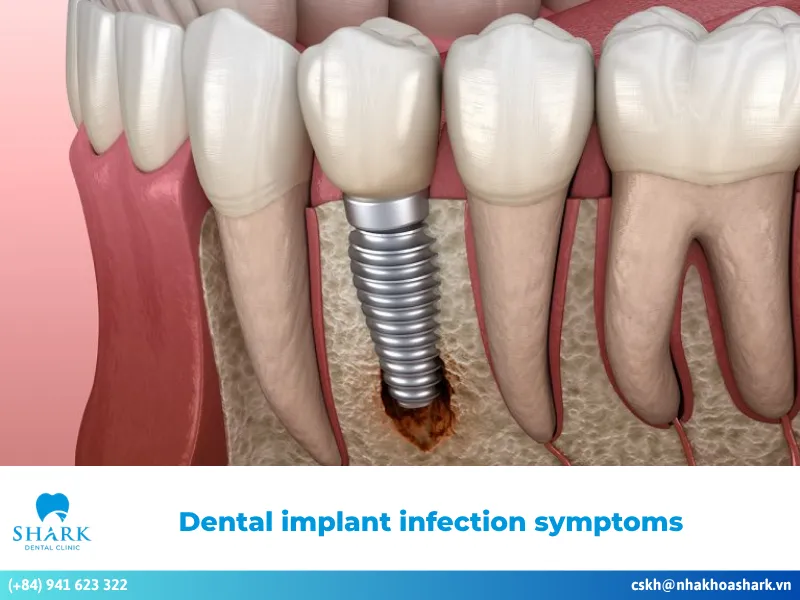
When a partially erupted wisdom tooth is unable to fully emerge through the gum line, it can create a small pocket or space around the tooth. This area easily traps food debris and bacteria and is often difficult to clean effectively with routine oral hygiene practices. As a result, the risk of gum inflammation and infection can increase significantly. If an infection develops, patients may experience symptoms such as a high fever, swollen lymph nodes in the neck, foul-smelling pus discharge, persistent swelling, and considerable discomfort. Furthermore, leaving this untreated before surgery can significantly increase your risk of developing a secondary infection after tooth extraction.
Shifting of teeth
A partially erupted wisdom tooth often grows at an angle or in an improper position. As it continues to develop, it may exert pressure on the adjacent second molar, causing nearby teeth to shift out of alignment. This condition should be addressed promptly to help prevent bite irregularities and unwanted tooth movement. In some cases, tooth shifting may affect facial aesthetics and alter the natural balance of the dental arch over time.
How to treat a partially erupted wisdom tooth?
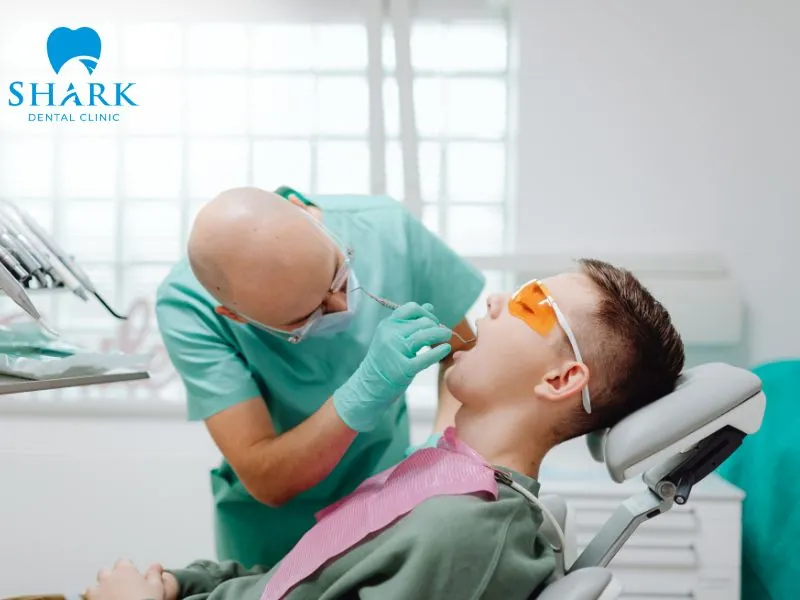
To effectively manage a partially impacted wisdom tooth, a dentist will first perform a thorough clinical examination and evaluate the tooth’s position using diagnostic imaging when necessary. Based on the findings, the dentist may recommend one of several treatment options to ensure optimal oral health and safety:
- Operculectomy (Removal of excess gum tissue): This procedure may be recommended when a partially erupted wisdom tooth is growing in a straight position and is not causing crowding or pressure on neighboring teeth. After administering local anesthesia, the dentist uses a surgical instrument or specialized laser technology to remove the excess gum tissue covering the tooth.
- Wisdom tooth extraction: If a partially erupted wisdom tooth is angled toward the second molar, causing pain, crowding, or significant infection, extraction is often the most appropriate treatment. The dentist will thoroughly clean the oral cavity, create access to the tooth by opening the gum tissue if necessary, and carefully remove the tooth and its roots. This helps relieve pain, eliminate the source of infection, and prevent future complications.
- Local anti-inflammatory and antibiotic treatment: For patients experiencing swelling, pus formation, or inflammation around the gum tissue covering the wisdom tooth, the dentist may prescribe appropriate pain-relief medications, antibiotics, and anti-inflammatory drugs.

Why does a partially erupted wisdom tooth cause pain?
A partially erupted wisdom tooth can cause pain ranging from mild discomfort to severe, persistent pain, and the intensity may vary from person to person. Several factors contribute to this condition, including the following:
- Pressure on surrounding tissues and nerves: As a partially impacted wisdom tooth emerges, it often places pressure on the surrounding gum tissue and adjacent teeth. This pressure can affect the network of nerves beneath the tooth socket, leading to pain that may radiate toward the ear, temple, and even the side of the head. This is one of the most common reasons many people experience widespread discomfort when a wisdom tooth begins to erupt.
- Irritation and swelling of the gum flap: As the wisdom tooth continues pushing upward, it may repeatedly rub against the opposing tooth. This constant friction can irritate the gum flap covering the tooth, causing swelling and inflammation. As a result, the affected area may become ulcerated, making the wound more sensitive and increasing feelings of pain, soreness, and discomfort.
- Acute inflammatory response: When bacteria accumulate within the gum pocket surrounding a partially erupted wisdom tooth, an acute inflammatory reaction can occur. This is a primary cause of sharp, recurring pain within the mouth. In many cases, the pain tends to become more intense during the evening or at night.

In summary, a partially erupted wisdom tooth is a common dental condition that can lead to several complications, including tooth pain, infection, and tooth shifting. Depending on the specific situation, a dentist will evaluate the condition carefully and recommend the most appropriate treatment option. Hopefully, the information shared above has helped you better understand partially erupted wisdom teeth and how to maintain proper oral care for long-term dental health.