

A silver crown tooth is a dental restoration option that has been chosen by many patients thanks to its excellent durability and cost-effective price. However, not everyone fully understands how this restoration works, what its advantages and disadvantages are, or whether it is the right solution for their specific oral condition and treatment needs. If you are considering this treatment option, the article below from Shark Dental Clinic will provide you with a more comprehensive understanding of silver crown teeth, helping you better evaluate their benefits, limitations, and suitability before making an informed decision.
What are silver dental crowns?
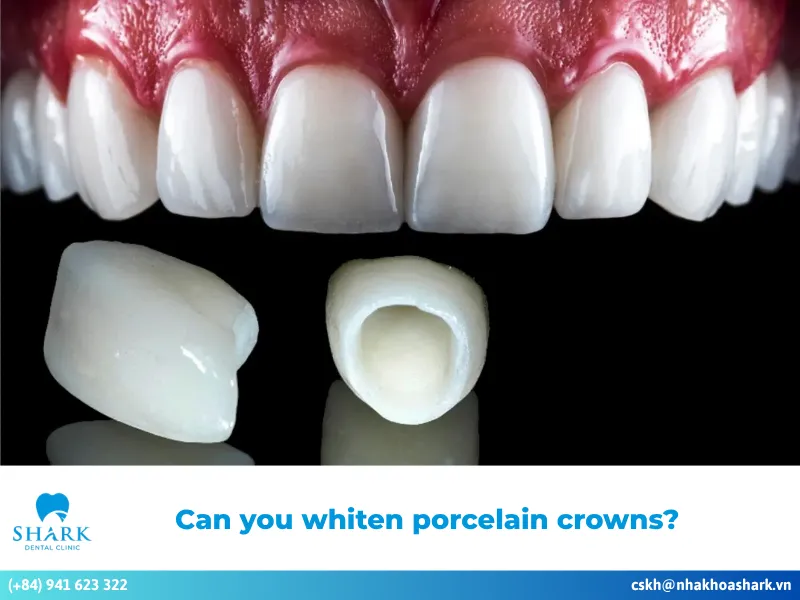
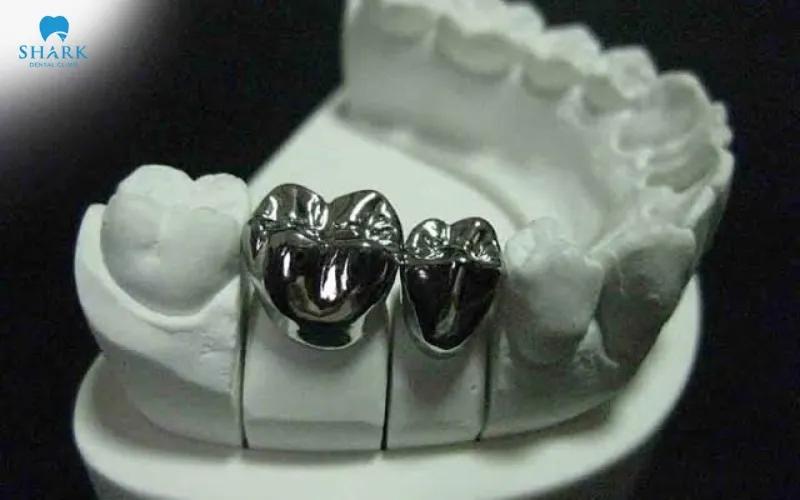
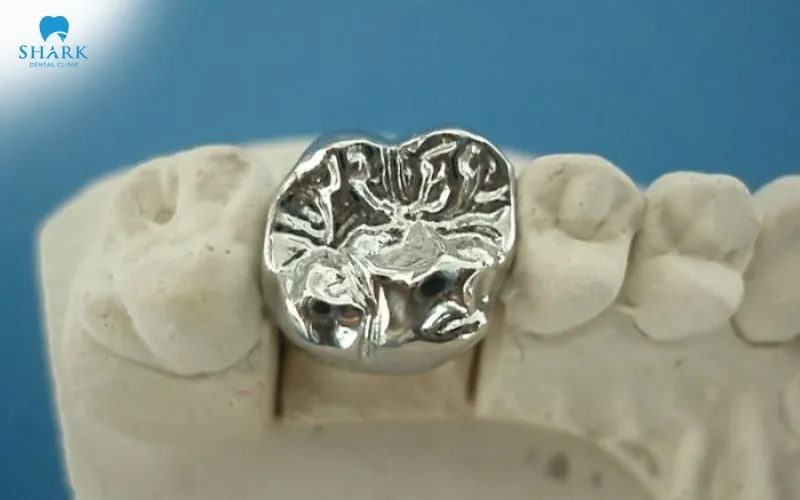
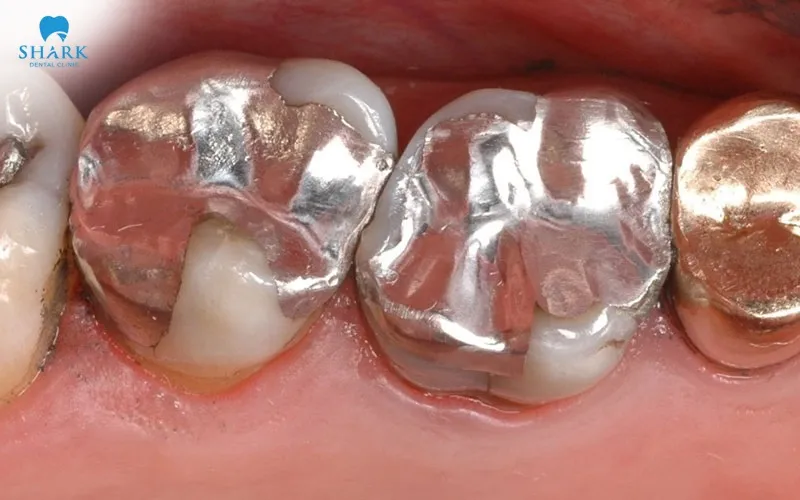
Silver dental crowns are dental restorations made from silver-colored metal alloys or crowns with a silver-colored metallic finish to cover a prepared natural tooth. This restoration is designed to restore the tooth’s shape, chewing function, and structural strength while protecting teeth that have been damaged by tooth decay, chips, fractures, or weakened tooth structure.
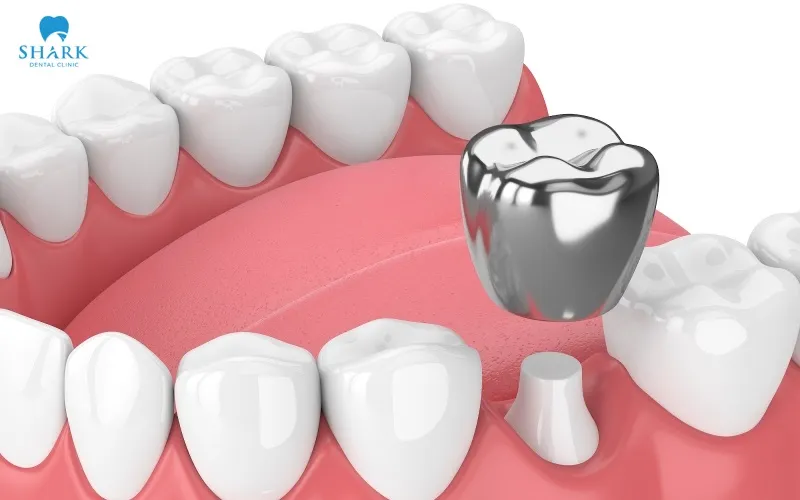
Similar to porcelain crowns, before placing a silver dental crown, the dentist will carefully reshape and remove a suitable amount of natural tooth structure to create enough space for the crown to fit securely over the prepared tooth. The silver crown is then permanently cemented in place using specialized dental materials, helping restore normal chewing function while providing long-term stability and protection for the tooth.
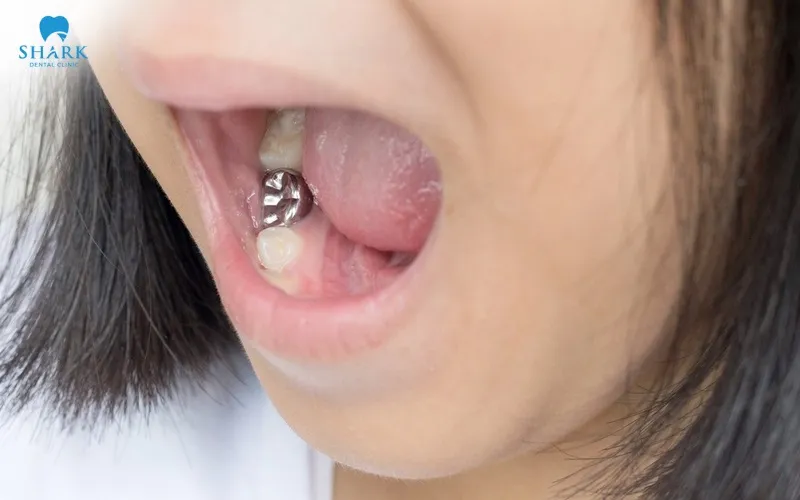
Compared with today’s aesthetic porcelain crowns, silver crown teeth are generally more affordable while still offering good durability and reliable chewing performance. However, because their metallic color is more noticeable when smiling or speaking, they are typically recommended for the back molars rather than alternative options like porcelain crowns front teeth, where aesthetics are a higher priority.
Advantages and disadvantages of silver tooth crowns
Silver tooth crowns have long been a popular restorative option because of their durability and cost-effectiveness. Although newer aesthetic materials are now widely available, this type of dental crown continues to offer several important advantages that patients may consider when choosing a suitable restoration.
Advantages
- High durability: Silver tooth crowns provide excellent strength and can withstand substantial chewing forces during everyday use. They are highly resistant to chipping and fracture, making them particularly suitable for restoring molars, where biting pressure is greatest.
- Cost-effective treatment: Compared with many modern aesthetic dental crowns, silver crown teeth are available at a more affordable cost. This makes them a practical restoration option for patients who want to restore tooth function while keeping treatment expenses within a reasonable budget.
- Effective restoration of chewing function: The strong metal alloy used to fabricate silver tooth crowns provides excellent durability and stability, allowing patients to bite, tear, and chew food much more comfortably while restoring chewing function to a level that is close to normal.
- Long service life: With proper daily care and regular dental checkups, silver crown teeth can remain stable and functional for many years, providing a durable, long-term restorative solution.
- Versatile applications: Silver tooth crowns can be used in a wide variety of restorative dental treatments, including single dental crowns, dental bridges, and the restoration of teeth that have suffered extensive structural damage.
Disadvantages
- Limited aesthetics: The metallic color of silver crown teeth can be easily noticeable when smiling or speaking. For this reason, they are generally not recommended for front teeth, where achieving a natural-looking appearance is more important.
- Risk of darkened gum margins: After prolonged use, the gum tissue surrounding a silver crown tooth may gradually become discolored or develop dark margins, affecting the overall appearance of the restoration.
- May cause irritation in some cases: People who are sensitive to certain metals may experience irritation or discomfort after receiving silver tooth crowns. Although this is uncommon, it should be considered before treatment.
- Thermal expansion and contraction: Metal crowns may expand and contract when repeatedly exposed to hot and cold temperatures. Over time, this can affect how closely the crown fits against the natural tooth.
- Less aesthetic than all-ceramic crowns: Compared with modern all-ceramic crowns, silver crown teeth do not provide the same natural color or translucency as real teeth, making them a less aesthetic restoration option.
Is mercury used in silver crown teeth?
The answer is no. Silver crown teeth generally do not contain mercury, despite what many people mistakenly believe. This common misconception comes from the fact that silver-colored dental crowns have a similar appearance to silver amalgam fillings, which were widely used in dental treatment in the past.
In fact, mercury is primarily used in dental amalgam filling materials, where it acts as a binding agent that combines with other metals to create a strong and durable filling material. By comparison, modern silver crown teeth are typically fabricated from stainless steel or dental metal alloys containing chromium, nickel, and iron. These materials are selected for their excellent strength, durability, and ability to withstand the forces generated during everyday chewing.
Therefore, if you choose a silver crown tooth, you generally do not need to be concerned about mercury being present in the crown itself. However, to ensure the restoration is both safe and appropriate for your specific oral condition, you should visit a reputable dental clinic and discuss the restorative materials directly with your dentist before undergoing treatment. This allows your dentist to recommend the most suitable option based on your individual dental needs and overall oral health.
The process of fitting a silver tooth crown
To ensure a silver crown tooth fits securely over the natural tooth while providing reliable chewing function and long-term durability, the restoration procedure is typically carried out through the following steps:
- Step 1 – Comprehensive examination and assessment: The dentist will first perform a comprehensive oral examination and take dental X-rays to evaluate the condition of the teeth and jawbone. If any oral health problems, such as tooth decay, gum disease, or pulp inflammation, are detected, these conditions will be treated before proceeding with the silver crown tooth restoration.
- Step 2 – Oral cleaning and tooth preparation: Once your oral health has been stabilized, the dentist will thoroughly clean your mouth and carefully reshape a suitable amount of the natural tooth structure. This creates sufficient space for the silver crown tooth to fit securely over the prepared tooth.
- Step 3 – Dental impressions and crown fabrication: Dental impressions are taken using specialized equipment or modern technology to accurately capture the size, shape, and contours of the tooth requiring restoration. Based on these measurements, the dental technician will fabricate a custom silver crown tooth that is tailored to fit each patient’s specific dental anatomy.
- Step 4 – Temporary crown placement and monitoring: While the permanent silver crown tooth is being fabricated, a temporary crown will be placed to maintain your appearance and preserve basic chewing function. During this period, the dentist will also provide detailed instructions on how to care for and protect the prepared natural tooth.
- Step 5 – Permanent silver crown placement: Once the permanent silver crown tooth has been completed, the dentist will carefully evaluate its fit, color, and bite alignment before permanently cementing it in place with a specialized dental adhesive. Finall y, you will receive aftercare instructions, and a follow-up appointment will be scheduled to monitor the outcome of the restoration.
How much does a silver crown tooth cost?
The cost of a silver crown tooth typically ranges from $38 to $190 per tooth, depending on the type of crown selected, the patient’s current oral condition, and the pricing policy of the dental clinic providing the treatment.
This price range is generally considered reasonable and affordable, making it a suitable option for many patients who wish to restore damaged teeth and improve their chewing function. However, the actual cost may vary if you require treatment for existing dental conditions, such as tooth decay or gum disease, before the crown can be placed, or if additional dental procedures are needed as part of the treatment process. To receive an accurate cost estimate based on your individual oral condition, you should visit a reputable dental clinic where the dentist can perform a comprehensive examination, provide professional consultation, and develop a personalized treatment plan that best suits your needs.

Aftercare after silver crown tooth restoration
Although silver crown teeth offer relatively good durability, they still require proper daily care to maximize their lifespan and maintain stable chewing function over the long term. After your restoration is completed, you should keep the following care recommendations in mind:
- Brush your teeth thoroughly every day using a soft-bristled toothbrush and a suitable toothpaste. When brushing, use gentle vertical or circular motions to effectively remove plaque and food debris while helping protect the surrounding gum tissue from unnecessary irritation or injury.
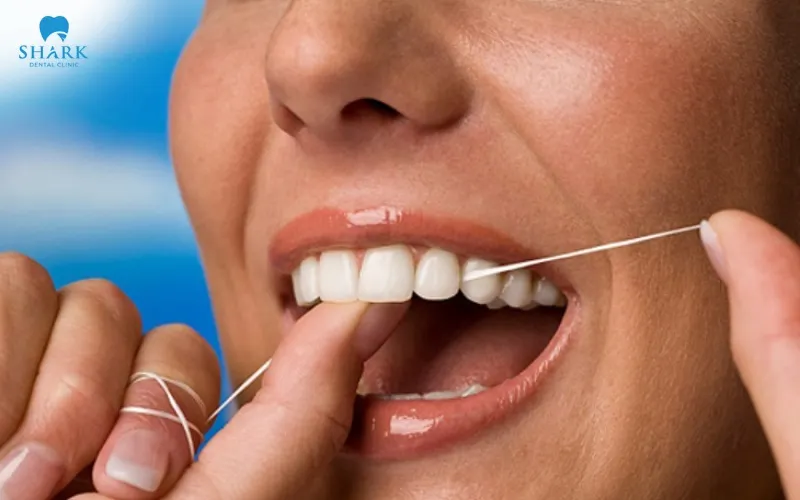
- Use dental floss or a water flosser as part of your daily oral care routine to remove food particles from between the teeth and around the area where the silver crown tooth meets the gum. This helps reduce plaque accumulation and limits the buildup of harmful bacteria around the restoration.
- Rinse your mouth with physiological saline or a mouthwash recommended by your dentist after each meal. This helps keep the oral cavity clean, supports healthy gum tissue, and reduces the accumulation of bacteria around the restored tooth.
- Maintain a balanced and nutritious diet by prioritizing foods that are rich in calcium, vitamin D, and essential minerals to help support long-term oral health. At the same time, try to avoid foods that are excessively hard, very chewy, or overly crunchy, as they may place excessive pressure on the silver crown tooth and affect its long-term durability.
- Limit your intake of carbonated soft drinks, sugary beverages, and drinks containing dark-colored pigments, as they may increase the risk of developing dental problems and can negatively affect the longevity of your dental restoration over time.
- Visit your dental clinic for routine check-ups every 3–6 months so your dentist can monitor the stability and condition of your silver crown tooth, identify any potential issues at an early stage, and recommend appropriate treatment if necessary.
In summary, a silver crown tooth is a restorative solution that not only helps rebuild the shape of a damaged tooth and protect the underlying natural tooth structure, but also effectively restores chewing function. Through the information shared above, Shark Dental Clinic hopes you now have a clearer understanding of this restoration method, allowing you to make a well-informed decision when choosing the treatment option that best matches your oral condition and individual dental needs.
>>> See more: Can you eat after getting a crown?