
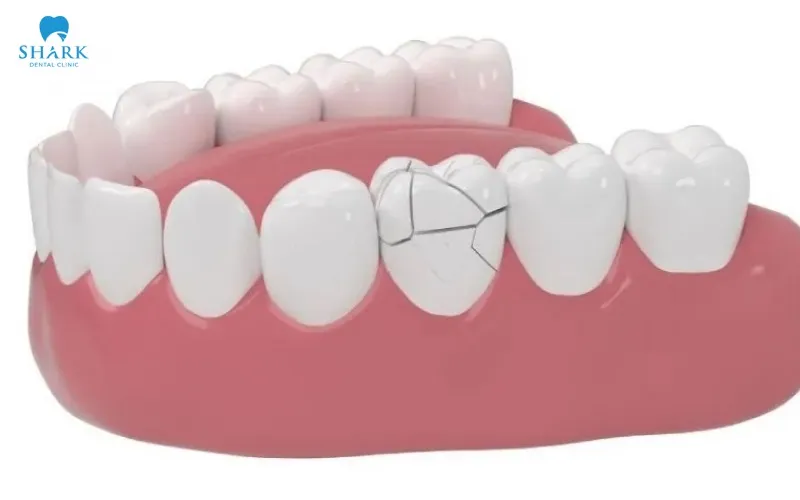
A broken crown tooth is a condition that no one wants to experience, yet it can still occur as a result of strong impacts, accidental trauma, or improper chewing habits. Besides affecting the appearance of your smile and reducing chewing efficiency, a cracked or broken dental crown may expose the natural tooth structure underneath, leading to tooth sensitivity and increasing the risk of developing oral health problems. In the article below, Shark Dental Clinic will provide a detailed overview of the causes of a broken crown tooth, helping you better understand this condition and what you should know about it.
What causes a broken crown tooth?
Dental crowns are designed to be highly durable, helping protect and restore the function of damaged teeth. However, despite their strength, a broken crown tooth can still occur over time due to a variety of factors. A crown may become chipped, cracked, or fractured if it is exposed to excessive force or if the supporting tooth structure becomes weakened. Below are some of the most common causes of a broken crown tooth:
- Natural wear over time: After many years of continuous use, dental crowns are constantly exposed to repeated chewing and biting forces during everyday eating. Over time, the restorative material may gradually weaken as a result of this ongoing pressure. This can cause tiny cracks to develop on the surface of the crown, increasing the risk of a broken crown tooth if the crown is not examined regularly and replaced in a timely manner when necessary.
- Frequently biting or chewing hard objects: Regularly chewing on very hard foods, such as ice cubes, hard nuts, or hard candies, or using your teeth to open bottle caps or bite other hard objects, can place excessive pressure and force on a dental crown. These habits significantly increase the likelihood of the crown becoming chipped, cracked, or fractured over time.
- Teeth grinding or clenching: People who habitually grind or clench their teeth, particularly while sleeping, continuously place excessive pressure on their dental crowns for extended periods. This repeated force is one of the most common reasons for a broken crown tooth, as it may gradually create cracks in the crown and shorten its overall lifespan.
- Poorly fitted dental crown: If a dental crown is not properly fabricated or securely cemented, a small gap may develop between the crown and the natural tooth underneath. This not only causes discomfort while chewing but also makes the crown more likely to loosen, become unstable, and eventually sustain damage during normal daily use.
- Tooth decay beneath the crown: Although a dental crown covers and protects the visible portion of the tooth, the natural tooth underneath can still develop decay if proper oral hygiene is not maintained. As tooth decay gradually weakens the underlying tooth structure, the crown loses the stable support it depends on, making it much more likely to crack, fracture, or become dislodged from its original position.
What should you do if your dental crown breaks?
To minimize damage and protect the natural tooth beneath the restoration, it is important to take appropriate action as soon as you notice a broken crown tooth, whether it is chipped porcelain crowns, cracked, fractured, or has come off completely. Here are the recommended steps:
- Check the condition of the dental crown: Carefully examine whether the dental crown is cracked, partially chipped, or has fallen off completely. At the same time, check whether you are experiencing tooth sensitivity, persistent pain, bleeding, or any other unusual symptoms around the affected area.
- Keep the crown if it has come off: If the dental crown has become detached, store it safely in a clean container and bring it with you when you visit Shark Dental Clinic. This allows the dentist to evaluate whether the existing crown can be reused or determine the most appropriate restoration option for your condition.
- Contact your dentist as soon as possible: A broken crown tooth should not be left untreated for an extended period, as delaying treatment may increase the risk of tooth decay, infection, or further damage to the natural tooth beneath the crown.
- Avoid chewing on the affected side: Avoid chewing with the affected tooth and stay away from hard, chewy, extremely hot, or very cold foods. Doing so can help prevent additional damage and reduce the risk of making the condition more severe.
- Maintain good oral hygiene: Rinse your mouth gently with warm salt water and brush your teeth carefully to keep your mouth clean. Maintaining good oral hygiene also helps reduce bacterial buildup around the damaged crown and supports a healthier oral environment.
- Temporarily protect the damaged tooth: If the broken crown has a sharp edge that causes irritation or rubs against the inside of your mouth, you may use dental wax or a temporary dental material as instructed to reduce discomfort until you are able to see your dentist.

Can a broken crown be repaired?
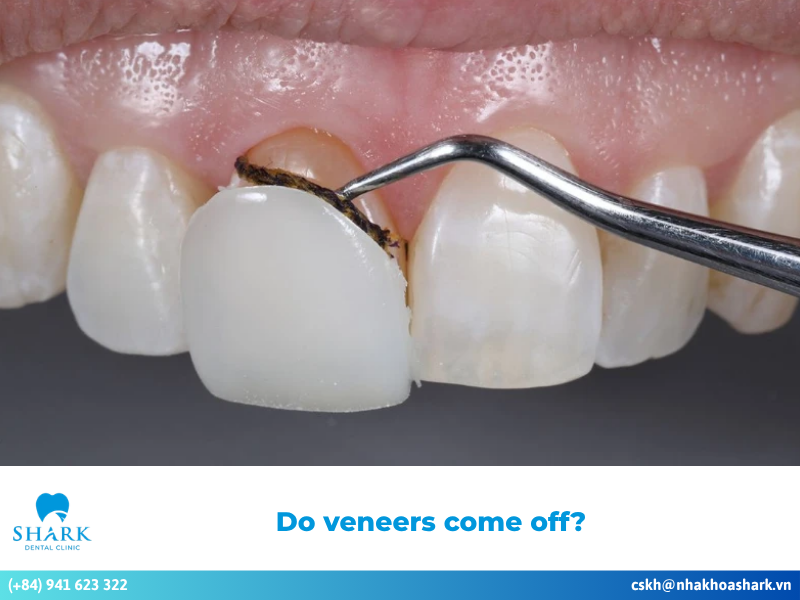
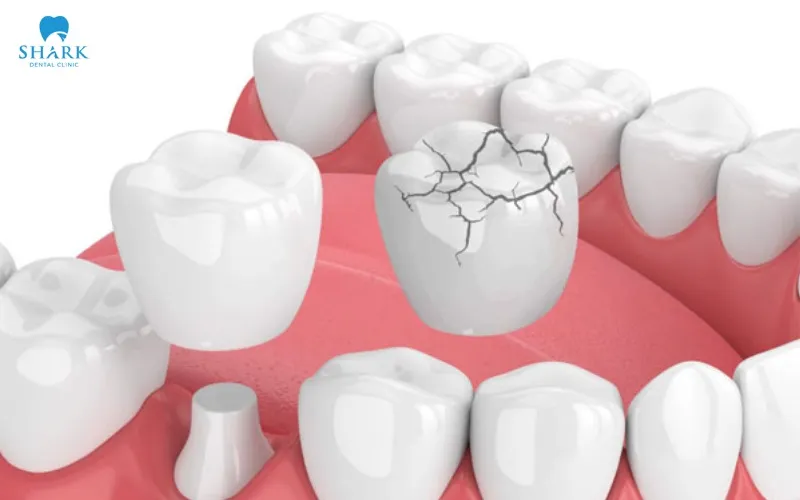
Whether a broken crown can be repaired depends largely on the extent of the damage. If the dental crown is only slightly chipped or has developed small surface cracks, the dentist can often restore it using dental filling materials or specialized bonding agents to rebuild its shape, improve its strength, and preserve its function. If the crown has become loose but remains intact, the dentist may clean the underlying natural tooth thoroughly before re-cementing the crown. This helps restore a secure fit, maintain proper chewing function, and ensure the crown sits comfortably in its original position.
However, if the crown is severely cracked, extensively fractured, significantly deformed, or if the natural tooth beneath has been seriously damaged by decay, replacing the crown with a new one is usually the most appropriate solution. Before recommending the best treatment option, the dentist will perform a comprehensive examination of both the dental crown and the underlying tooth structure to ensure the restoration provides optimal function as well as a natural-looking aesthetic result.
Steps to take when your crown breaks
When a broken crown occurs, taking the appropriate steps as soon as possible can help protect the underlying natural tooth, minimize further damage, and reduce the risk of unwanted complications. Below are the important steps you should follow:
Check and save the fragments
As soon as you notice that your dental crown has broken, carefully examine the extent of the damage and collect any broken fragments if they have become detached. Keeping all of the broken pieces can help your dentist make a more accurate assessment of the crown’s current condition. In some cases, these fragments may also be useful during the repair or restoration process, depending on the extent of the damage.
Clean your mouth
After your dental crown has broken, gently rinse your mouth with warm salt water to help clean the oral cavity and reduce the risk of bacteria entering the affected area. You should continue brushing your teeth as part of your daily oral hygiene routine, but be especially gentle around the damaged crown to avoid placing excessive pressure on the affected tooth or causing further damage.

Protect the exposed tooth
If the broken or cracked crown exposes the natural tooth underneath, you should avoid chewing on the affected side and stay away from foods that are excessively hard, chewy, very hot, or very cold. Doing so can help reduce tooth sensitivity while preventing the exposed tooth from sustaining more serious damage before you receive professional treatment.
Contact your dentist immediately
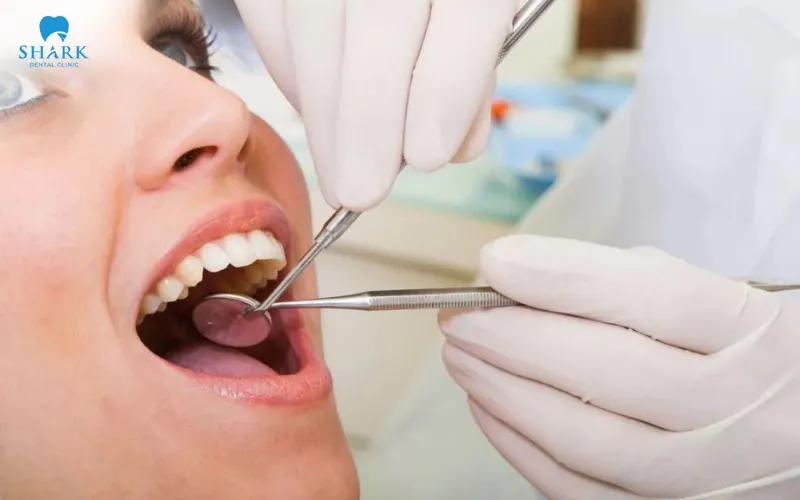
A broken crown should not be left untreated for an extended period, as delaying treatment may increase the risk of tooth decay, pulp inflammation, or infection. Therefore, you should contact your dentist and schedule an appointment as soon as possible so that the crown can be thoroughly examined, the underlying cause can be identified, and the most appropriate treatment plan can be recommended.
How to prevent a dental crown from breaking in the future?
To reduce the risk of a broken crown, a cracked crown, or a crown becoming loose during daily use, it is important to maintain proper oral hygiene habits and avoid activities or habits that may affect the strength, stability, and long-term durability of your dental crown.
- Limit your consumption of excessively hard or sticky foods, such as ice cubes, hard candies, chewy candies, caramel, and similar foods. These foods can place significant pressure on the dental crown during chewing, increasing the likelihood of the crown becoming chipped, cracked, fractured, or even dislodged over time.
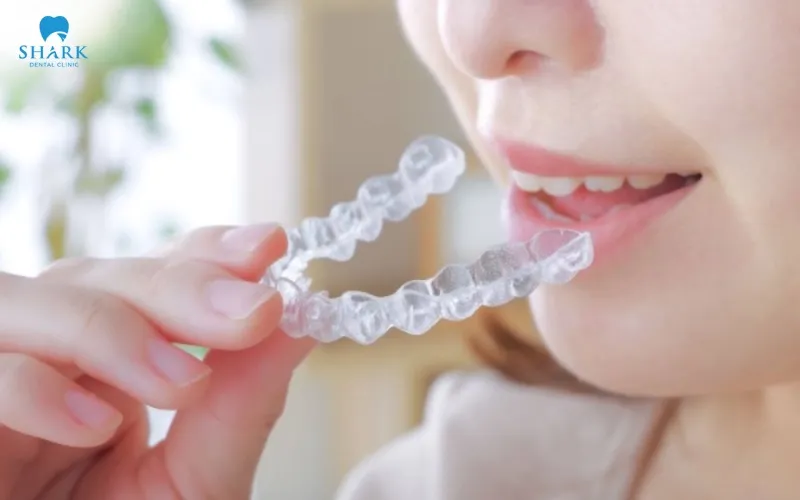
- If you habitually grind or clench your teeth while sleeping, you should wear a custom night guard as recommended by your dentist. A night guard helps reduce the excessive biting forces placed on the dental crown throughout the night, providing more effective protection for both the crown and the underlying natural tooth.
- Maintain a consistent oral hygiene routine by brushing your teeth with a soft-bristle toothbrush at least twice a day. In addition, use dental floss or a water flosser to thoroughly remove plaque and food debris that may accumulate around the edges of the dental crown.
- Use an appropriate mouthwash as part of your daily oral care routine to help control harmful bacteria in the oral cavity. This can reduce the risk of tooth decay developing beneath the crown as well as gum inflammation around the crowned tooth.
- Schedule routine dental checkups every six months so your dentist can carefully examine the fit of your dental crown, identify early signs of wear, cracks, or other damage, and provide timely treatment before the condition becomes more serious.
- Avoid using your teeth to open bottle caps, bite hard objects, or chew on items that are not food. These habits can place unnecessary stress on the dental crown, increasing the risk of damage and significantly shortening its expected lifespan.
A broken crown tooth not only affects the appearance and aesthetics of your smile but can also cause damage to the surrounding soft tissues inside the mouth. If left untreated for an extended period, it may gradually reduce your chewing ability and, more seriously, damage the natural tooth beneath the crown, ultimately affecting your overall oral health. Through the information shared above, Shark Dental Clinic hopes you now have a better understanding of this condition and can confidently care for and protect your oral health in a safe and effective manner.