
Cosmetic dental fillings use modern restorative materials to cover and repair damaged tooth surfaces, helping restore the tooth’s shape, function, and appearance. However, achieving long-lasting aesthetic results depends not only on the filling procedure itself but also on how well you care for your teeth afterward. Following proper tooth filling aftercare practices, maintaining good oral hygiene, and adopting healthy eating habits can help extend the lifespan of your dental filling and preserve your oral health. Let’s explore five simple and effective aftercare for tooth filling tips in the article below.
5 ways to care for a tooth after a dental filling
Dental fillings are considered an effective solution for restoring the appearance and function of teeth that are mildly discolored, chipped, or damaged. However, over time, a filling may become loose, worn, or even detach if it is not properly maintained.
For this reason, following proper tooth filling aftercare is essential to help protect the restoration, maintain oral health, and extend the lifespan of the filling. Below are several important dos and don’ts after a tooth filling that can help you care for your teeth effectively after treatment:
Be gentle
During the first 1–3 days after a dental filling, the tissues surrounding the treated tooth may still be sensitive and require extra care. It is recommended to eat gently and choose foods that are soft, well-cooked, and easy to chew and swallow, such as soup, porridge, broth-based dishes, milk, or fruit juices. You should chew slowly and carefully, avoiding excessive pressure on the filled tooth. Being gentle during this initial healing period can help improve comfort and support successful aftercare for tooth filling procedures.

Avoid eating hard and sticky items
Although the filling is set before you leave the clinic, you should still avoid hard or sticky foods while the tooth feels sensitive or numb. Therefore, after receiving a dental filling, you should avoid hard and sticky foods such as chewy candies, taffy, chewing gum, dried nuts, ice cubes, and similar items. Biting or chewing these foods can place excessive force on the restoration, increasing the risk of cracking, loosening, or dislodging the filling.
>>> See more: How long after filling can I eat normally?
Rinse a couple of times
After meals and before going to bed, you should rinse your mouth with diluted saltwater or an antiseptic mouthwash recommended by your dentist. Regular rinsing helps remove leftover food particles and plaque while reducing the presence of harmful bacteria in the oral cavity. In addition, rinsing can soothe irritated gum tissues and help minimize sensitivity or discomfort around the filled tooth.

Take an anti-inflammatory medication
For patients who receive fillings for deep cavities or teeth affected by inflammation, dentists may prescribe anti-inflammatory medications after treatment. These medications can help control inflammation and support the healing process, contributing to better long-term oral health. However, it is important to take all medications exactly as directed by your dentist. You should never increase, decrease, or discontinue the prescribed dosage without professional guidance.
Brush and floss
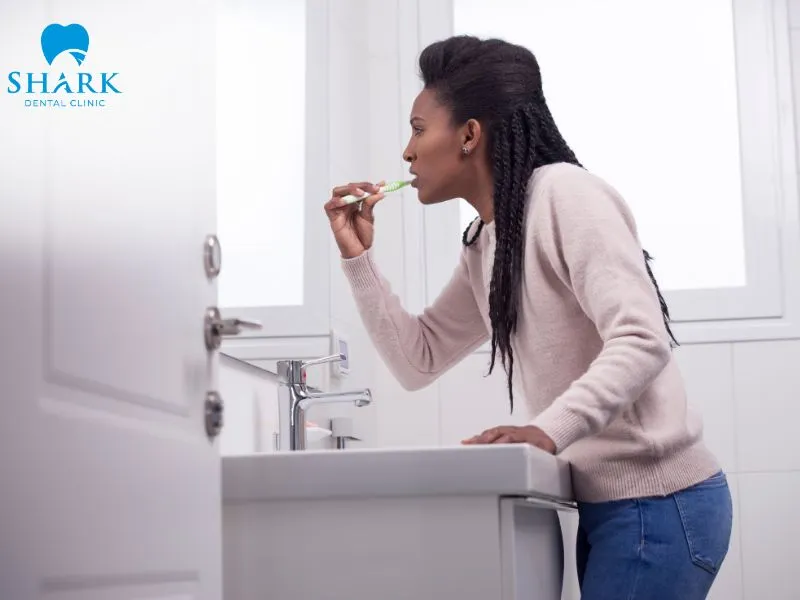
In addition to maintaining a healthy diet, proper daily oral hygiene is a key part of successful tooth filling aftercare. According to dental professionals, you should brush your teeth at least two to three times a day using a soft-bristle toothbrush and incorporate dental floss into your routine. It is important to thoroughly clean the tooth surfaces and interdental spaces to help prevent plaque buildup, tooth decay, and oral infections. Consistent brushing and flossing not only protect the filled tooth but also support the overall health of your teeth and gums.

Habits to avoid after a tooth filling aftercare
In addition to following proper tooth filling aftercare instructions, it is equally important to avoid certain habits that may damage the restoration and shorten its lifespan. Below are some common habits that should be avoided after a dental filling:
- Chewing or biting hard objects: Strong external forces from tearing food packaging, chewing ice cubes, or opening bottle caps with your teeth can wear down the filling material and may even cause it to crack or detach from the tooth surface.
- Teeth grinding during sleep: This unconscious habit can significantly reduce the lifespan of a dental filling. Continuous grinding places excessive pressure on the restoration, increasing the risk of cracks and creating pathways for bacteria to enter and cause further tooth decay.
- Using wooden toothpicks: Wooden toothpicks are relatively hard and can injure the gums, cause bleeding, or accidentally dislodge a filling. Instead, dental floss or a water flosser is generally recommended for cleaning between teeth.
- Eating excessively hot and spicy foods: Very hot foods and beverages may contribute to damage. Sudden exposure to high temperatures can cause thermal expansion and contraction of dental materials, potentially creating tiny gaps between the filling and the tooth structure.
- Brushing too aggressively: Applying excessive force while brushing can gradually wear down the surface of the filling, reducing its natural smoothness and increasing the risk of chipping or damage over time.
How do I manage tooth sensitivity?
After a dental filling, it is normal for some patients to experience temporary tooth sensitivity after filling, mild discomfort, or occasional sharp sensations. Fortunately, there are several effective ways to manage these symptoms and improve comfort during the healing period:
- Use a specialized toothpaste: After receiving a filling, consider using toothpaste formulated for sensitive teeth that contains fluoride or potassium nitrate. These ingredients help strengthen enamel, reduce nerve sensitivity, and provide relief from discomfort.
- Limit acidic foods and drinks: Acidic foods and beverages such as green mangoes, sour fruits, lemons, and carbonated drinks can irritate the tooth and increase sensitivity. Reducing their consumption during recovery may help minimize discomfort and make eating more comfortable.
- Have your bite checked: If sensitivity persists or feels unusual, it is advisable to return to your dental clinic for an evaluation. Your dentist can check whether the filling is affecting your bite alignment and make any necessary adjustments to improve comfort and prevent ongoing sensitivity.

In summary, the information above outlines five simple and practical tooth filling aftercare measures that are widely recommended by dental professionals. By following these guidelines, you can better protect your restoration, support long-term oral health, and reduce the risk of future dental complications. Hopefully, the insights shared in this article will serve as a valuable resource, helping you take a more proactive approach to caring for and maintaining a healthy, confident smile.