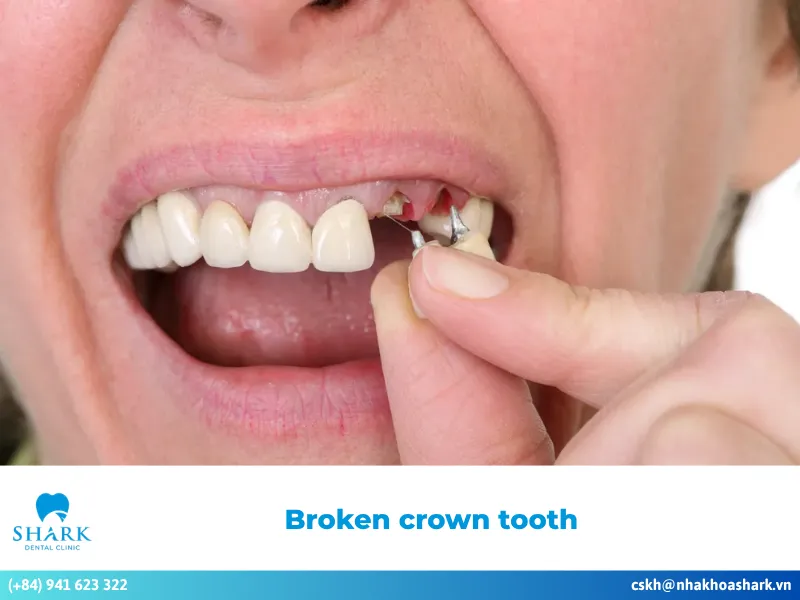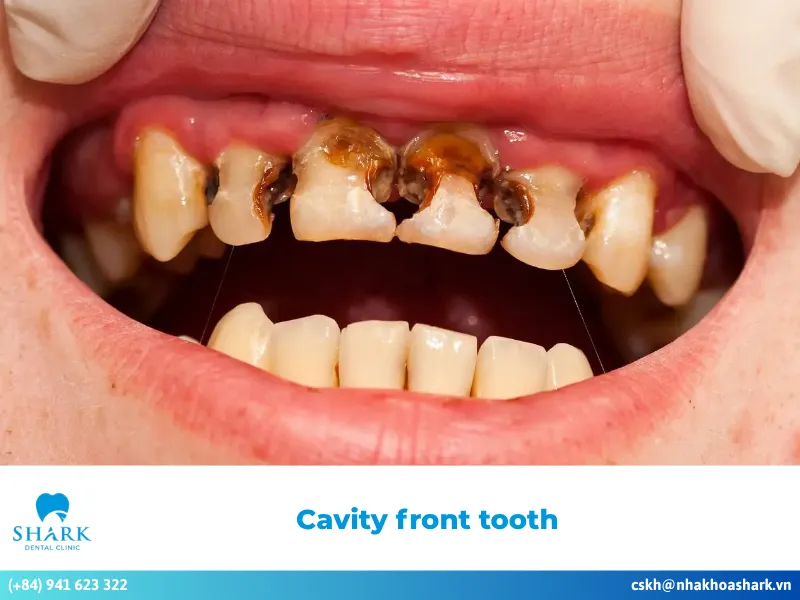


After receiving a porcelain crown, some patients may experience discomfort, an uneven bite, or feel that the crown is slightly longer or higher than the surrounding teeth. These issues often lead many people to wonder, can a porcelain crown be filed down, and whether making this adjustment could affect the strength, durability, or longevity of the restoration. In the article below, Shark Dental Clinic will explain in detail whether a porcelain crown can be filed down, when this adjustment may be necessary, how the procedure is performed, and what patients should know before undergoing any modifications.
Can a porcelain crown be filed down?
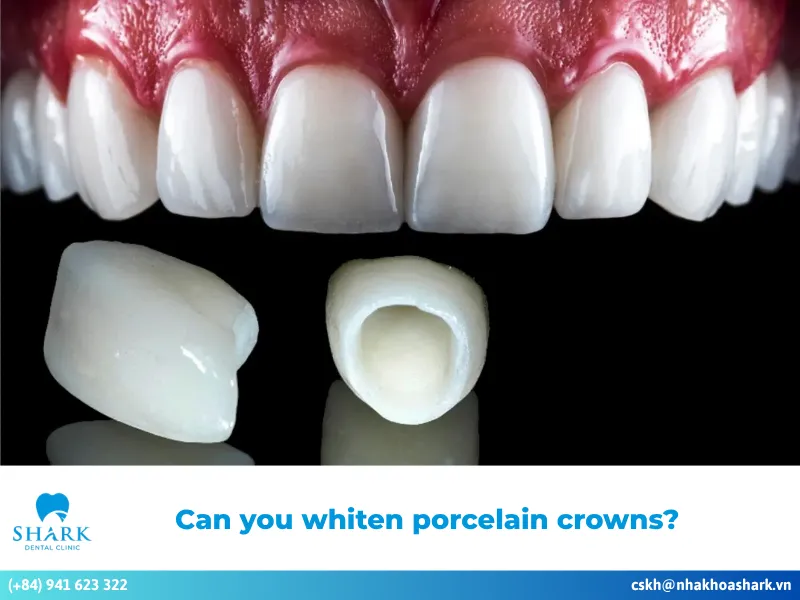
The answer is yes. If you are wondering, can a porcelain crown be filed down, the answer is that a permanently cemented porcelain crown can be carefully adjusted in certain situations when necessary. This is because porcelain crowns are fabricated from ceramic or dental porcelain materials. Although these materials are well known for their excellent hardness and durability, they are not completely resistant to modification. Like a ceramic plate that can become damaged after years of use, chipped porcelain crowns can also be carefully reshaped or filed when clinically indicated.
In fact, many modern porcelain crowns may be fabricated using CAD/CAM milling or other dental laboratory techniques. Before becoming a finished restoration, this porcelain block is processed using advanced CAD/CAM technology and precision milling equipment. The milling machine carefully trims, sculpts, and shapes every detail to produce a custom-made crown with the appropriate size, contour, and bite relationship, allowing it to fit naturally alongside the adjacent teeth while restoring both function and appearance.
Because porcelain crowns are created through this precise milling process, dentists can carefully file down or adjust a small portion of the crown if necessary to correct the bite or eliminate discomfort caused by a restoration that feels too high or bulky after placement. However, any adjustment should always be performed by an experienced dentist using the proper techniques and specialized dental instruments. This helps ensure that the crown’s strength, chewing function, long-term durability, and overall aesthetic appearance are preserved while achieving a comfortable and accurate fit.
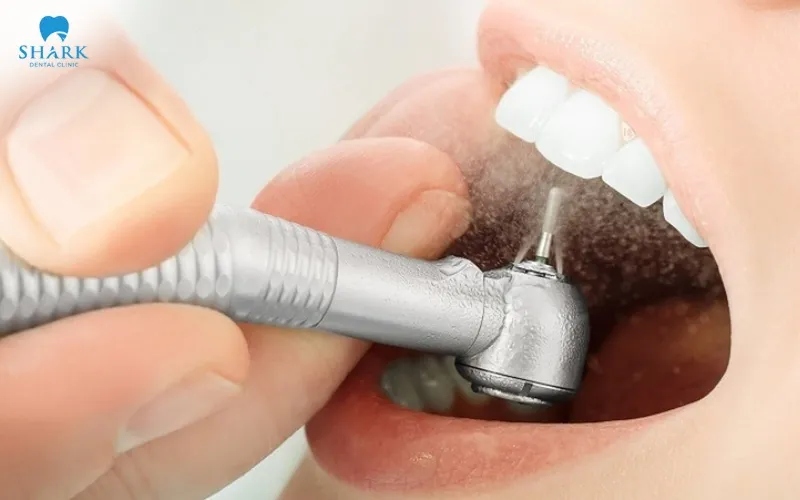
Why is it necessary to grind down a porcelain crown?
Although porcelain crowns are fabricated using advanced technology and highly accurate digital impressions, there are still certain situations in which the crown may require minor adjustments after placement to ensure maximum comfort, aesthetics, and optimal chewing function. If you are asking, can a porcelain crown be filed down? These are some of the most common reasons why a dentist may recommend carefully filing or reshaping a porcelain crown:
- Correcting a high bite: If a porcelain crown sits slightly higher than the surrounding teeth, you may notice that it contacts first whenever you bite down, creating an uncomfortable or uneven bite. This can result in tooth soreness, jaw fatigue, discomfort while chewing, and even headaches if left uncorrected for an extended period. Carefully filing down the porcelain crown helps balance the bite and distribute chewing forces more evenly across the teeth.
- Adjusting an overly tight contact between teeth: In some cases, a porcelain crown may fit too tightly against the adjacent tooth, making it difficult to pass dental floss through the contact area or causing a feeling of pressure between the teeth. Your dentist can carefully file a small amount of porcelain from the contact point to create the proper spacing, making daily oral hygiene easier while maintaining a secure and healthy tooth contact.
- Improving the crown’s shape and size: If the porcelain crown appears too large, too long, or slightly out of proportion with the surrounding teeth—particularly in porcelain crowns front teeth —minor reshaping can help create a more balanced and natural appearance. Making these precise adjustments allows the crown to blend more harmoniously with the rest of your smile and improves the overall aesthetic result.
- Reducing a bulky or uncomfortable feeling: Some patients feel that the chewing surface or body of a porcelain crown is slightly too thick, causing discomfort during eating, speaking, or normal daily function. In these situations, the dentist may carefully remove a very small amount of porcelain to improve comfort and create a more natural feel while still preserving the crown’s structural strength, durability, and long-term function.
Temporary vs. permanent crown adjustment
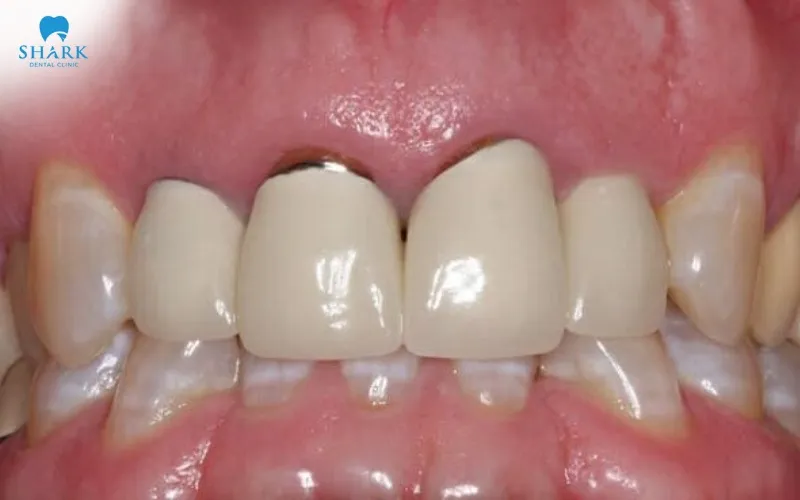
During the porcelain crown restoration process, adjusting the crown is an essential step to ensure that it fits securely over the prepared tooth, provides a balanced bite, and delivers a comfortable experience during everyday use. Depending on the stage of treatment, your dentist may perform adjustments on either a temporary crown or a permanent crown. Although both types of adjustments aim to improve fit and function, they serve different purposes throughout the treatment process.
Temporary crown adjustments
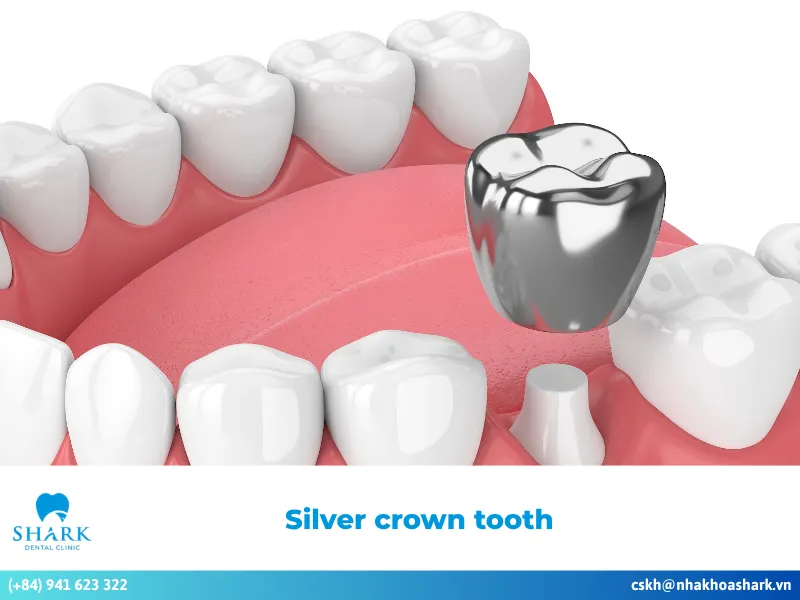
A temporary crown is placed while your permanent porcelain crown is being fabricated in the dental laboratory. Because it is made from a softer and less durable material than the final restoration, it is generally much easier and quicker to adjust whenever necessary. The purpose of this stage is not only to protect the prepared tooth but also to help your dentist evaluate how well you adapt to the restoration before the permanent crown is cemented. This evaluation provides valuable information that can be used to refine the final restoration if needed.
Some key characteristics of temporary crown adjustments include:
- Made from softer materials, making the crown easier to file, reshape, and adjust whenever necessary.
- Used only during the period while the permanent porcelain crown is being fabricated and completed.
- Helps evaluate the initial fit of the crown and determine whether the bite is properly balanced.
- Allows the dentist to identify any chewing difficulties, pressure points, or bulky sensations early so that appropriate adjustments can be made before the permanent crown is placed.
- Provides useful information that helps optimize the design, fit, contours, and overall accuracy of the permanent porcelain crown before final cementation.
Permanent crown adjustments
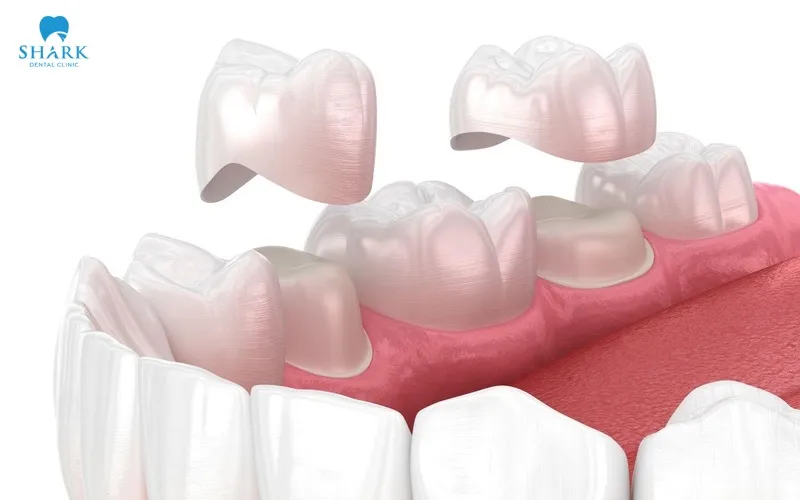
Permanent crowns are fabricated from highly durable materials such as dental porcelain or ceramic. For this reason, they can still be adjusted when necessary, but the procedure requires a much higher level of precision to ensure that the crown’s strength, function, and aesthetic appearance are not compromised. If you are wondering if a porcelain crown can be filed down, the answer is yes, but only through careful adjustment performed by a qualified dentist. Some key characteristics of permanent crown adjustments include:
- Fabricated from strong, durable materials such as dental porcelain or dental ceramic.
- Filing and adjustment must be performed more carefully and with greater precision than with temporary crowns.
- Helps correct issues such as a high bite, an overly long crown, or a crown shape that is not fully harmonious with the surrounding teeth.
- Ensures comfortable chewing, proper bite function, and long-term stability after treatment.
- The dentist carefully checks the crown’s fit, bite relationship, and contact points both before and after it is permanently cemented into place using dental cement.
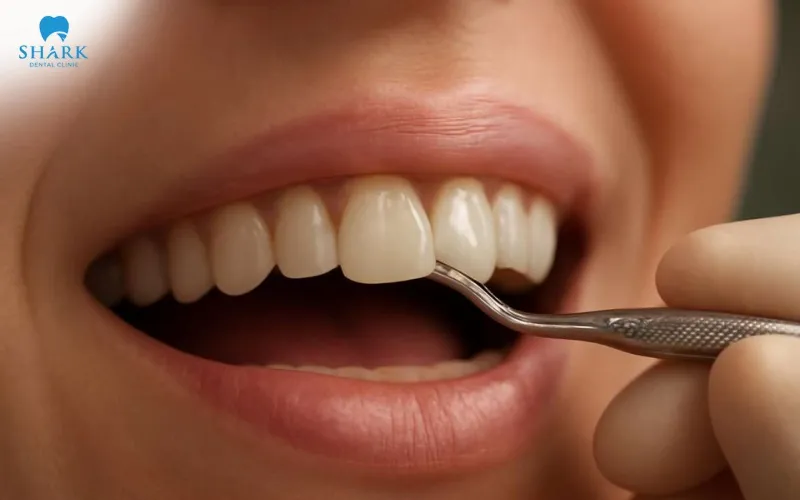
In certain situations, a porcelain crown may need to be filed down to eliminate bulky areas, correct an uneven bite, or improve its overall appearance. This procedure is performed by a dentist with a high level of precision to ensure that the porcelain crown maintains its durability, chewing function, and aesthetic qualities after the necessary adjustments have been completed.
- Step 1 – Examine the crown and identify the areas that require adjustment: The dentist will first examine the condition of your porcelain crown and carefully listen to any discomfort or concerns you may be experiencing. To accurately determine the areas that require filing, you may be asked to bite on articulating paper so the dentist can identify high contact points or evaluate your bite using other specialized assessment techniques. In certain cases where additional information is needed, dental X-rays may also be recommended to support a comprehensive examination and treatment planning process.
- Step 2 – File and adjust the porcelain crown: After identifying the underlying cause, the dentist will use specialized dental instruments fitted with fine diamond burs to carefully file and adjust the porcelain crown. This procedure is carried out with exceptional precision, removing only a minimal amount of material to eliminate pressure points, correct bite discrepancies, or improve the crown’s shape and contours while minimizing the risk of affecting the restoration’s strength, durability, or long-term stability.
- Step 3 – Polish and refine the crown surface: Once the necessary adjustments have been completed, the surface of the porcelain crown will be thoroughly polished to restore a smooth, glossy, and natural-looking finish. This important step helps minimize stain accumulation, reduces any rough or uneven sensation against the tongue, and ensures greater comfort during daily speaking, chewing, and other normal oral functions.
- Step 4 – Recheck the bite and overall comfort: Finally, the dentist will carefully evaluate the crown’s fit, your bite alignment, chewing performance, and overall comfort following the adjustment procedure. If necessary, additional minor refinements will be made to ensure the porcelain crown functions properly, fits harmoniously with the surrounding teeth, and provides the most comfortable and natural feeling possible during everyday use.
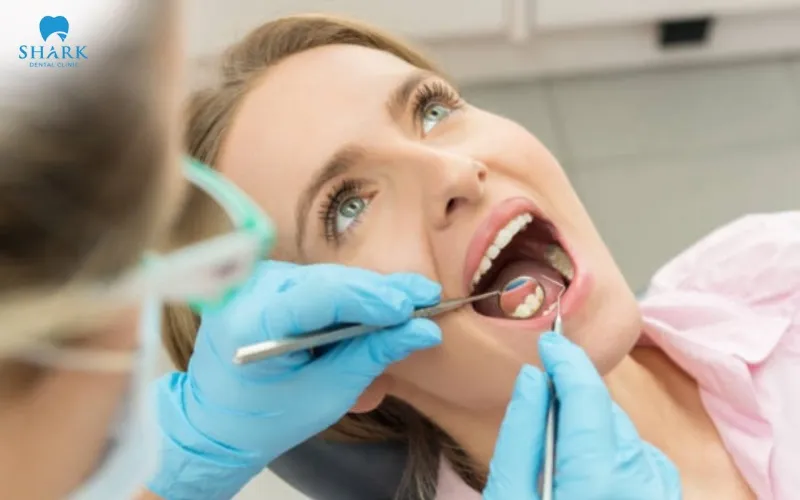
In summary, the question “Can a porcelain crown be filed down?” has now been fully answered by Shark Dental Clinic. A porcelain crown can indeed be filed down when clinically necessary, but the procedure should only be performed under a dentist’s professional guidance and with the proper techniques to ensure safety and achieve the best possible treatment outcome. Shark Dental Clinic hopes that the information shared above has given you a clearer understanding of this procedure, allowing you to make a well-informed decision and choose the most suitable treatment option for your individual dental condition and long-term oral health.
>>> See more: Does preparing a tooth for a crown hurt?