
After tooth extraction, you need to maintain a proper diet and a healthy daily routine to support faster healing and recovery of the affected area. When can you smoke after tooth extraction is a common concern, along with the potential risks of smoking too soon after the procedure. The content in the article below will help answer these questions clearly and provide you with the necessary information to better protect your oral health during recovery.
When can you smoke after tooth extraction?
In general, you may be able to smoke after approximately 3 days following a tooth extraction. During the first 72 hours, the blood clot formed at the extraction site needs time to stabilize and begin the process of soft tissue regeneration and healing. If you smoke too early or maintain unhealthy habits during this critical period, harmful chemicals can exert pressure on the clot, causing it to dislodge and delaying the healing process.
However, dental professionals still strongly recommend waiting at least 7–10 days before smoking again, or ideally quitting smoking altogether. Smoking significantly increases the risk of infection, slows down wound healing, and contributes to a wide range of other serious oral and general health problems.
In summary, smoking is one of the habits that should be carefully limited after tooth extraction. It not only delays healing but also contributes to tooth discoloration and persistent bad breath. Therefore, you should make every effort to avoid or at least strictly limit smoking, especially during the first 3 days after extraction!

Risks of smoking after tooth extraction
Smoking too soon after a tooth extraction is strongly discouraged, as it can lead to multiple unpredictable and potentially serious complications, including the following:
How smoking disrupts blood clot formation?
After a tooth is extracted, a blood clot naturally forms at the extraction site to cover and protect the underlying bone structure as well as the exposed nerve endings. This blood clot plays an extremely important role in protecting the wound and supporting the early stages of healing and tissue regeneration.
If you smoke too early after the procedure, the nicotine contained in tobacco can cause the blood vessels inside the oral cavity to constrict significantly. This vasoconstriction reduces blood circulation and limits the supply of oxygen and essential nutrients to the clot, making it weaker, less stable, and more likely to break apart or become dislodged prematurely.
In addition to the chemical effects, the physical action of smoking also creates strong suction pressure inside the mouth. Each time you inhale, this negative pressure can directly impact the extraction site and easily dislodge the newly formed blood clot, especially during the early stage when it has not yet fully stabilized.
Smoking early after a tooth extraction also significantly increases the risk of oral infections. Once the protective blood clot is lost or damaged, bacteria can easily enter and invade the empty socket. This can lead to swelling, delayed healing, infection after tooth extraction and a much more complicated recovery process overall.
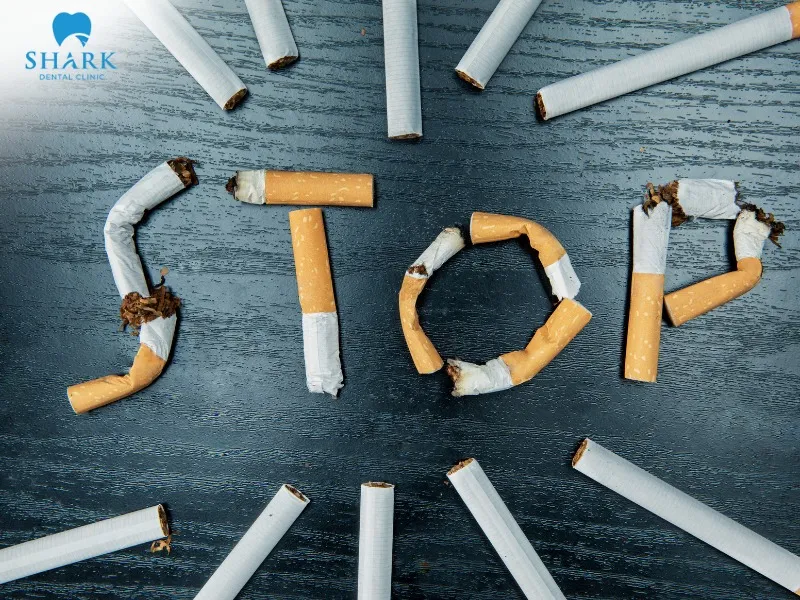
Smoking and dry socket risk after extraction
Dry socket is a serious and painful complication that can occur after tooth extraction. It is often associated with intense, persistent pain and is usually accompanied by an unpleasant odor in the mouth. One of the main contributing factors leading to this condition is the habit of smoking after extraction.
The nicotine present in cigarettes causes blood vessels to constrict, which interferes with normal blood flow and reduces the body’s ability to deliver nutrients necessary for proper clot formation. When the clot does not form correctly or becomes deprived of nutrients, it can dissolve or break down prematurely.
As a result, the extraction site becomes exposed, leaving open spaces where the underlying bone and nerve endings are no longer protected. At this stage, bacteria and harmful microorganisms can easily invade the area, increasing the risk of infection and leading to the development of dry socket, which can be both painful and difficult to treat.

Is it safer to use vaping after tooth extraction?
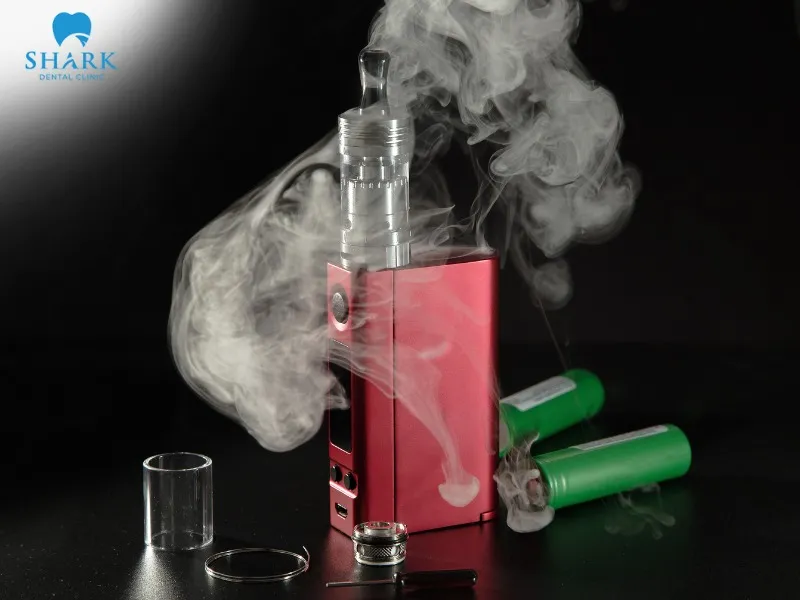
Many people mistakenly believe that vaping after tooth extraction is a safer alternative compared to traditional cigarette smoking, simply because it produces vapor instead of smoke. However, this is a completely incorrect assumption, as vaping can still pose several risks to oral health and may negatively affect the healing process in similar ways. For example:
- When using e-cigarettes, you are required to inhale deeply, which creates strong negative pressure within the oral cavity. This suction force can disrupt and dislodge the blood clot after tooth extraction, similar to the effects caused by smoking traditional cigarettes.
- The e-liquid used in vaping devices often contains relatively high levels of nicotine. This substance continues to cause vasoconstriction, restricting blood flow and reducing oxygen supply, which ultimately slows down the healing process and prolongs recovery time.
- After a tooth extraction, if you vape too early, the wound area will be exposed to hot vapor produced from the heated e-liquid. This heat can irritate the soft tissues inside the mouth, increasing the likelihood of swelling, discomfort, pain, and gum inflammation.
- Additionally, certain chemical components found in e-cigarettes may reduce saliva production, leading to dry mouth. A lack of sufficient saliva can make the oral environment less protective, slow down the healing process, and increase the risk of irritation or infection.
Safer alternatives to smoking
In reality, both traditional cigarettes and electronic cigarettes are not suitable or recommended choices for individuals who have just undergone tooth extraction. In particular, there is currently no truly safe alternative for patients after extraction if the product contains nicotine in any form. Therefore, after tooth extraction, you should carefully pay attention to the following important considerations to support proper healing:
- Avoid nicotine-containing products: Cigarettes or any products that contain nicotine can cause blood vessels to constrict, which reduces blood circulation and limits the supply of essential nutrients to the wound. As a result, the healing process becomes slower and less effective.
- Increase intake of vitamin-rich foods: After tooth extraction at a dental clinic, you should prioritize consuming soft foods while still ensuring adequate nutritional intake. In particular, foods rich in vitamins play an important role in supporting tissue repair and promoting faster recovery.
- Drink plenty of water: Drinking sufficient water not only helps maintain proper moisture levels in the oral cavity but also supports the natural cleansing process, helping to wash away leftover food particles and bacteria effectively.
>>> See more: What are the best foods after tooth extraction?

Oral care tips to support healing without smoking or vaping
To help the extraction site heal more quickly and reduce the risk of complications, you should follow proper and scientifically guided oral care practices as outlined below:
- Apply cold compresses: Within the first 1–2 days after tooth extraction, you should apply a cold compress for about 15 minutes at a time. Cold therapy helps reduce swelling after tooth extraction, minimize pain, and provide a more comfortable and soothing sensation during the early recovery period.
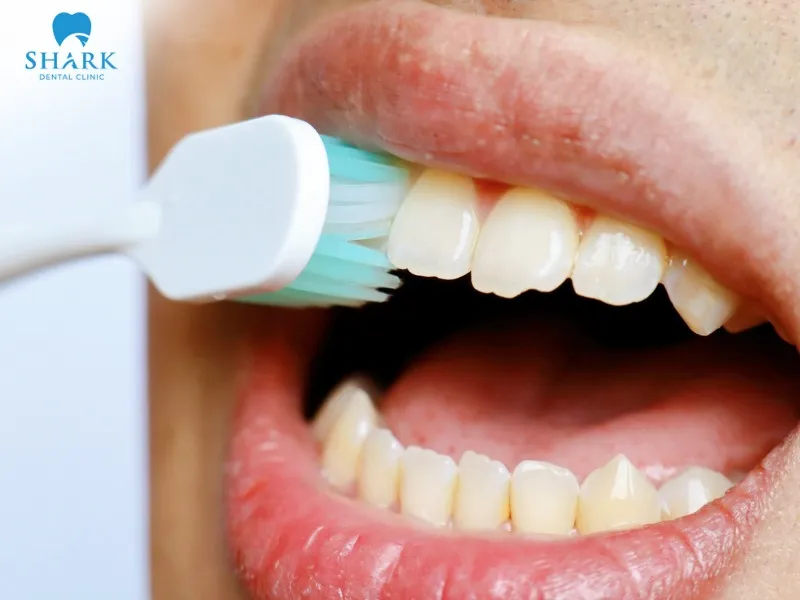
- Maintain proper oral hygiene: You should brush your teeth gently using a soft-bristled toothbrush to avoid irritating the extraction site. In addition, you can combine this with rinsing your mouth using a mild saltwater solution. However, it is important to avoid forceful spitting or rinsing, as this may disturb the wound and affect healing.
- Follow an appropriate diet: After tooth extraction, you should prioritize soft, cool, and easy-to-chew foods. This type of diet helps soothe the affected gum tissues and supports faster healing of the extraction site.
- Get adequate rest: During the first 2–3 days, you should focus on resting and allowing your body to recover in a relaxed state. Avoid all strenuous physical activities, especially high-intensity sports such as football, mountain climbing, or boxing, as these may negatively impact the healing process.
- Take medications as prescribed: It is essential to strictly follow your dentist’s instructions regarding prescribed medications after extraction. These commonly include pain relievers and anti-inflammatory drugs, which help reduce discomfort and minimize the risk of infection.
- Attend follow-up appointments: After tooth extraction, you should return for follow-up visits according to your dentist’s schedule. These appointments allow the dentist to monitor the healing progress, detect any unusual signs early, and provide timely intervention if necessary.
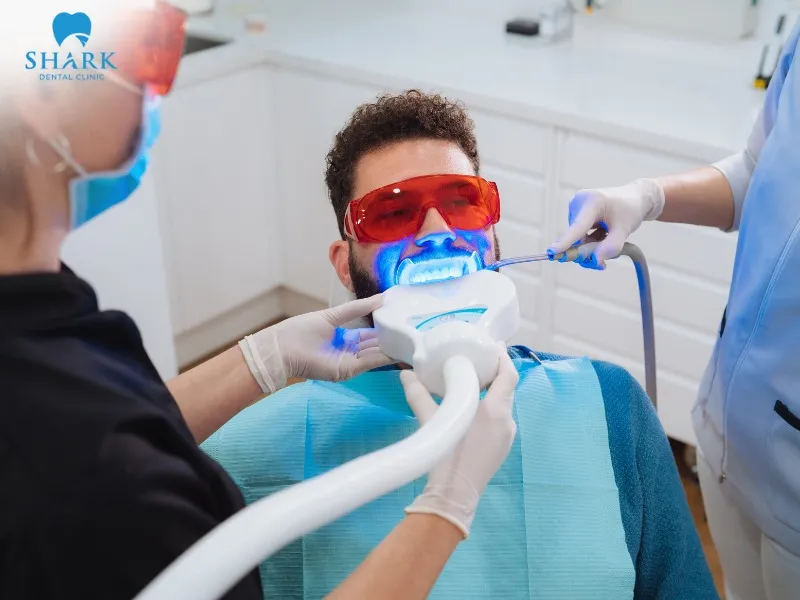
The question of “when can you smoke after tooth extraction?” along with proper oral care tips, has been clearly explained in the content above by Shark Dental Clinic. Smoking carries many potential health risks, slows down the healing process, and significantly increases the likelihood of infection. Therefore, you should carefully follow your dentist’s instructions to achieve optimal healing and maintain strong, healthy teeth.