

Tetracycline-stained teeth often appear yellow, dark, grayish, or uneven in color, which can significantly affect the overall appearance of the smile. One possible cosmetic treatment option for improving this condition is the placement of porcelain veneers. In this article, Shark Dental Clinic will explain the noticeable changes shown in veneers for tetracycline stained teeth before and after treatment!
What are tetracycline tooth stains?
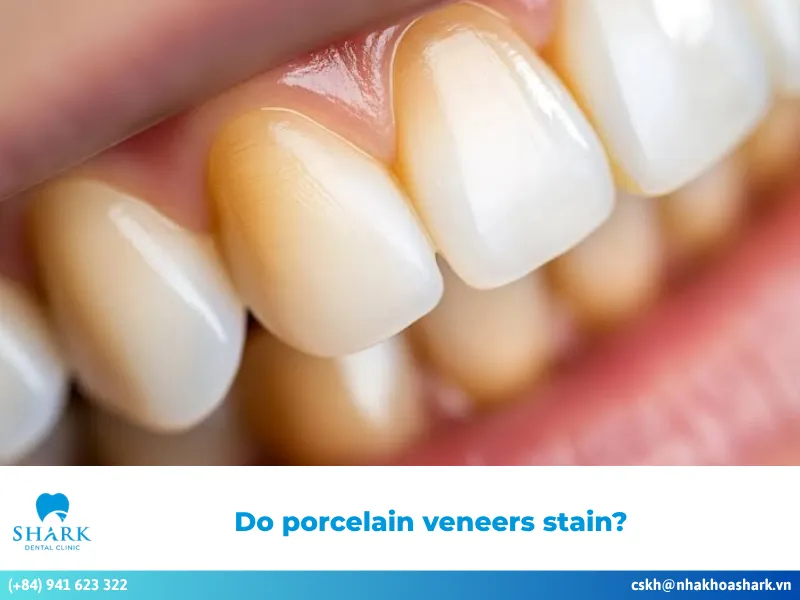
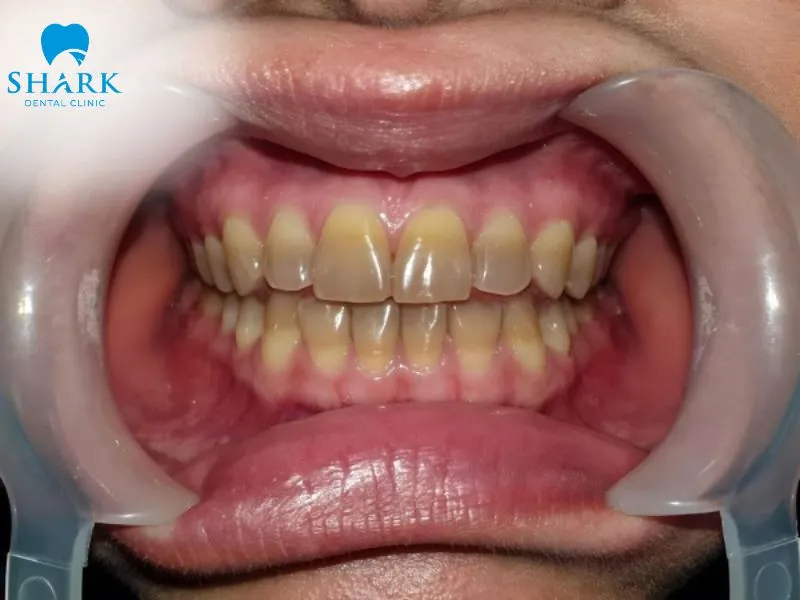
Tetracycline tooth stains refer to discoloration that causes the teeth to become dull, yellow, gray, or dark caused by exposure to tetracycline antibiotics while the teeth are developing. Tetracycline molecules may remain within the tooth structure and bind with calcium in the mineralized tissues, forming discolored compounds that negatively affect the appearance of the teeth. As a result, many people with this condition may feel self-conscious or less confident about their smile.
Unlike ordinary surface stains caused by food or beverages, tetracycline discoloration often develops within the deeper layers of the teeth. This makes the staining more difficult to remove through conventional cleaning or whitening methods.
Why porcelain veneers are the best choice for tetracycline stains?
For teeth affected by tetracycline staining, standard teeth whitening treatments often do not provide the desired level of improvement. Instead, porcelain veneers are considered an ideal solution because they can effectively conceal dark tooth discoloration while helping preserve the natural structure of the teeth.
Masking deep intrinsic discoloration
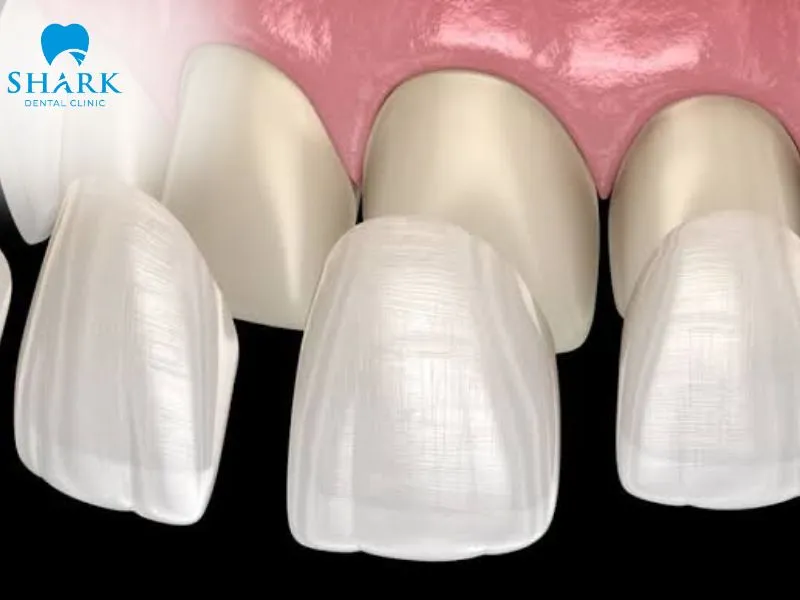
Porcelain veneers are extremely thin, usually measuring only approximately 0.3 to 0.5 mm. Despite their minimal thickness, they provide excellent coverage for dark and uneven tooth color. Each veneer is designed with suitable translucency and a natural shade that closely resembles the appearance of real tooth enamel.
Thanks to these aesthetic properties, veneers can effectively cover yellow, gray, or dark tetracycline stains. They help create a brighter, more uniform tooth color while maintaining a natural-looking appearance rather than making the smile look artificial or overly opaque.
Preserving natural tooth structure
Unlike several traditional restorative methods, porcelain veneer placement generally does not require extensive reduction of the natural teeth. In some cases, no tooth preparation is needed, while in others, the dentist may remove only a very small amount of enamel from the front surface.
This conservative approach helps preserve as much healthy natural tooth structure as possible. It may reduce the amount of tooth structure removed compared with full-coverage crowns, although temporary sensitivity may still occur following treatment.
Veneers for tetracycline-stained teeth before and after: Real results
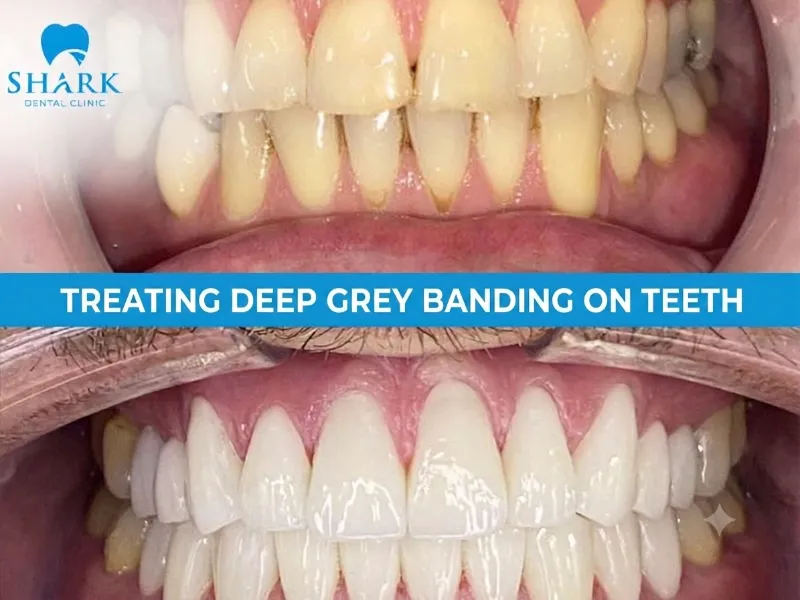
Case study 1: Transforming severe gray banding
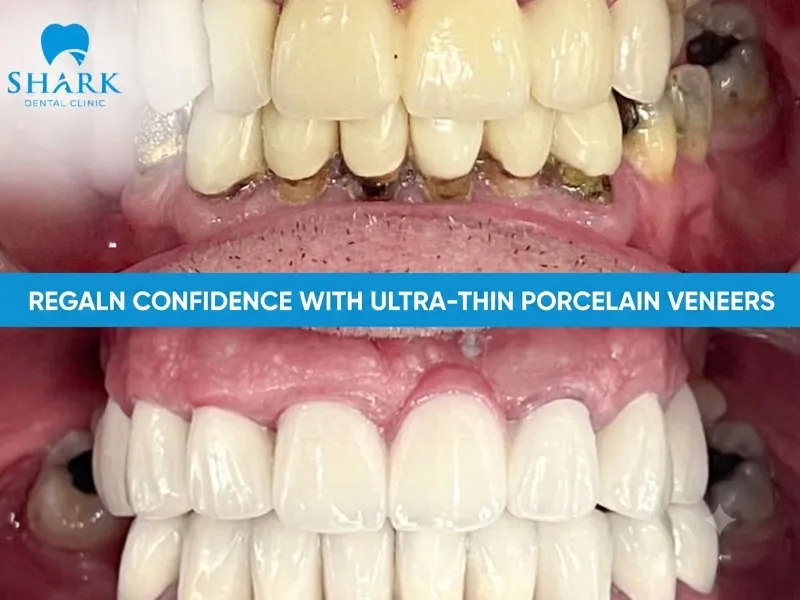
Case study 2: Restoring confidence with ultra thin veneers
How dentists achieve natural looking veneers on dark teeth?
In cosmetic dentistry, creating porcelain veneers that can conceal dark tetracycline stains requires careful planning and precise measurements. The veneers must be fabricated using modern dental technology to achieve the right thickness, translucency, and natural-looking appearance. When these factors are properly balanced, the veneers can cover the underlying discoloration while maintaining a highly aesthetic result.
Selecting the right translucent materials
Tetracycline-related tooth discoloration can be improved effectively when porcelain veneers with the appropriate level of translucency are carefully selected and used. The dentist must first assess the teeth and accurately determine the severity and depth of the discoloration. Based on this evaluation, suitable specialized ceramic materials, such as lithium silicate–based ceramics or IPS e.max lithium disilicate, can then be selected for the treatment.
The porcelain veneers must provide the necessary level of light transmission to create a multidirectional light-reflecting effect. This optical quality helps the restorations resemble the natural translucency and appearance of real teeth. At the same time, the effect supports effective coverage of discoloration caused by tetracycline staining, helping the teeth look brighter, more even in color, and naturally attractive so the patient can feel more confident when smiling.
Custom shading and prep techniques to prevent opacity
Porcelain veneers must be designed with an ultra-thin structure. After removing only a small layer of enamel from the tooth surface, the dentist carefully places and bonds each veneer onto the natural tooth.
At this stage, the dentist’s custom shading, tooth preparation, and veneer bonding techniques play an extremely important role in the final result. Precise preparation and placement help prevent the veneers from feeling bulky, raised, or uncomfortable inside the mouth. These techniques also reduce the risk of an overly opaque or dull appearance that could make the restorations look unnatural and less aesthetically pleasing.
Comparing your options: Veneers vs whitening vs crowns
To make tetracycline-stained teeth appear brighter and more attractive, you can consult a dentist and consider several available treatment methods. Common options include porcelain veneers, professional teeth whitening, and porcelain dental crowns. The most suitable method should be selected according to the condition and level of discoloration affecting the teeth.
Professional teeth whitening: Why it often fails?
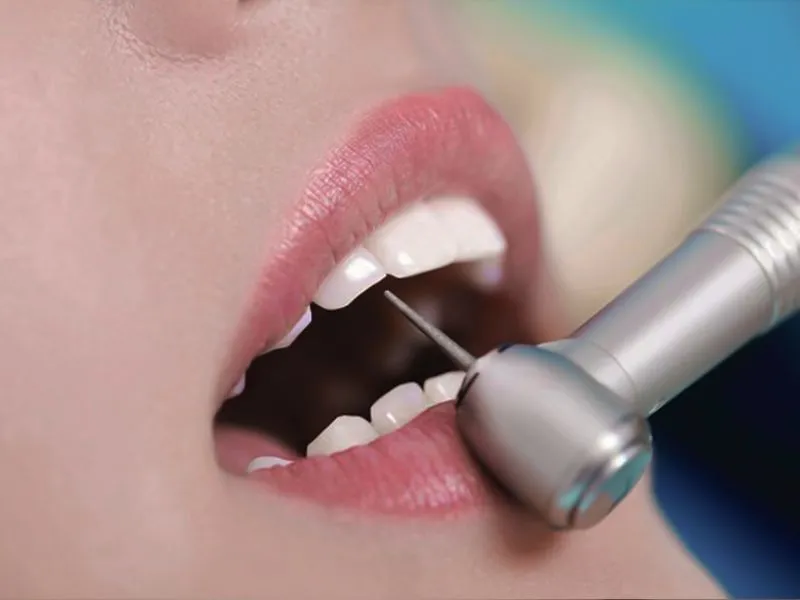
Professional teeth whitening uses bleaching agents with strong oxidizing properties, such as hydrogen peroxide or carbamide peroxide. These agents may be used alone or, in some systems, with a light-activation device to break down the structure of stain-causing molecules. This method can lighten the shade of the teeth without directly affecting the internal structure of the tooth enamel.
Advantages
- Preserving natural teeth: Teeth whitening does not require invasive treatment of the gum tissue or dental pulp. Therefore, it helps preserve the natural teeth and their existing structure as much as possible.
- Fast treatment: This procedure can be completed relatively quickly, with the entire whitening session usually taking only approximately 30 to 45 minutes.
- Lower cost: Compared with porcelain crowns or porcelain veneer treatment, professional teeth whitening is considerably more affordable and requires a lower treatment cost.
Disadvantages
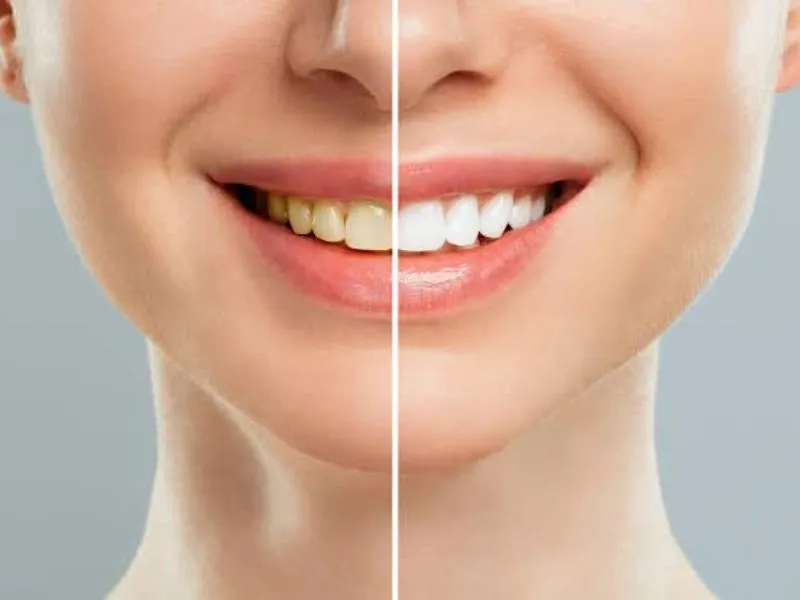
- Professional teeth whitening is often ineffective for teeth affected by tetracycline discoloration. The reason is that antibiotic-related pigment molecules are usually located deep within the dentin. As a result, the whitening agents may find it difficult to reach these molecules and break them down effectively.
- Teeth whitening may also fail to produce an even result across all teeth. Some teeth may respond differently from others, leading to a patchy, blotchy, or inconsistent tooth color that negatively affects the overall appearance of the smile.
- In addition, the brightening effect achieved through professional teeth whitening results vary and may require maintenance depending on diet, oral hygiene, and the severity of discoloration and may not provide a long-term improvement.
Dental crowns: When coverage needs to be full
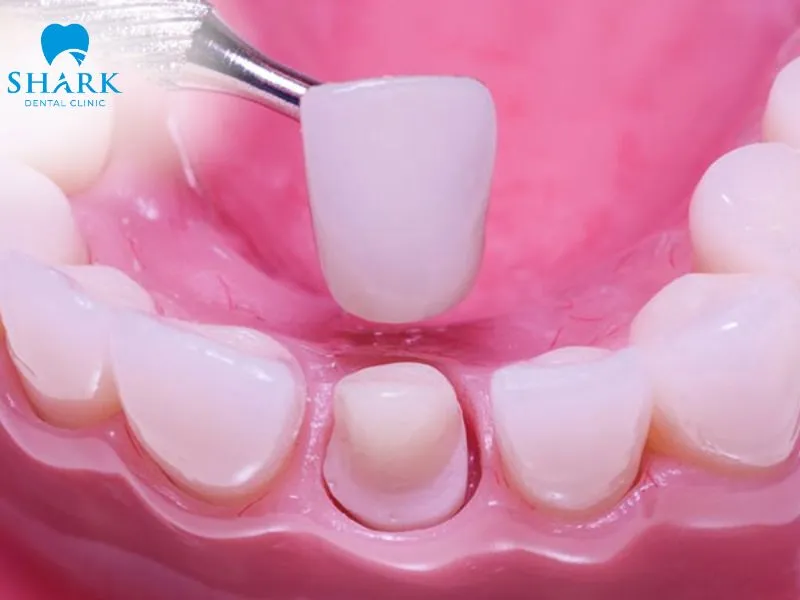
Dental crown treatment involves removing a portion of the natural tooth structure to create a stable foundation. A porcelain crown is then placed over the prepared tooth to change its original shape and color.
Advantages
- Effective improvement of discoloration: Dental crowns can effectively improve the appearance of teeth that are dull, darkened, or affected by tetracycline staining.
- Correction of other serious dental problems: In addition to improving tooth color, dental crowns can address other significant concerns, such as chipped teeth, worn tooth enamel.
- High strength and durability: Porcelain crowns are highly durable and offer excellent resistance to biting forces. This allows them to support normal chewing and other everyday oral functions.
Disadvantages
- Significant removal of natural tooth structure: To place a dental crown, the dentist must remove a relatively large amount of natural tooth tissue. This process is invasive and alters the tooth’s original structure.
- Risk of pulp irritation or inflammation: In some cases, the dental pulp may become irritated or inflamed after crown placement. This can lead to unpleasant symptoms such as tooth sensitivity, aching, or persistent pain.
Porcelain veneers: The ideal middle ground
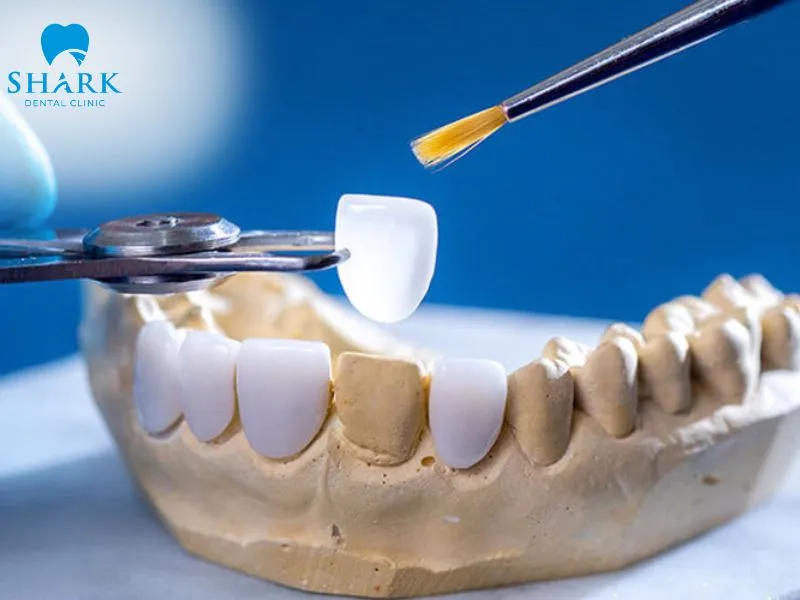
Porcelain veneer treatment uses ultra-thin ceramic shells that are securely bonded to the front surfaces of the teeth. This method can effectively improve teeth that appear dull, yellow, or discolored while minimizing the impact on the natural tooth structure.
Advantages
- Maximum preservation of natural teeth: Porcelain veneers do not require the removal of a large amount of tooth tissue. This helps preserve the tooth enamel and dentin while avoiding unnecessary invasion of the dental pulp.
- Natural and bright appearance: Porcelain veneers have an ultra-thin design, a natural gloss, and excellent translucency. These characteristics allow the teeth to appear naturally brighter and more aesthetically pleasing after veneer placement.
- Long-lasting aesthetic results: Porcelain veneers offer excellent durability and do not easily change color over time. This allows the improved appearance of the teeth to remain stable for many years.
Disadvantages
- High technical requirements: Porcelain veneer treatment must be performed by a dentist with advanced technical skills, strong professional expertise, and extensive practical experience.
- Relatively high treatment cost: Porcelain veneers are generally more expensive than several other traditional methods used to improve tooth color and appearance.
Conclusion
For teeth with yellow or dark discoloration caused by tetracycline staining, porcelain veneers are considered the most suitable solution. This treatment provides excellent aesthetic improvement while minimizing damage to the natural tooth structure. As a result, patients can achieve brighter, more attractive teeth and a more confident smile.
Frequently asked questions about tetracycline veneers
How many veneers do I need for tetracycline stains?
Tetracycline discoloration usually affects the entire visible surface of the teeth. For this reason, dentists commonly recommend placing porcelain veneers on approximately 8 to 10 teeth to create a brighter and more uniform smile.
However, the exact number of veneers required will depend on the condition of the teeth and the severity of the discoloration. After examining the patient’s teeth, the dentist will recommend the most appropriate treatment approach to achieve the best possible aesthetic result.
How long do veneers last on tetracycline teeth?
Porcelain veneers generally have a lifespan of approximately 15 to 20 years. They may last even longer when they are properly cared for through appropriate daily oral hygiene and maintenance.
Although porcelain veneers are extremely thin, they provide relatively good resistance to normal biting forces. They do not absorb water easily or change color over time, helping maintain a stable and attractive appearance for many years.
The appearance of veneers for tetracycline stained teeth before and after treatment shows a significant transformation. Porcelain veneers are considered an ideal and highly suitable option for improving tooth discoloration caused by antibiotic staining. This treatment can help create a brighter, more radiant smile and allow patients to feel more confident about the appearance of their teeth.
>>> See more: How long do porcelain veneers last?