
When a crown fell out no tooth left underneath, the situation can feel alarming and stressful. While a dental crown falling out is already a cause for concern, the condition becomes even more complicated when there is no remaining natural tooth underneath to support the crown. This may indicate that the underlying tooth structure has been severely damaged or lost, making a timely dental evaluation especially important. So, what should you do if your crown falls out and there seems to be no tooth structure left underneath? In the article below, Shark Dental Clinic will explain this condition in detail, discuss its possible causes, and guide you on the appropriate steps to help protect your oral health and receive timely treatment.
What should you do if your crown falls out and there is no tooth left?
If you experience a situation where your crown has fallen out, no tooth is left underneath, or the supporting tooth has been completely lost, it is natural to feel concerned and unsure about what to do next. In this situation, taking the proper steps and visiting a dental clinic as soon as possible can help minimize the risk of infection, protect the surrounding gum tissue, and create more favorable conditions for future restorative treatment.
- Keep the crown if you can find it: If the dental crown has come off completely, carefully retrieve it and store it in a clean container or a sealed plastic bag. Even if the crown is no longer suitable for reuse, bringing it with you to your dental appointment allows the dentist to evaluate why it became detached and recommend the most appropriate treatment option based on your condition. You should not attempt to reattach the crown yourself at home, as doing so may position it incorrectly, injure the surrounding gum tissue, or interfere with the restorative procedure that may be required later.
- Keep the affected area clean: After the crown has fallen out, the exposed gum tissue and the underlying area become more sensitive and vulnerable to bacterial contamination. Rinse your mouth gently with warm salt water or sterile saline solution to help keep the area clean and reduce the risk of infection. At the same time, use a soft-bristled toothbrush to gently clean the surrounding area without applying excessive force, as vigorous brushing may irritate the gums or cause unnecessary bleeding.
- Temporarily adjust your diet: While waiting for treatment, choose soft foods that are easy to chew and swallow, such as porridge, soup, yogurt, or smoothies. These foods help minimize pressure on the affected area and reduce discomfort during meals. You should also avoid foods that are excessively hard, chewy, sticky, very hot, or very cold, as they may increase pain, irritate the exposed tissues, or worsen the condition of the affected area.
- Visit a dentist as soon as possible: This is the most important step if your crown falls out and there is no tooth left beneath it. The dentist will carefully examine your gums, jawbone, and surrounding oral structures to determine the most appropriate restorative solution. Depending on your individual condition, treatment may involve fabricating a new dental crown, restoring the missing tooth with a dental bridge, or placing a dental implant to rebuild both chewing function and aesthetics. Seeking prompt treatment also helps prevent potential complications in the future, including jawbone loss, infection, or bite misalignment.
How much of a tooth do you need for a crown?
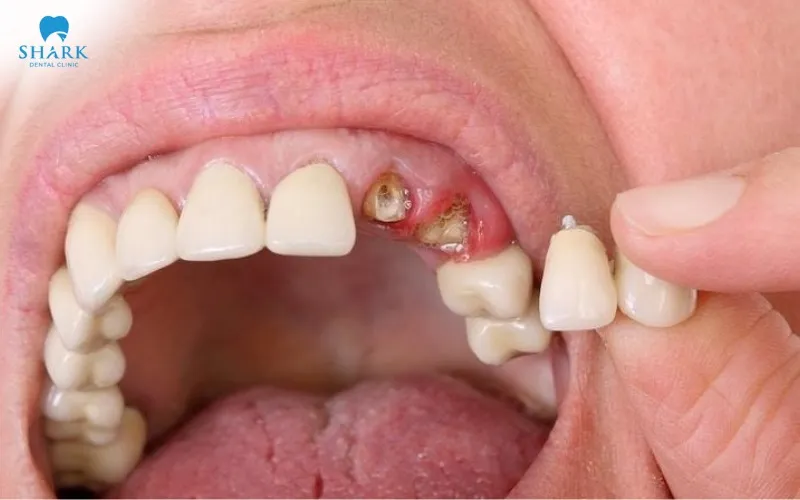
For a porcelain crown to remain securely attached and function reliably over the long term, dentists always aim to preserve as much healthy natural tooth structure as possible. The remaining tooth serves as the foundation that supports the dental crown, allowing it to stay firmly in place while providing better stability, a more natural feel, improved chewing performance, and a more aesthetically pleasing result after the restoration is completed.
However, if only a very small amount of healthy tooth structure remains, placing a dental crown may become difficult because there is not enough surface area to adequately support and retain the porcelain crown. In these situations, the dentist may consider additional restorative procedures to improve the tooth’s ability to support the crown before proceeding with the final restoration.
Can you still get a crown if there’s no tooth left?
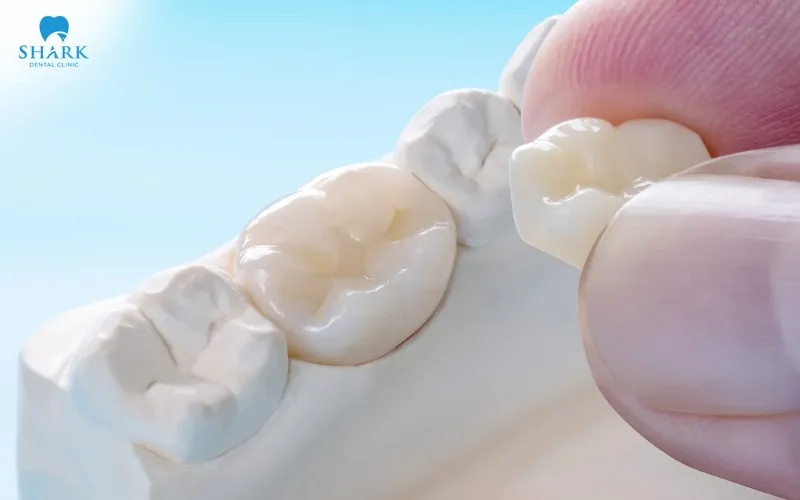
The answer is no. If your crown fell out no tooth left underneath, or the natural tooth structure has been completely lost, a new dental crown generally cannot be placed. A dental crown requires a sufficient amount of healthy natural tooth to act as a stable foundation that supports and securely retains the restoration. If the tooth has been severely damaged, extensively decayed, fractured beyond repair, or has completely lost its remaining structure, placing a crown is no longer a suitable treatment option.
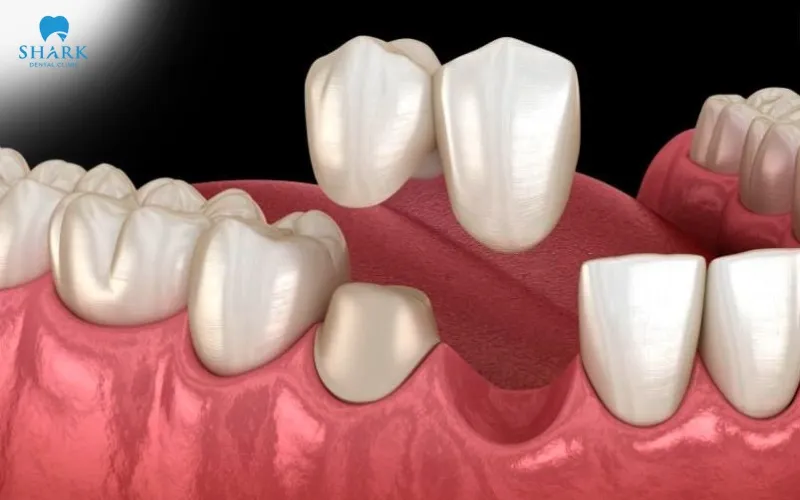
In these circumstances, the dentist will typically recommend alternative restorative treatments instead of another dental crown. Depending on your oral condition, options such as a dental implant or a dental bridge may be advised. These treatment methods are specifically designed to replace missing teeth effectively while restoring both chewing function and the overall appearance of your smile.
In addition to providing a natural-looking result that closely resembles real teeth, both dental implants and dental bridges can help you eat, speak, and carry out your daily activities more comfortably while minimizing the long-term effects associated with tooth loss. Therefore, if there is not enough healthy natural tooth remaining to support a porcelain crown, you should visit a reputable dental clinic for a comprehensive examination and receive professional advice on the restoration option that is most appropriate for your individual oral condition.
>>> See more: Can you get a crown without a tooth?
What to avoid if your crown falls out?
When a dental crown falls out, taking the proper precautions can help minimize further damage and create better conditions for successful restorative treatment afterward. If you experience a situation where your crown fell out, with no tooth left beneath it, avoiding the following mistakes is especially important.
- Do not lose or accidentally swallow the crown: If the crown falls off inside your mouth, remove it immediately and store it in a clean, safe container. Keeping the crown allows your dentist to examine the restoration, determine why it became detached, and evaluate whether it may still be suitable for reuse if the condition permits.
- Do not attempt to reattach the crown yourself: If there is not enough remaining tooth structure to support the crown, trying to glue or secure it back in place at home may cause additional damage to the affected area. It can also increase the risk of infection and make future restorative treatment more complicated.
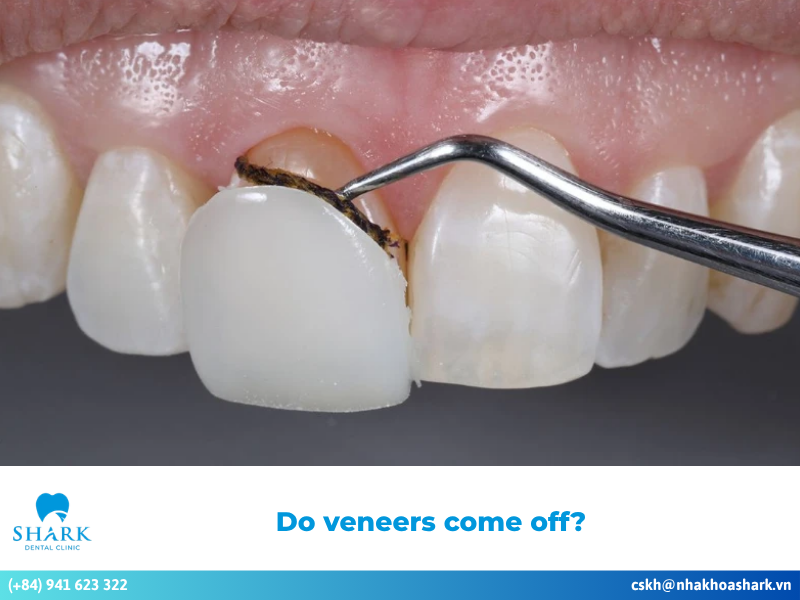
- Do not ignore the problem or delay visiting a dentist: A fallen dental crown not only affects the appearance of your smile but may also expose the underlying tissues. Without prompt treatment, this condition can increase the risk of infection, jawbone loss, or other oral health complications that may require more extensive treatment later.
- Do not chew on the affected side: Applying excessive chewing force to the area where the crown has fallen out can cause pain, irritate the surrounding gum tissue, and place additional stress on the remaining oral structures. Avoid chewing on that side until you have been examined and treated by your dentist.
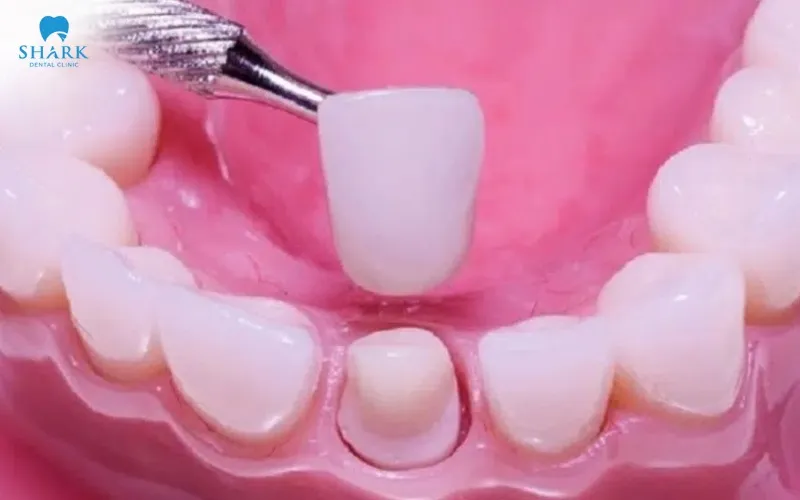
Treatment options if your crown falls out and there’s no tooth left
When your crown falls out and there is no tooth left underneath, or the remaining natural tooth is no longer strong enough to support a new crown, reattaching the original restoration is generally no longer a viable option. In these situations, your dentist will evaluate the condition of your jawbone, the number of missing teeth, and your individual treatment needs before recommending the most appropriate restorative solution.
Dental implant
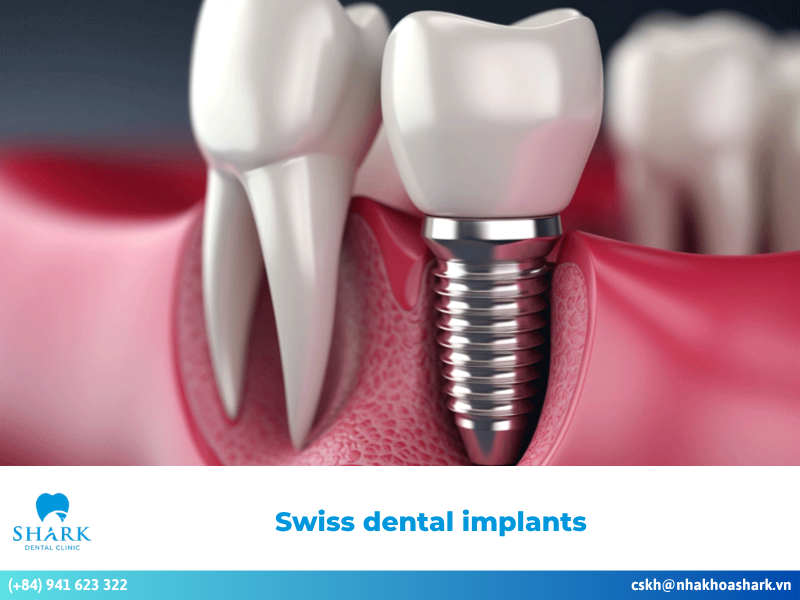
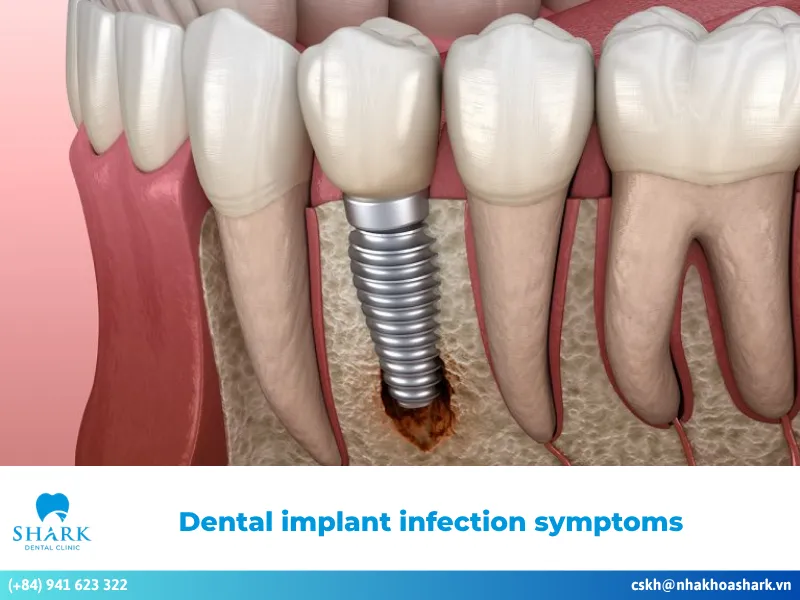
Dental implant treatment is considered by many dental professionals to be one of the most effective solutions when there is no remaining natural tooth structure to serve as a foundation for a crown. During the procedure, the dentist surgically places a titanium implant into the jawbone to replace the missing tooth root. After the implant has successfully integrated with the bone, a custom-made porcelain crown is attached to the implant, restoring both chewing function and the natural appearance of the missing tooth. Some of the key advantages of dental implants include:
- Provide a feel, appearance, and chewing function that closely resemble those of a natural tooth.
- Help prevent jawbone resorption that commonly occurs after tooth loss.
- Eliminate the need to grind down or modify adjacent healthy teeth during the restoration process.
- Offer excellent durability and can remain functional for many years when properly cared for and maintained.
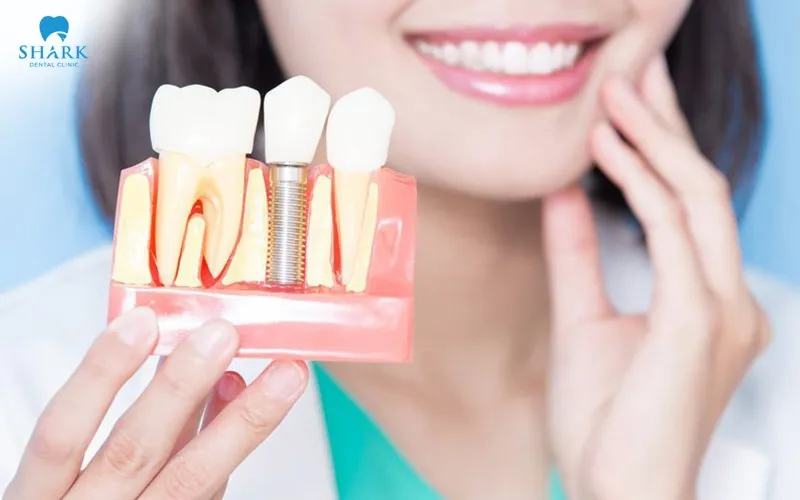
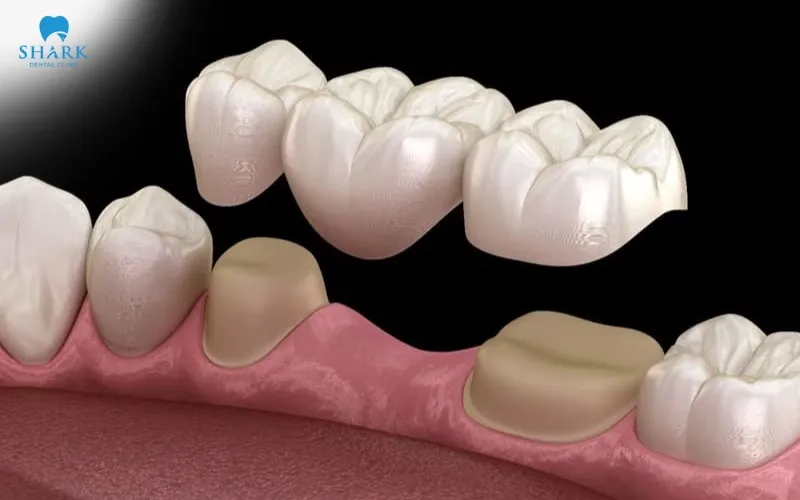
Dental bridge
A dental bridge is a restoration that uses the neighboring teeth as supporting abutments to replace one or more missing teeth within the gap. This option may be suitable for individuals who prefer not to undergo dental implant surgery or who are not suitable candidates for implant treatment.
- Restores chewing ability while providing a natural-looking aesthetic result.
- Usually requires a shorter treatment timeline than dental implant placement.
- Does not involve surgical procedures on the jawbone.
- Typically costs less than dental implant treatment, making it a more budget-friendly restorative option.
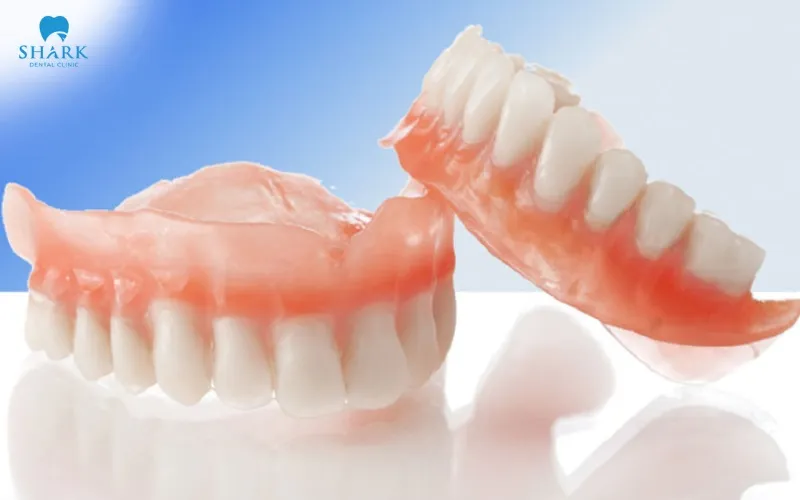
Partial denture
For people who have lost multiple teeth or prefer a simpler tooth replacement option, a partial denture can be a practical and effective solution. This removable dentures appliance is custom-made to fit each person’s unique jaw structure, allowing it to sit comfortably while also being easy to remove and reinsert during daily use.
- More affordable than dental implants and dental bridges.
- Can replace one missing tooth or multiple missing teeth.
- Easy to clean, maintain, and store properly.
- Suitable for a wide range of patients, especially older adults.
How to prevent a crown from falling out?
Although dental crowns are designed to provide long-lasting restoration, they can still become loose or fall out over time if they are not cared for properly. Maintaining good oral hygiene habits and avoiding unnecessary stress on the crown can significantly improve its longevity and reduce the risk of future complications. Here are several important recommendations to help prevent your dental crown from falling out:
- Maintain proper oral hygiene by brushing your teeth at least twice a day with a soft-bristle toothbrush, while also using dental floss and an antibacterial mouthwash to remove plaque buildup and reduce the risk of tooth decay and gum disease around the crown.
- Avoid eating foods that are excessively hard, sticky, or chewy, such as ice, hard candy, caramel, or similar foods, as they can place excessive pressure on the crown and increase the likelihood of cracking, loosening, or dislodging it over time.
- Teeth grinding or clenching during sleep can place continuous force on porcelain crowns, causing them to wear down, loosen, or become damaged. Wearing a custom night guard as recommended by your dentist can help minimize this unnecessary pressure and better protect your restoration.
- Schedule regular dental checkups so your dentist can identify potential problems early, such as decay beneath the crown, weakened dental cement, or a loose-fitting crown, allowing timely treatment before more serious complications develop.
- Avoid using your teeth as tools to open bottle caps, tear open packaging, or bite on hard non-food objects, as these habits can place excessive stress on the crown, reduce its lifespan, and damage both the restoration and the supporting tooth structure.
>>> See more: How long do porcelain crowns last?
To summarize, if your dental crown fell out no tooth left underneath, there is no need to panic or attempt to fix the problem yourself at home. The most important steps are to remain calm, care for the affected area properly, and visit a dental clinic as soon as possible for a professional evaluation. Prompt treatment not only helps reduce the risk of infection and other oral complications but also creates more favorable conditions for successful tooth restoration later on. Shark Dental Clinic hopes the information provided above has given you a clearer understanding of this situation, helping you know how to respond appropriately and confidently should it ever occur.