

In cosmetic dentistry, porcelain crowns are considered a popular solution for creating an attractive smile while restoring the function of natural teeth. However, during or after crown placement, some patients may experience uncomfortable porcelain crown cement leakage. The following article explains the causes, warning signs, and effective ways to manage this condition.
What is porcelain crown cement leakage?
Porcelain crown cement leakage occurs when the dental cement that bonds the porcelain crown to the prepared natural tooth begins to dissolve, deteriorate, or leak outward. As the bonding material breaks down, small gaps may form around the crown margin near the gumline. These openings create favorable conditions for bacteria to enter and increase the risk of potentially serious inflammation or infection.

Common causes of Marginal leakage around a porcelain crown
Porcelain crown cement leakage may develop for several common reasons, such as:
- Deterioration of dental materials: Some older types of dental cement or bonding adhesive may gradually deteriorate after repeated exposure to acids in the oral environment. Over time, the bonding layer can become gradually eroded and weakened. Its adhesive strength then decreases, making it more difficult for the cement to keep the porcelain crown securely attached and allowing small spaces to develop around the crown margin.
- Porcelain crown fabrication technique: During crown fabrication, eerrors in tooth preparation, impression-taking, digital scanning, or crown fabrication may result in an inaccurate fit. This size discrepancy can prevent the crown from fitting closely against the prepared tooth and may leave a visible or microscopic gap after the restoration is placed. Under the repeated pressure of biting and chewing, the dental cement may then become cracked or damaged more easily.
- Crown placement technique: During porcelain crown placement, the dentist must thoroughly clean the prepared tooth before applying the bonding material. If the prepared tooth surface is not completely cleaned before bonding, residual material can interfere with adhesion. The dental cement may then be unable to create a strong, even, and stable bond between the porcelain crown and the natural tooth.
- Harmful daily habits: Certain habits, such as tearing food with the teeth or grinding the teeth during sleep, can generate excessive mechanical pressure. This repeated force may loosen, fracture, or debond the porcelain crown, causing the dental cement underneath to crack, weaken, or begin leaking around the crown margin.

Signs and symptoms of a leaking dental crown
Several typical warning signs can help you recognize porcelain crown cement leakage early and arrange a timely dental examination:
Tooth sensitivity and pain
After porcelain crown placement, if you frequently experience tooth pain or the treated tooth becomes unusually sensitive when exposed to hot, cold, or acidic foods, the crown margin may be leaking. In this situation, bacteria can collect and remain deep within the small gap beneath the crown. This bacterial buildup may gradually cause inflammation, which commonly appears as persistent, dull toothaches and ongoing sensitivity around the restored tooth.
Unpleasant taste or bad breath
A gap around a porcelain crown creates an ideal environment in which bacteria and trapped food debris can accumulate. After remaining there for some time, bacterial activity and decomposing food particles may produce a noticeably unpleasant odor. This condition is often accompanied by an unusual or unpleasant taste inside the mouth, particularly when you swallow saliva.
Visible changes around the crown margin
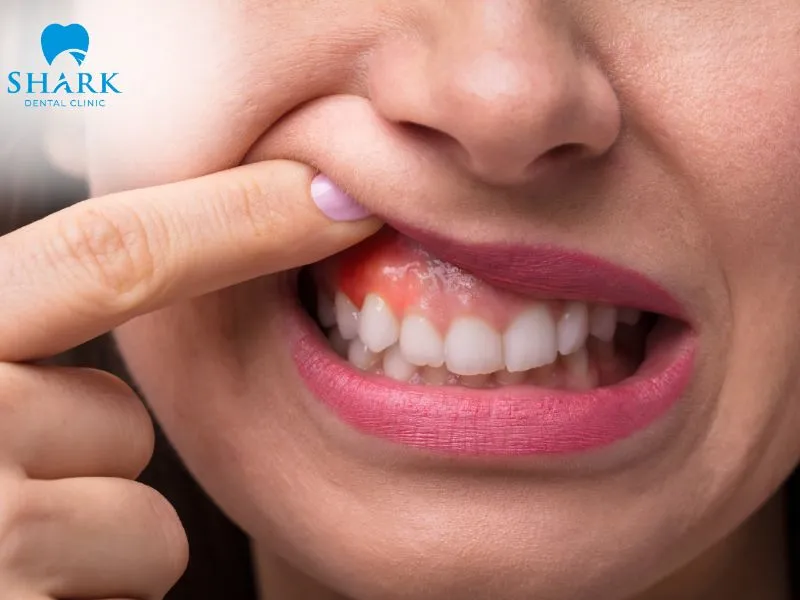
If you notice black or gray areas developing around the porcelain crown margin, or if the surrounding gums appear swollen, inflammation or infection may be present. Other accompanying warning signs can include gum recession that exposes part of the tooth root, movement of the porcelain crown away from its original position, or slight looseness that becomes noticeable when biting and chewing food.
Risks of leaving a leaking crown untreated
A gap around a porcelain crown caused by leaking or deteriorating dental cement should be examined and treated promptly. If this condition is not identified and managed in time, bacteria may continue entering the area beneath the crown and lead to the following oral health risks:
- Tooth decay: Bacteria that remain inside the mouth and beneath the crown for a prolonged period can gradually damage and destroy the prepared natural tooth structure. This decay often progresses silently and may be difficult to recognize at an early stage because the affected tooth is concealed beneath the outer porcelain crown.
- Dental pulp inflammation: Decay or bacterial leakage beneath the crown may progress toward the dental pulp and cause inflammation. for an extended period, eventually causing inflammation of the dental pulp. The resulting tooth pain may range from mild and occasional discomfort to severe, persistent attacks, creating considerable difficulty during eating and other normal daily activities.
- Gingivitis and periodontal disease: Long-term bacterial accumulation along the leaking crown margin can cause redness, swelling, and irritation of the surrounding gum tissue. In more serious cases, this inflammation may also lead to gum recession and bleeding around the affected tooth.
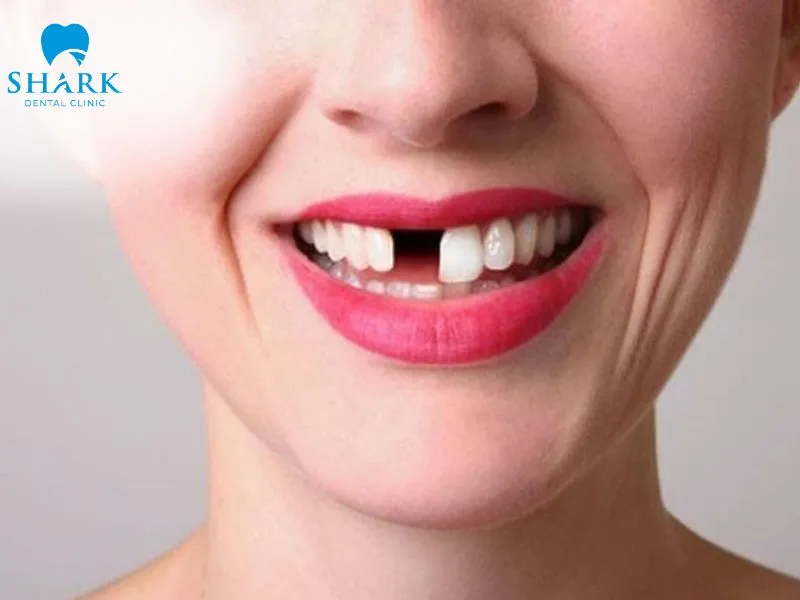
- Loss of the natural tooth: If the prepared natural tooth is severely destroyed and the condition is accompanied by deterioration or loss of the surrounding jawbone, the tooth may eventually be lost permanently. At this stage, the appropriate restorative solution may require removal of the damaged natural tooth and replacement with an artificial tooth, resulting in greater treatment costs and a longer treatment process.
How dentists treat porcelain crown cement leakage?
As soon as signs of porcelain crown cement leakage are detected, the dentist will assess the condition and recommend a suitable treatment approach. Specifically:
- When the porcelain crown remains intact: In this situation, the dentist will gently and carefully remove the porcelain crown. The leaking or deteriorated dental cement is then completely removed, and the area around the crown, prepared tooth, and surrounding oral tissues is thoroughly cleaned to eliminate any remaining adhesive or debris. Finally, the dentist disinfects the prepared tooth and securely bonds the original porcelain crown back into position using a new layer of dental cement.
- When the prepared tooth has decay: Similar to the previous situation, the porcelain crown must first be removed. The dentist will eliminate all decayed tooth tissue, perform root canal treatment if necessary, and rebuild the prepared tooth structure. Finally, the dentist places and securely bonds a new porcelain crown over the rebuilt tooth structure to complete the dental restoration procedure and restore the tooth.
- When the prepared tooth is severely damaged: If the underlying tooth has developed an infection that cannot be treated, or if the remaining tooth structure is no longer strong enough to support a porcelain crown, the tooth root may need to be extracted. The dentist will then discuss other restorative options, such as dental implant placement or a porcelain dental bridge.

How to prevent dental crown cement leakage?
You can actively reduce the risk of porcelain crown cement leakage by following several preventive measures:
- Choose a reputable dental clinic for porcelain crown treatment. At a reliable clinic, the dentist will prepare the natural tooth using the correct technique and use genuine, high-quality dental cement. Correct tooth preparation and reliable bonding materials help the porcelain crown fit closely and remain firmly attached to the prepared natural tooth.
- Maintain the habit of brushing your teeth at least two to three times every day and use a fluoride toothpaste. In addition, combine regular brushing with dental floss and a water flosser to improve cleaning between the teeth, remove trapped food debris, and clean more effectively around the porcelain crown margins.
- Diet: After receiving porcelain crowns, limit foods that are excessively hard or chewy, including ice and hard candy. You should also stop harmful habits such as grinding your teeth during sleep or using your teeth to bite your fingernails.
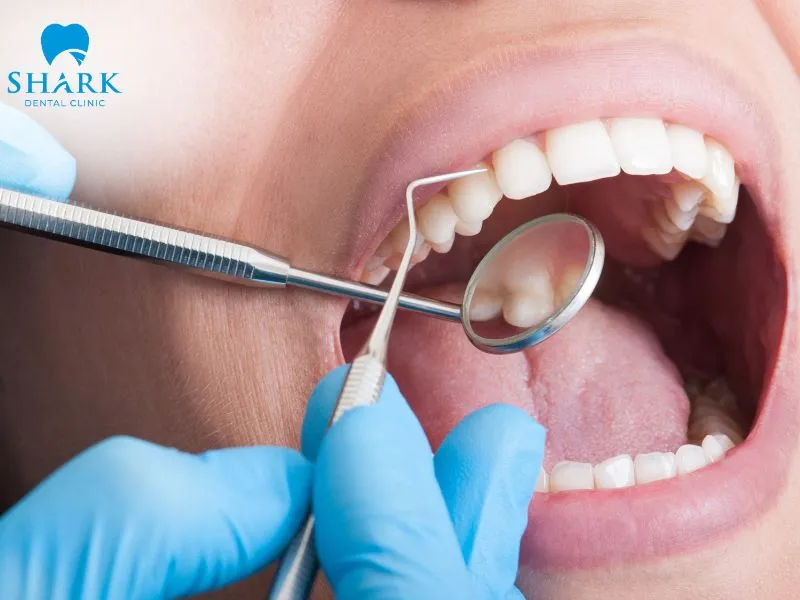
- Regular tartar removal: Having tartar professionally removed according to your dentist’s schedule, or approximately every 3 to 6 months, can significantly reduce the risk of dental cement leakage. This regular professional care also supports healthy teeth and gums and allows the dentist to examine the condition of the crown and surrounding tissues.
Frequently asked questions
Can a leaking crown cause tooth decay?
Yes, a leaking porcelain crown can cause tooth decay. Bacteria can accumulate around the crown margin and easily enter the prepared natural tooth beneath the restoration. Over time, this bacterial buildup may damage the tooth structure and lead to decay.
Can a leaking crown be reglued?
A leaking crown may be reglued if it has not become chipped, fractured, or severely damaged. The dentist will carefully examine the condition of the teeth, the crown, and the dental pulp before deciding whether the existing porcelain crown can be safely bonded back into place.
How long does a porcelain crown typically last?
A porcelain crown generally lasts approximately 10 to 20 years. It may remain functional for even longer when you consistently follow appropriate oral hygiene and dental care instructions.
The information above explains the signs, causes, treatment methods, and preventive measures associated with porcelain crown cement leakage. This is a relatively common problem that can create serious risks to oral health if it is ignored. To protect the restored tooth and surrounding oral tissues, contact a dentist promptly if you notice pain, looseness, an unusual taste, or any other abnormal symptom after receiving a porcelain crown.
>>> See more: Can I glue my crown back on?