
After veneers are bonded to the surfaces of the teeth, many people initially experience an unfamiliar sensation. Some may even feel that the veneers are slightly bulky or uncomfortable when speaking, eating, or drinking. This is a completely natural response after cosmetic dental treatment. So, how long does it take to get used to veneers? The following article will explain the expected adjustment period in greater detail.
How long does it take to get used to veneers?
After receiving veneers, most people need approximately 3 to 14 days to become accustomed to them. However, this is only a general reference period, and the exact adjustment time may vary from one person to another depending on individual physical characteristics and the speed of healing after treatment.
In many cases, the sensation of bulkiness and discomfort improves significantly from around the fourth day after veneer placement. At this point, you can usually begin eating, drinking, and speaking more comfortably, while the veneers gradually start to feel increasingly similar to your natural teeth.
The first few days of adjustment
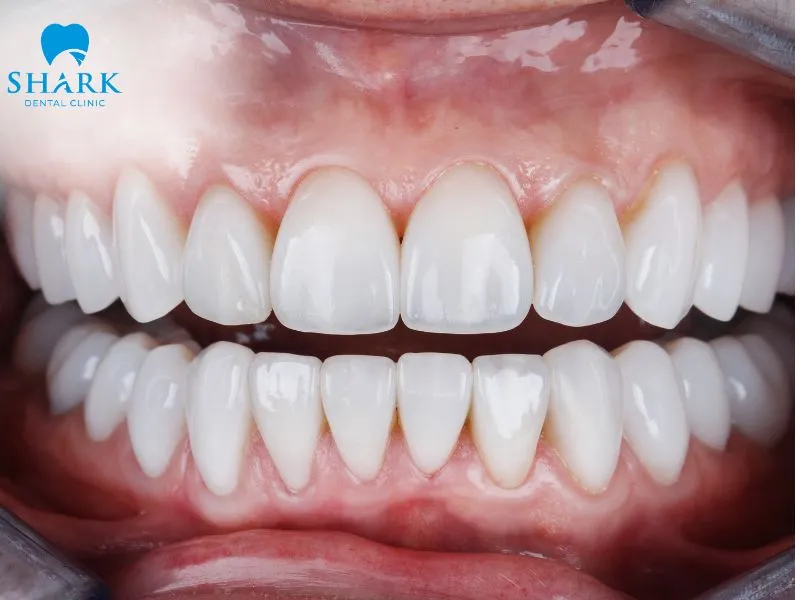
During the first 1 to 3 days after the veneers are placed, you may experience a slightly bulky feeling or mild tooth sensitivity. These sensations may become more noticeable when the treated teeth suddenly come into contact with very hot or cold foods and beverages.
In addition, some people may feel mild soreness or discomfort around the gumline. This can occur because the surrounding gum tissue may become mildly irritated during the veneer placement procedure at the dental clinic. These early symptoms usually appear while the teeth and gums begin adapting to the newly placed veneers.
The two-week adjustment milestone
Between 7 and 14 days after veneer placement, any mild gum irritation has usually improved, and the veneers should feel more comfortable. As a result, the initial feeling of bulkiness or discomfort gradually decreases and may eventually disappear.
At this stage, you can usually speak comfortably, eat and drink as normal, and carry out your everyday activities without significant difficulty. You may also feel more confident when smiling because the veneers have started to feel stable and natural inside the mouth.
>>> See more: Do veneers help receding gums?
Common sensations during the veneer adjustment period
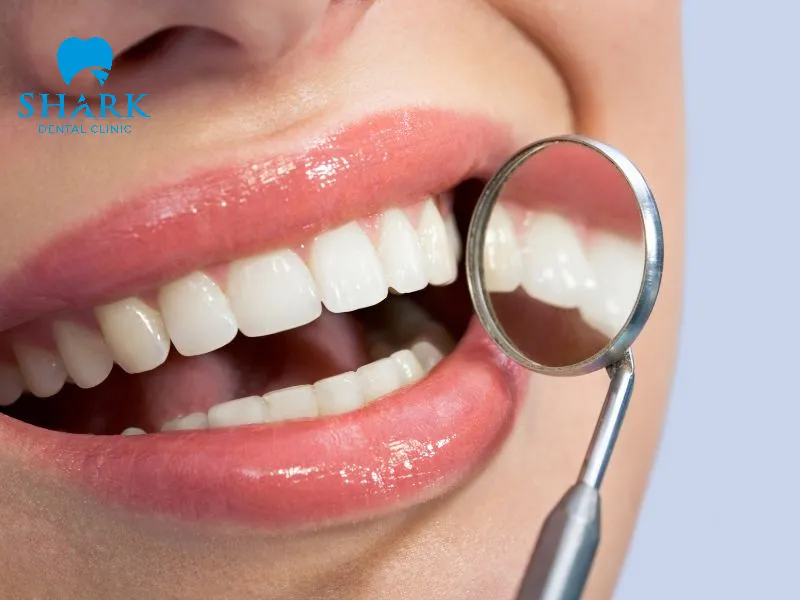
After veneers are placed, the oral cavity needs a certain amount of time to become familiar with and adapt to the presence of the new dental material. During this adjustment period, you may commonly experience several temporary sensations, such as:
Mild tooth sensitivity to hot and cold
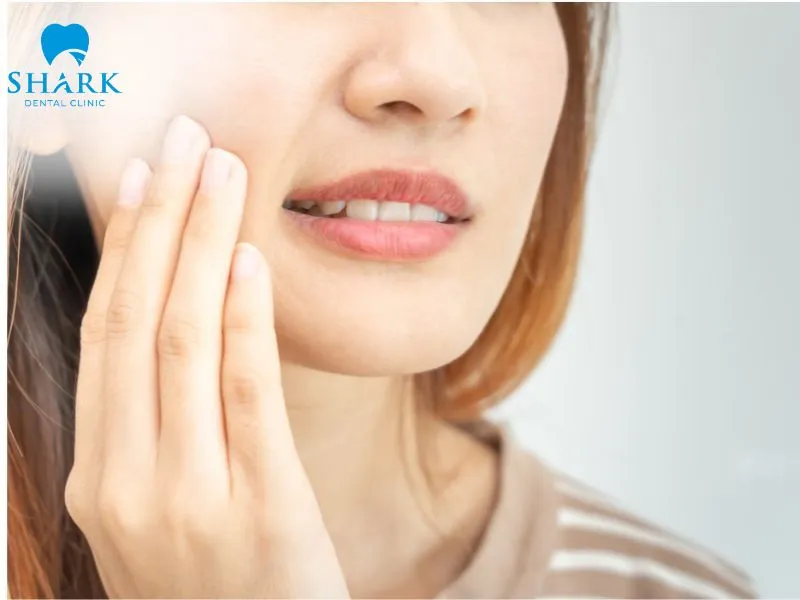
During the early period after veneer placement, you may notice mild tooth sensitivity when consuming foods or drinks that are excessively hot or cold. This sensitivity can become more noticeable when the treated teeth are exposed to sudden temperature changes.
Dental professionals explain that this sensation may occur because a small amount of natural tooth enamel has been removed during preparation. When the prepared tooth surface comes into contact with the dental adhesive and porcelain veneer, temporary sensitivity or a mild tingling sensation may develop.

Temporary changes in speech and pronunciation
Although porcelain veneers are extremely thin, attaching them to the surfaces of the teeth may still cause some initial limitations in speech and pronunciation. This is a completely normal physiological response. Once the oral cavity has adapted to the veneers, speaking will gradually feel more natural, allowing you to communicate more comfortably during everyday conversations without the same initial difficulty.
A feeling of bulkiness in your mouth
During the early period after porcelain veneers are placed, you may experience a slightly bulky or uncomfortable sensation inside the mouth. Many people feel that something is in the way, temporarily affecting speech or chewing comfort. This temporary sensation will gradually decrease and improve as the oral cavity becomes fully accustomed to the new dental material and the altered feeling around the tooth surfaces.
Tips to help you adjust to your new veneers faster
To shorten the adjustment period after receiving porcelain veneers, you can follow several simple but useful tips below. These measures can help reduce temporary discomfort during daily activities while allowing your teeth, gums, lips, and tongue to gradually become familiar with the veneers.
Modify your diet with soft foods
During the first week after veneer placement, you should prioritize soft foods that are easy to chew and swallow. Suitable options include porridge, soup, broth-based dishes, and smoothies. These foods are gentle on the digestive system while also reducing biting and chewing pressure. As a result, they can help limit tooth pain, soreness, and discomfort during normal daily activities, especially while eating.

Practice speaking and reading aloud
To adapt more quickly to the presence of porcelain veneers inside the mouth, spend approximately 10 to 15 minutes each day practicing speaking and reading aloud. Actively exercising the tongue and lip muscles helps you adjust your airflow and become more flexible when forming sounds. With regular practice, pronunciation and communication in daily situations should gradually become more comfortable, controlled, and natural.
Maintain a gentle oral hygiene routine
After porcelain veneers are placed, you still need to maintain a consistent routine for cleaning your teeth and mouth every day. However, while brushing, use a toothbrush with soft bristles and move it gently in a vertical direction to avoid placing too much unnecessary pressure on the teeth and gum tissue.
You may also combine brushing with a water flosser and dental floss to improve cleaning effectiveness. These tools help remove food debris and plaque from areas between the teeth that may be difficult to reach with a toothbrush alone, supporting more thorough daily oral hygiene.
When should you see your dentist about veneer issues?
Although the feeling of bulkiness and discomfort usually improves and disappears within 3 to 14 days, there are certain situations in which you should visit a dentist for an examination and treatment of unusual symptoms. These situations include the following:
- If a porcelain veneer does not fit closely against the natural tooth, it may create an open contact or an irregular margin. This space can allow food particles to become trapped and provide favorable conditions for bacteria to accumulate. Therefore, if food frequently becomes lodged between your teeth and causes persistent bad breath, you should visit a dentist so the veneer and surrounding area can be carefully examined.
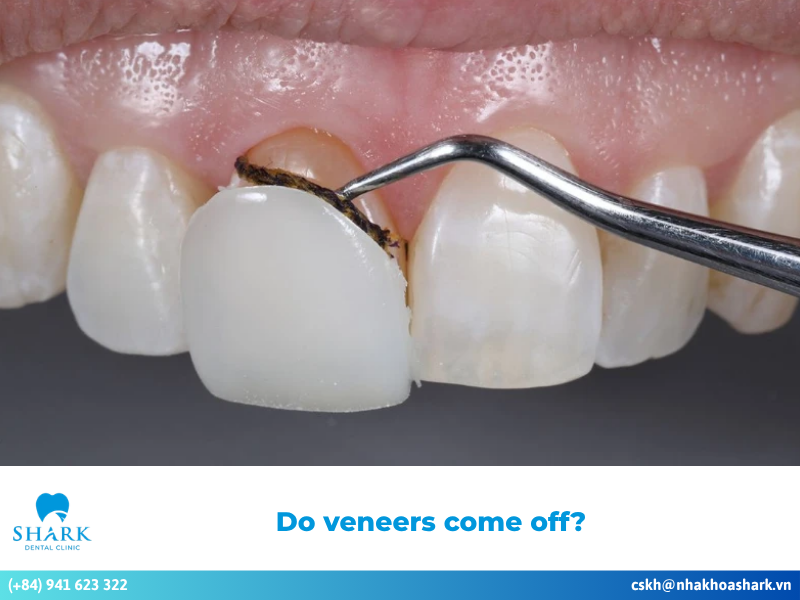
- If you feel that a porcelain veneer is loose or has shifted away from its original position, you should arrange an examination as soon as possible at a reputable dental clinic. At the clinic, the dentist will inspect the veneer, identify the problem, and provide timely treatment to help maintain the cosmetic result and function.
- A dark line around the gumline is also an unusual warning sign. This change may indicate that an infection has developed and needs to be treated promptly before it affects the surrounding oral tissues.
- In addition, if you still experience discomfort or a bulky sensation while biting and chewing approximately 14 days after veneer placement, the veneers should be professionally checked.
Besides the warning signs mentioned above, you should visit a reputable dental clinic if prolonged tooth sensitivity, persistent veneers pain, or ongoing gum bleeding develops after porcelain veneer placement. These symptoms may indicate an underlying dental problem and negatively affect your oral health if they are not examined and treated in a timely manner.
How to care for your dental veneers long term?
To keep porcelain veneers bright, durable, and attractive over time, you should follow a suitable and consistent oral care routine. Proper daily care can help preserve their appearance and long-term condition. Important recommendations include the following:
- Diet: To help your porcelain veneers maintain their durability and aesthetic appearance, pay close attention to your daily diet. Avoid foods that are excessively hard or chewy, as well as foods containing large amounts of seasoning or artificial coloring, because these may place unnecessary pressure on the veneers or affect their appearance.
- Oral hygiene: Brush your teeth two to three times each day and use a gentle fluoride toothpaste. Clean the teeth carefully to maintain oral hygiene while avoiding unnecessary damage to the natural tooth enamel and the areas surrounding the veneers.
- Avoid harmful habits: You should stop harmful habits such as biting your fingernails or grinding your teeth while sleeping. Over time, these habits can wear down the porcelain surfaces and may even cause the veneers to shift, become misaligned, or fall away from their original positions.
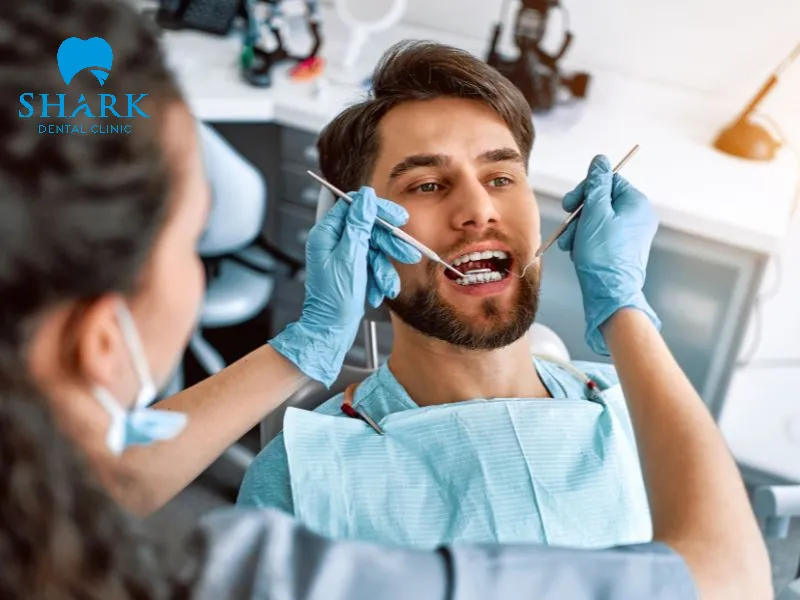
- Regular dental checkups: Dentists recommend attending a routine dental examination every 3 to 6 months. These appointments allow the dentist to examine the condition of your teeth, gums, and veneers. If any unusual signs are detected, the dentist can recommend and provide an appropriate treatment approach without unnecessary delay.
The information above provides a detailed answer to the question of how long does it take to get used to veneers. The article also shares useful tips that can help you adapt to your veneers more quickly and continue your everyday activities comfortably. Hopefully, you now understand how to care for and protect your teeth, gums, and porcelain veneers effectively.