

Having a bright, white smile is something many people hope to achieve, but not everyone has the time or convenience to visit a dental clinic regularly for whitening treatments. For that reason, whitening gel for teeth has become a popular option for many people because it is convenient and can help improve tooth color at home. However, many people still wonder whether this type of whitening gel is truly effective and how it actually works on the teeth. Let’s explore the details with Shark Dental Clinic in the article below.
How do whitening gel for teeth work?
Whitening gel for teeth works mainly through peroxide-based active ingredients, with the most common being Hydrogen Peroxide and Carbamide Peroxide. These are both ingredients that dental professionals recognize as safe and effective when they are used properly and according to the recommended instructions.
When the gel is applied directly to the tooth surface, these active ingredients begin to activate an oxidation process. During this process, oxygen molecules are released and can penetrate through the enamel layer of the teeth. These oxygen molecules then act on the molecules responsible for yellowing, staining, and dull tooth color, breaking them down into smaller fragments. As these stain-causing molecules are broken apart, visible stains are gradually reduced, the tooth surface reflects light more effectively, and the teeth appear brighter, clearer, and whiter in color.
The whitening effect of the gel also depends greatly on the concentration of Hydrogen Peroxide included in the product. In general, whitening products designed for at-home use usually contain a concentration of about 3–20%, while professional whitening gels used at dental clinics may contain around 15–43% Hydrogen Peroxide. A higher concentration often produces faster and more noticeable whitening results. However, it can also increase the risk of tooth sensitivity or gum irritation if the product is not used correctly or not followed according to the proper instructions.
Common ingredients in whitening gels
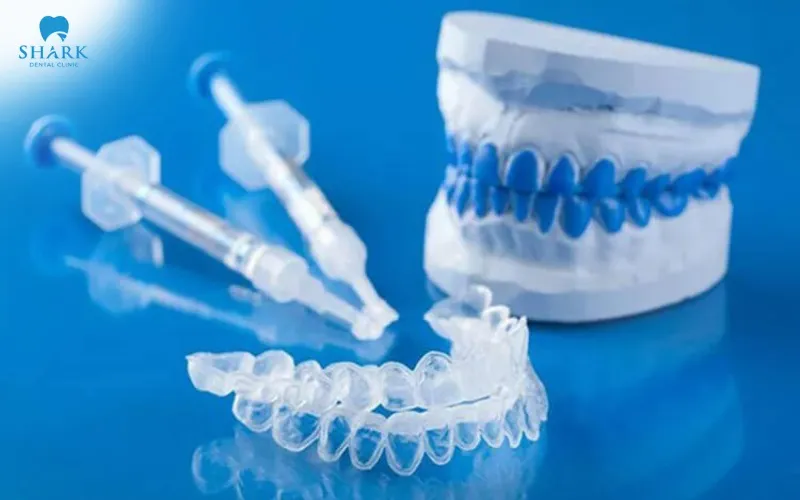
The effectiveness of whitening gel for teeth depends mainly on the active ingredients included in the product formula. In addition to whitening ingredients, many types of gel are also supplemented with other active components that help reduce sensitivity and create a more comfortable feeling throughout the whitening process. Below are some of the most common ingredients found in whitening gels:
- Hydrogen Peroxide: This is one of the most commonly used whitening active ingredients in teeth whitening products. Hydrogen Peroxide can penetrate through the enamel layer and react with the pigments that cause yellow stains and discoloration on the teeth. Through this reaction, it breaks down the structure of these pigments, helping to remove the dull or yellow appearance of the teeth. This bleaching agent can help improve both stains located on the tooth surface and deeper discoloration inside the tooth structure.
- Carbamide Peroxide: This is also a widely used whitening active ingredient. When Carbamide Peroxide comes into contact with water, it gradually breaks down and releases the active whitening component that helps create the teeth whitening effect. Because of this mechanism, this ingredient is commonly used in many types of whitening gel for teeth, including products designed for home use as well as products used in dental clinics.
- Potassium Nitrate: Many whitening products are supplemented with Potassium Nitrate to help reduce the feeling of sensitivity that may occur during use. This ingredient helps soothe the nerves inside the teeth, making the whitening process feel more comfortable, especially for people who need safe teeth whitening for sensitive teeth.
- Amorphous Calcium Phosphate: This active ingredient helps support the reduction of tooth sensitivity and also contributes to protecting the enamel surface during the whitening process. Thanks to this support, users may be able to limit the uncomfortable feeling that can occur after using whitening gel for teeth.
Who can use whitening gel for teeth?
Whitening gel for teeth can help improve tooth color and remove stains effectively. However, this whitening method is not suitable for every person or every dental condition. To ensure safety and achieve the results you expect, you should carefully consider the following cases before using whitening gel:
- Whitening gel is suitable for people who have already had all of their baby teeth replaced and have a complete set of permanent teeth. For children, it is best to wait until the tooth replacement process has fully ended before considering any teeth whitening method.
- People whose teeth have become dull or discolored due to foods, beverages, or the natural aging process may use whitening gel for teeth if they are assessed as suitable after a dental examination.
- Whitening gels do not whiten porcelain crowns, veneers, or dental fillings in the same way they whiten natural teeth when using over-the-counter whitening gels. In these cases, the whitening effect may be limited depending on the existing dental condition.
Before using any whitening gel, everyone should visit a dental clinic and consult a dentist. A professional examination helps evaluate the current condition of the teeth and gums, while also helping you choose a suitable whitening product or whitening method. This can improve treatment effectiveness and reduce unwanted risks during the whitening process.
How to use whitening gel for teeth at home?
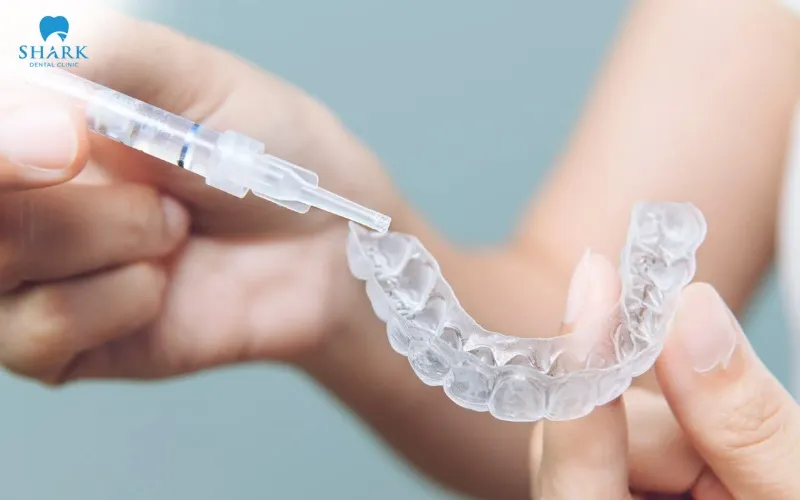
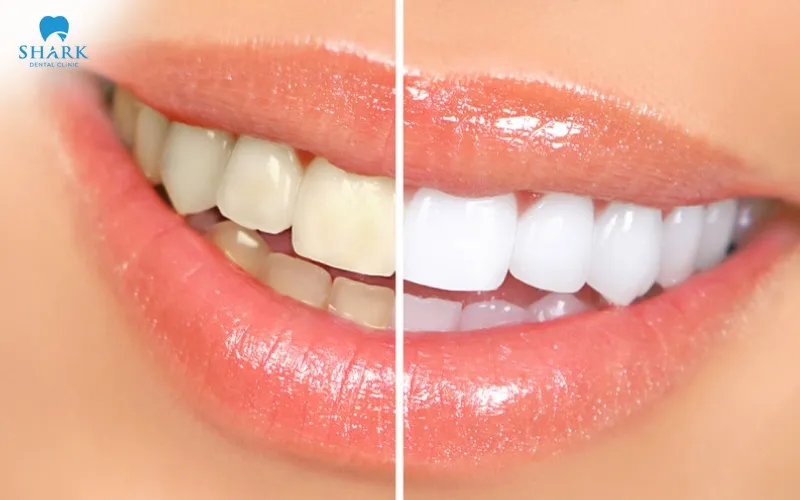
To help the gel work effectively while limiting tooth sensitivity or gum irritation, you should consult a dentist first, so your oral condition can be checked and the most suitable gel can be recommended. In many cases, the dentist will design a whitening tray that fits closely to your dental arch and will guide you on the appropriate wearing time. Depending on the product, the tray may need to be worn for a few hours during the day or overnight. Usually, a whitening course lasts about 2 weeks to achieve the desired result. Below are the steps for using whitening gel for teeth at home that you can refer to:
- Brush your teeth thoroughly before applying the gel. This helps remove plaque from the tooth surface and allows the active whitening ingredients to come into more even contact with the teeth.
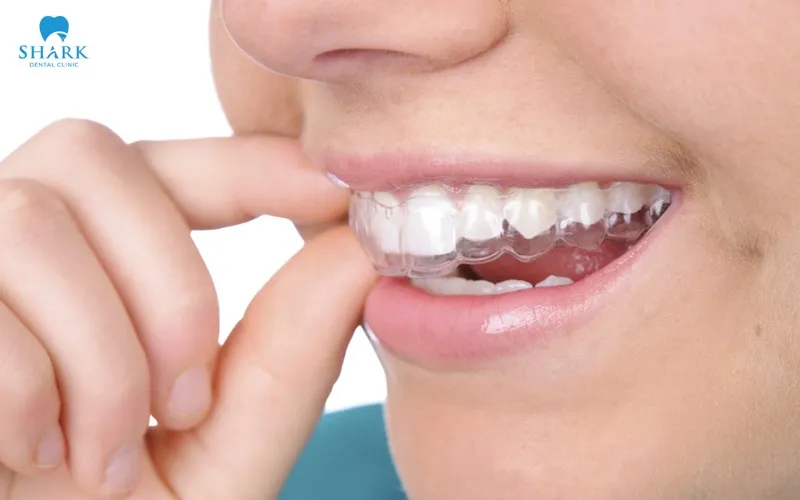
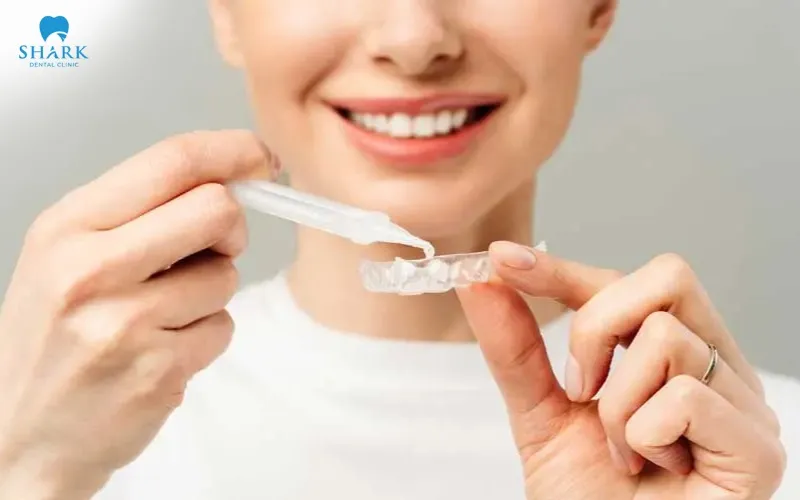
- Place a suitable amount of gel into the whitening tray according to the instructions, then wear the tray over your teeth. If the gel overflows and comes into contact with the gums, wipe it away immediately to help limit irritation to the soft tissue.
- During the entire whitening process, avoid swallowing whitening gel for teeth to help ensure safety for your health.
- After the tray-wearing time has ended, remove the tray and gently clean away any remaining gel from the teeth or gums. You can use a clean towel, a clean finger, or a soft-bristled toothbrush to remove the leftover gel carefully.
- Finally, rinse your mouth thoroughly with water. This helps clean the oral cavity and remove any remaining gel after the whitening treatment is complete.
How much whitening gel should you use?
The amount of whitening gel used in each treatment should be controlled carefully so that it is enough to provide whitening effectiveness while limiting the risk of irritation. Usually, the dentist will guide you on the suitable amount of gel for your specific whitening tray before you take the product home for use.
The gel should only be applied in an amount that is enough to evenly cover the tooth surface when the tray is worn. If you use too much gel, it may overflow from the tray and come into contact with the gums, which can cause irritation, mild burns, or increased tooth sensitivity. On the other hand, if you use too little gel, the active ingredients may not fully cover the teeth, which can reduce the whitening effect.
Therefore, you should follow the exact amount of gel recommended by your dentist or by the product manufacturer. Using more gel than instructed does not help the teeth whiten faster. Instead, it only increases the risk of soft tissue irritation and may make the teeth become more sensitive during the whitening process.
How long does whitening gel last?
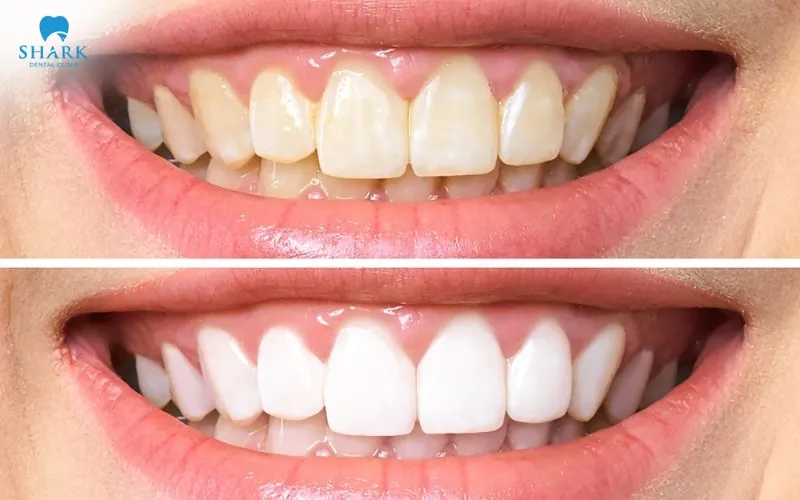
How long the results of whitening gel for teeth last depends on each person’s oral care routine and daily lifestyle habits. If you maintain proper oral hygiene and limit factors that can cause tooth discoloration, the whitening results may last from 1 to 3 years. To help keep your teeth bright and white for a longer period, you should pay attention to the following habits:
- Brush your teeth at least 2 times a day: Daily brushing helps remove plaque from the tooth surfaces and limits the formation of new stains. This is an important habit for maintaining a cleaner mouth and helping the whitening results last longer after treatment.
- Use dental floss every day: Flossing helps clean food debris and plaque from the spaces between the teeth, where a toothbrush may not reach effectively. This supports overall oral health and also contributes to keeping the teeth cleaner after whitening.
- Visit the dentist regularly: Regular dental checkups allow the dentist to examine your oral condition and clean tartar buildup when needed. This helps maintain oral hygiene and contributes to preserving the whitening results for a longer time.
- Avoid using tobacco: Tobacco is one of the leading causes that can make teeth quickly become yellow again. Limiting or avoiding tobacco use helps reduce the risk of discoloration returning after teeth whitening.
- Limit dark-colored foods and beverages: You should reduce foods and drinks with strong colors, such as coffee, tea, red wine, or colored soft drinks. This helps lower the risk of the teeth becoming dull or stained again after whitening.
Side effects of teeth whitening gels
Whitening gel for teeth is considered safe when used properly and according to instructions. However, some people may still experience certain side effects during the whitening process. Common side effects may include:
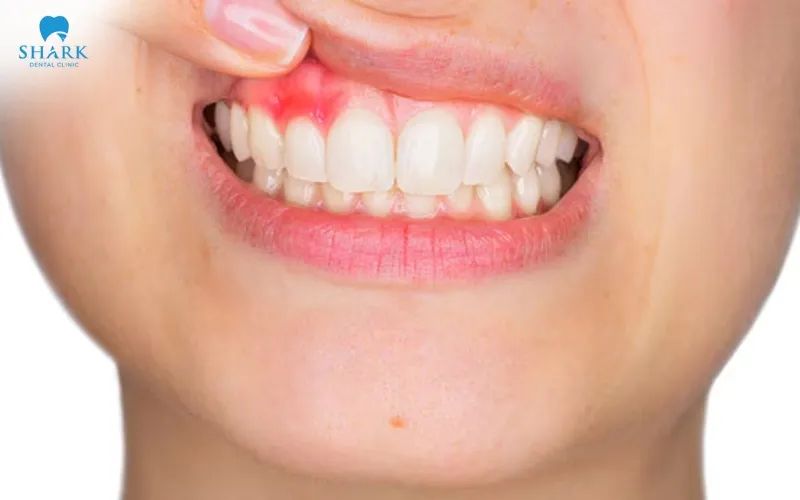
- Gum irritation: This is a common condition when the gel comes into direct contact with the gums. It often occurs because the whitening tray does not fit closely or because too much gel has been applied. Users may feel a burning sensation, soreness, or discomfort in the gums during the treatment period.
- Tooth sensitivity: The peroxide-based active ingredients in whitening gel for teeth may make the teeth more sensitive, especially when eating or drinking hot or cold foods and beverages. However, this sensitivity is usually temporary and will gradually decrease after the whitening course ends.
- Increased risk of irritation when used incorrectly: Using too much gel on your own, wearing the tray for longer than the recommended time, or using the product incorrectly may increase the risk of gum irritation and make the teeth more sensitive during treatment.
In summary, whitening gel for teeth not only helps remove yellow stains on the tooth surface, but also breaks down discoloration molecules deep inside the dentin through whitening active ingredients. However, this type of gel only produces clear effects for teeth that have become discolored due to foods or aging, and it does not provide effective results for cases of severe tetracycline staining. With the information above, Shark Dental Clinic hopes you have gained more knowledge about this product, allowing you to consider using it appropriately based on your oral condition and achieve the best possible results.