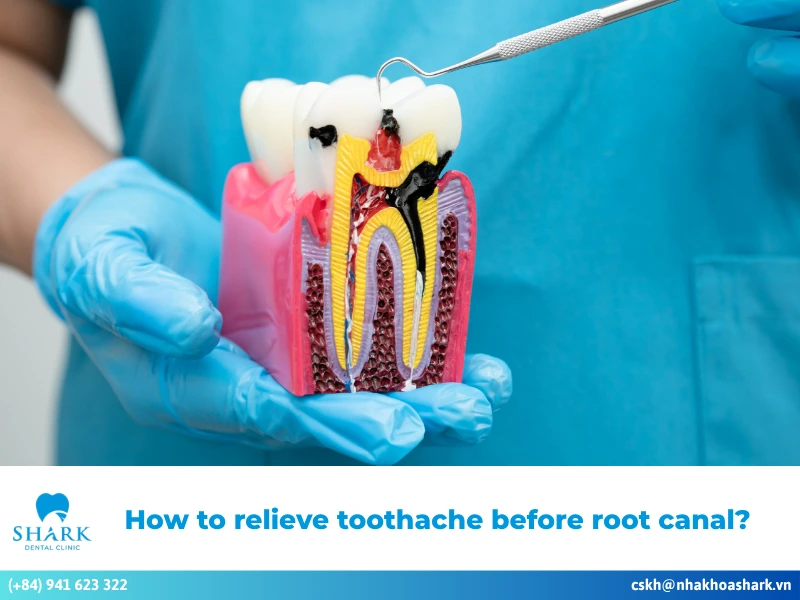


Tooth extraction is a minor oral surgical procedure performed to completely remove a damaged or severely damaged or non-restorable tooth from the dental arch. However, one of the most common concerns many people have is how long tooth extraction recovery takes and how the healing process progresses after the procedure. To better understand the recovery timeline and the stages of healing after tooth extraction, let’s explore the details in the article below with Shark Dental Clinic!
How long is the recovery time after a tooth extraction?
Soft tissue healing typically takes 7–14 days, while complete bone healing may require several weeks to months, depending on each person’s overall health condition, oral hygiene habits, and natural healing ability. In most cases, recovery from tooth extraction happens gradually through several healing stages, beginning with blood clot formation and continuing through soft tissue and bone remodeling.
For more complicated cases, such as impacted teeth, severely misaligned teeth, or difficult wisdom tooth extractions, the dentist may need to make a deeper incision beneath the gum tissue to completely remove the tooth and any remaining root fragments when necessary. In these situations, the tooth extraction recovery process may take longer, often lasting from 2–3 weeks or even more than 4 weeks in individuals with sensitive healing responses or slower tissue regeneration.
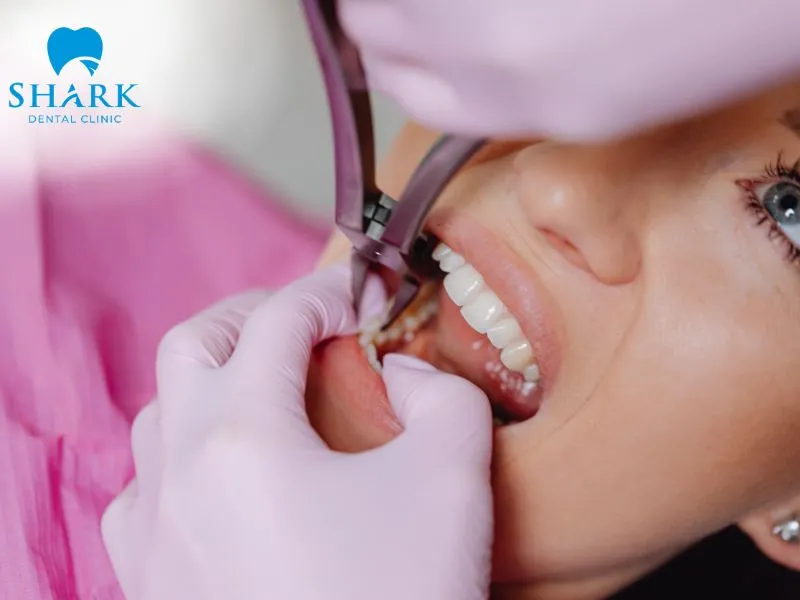
How does the tooth extraction recovery process work?
After a tooth extraction, the healing process progresses through several different stages as the body gradually repairs the damaged tissue and protects the extraction site from infection after tooth extraction:
Day 1: Right after the extraction
During the first 24 hours after the tooth extraction, a blood clot will form at the extraction site. This blood clot plays an extremely important role in protecting the underlying nerves and jawbone from bacteria inside the oral cavity, while also helping prevent excessive bleeding after the procedure. At this stage, some patients may experience mild pain, soreness, or discomfort around the extraction area. Patients are usually instructed to bite gently on gauze for approximately 30 minutes to help stabilize and protect the blood clot during the early phase of tooth extraction recovery.
Days 2 to 3: Early inflammation
Starting from the second day after the extraction, the body begins activating its natural healing and anti-inflammatory response mechanisms. During this stage, some patients may notice swelling around the cheeks or gums, accompanied by throbbing pain and temporary discomfort in the extraction area. These symptoms are considered relatively common during early recovery from tooth extraction. Applying a cold compress externally may help reduce swelling after tooth extraction.

Days 4 to 5: Early tissue growth
By the fourth or fifth day, the pain and swelling usually begin to improve gradually, allowing patients to eat, speak, and perform daily activities more comfortably. At this point, the body starts generating new connective tissue to replace the original blood clot formed after the extraction. This stage is considered a positive sign of tooth extraction recovery because it indicates that the wound is healing properly and that the risk of infection is being reduced significantly.
Days 6 to 7: Steady recovery
After about one week, the soft tissues around the extraction site are nearly healed, while the pain and discomfort gradually decrease or may disappear completely. During this stage of tooth extraction recovery, patients can usually eat a wider variety of foods and feel more comfortable when eating or speaking. However, it is still important to avoid chewing foods that are too hard or crunchy because the gum tissue around the extraction area remains sensitive and is still healing.
Week 2: Healing from the inside out
Around two weeks after the tooth extraction, the wound surface is typically fully closed, allowing patients to return to more normal eating and daily activities. Although the gums appear healed on the outside, the healing process underneath the gum tissue still continues. During this stage, bone tissue cells continue regenerating to gradually fill the empty space left after the extraction, helping restore the and support long-term tooth extraction recovery.
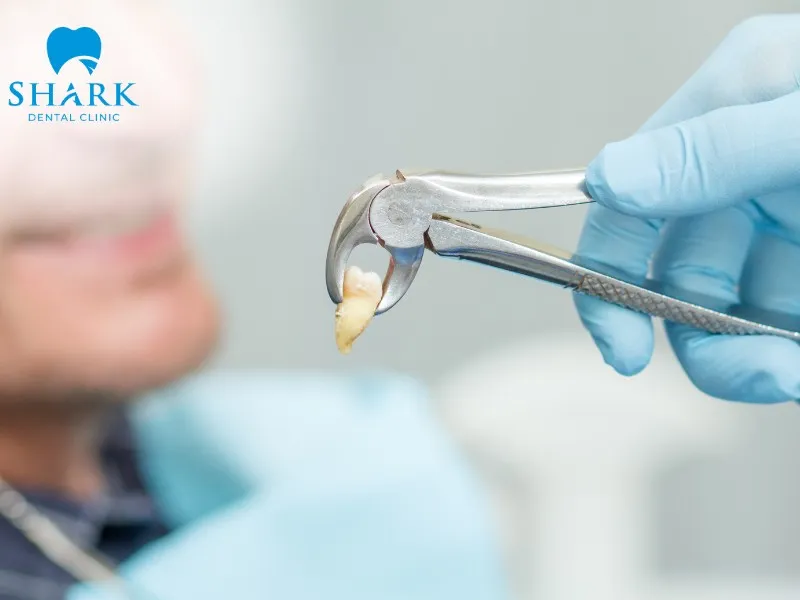
Tips to support faster after tooth extraction recovery
After a tooth extraction, proper care and healthy daily habits can help the wound heal faster and support a smoother recovery process. Below are several useful tips:
- Cold compress: During the first 1–2 days after the extraction, applying a cold compress to the outside of the cheek may help reduce swelling and pain effectively. Cold temperature helps constrict blood vessels, minimize inflammation, and provide greater comfort during the early stages of recovery from tooth extraction.
- Warm compress: Starting from the third day after the extraction, patients may switch to warm compresses to help stimulate blood circulation and support the reduction of bruising around the affected area.
- Nutritional diet: Patients should prioritize nutritious foods that are soft, easy to chew, and easy to swallow, such as porridge, soup, or broth-based meals. At the same time, acidic foods, excessively hard foods, chewy dishes, spicy meals, and very hot foods should be limited to avoid irritating the sensitive oral tissues.
- Oral hygiene: During the first few days after tooth extraction, maintaining proper oral hygiene is extremely important. Patients should rinse gently with saline solution and brush their teeth carefully using gentle motions to remove bacteria and leftover food particles without affecting the extraction site.
- Proper rest and relaxation: Adequate rest is essential, especially during the first 1–3 days after the procedure. Patients should also avoid smoking, alcoholic beverages, stimulants, and high-intensity physical activities within the first 48 hours, as these factors may negatively affect tooth extraction recovery and slow down the healing process.
>>> See more: When can you smoke after tooth extraction?

Possible complications during the tooth extraction recovery process and solutions
After a tooth extraction, some patients may experience certain complications during the healing process, such as:
- Prolonged bleeding: Some patients may experience continuous bleeding for 3–5 days after the extraction without noticeable improvement. This condition is often caused by a dislodged blood clot or injury to the soft tissue around the extraction site.
- Dry socket: In some cases, the blood clot may become detached too early after the extraction, exposing the exposed alveolar bone within the extraction socket. This condition, known as dry socket, can cause severe pain and discomfort, sometimes accompanied by pain spreading to the temples or the top of the head.
- Nerve damage: After tooth extraction, especially in cases involving impacted or misaligned teeth, nerve injury may occur. Common symptoms include numbness in the gums, itching sensations, or loss of feeling in the chin, tongue, or lips.
- High fever and swollen lymph nodes: More serious complications after tooth extraction may include swollen lymph nodes accompanied by an unusually high fever. This is considered a dangerous warning sign and requires prompt dental examination and treatment.

If any of the complications above occur, patients should remain calm and contact their dentist immediately for timely examination and appropriate treatment to ensure safety during tooth extraction recovery.
- Managing prolonged bleeding: If bleeding continues for an extended period after tooth extraction, patients should use a sterile gauze pad and bite down gently on the bleeding area for about 45–60 minutes. During this time, it is important to rest, relax, keep the head elevated with a pillow, and avoid forceful spitting to help protect the blood clot and support tooth extraction recovery.
- Managing dry socket: A dislodged blood clot that leads to dry socket can cause severe pain and discomfort. In this situation, patients should avoid touching or applying pressure to the extraction area and contact their dentist immediately for appropriate pain medication and treatment of any possible infection.
- Managing nerve damage: In some cases, numbness in the lips or gums caused by nerve compression after tooth extraction may gradually recover without treatment. However, if the numbness does not improve after 7 days, patients should visit a dental clinic for timely examination and proper care.
- High fever and infection: This is considered a serious complication after tooth extraction and requires immediate medical attention. Patients may need fever treatment and specialized procedures, such as drainage of the infected area, to help prevent the infection from spreading further.

The tooth extraction recovery process is a natural healing response of the body, but proper oral care and a healthy diet play important roles in supporting recovery. Understanding the healing stages after tooth extraction can help patients shorten recovery time and care for the extraction site more effectively. Hopefully, the information shared above provides useful knowledge to help you feel more confident during recovery from tooth extraction.