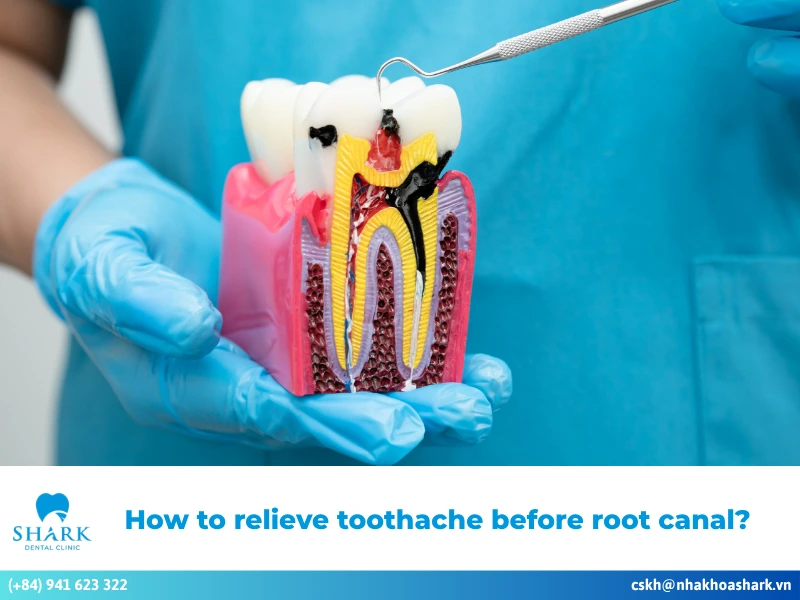


Tooth decay and chipped teeth continue to present significant challenges in dentistry. Choosing between porcelain crown vs porcelain inlay can leave many people uncertain about which option is more appropriate. The following article compares porcelain crowns and porcelain inlays to help you understand the differences and consider the treatment that may best suit your dental condition.
Understanding porcelain crown vs porcelain inlay
Porcelain crowns and porcelain inlays are two popular modern dental restorations chosen by many patients.
What is a porcelain crown?
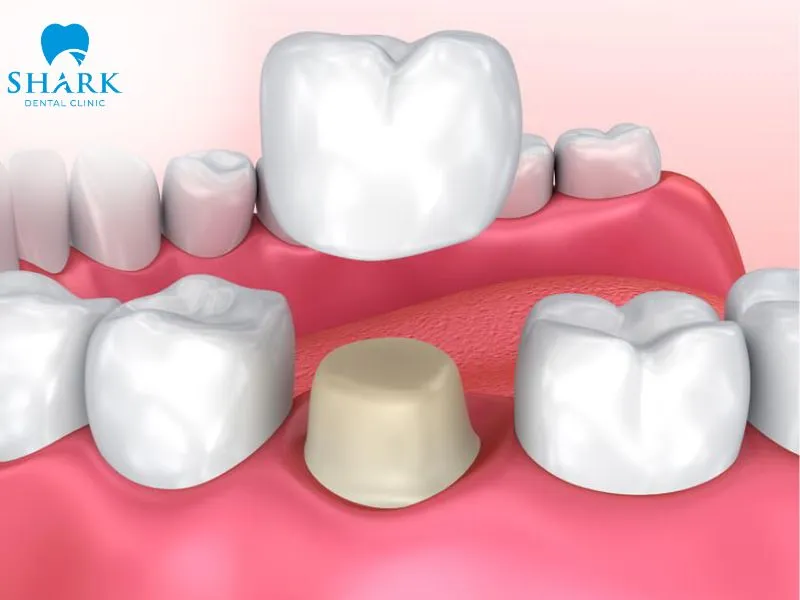
A porcelain crown is a dental restoration made from a metal alloy covered with porcelain or from solid ceramic. It is designed with a color, shape, and size similar to a natural tooth. A crown acts like a strong protective cap over the prepared tooth. It shields the remaining natural tooth structure from external factors while helping maintain normal chewing and speaking functions and improving the overall appearance of the restored tooth and smile.
To place a porcelain crown, the dentist must carefully calculate and remove a precise amount of natural tooth structure, creating a prepared tooth that provides stable support. The dentist then uses specialized dental cement to secure the porcelain crown over the tooth and complete the restoration procedure.
What is a porcelain inlay?
A porcelain inlay is made from high-quality ceramic and carefully designed to match the size, shape, and color of the natural tooth. Unlike a porcelain crown, an inlay does not cover the entire prepared tooth. Instead, it is used only to replace the specific portion of tooth tissue that has been lost or damaged.
Porcelain inlay treatment also helps preserve as much of the natural tooth as possible because extensive tooth preparation is not required. The dentist mainly removes the affected tissue and retains the remaining healthy structure.
Key differences between porcelain crown vs porcelain inlay
Porcelain crowns and porcelain inlays are modern dental restorations that help restore the function and original shape of natural teeth. The main differences between these two options include the following:
Coverage and tooth preservation
For a porcelain inlay, the dentist does not need to remove the entire outer layer of tooth enamel. Only the decayed, infected, or damaged tissue is eliminated, helping preserve the remaining natural tooth structure.
In contrast, placing a porcelain crown requires the dentist to prepare and reduce the natural tooth. This process creates a strong tooth foundation capable of supporting the crown placed over it.
Durability and lifespan
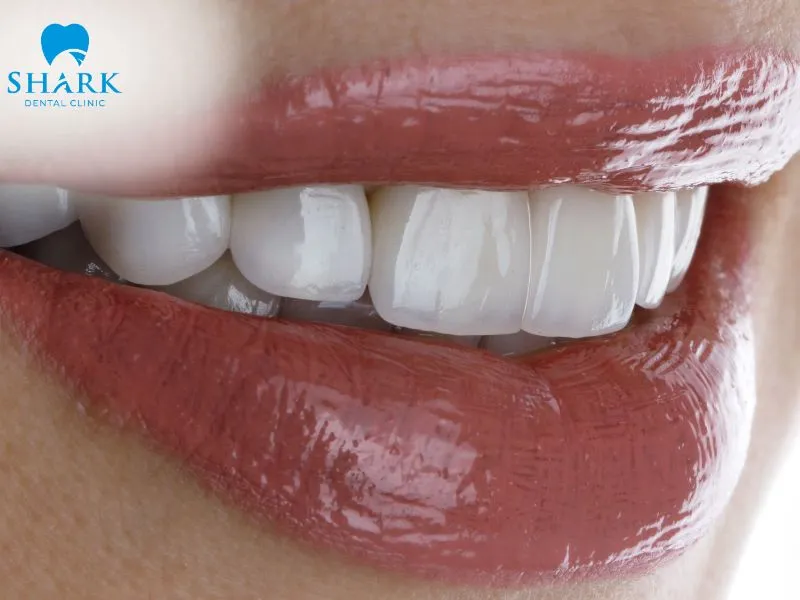
Porcelain inlays provide moderate durability and typically last around 5 to 7 years, depending on the dental material and daily care. Porcelain crowns, meanwhile, are generally valued for their strength, ability to withstand chewing pressure, and longer service life.
A porcelain crown may last approximately 10 to 20 years or even longer when the patient follows suitable oral hygiene practices and cares for the restoration properly.
Cost and procedure time
Porcelain inlays are generally more affordable, involve a simpler procedure, and require less treatment time. Porcelain crown treatment usually costs more and takes longer to complete. The dentist must first perform a careful examination, calculate the appropriate amount of enamel to remove, and prepare the natural tooth. The crown is then secured over the prepared tooth and adjusted into the correct position to complete the restoration process.

How to choose between a porcelain crown and an inlay?
Porcelain crowns and porcelain inlays each have specific advantages and disadvantages. The most suitable option depends on the patient’s current dental condition, treatment needs, financial circumstances, and personal preferences.
When is a porcelain inlay the best option?
Porcelain inlays are commonly recommended for the following dental conditions:
- Mild to moderate tooth decay: If the damage caused by tooth decay is not too severe and much of the natural tooth structure remains intact, a porcelain inlay may be considered to restore the affected area.
- Healthy dental pulp: When the dental pulp is not inflamed or infected and the patient does not experience severe tooth pain, an inlay may be a suitable option for improving the damaged tooth.
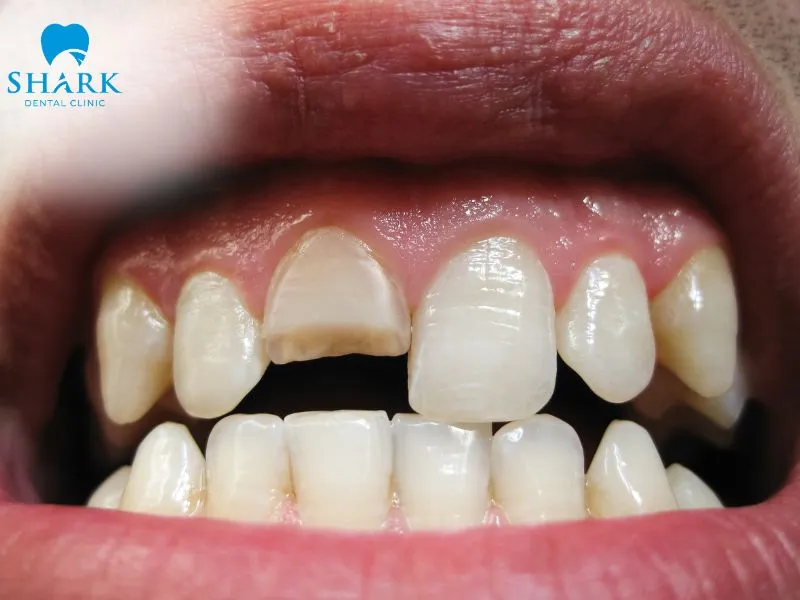
- Minor chips or cracks: If a tooth has only a small crack, fracture, or chipped area and the remaining tooth structure is still strong and stable, the dentist may recommend a porcelain inlay.
- Patients seeking lower treatment costs: If you want to reduce both the cost of dental restoration and the time required for treatment, a porcelain inlay may be an ideal choice.
When is a porcelain crown necessary?
Porcelain crowns are commonly recommended in several specific situations, including the following:
- Severe tooth decay: If the natural tooth structure has been seriously damaged and the remaining tooth walls are too thin or weak, a porcelain crown may be required to restore and protect the tooth.
- Root canal-treated teeth: When the dental pulp is irreversibly inflamed or infected and root canal treatment has been completed, the tooth loses an important source of nourishment and may no longer withstand normal chewing forces effectively. Placing a porcelain crown helps protect the remaining natural tooth and prevent the infection from spreading further.
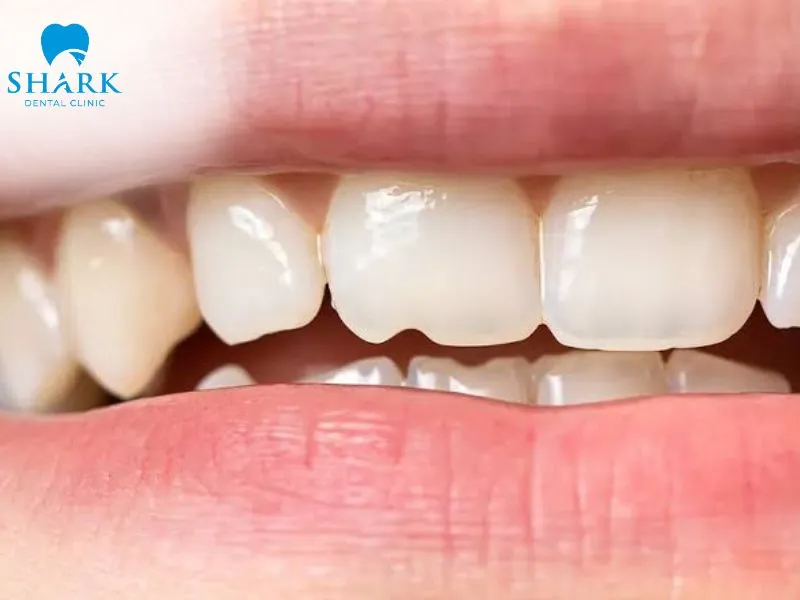
- Severely chipped or fractured teeth: If a tooth has a large chip, crack, or fracture that cannot be repaired with an inlay, porcelain crown treatment may be considered.
In addition, people who want brighter, more even, and stronger-looking teeth may also consider porcelain crowns. Depending on your dental condition and specific needs, the dentist will recommend the most appropriate restorative solution.
The procedure for getting crowns and inlays
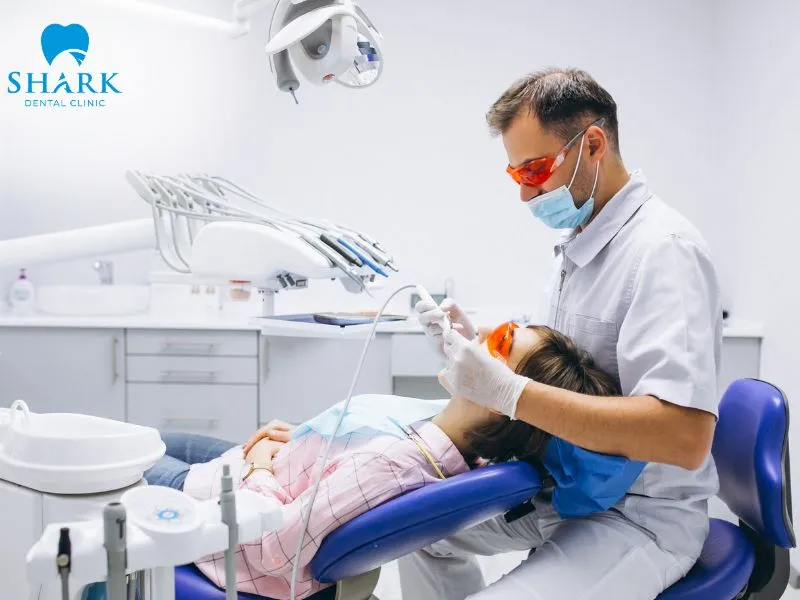
Although porcelain crowns and porcelain inlays differ in several important ways, both dental restoration procedures generally involve the following steps at the dental clinic:
Step 1: Comprehensive dental examination
First, the patient receives a thorough examination of their overall oral health. The dentist takes dental X-rays to evaluate the tooth structure and determine the extent of tissue damage. After reviewing the examination findings and the degree of damage to the tooth tissue, the dentist recommends the most suitable treatment method for the patient.
Step 2: Oral cleaning and preparation
The patient’s entire oral cavity is thoroughly cleaned before the restoration procedure begins. Local anesthesia is then administered, and any inflamed or infected tooth tissue is carefully removed.
- For a porcelain inlay: The dentist only adjusts and prepares the damaged area of the tooth without unnecessarily altering the remaining healthy natural structure.
- For a porcelain crown: The dentist carefully calculates and removes part of the tooth enamel in the correct proportion. This creates a stable prepared tooth that can securely support the porcelain crown.

Step 3: Taking dental impressions
At this stage, the dentist takes an impression of the patient’s natural teeth using a modern digital scanning device. The precise measurements and recorded information are then sent to the dental laboratory, where the porcelain crown or porcelain inlay is carefully fabricated. While waiting for the permanent restoration to be completed, the patient may be fitted with a temporary restoration to maintain normal chewing, speaking, and everyday communication comfortably throughout the temporary waiting period before final placement.
Step 4: Placing the crown or porcelain inlay
The completed porcelain crown or porcelain inlay is attached to the tooth using specialized dental cement. The dentist carefully checks the fit and tightness around the restoration margins, ensuring that the restoration does not feel bulky, create pressure, or cause discomfort while the patient bites and chews food.
Step 5: Completing the procedure
During the final step, the dentist performs another careful examination to determine whether the porcelain crown or inlay has shifted away from its correct position. The dental restoration is then polished to improve its overall aesthetic appearance. Finally, the dentist provides detailed instructions on daily oral hygiene and appropriate care for the restored tooth after the procedure has been fully completed at the dental clinic.

Frequently asked questions about crowns and inlays
Is a porcelain inlay as strong as a crown?
The strength of an inlay depends on the material, restoration design, bonding quality, bite, and amount of remaining tooth structure. However, when overall durability and expected lifespan are considered, porcelain crowns are generally regarded as more durable and longer-lasting than porcelain inlays.
Can a porcelain inlay be replaced with a crown later?
Yes, a porcelain inlay can later be replaced with a porcelain crown if the natural tooth structure remains adequately preserved and the tooth has not undergone root canal treatment. The dentist will remove an appropriate layer of tooth enamel and then place the porcelain crown over the prepared tooth structure to complete the restoration.
Understanding the differences between porcelain crown vs porcelain inlay allows you to make a more objective assessment before deciding on a dental restoration. Hopefully, the information shared in this article provides useful guidance and helps you choose the treatment method that best suits your individual needs, dental condition, and personal circumstances.
>>> See more: