

A swollen gum around wisdom tooth can cause significant pain, discomfort, and irritation, and in some cases may increase the risk of infection and other oral health complications. This condition is relatively common, especially when wisdom teeth begin to erupt or do not grow in the correct position. In the article below, Shark Dental Clinic will help you better understand the causes of swollen gums around wisdom teeth and share effective ways to relieve pain and discomfort at home. Let’s explore the details below!
What causes swollen gums around wisdom teeth?
Wisdom teeth are the last teeth to erupt on the dental arch, typically appearing during adulthood. In some cases, after a wisdom tooth begins to emerge, the surrounding gum tissue may become swollen, causing pain, tenderness, and discomfort. Below are some of the most common causes of a swollen gum around a wisdom tooth:
Multiple teeth erupting at once
When more than one wisdom tooth erupts at the same time, the jawbone and surrounding gum tissues may be subjected to significant pressure. This process can trigger an inflammatory response, increasing blood flow and fluid accumulation in the back corners of the mouth. As a result, a swollen gum around wisdom tooth may develop over a larger area, making everyday activities such as chewing and speaking more difficult and uncomfortable.
Impacted or partially erupted wisdom teeth
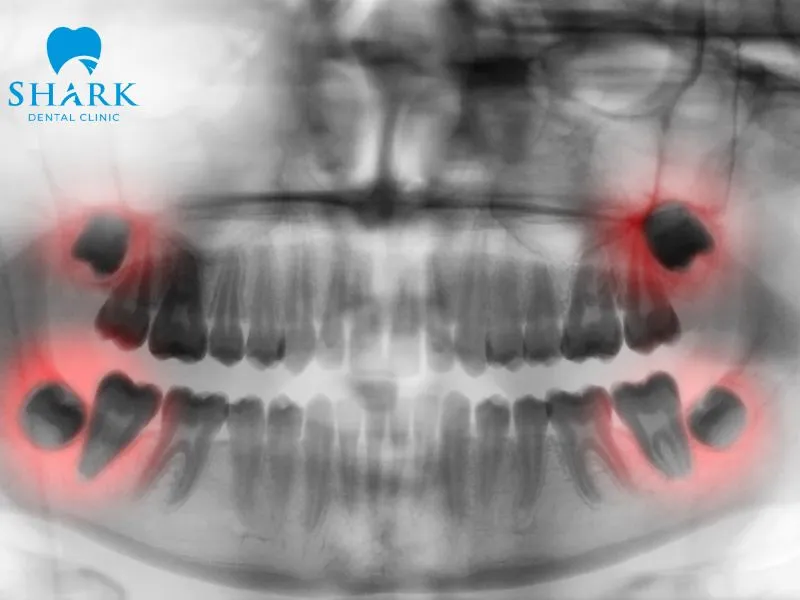
Impacted wisdom teeth and partially erupted wisdom teeth are among the most common causes of a swollen gum around wisdom tooth. Because wisdom teeth erupt later in life, when the jaw has already fully developed, there is often insufficient space for them to emerge properly, making an impacted wisdom tooth extraction necessary to prevent further complications. When left untreated, this lack of space can lead to a gum flap forming over part of the tooth surface. The condition frequently causes gum swelling, irritation, and, in some cases, bleeding during routine eating and chewing activities.
Difficulties with oral hygiene
Wisdom teeth are located at the very back of the mouth, making them difficult to reach with a regular toothbrush. Since they typically erupt after the jaw structure has fully matured, maintaining proper oral hygiene around these teeth can be challenging. Food particles and bacteria can easily accumulate in this area, creating an ideal environment for infection and inflammation. Over time, this buildup can contribute to the development of a swollen gum around wisdom tooth.
Gum and health factors
Individuals with a history of chronic health conditions, periodontal disease, or gingivitis may be more likely to experience a swollen gum around the wisdom tooth. In particular, people with weakened immune systems, such as those with diabetes or pregnant women, may be more susceptible to gum irritation and inflammation. As a result, the gum tissue surrounding a wisdom tooth may become swollen, tender, and painful.

Is swollen gum around wisdom teeth dangerous?
A swollen gum around a wisdom tooth is a very common condition, but it can become serious if left untreated for an extended period. Persistent inflammation may cause significant pain and discomfort and can interfere with normal oral function. More importantly, when timely treatment is not provided, the infection and inflammation associated with a swollen gum around a wisdom tooth may progress and lead to more severe complications.
Recurrent pus-forming gum infection
A swollen gum around wisdom tooth can become a recurring problem because wisdom teeth are located in the deepest and most difficult-to-reach area of the mouth. As food debris and plaque accumulate over time, the surrounding gum tissue may become infected and develop pus. Common signs include swollen gum tissue, inflammatory discharge that may seep from between the teeth when pressure is applied, and persistent bad breath with an unpleasant odor.
>>> See more: What causes bad breath after wisdom teeth removal?
Dental abscess and jawbone infection
When an infection around a swollen gum around wisdom tooth is not treated completely, bacteria can penetrate deeper into the dental pulp and the tissues surrounding the tooth root. Over time, this may lead to the formation of a localized pocket of pus filled with harmful bacteria. Both dental abscesses and jawbone infections can cause severe pain, swelling, and, in some cases, dangerously high fever if prompt treatment is not provided.

Diffuse cellulitis of the jaw and facial region
Severe and prolonged swollen gums around wisdom teeth may result in the serious complication of cellulitis. Bacteria present within the infected gum tissues can spread into nearby soft tissues, causing swelling of the lower jaw, neck, and even larger areas of the face. Symptoms may include widespread facial pain, significant swelling, and high fever, requiring immediate dental and medical attention.
Negative effects on surrounding teeth
A swollen gum around the wisdom tooth caused by an impacted or misaligned wisdom tooth can place pressure on the adjacent second molar. This process may create small spaces between the teeth where bacteria and food particles can become trapped. As a result, the risk of tooth decay and oral infections increases significantly, potentially affecting otherwise healthy neighboring teeth.

Destruction of supporting tissues leading to tooth loss
Persistent inflammation associated with a swollen gum around wisdom tooth can negatively affect the alveolar bone and periodontal ligaments that support the teeth. As these supporting structures become damaged, both the wisdom tooth and nearby teeth may gradually loosen. In severe cases, tooth extraction may become necessary to prevent further infection and tissue destruction.
Reduced chewing function and overall health
Painful swelling around a wisdom tooth can make everyday chewing uncomfortable and difficult. As a result, many people may avoid certain foods or struggle to maintain normal eating habits. Over time, this can negatively affect digestive function, contribute to nutritional deficiencies, and ultimately reduce overall health and quality of life.
Bloodstream infection complications
Although rare, bloodstream infection is one of the most serious potential complications of a swollen gum around wisdom tooth. Bacteria from the infected tooth socket can enter the bloodstream and spread throughout the body. In severe cases, this may lead to systemic infection, multiple organ dysfunction, and other life-threatening health complications, making early diagnosis and treatment extremely important.

Ways to ease discomfort at home
If you notice the early signs of a swollen gum around wisdom teeth, including mild swelling, tenderness, or discomfort, there are several at-home care measures that may help temporarily relieve symptoms while supporting oral health.
Rinse with warm saltwater
One of the simplest ways to relieve a swollen gum around wisdom tooth at home is by rinsing with warm saltwater. You can dissolve a small amount of salt in warm water and rinse your mouth 2 to 3 times per day. Warm saltwater has natural cleansing properties that can help reduce bacteria, soothe irritated gum tissues, and provide temporary relief from swelling and discomfort. This method is commonly used and has been shown to provide positive results for many individuals.
Use pain relievers if needed
If a swollen gum around wisdom tooth is causing significant discomfort and affecting your ability to eat or carry out daily activities, over-the-counter pain relievers such as Paracetamol or Ibuprofen may be used when appropriate and according to a dentist’s or healthcare provider’s instructions. It is important not to increase or decrease the dosage on your own without professional guidance, as improper use may lead to unwanted side effects.

Keep the area wisdom tooth clean
Keeping the wisdom tooth area clean is essential when dealing with a swollen gum around wisdom tooth. Switching to a soft-bristled toothbrush can help remove plaque and food debris while minimizing irritation to already inflamed gum tissues. In addition, using a water flosser on a low-pressure setting can gently clean around the wisdom tooth and between teeth, helping to remove trapped debris and reduce the risk of bacterial buildup that may contribute to further inflammation and infection.
Can swollen wisdom tooth gums heal without treatment?
A severely swollen gum around wisdom tooth typically cannot heal completely without professional dental treatment. In some cases, mild gum swelling may improve within 3 to 7 days when proper oral hygiene is maintained and dietary recommendations are followed carefully.
However, when the underlying cause is an impacted wisdom tooth or a partially erupted wisdom tooth that creates a gum flap over the tooth surface, the condition often leads to persistent pain and recurring inflammation. In these situations, home care alone may not be enough to resolve the problem permanently. To reduce pain and swelling effectively, a dentist may recommend anti-inflammatory medications, pain-relief medications, or wisdom tooth extraction when necessary.

When should a wisdom tooth be removed?
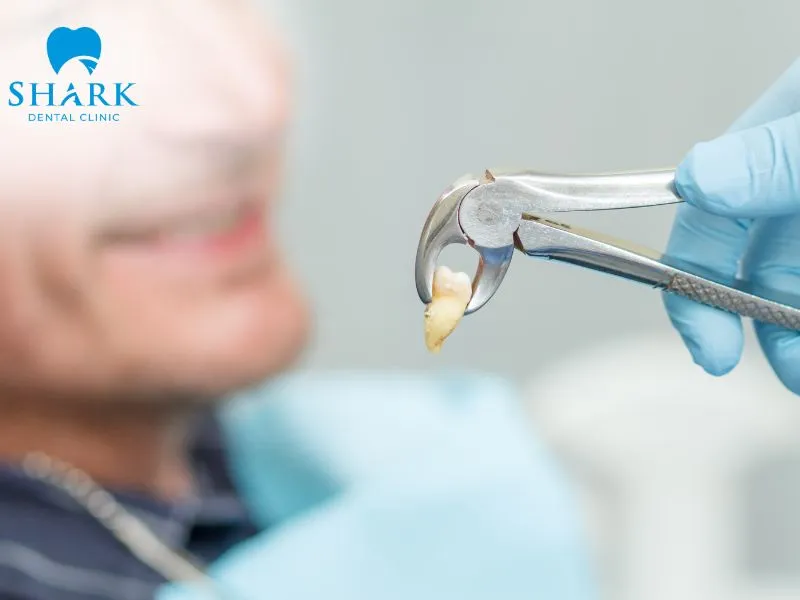
A wisdom tooth may need to be extracted when it poses a significant risk of infection or negatively affects daily life and oral health. It is commonly recommended in the following situations:
- If a swollen gum around wisdom tooth repeatedly returns and is accompanied by chronic pericoronitis (gum inflammation around a partially erupted tooth), making it difficult to eat, chew, or carry out normal daily activities, extraction may be necessary.
- Wisdom teeth that are trapped beneath the gums, only partially erupt, or grow at an angle toward the second molar often require removal to prevent damage to surrounding teeth and reduce the risk of infection.
- When a wisdom tooth erupts at an angle and creates a large gap where food particles and bacteria can accumulate, extraction may be considered to lower the risk of tooth decay and oral infections.
- Wisdom teeth that push against neighboring teeth, contribute to crowding, or cause persistent gum swelling and tooth pain are often recommended for removal to protect overall oral health and comfort.
How to prevent swollen gum around wisdom tooth?
A swollen gum around wisdom tooth can cause considerable discomfort, make eating more difficult, and in some cases negatively affect digestion and overall well-being. Fortunately, there are several preventive measures that may help reduce the risk of developing this condition:
- Brush your teeth two to three times daily using a soft-bristle toothbrush. Pay special attention to cleaning the areas at the back of the mouth where wisdom teeth are located, as these regions can be difficult to reach and are more prone to plaque buildup.
- Consider rinsing your mouth two to three times per day with warm saltwater or an appropriate antiseptic mouthwash. Saltwater contains natural antibacterial properties and can help keep the oral cavity clean while reducing the risk of gum inflammation.
- Choose nutritious foods and limit foods that are excessively hard, chewy, or high in sugar. In addition, drinking water after meals can help wash away food debris and bacteria. Maintaining adequate hydration—about two liters of water per day—also helps support a healthy oral environment.
- Visiting your dentist every three to six months can help prevent a swollen gum around the wisdom tooth. During these appointments, your dentist can remove tartar buildup, monitor the position and development of wisdom teeth, and recommend appropriate treatment if any issues are detected.

In summary, understanding the causes and management options for a swollen gum around wisdom tooth is essential for maintaining good oral health. Hopefully, the information above has provided a clearer understanding of this condition and helped you learn effective ways to care for your teeth and gums, allowing you to maintain a healthy, comfortable, and confident smile.