
Dental crown placement is a restorative dental method that helps improve both the appearance of the teeth and the ability to chew more effectively. However, if you unfortunately experience throbbing tooth pain after crown placement, this may not be a normal post-treatment reaction. Instead, it can be a sign that the crowned tooth, the porcelain restoration, or the surrounding oral tissues are experiencing an abnormal problem. So what causes this condition to occur? Let’s explore the details with Shark Dental Clinic in the article below.
Causes of throbbing tooth pain after crown
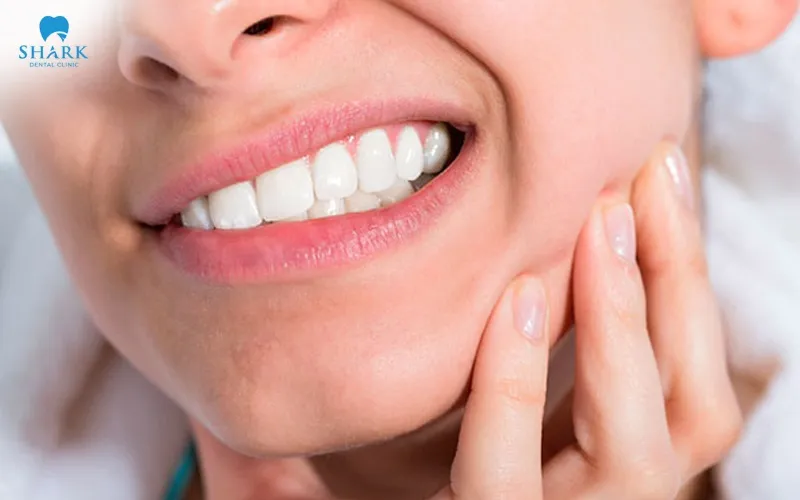
After getting a dental crown, you may feel mild sensitivity, slight soreness, or temporary discomfort during the first few days. This usually happens because the natural tooth and the surrounding gum tissue have not fully adapted to the porcelain crown yet. However, if the pain continues for many days, becomes more intense, or does not show signs of improvement, it may indicate certain dental issues that need to be examined and treated by a dentist. Below are some of the most common causes of pain, aching, and sensitivity after getting a dental crown.
Traumatized or inflamed tooth nerve (pulpitis)
During tooth preparation, especially in teeth with deep decay, large restorations, or previous trauma, the dental pulp may become irritated. In teeth that have already undergone root canal treatment, post-crown pain may be related to reinfection, periapical inflammation, cracks, or bite-related pressure. When this happens, you may begin to feel aching pain, sharp sensitivity when eating hot or cold foods, or a dull pain that lingers for a long time. If the dental pulp is unable to recover properly, the discomfort may continue instead of gradually improving after dental crown placement.
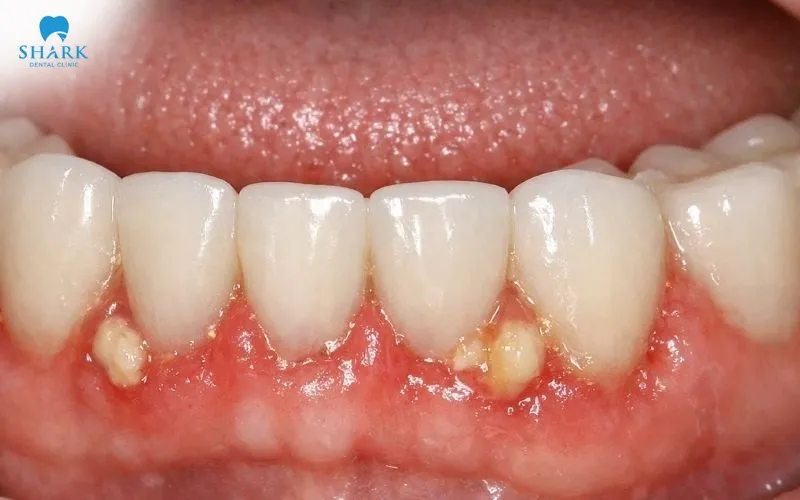
Infection or abscess formation
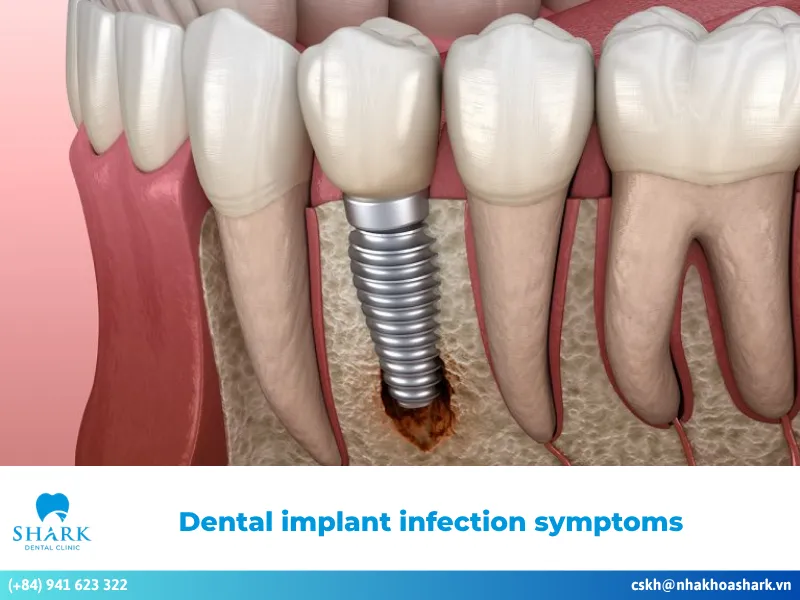
If bacteria enter the inside of the tooth through small gaps, openings, or cracks, an infection or abscess may develop. This condition is often accompanied by symptoms such as tooth pain, swollen gums, sensitivity, pus formation, an unpleasant taste or odor in the mouth, or fever. When these warning signs appear, you should visit a dental clinic as soon as possible for timely treatment. Early examination and proper care can help reduce the risk of more serious complications.
Bite misalignment
A porcelain crown that has an unsuitable size, shape, or height can cause the biting force to be distributed unevenly during chewing. As a result, excessive pressure may be placed on the newly crowned tooth, leading to pain when biting down, jaw discomfort, or a persistent aching sensation. In most cases, the dentist only needs to adjust the bite and refine the crown’s contact points to help improve this condition.
Poor crown fit or loose crown
When the dental crown does not fit closely around the prepared tooth, or when it becomes loose, bacteria and food particles can easily enter the space underneath. This increases the risk of gum inflammation, plaque accumulation, or recurrent tooth decay beneath the porcelain crown. In addition, gum recession around the crown may expose part of the tooth root, making the tooth more prone to sensitivity, soreness, and throbbing tooth pain after crown treatment.
Cracks or decay under the crown
If tooth decay was not completely treated before dental crown placement, or if the natural tooth already had cracks that were not detected before the porcelain restoration was placed, you may still experience pain after the procedure. Many patients do not realize that teeth under crowns get cavities if oral hygiene is neglected, because the underlying damage inside the tooth may continue to progress even after the crown has been attached. The resulting pain is often more noticeable when eating cold foods or biting down with force.
Bruxism (teeth grinding)
The habit of grinding the teeth, especially during sleep, creates heavy pressure on both the porcelain crown and the natural tooth underneath. This repeated force can make you experience tooth pain, jaw fatigue, or sensitivity after getting a crown. In these cases, the dentist may recommend using a night guard to protect the teeth and help reduce pressure on the porcelain crown.

How to relieve tooth crown pain at home?
If you feel tooth pain, aching, or sensitivity after getting a porcelain crown, you can try some of the following methods to temporarily reduce the discomfort while waiting for your dental appointment. These measures may help make the crowned tooth and surrounding gum area feel more comfortable in the short term. However, they are only supportive solutions for temporary relief and cannot replace proper dental treatment when the cause comes from problems inside the tooth or from issues related to the porcelain crown itself.
- Rinse with warm salt water: Rinsing your mouth with warm salt water can help clean the oral cavity, support the reduction of bacteria, and gently soothe the irritated gum tissue around the porcelain crown. This method may also contribute to reducing mild inflammation in the surrounding area, helping the crowned tooth feel more comfortable temporarily.
- Use toothpaste for sensitive teeth: If the sensitivity continues for a longer period, you may choose a specialized toothpaste designed for sensitive teeth. This type of toothpaste can help support the reduction of discomfort, especially when you eat or drink foods and beverages that are hot or cold.
- Limit irritating foods: While the tooth is still sensitive, you should avoid foods that are too hot or too cold, as well as foods that are hard, crunchy, chewy, or sticky. These foods can make the pain become more serious and may also create additional pressure on the tooth that has just been restored with a porcelain crown.
- Apply a cold compress outside the cheek: Place a cold pack or a towel wrapped around ice on the cheek near the painful tooth for about 10–15 minutes each time. This method can help support the reduction of swelling and gently soothe the aching sensation in the affected area.
- Apply some herbal remedies: You may use a small amount of diluted clove oil, place it on a cotton swab, and gently apply it to the gum area near the painful tooth. This can help support temporary pain relief while you are waiting to be examined by a dentist.
- Maintain proper oral hygiene: Brush your teeth and use dental floss gently around the porcelain crown to help remove plaque, limit bacterial buildup, and reduce the risk of irritation in the gum tissue around the crowned tooth. Proper cleaning also helps keep the surrounding area more stable during the sensitive period after crown placement.
- Use pain relievers when necessary: If the pain causes a lot of discomfort, you may use over-the-counter pain relievers according to the instructions for use. However, if the pain lasts for a long time, becomes increasingly severe, or does not improve with temporary measures, you should visit a dental clinic soon so the dentist can examine the tooth and determine the exact cause.

When should you see a dentist about crown tooth pain?
Mild sensitivity or discomfort may occur during the early stage after dental crown placement and often improves gradually. However, severe, throbbing, or worsening pain should not be ignored and should be examined by a dentist. However, if the pain continues for a long time or is accompanied by unusual symptoms, you should not be subjective or ignore it. Seeing a dentist promptly will help identify the exact cause and allow early treatment, helping avoid effects on the lifespan of the porcelain crown as well as your overall oral health. Below are the signs showing that you should visit a dental clinic for an examination:
- Pain that lasts or becomes increasingly severe: If the pain does not improve after getting a porcelain crown, becomes even more painful over time, or appears as a dull, lingering ache, this may be a sign of pulp damage or other problems inside the tooth that need to be checked by a dentist.
- Signs of infection appear: Symptoms such as swollen gums, jaw pain, pus discharge, fever, or an unpleasant taste in the mouth may warn of an infection in the tooth or gum tissue. You need to visit a dental clinic early for treatment to avoid the risk of complications.
- The porcelain crown becomes loose or shifts: If you feel that the porcelain crown is loose, moves when you chew, or notice that your bite has changed, you should see a dentist for an examination. An unstable dental crown can create conditions for bacteria to enter, increasing the risk of tooth decay and gum inflammation.
- Pain when chewing or severe sensitivity: A sharp pain when biting down, difficulty chewing, or prolonged sensitivity may be related to a crown that does not fit tightly or to problems with the natural tooth underneath the porcelain crown.
- Severe pain after a temporary crown is placed: If the pain remains severe or continues to increase after a temporary crown is attached, you should not wait until the next scheduled appointment. Instead, you need to contact your dentist so the tooth can be examined and treated early, before the permanent crown is placed.
Ways to prevent toothache after getting dental crowns
Proper oral care after getting porcelain crowns not only helps extend the lifespan of the porcelain crowns but also plays an important role in limiting tooth pain, sensitivity, and possible complications that may occur after restoration. To protect your porcelain crowns and maintain stable oral health over time, you should follow the measures below:
- Brush your teeth properly every day: Maintain the habit of brushing your teeth at least 2 times per day with a soft-bristled toothbrush. When brushing, use gentle movements to remove plaque from the tooth surfaces without irritating the gums or placing unnecessary pressure on the crowned teeth. Keeping the oral cavity clean in this way helps limit the risk of bad breath and reduces the possibility of developing oral health conditions after getting porcelain crowns.
- Combine dental floss and mouthwash: In addition to daily brushing, you should use dental floss to clean the spaces between the teeth, especially areas that a toothbrush may not be able to reach thoroughly. You can also combine this with a specialized mouthwash to support bacterial removal and help protect the area where the porcelain crown has been placed more effectively.
- Adjust your diet during the initial period: After getting porcelain crowns, you should limit foods that are too hot, too cold, hard, chewy, or high in acid to avoid irritating the teeth and gum tissue. During this early stage, prioritize soft foods that are well-cooked, cut into small pieces, and allowed to cool slightly before eating. This helps reduce chewing pressure on the porcelain crowns while the teeth and surrounding tissues are still adapting.
- Visit the dentist regularly: You should visit a dental clinic for checkups and tartar removal about every 6 months to remove plaque and calculus and to monitor the condition of your porcelain crowns. Regular follow-up appointments help the dentist detect abnormalities early, thereby maintaining the durability of the crowns and reducing the risk of tooth pain later on.
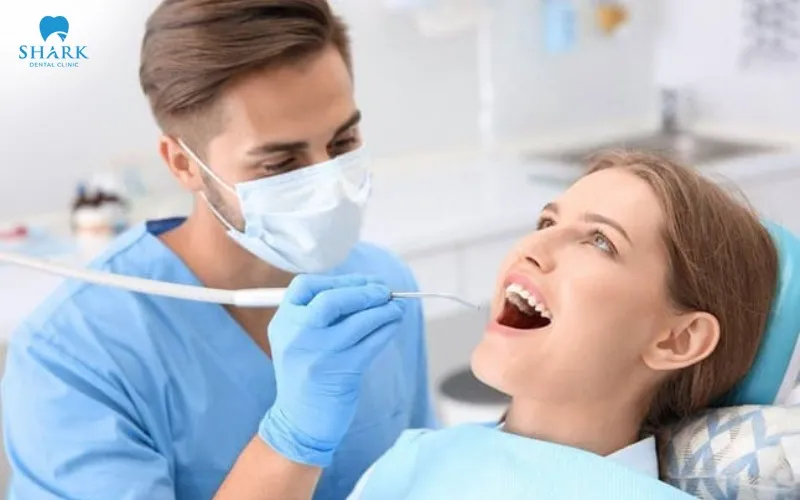
In summary, experiencing a severe throbbing tooth pain after crown placement is considered a warning sign of abnormal problems related to the restoration technique or underlying oral health conditions. In reality, mild sensitivity usually lasts only about 2–3 days. However, if the pain is severe, continues for an unusually long time, or does not improve as expected, you should quickly visit a dental facility for a timely examination and treatment to help limit complications. Shark Dental Clinic hopes the information above will help you gain more useful knowledge and practical experience, allowing you to protect your oral health in a safer and more effective way.
>>> See more: Can you eat after getting a crown?