

Teeth whitening helps create a brighter, more even smile and has become an increasingly popular aesthetic choice for many people in recent years. However, in order to maintain long-lasting whitening results and keep teeth looking consistently bright, it is important to follow a carefully controlled and well-planned diet. This leads many people to wonder whether can you drink coffee after teeth whitening and how it may affect the overall results and color stability of their teeth.
Can you drink coffee after teeth whitening?
You can still drink coffee after undergoing a whitening procedure, but it should be limited and approached with caution. Coffee is classified as a beverage that contains stimulants and, more importantly, strong dark pigments that can easily cause tooth discoloration after whitening.
Drinking coffee too soon after the whitening process may increase the risk of re-staining, which can negatively affect the overall results and reduce the brightness you have just achieved. In particular, during the first 2–3 days after teeth whitening, the enamel becomes significantly more sensitive and temporarily more porous.
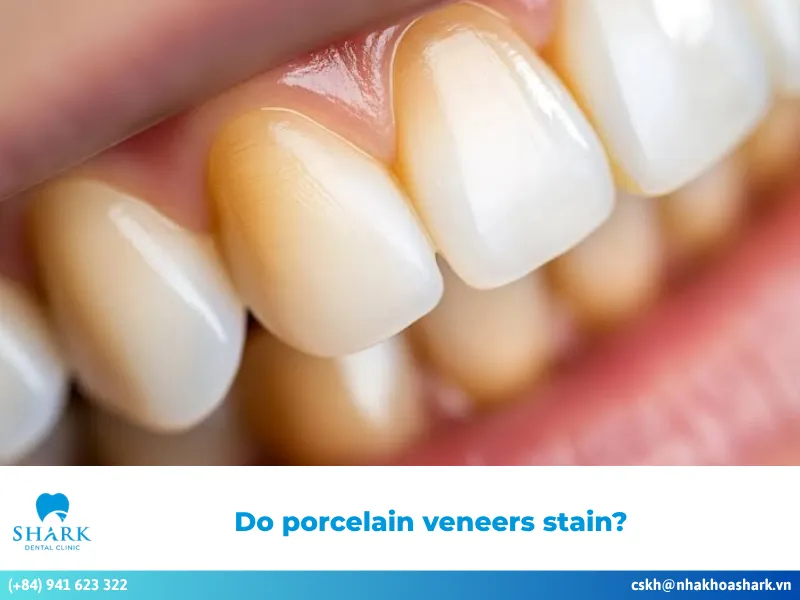
At this stage, the teeth are highly susceptible to absorbing pigments from dark-colored beverages such as coffee or tea. As a result, your teeth can quickly lose their natural brightness and become discolored again if exposed too early. Therefore, it is strongly recommended to limit coffee consumption immediately after teeth whitening to maintain optimal results.

Why can coffee stain teeth after whitening?
Drinking coffee too soon after teeth whitening can lead to noticeable discoloration due to several underlying reasons:
- Dark pigments: Coffee contains tannins, which are compounds with strong adhesion properties. When tannins come into contact with sensitive enamel after whitening, they can easily stick to the tooth surface and gradually form yellowish-brown stains.
- Enamel becomes more porous: Coffee is acidic and has a relatively low pH level. Frequent consumption may contribute to enamel erosion, making the tooth surface more porous. This condition allows bacteria and pigments from foods and drinks to penetrate deeper into the dentin, leading to discoloration.
- Increased risk of tooth decay: Coffee often contains sugar or natural sweetness. When consumed regularly, these sugars can become a food source for bacteria in the mouth, promoting their growth. This may increase the risk of tooth decay, darkening along the gumline, and overall tooth discoloration.

How long should you wait to drink coffee after whitening?
After undergoing a teeth whitening procedure, you should wait approximately 2–3 days before drinking coffee. This waiting period is essential for allowing the enamel to stabilize and for the natural protective layer of the teeth to be restored effectively, helping to resist staining factors. Once this period has passed, you can drink coffee again, but it is still advisable to consume it in moderation to minimize the risk of re-staining and to help maintain the long-lasting results of your teeth whitening treatment.
What happens if you drink coffee too soon after whitening?
Although coffee is a popular and enjoyable beverage, drinking it too soon after teeth whitening can lead to several potential risks that may negatively affect your results and overall oral health:
- Tooth discoloration: Coffee contains tiny pigment particles that can easily adhere to the enamel surface, reducing the natural brightness and shine of the teeth. In more severe cases, frequent coffee consumption may cause the tooth surface to become yellowed or dull, affecting overall aesthetics.
- Enamel erosion: Coffee is acidic in nature, which means it can contribute to enamel wear over time and impact overall oral health. Drinking coffee too soon after whitening may make the teeth more sensitive, increasing the likelihood of discomfort, tingling, or pain after teeth whitening.
- Reduced whitening effectiveness: Consuming coffee too early can interfere with the whitening results. At this stage, the teeth may not achieve the desired level of brightness or even coloration, leading to a less satisfying outcome.

Signs your teeth are becoming stained again
After teeth whitening, excessive coffee consumption may cause your teeth to become stained or discolored again. Below are some common signs that indicate your teeth may be developing stains:
- Appearance of small spots: Tiny brownish or dull-colored spots may begin to appear between the teeth or along the edges, making the smile look less aesthetically pleasing.
- Uneven tooth color: Teeth that were previously whitened may appear uneven in color if exposed to coffee too early, gradually losing their natural brightness and uniform appearance.
- Darkened gumline: Dark pigments from coffee can accumulate around the gumline, causing the area near the gums to appear darker than usual.
- Overall discoloration: Frequent coffee consumption may reduce the brightness of the dentin, causing the teeth to appear more yellowed or dull over time.
As soon as you notice any of the signs mentioned above, you should promptly contact a dental professional for examination and timely evaluation. Based on your actual condition, the dentist will recommend appropriate solutions to effectively address the issue while ensuring safety.
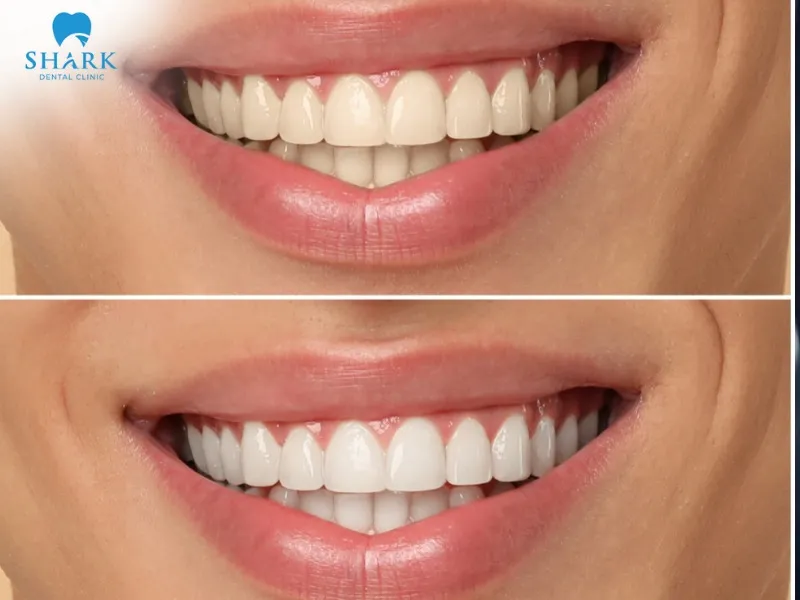
How to reduce coffee stains on whitened teeth?
Teeth that become yellowed or stained by coffee after whitening can be improved with several practical and easy-to-apply measures, as follows:
- Brush your teeth regularly: The simplest and most effective way to remove leftover food particles as well as yellowish plaque on the tooth surface is to maintain regular brushing habits. You should use a teeth whitening toothpaste that contains mild whitening ingredients to help enhance brightness, improve overall appearance, and keep your teeth looking more even in color.
- Use baking soda: Baking soda is a natural whitening agent that is widely used in dental care. Therefore, to help remove coffee stains, you can brush your teeth using a mixture of water and baking soda for teeth whitening, allowing the solution to gently support the cleaning process and improve surface discoloration.
- Apple cider vinegar: Apple cider vinegar has acidic properties that help break down the structure of stains on the tooth surface. You can dilute apple cider vinegar with clean water and use it as a mouth rinse 1–2 times per day to help reduce staining and improve the overall cleanliness of your teeth.
If you have applied the methods above but do not achieve the desired results, you should consider consulting a dentist for professional teeth whitening. This method uses whitening agents with standardized concentrations, combined with laser light technology, to effectively break down the bonds of stubborn yellow stains and plaque on the tooth surface in a more thorough and controlled manner.
Teeth whitening is also considered an optimal solution for achieving a brighter, more evenly colored smile with more noticeable and stable results. However, after undergoing the procedure, you should strictly follow your dentist’s instructions and limit the consumption of dark-colored foods and beverages such as coffee, black tea, and carbonated soft drinks, as these can negatively affect the whitening outcome and reduce its longevity over time.
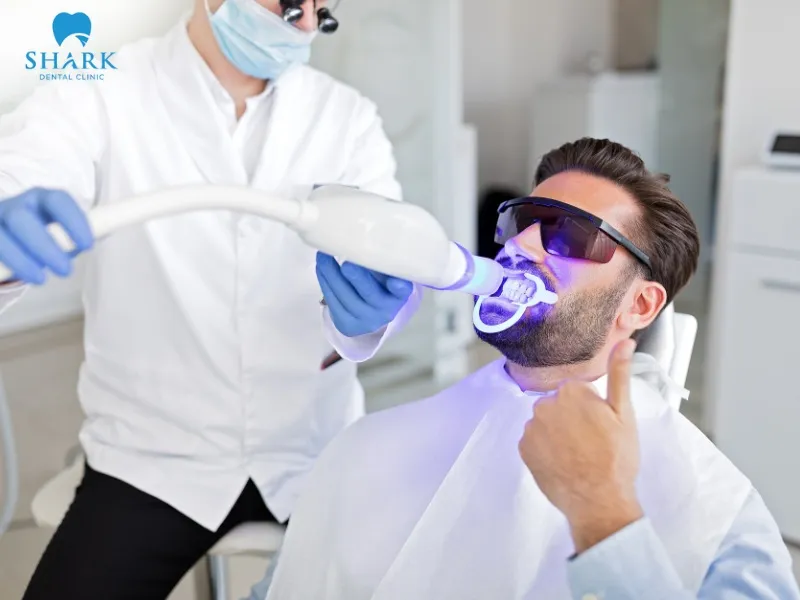
Alternatives to coffee right after whitening
After teeth whitening, if you are looking for suitable beverages to replace coffee during this sensitive period, you can consider the following options:
- Herbal tea: Instead of consuming dark-colored drinks like black tea or coffee, you can opt for herbal teas made from natural ingredients. These types of tea generally contain fewer staining pigments, have lower acidity levels, and are less likely to damage enamel or cause discoloration.
- Milk: Drinking plain white milk after teeth whitening is a suitable and safe alternative to coffee. Milk contains a high calcium content, which helps support and strengthen oral health while also not contributing to tooth staining or discoloration.
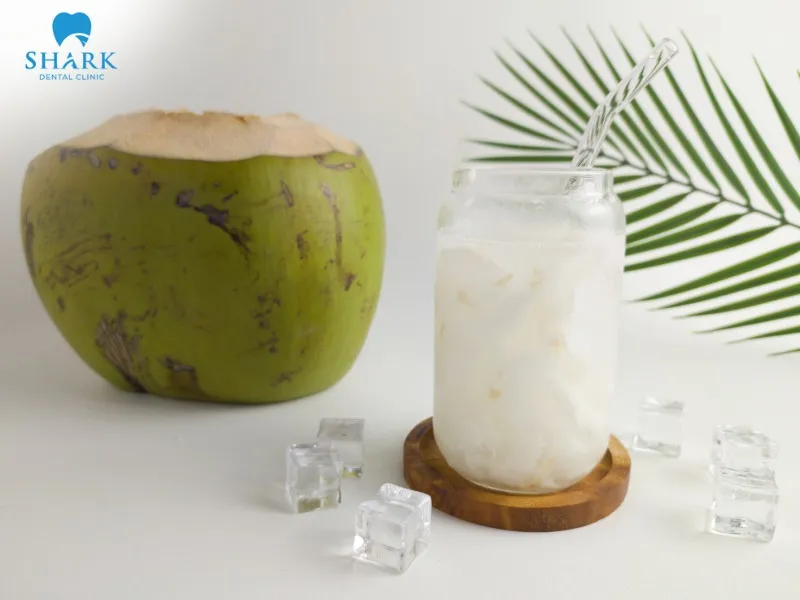
- Coconut water: Coconut water is also an ideal option for individuals who have just undergone teeth whitening. It is naturally clear, rich in essential electrolytes, and can support the natural remineralization process of tooth enamel, helping maintain healthier and stronger teeth.
Through the content above, you now have a clearer and more complete answer to the question of whether can you drink coffee after teeth whitening. Although coffee is a flavorful and appealing beverage, it should be consumed in moderation, especially during the period when the enamel is still sensitive and more vulnerable to staining. To maintain a bright, even, and long-lasting smile, you should pay attention to building a balanced and appropriate diet, while also limiting foods and drinks that contain strong pigments that may affect the color of your teeth over time!
>>> See more: How long after teeth whitening can I eat normally?