

One of the issues that concerns many patients after wisdom tooth extraction is the appearance of a small hole at the extraction site. So, what exactly is a wisdom tooth hole, what causes it to form, and how long does the healing process usually take? If you have been wondering about these questions, the article below will provide detailed answers and help you better understand the recovery process after wisdom tooth removal. Let’s guide you through everything you need to know!
What is a wisdom tooth hole?
A wisdom tooth hole is the small to medium-sized socket or space that remains in the jawbone after a wisdom tooth (third molar) has been removed. This opening is a natural part of the healing process and represents the extraction site left behind after the tooth is removed. The extraction socket serves an important role during wisdom tooth extraction recovery. It protects the blood clot that forms immediately after extraction and helps shield the underlying jawbone and nerve structures while healing takes place. In short, the presence of a hole after wisdom tooth removal is completely normal and is generally not a cause for concern.

Reasons why there is a hole after wisdom tooth removal
The appearance of an extraction socket after extraction can be attributed to several factors:
- Space left in the dental arch: Wisdom teeth are typically large and often have complex root structures that extend deep into the jawbone. Once the tooth is removed, it naturally leaves behind a socket that is similar in size to the tooth and roots that previously occupied that space.
- Bone and tissue regeneration: Following wisdom tooth extraction, the body requires time to heal according to its natural biological processes. A blood clot forms first, followed by the growth of connective tissue that gradually replaces the missing soft tissue. During this healing phase, a visible wisdom tooth hole may remain until the tissues regenerate and fill the extraction site.
- Extraction technique: In more complex cases, such as impacted or misaligned wisdom teeth, the dentist may need to make an incision in the gum tissue, remove a portion of the surrounding bone, or section the tooth before extraction. These surgical procedures can result in a larger extraction socket, making the extraction socket more noticeable during the recovery period.

How long does it take for wisdom tooth holes to close?
The time required for an extraction socket to heal varies from person to person. Factors such as individual healing ability, the size of the extraction socket, and the complexity of the surgical procedure can all influence recovery time. In some cases, if the socket is particularly large, a small indentation may remain in the jaw even after healing is complete.
Gum healing
After wisdom tooth extraction, the gum tissue begins healing almost immediately and gradually covers the extraction site. During the first 24 hours, a blood clot forms inside the socket to protect the underlying nerves and jawbone. Within approximately one week, granulation tissue begins to develop rapidly, helping the wound close and reducing the size of the wisdom tooth hole. As healing continues, the gum tissue gradually becomes stronger and more stable.
Bone healing
Bone healing after wisdom tooth removal occurs more slowly and usually takes significantly longer than gum healing. Although the gums may appear largely healed after about four weeks, the jawbone underneath is still undergoing reconstruction and regeneration. New bone tissue gradually develops to fill the empty socket and restore the bone structure. In most cases, complete bone healing takes approximately 3 to 6 months, depending on the size of the extraction site and the individual’s natural healing response.

Why might an extraction socket not close?
In some cases, a wisdom tooth hole may take an unusually long time to heal or may not close completely due to various physiological or medical factors. Below are some of the most common causes:
Dry socket
After a wisdom tooth is removed, a blood clot forms inside the extraction socket to protect the underlying nerves and jawbone. However, if this blood clot becomes dislodged or breaks down too early, it can lead to a condition known as dry socket.
When this occurs, the underlying bone may become exposed, interrupting the natural healing process and making it more difficult for the wisdom tooth hole to close properly. Patients with dry sockets often experience significant pain and delayed recovery.
Infection or poor healing
If proper oral hygiene is not maintained after wisdom tooth extraction, bacteria and food debris can accumulate inside the extraction site and cause an infection. A prolonged infection can interfere with tissue regeneration and damage newly forming bone and soft tissue. As a result, the healing process may be delayed, leaving the extraction socket open for a longer period than expected.
Large or impacted tooth extraction
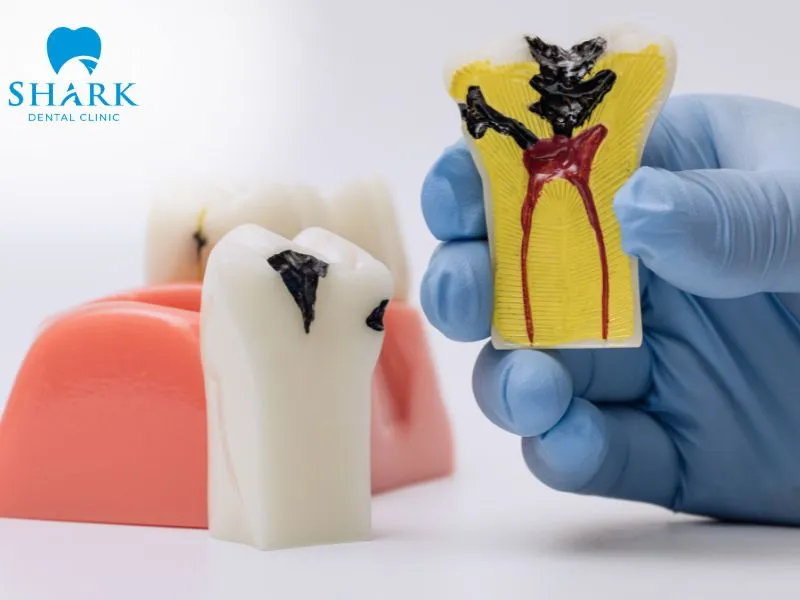
Wisdom teeth that are unusually large, impacted, or growing at an angle often require a more complex extraction procedure. In these cases, the dentist may need to make an incision in the gum tissue and remove portions of bone to access the tooth. Because the procedure involves greater tissue disruption, both the soft tissues and jawbone may require a longer recovery period. This can make the resulting extraction socket larger and slower to heal compared to a routine extraction.
Underlying health conditions
Patients with certain medical conditions, such as diabetes, cardiovascular disease, or blood pressure disorders, may experience a slower and more complicated healing process after wisdom tooth removal. In these individuals, bone-forming cells and soft tissue regeneration may occur more slowly than normal. As a result, the wisdom tooth hole may persist for an extended period and, in some cases, may never completely fill in.

Is it normal for food to get stuck in the hole?
Yes, it is completely normal for food to become trapped inside a wisdom tooth hole after extraction. This is a common experience for many patients because the extraction socket forms a small depression within the jaw where food particles can easily collect during eating. Since the socket is located deep in the back of the mouth, food debris may naturally fall into the area and become lodged there until it is cleaned out.
Although this is a normal part of the healing process, it is important to maintain good oral hygiene every day. You can gently rinse your mouth, brush your teeth carefully, and use a water flosser when appropriate to help remove trapped food particles from the extraction site. Keeping the area clean can help reduce the risk of bad breath after wisdom teeth, infection, and other oral health complications while allowing the wisdom tooth hole to heal as smoothly as possible.

How can I safely clean wisdom tooth holes?
After wisdom tooth extraction, dentists typically provide detailed instructions on proper oral care and hygiene to support healing and prevent complications. Below are some important guidelines:
- Rinse your mouth gently: You can rinse with warm salt water or a dentist-recommended antiseptic mouthwash to help keep the area clean. Be sure to rinse gently by moving the liquid around the mouth before carefully spitting it out. Vigorous rinsing or forceful spitting can dislodge the blood clot inside the wisdom tooth hole, potentially delaying healing and increasing the risk of complications.
- Brush your teeth regularly: Even after wisdom tooth removal, you should continue brushing your teeth at least twice a day. Choose a soft-bristled toothbrush and clean all tooth surfaces thoroughly while avoiding excessive pressure near the extraction site. Gentle brushing helps maintain oral hygiene without disturbing the healing tissues.
- Use dental floss or a water flosser: In addition to brushing, you may use dental floss or a water flosser to help remove food debris and plaque from areas that are difficult to reach. These tools can be effective for maintaining oral cleanliness and are often suitable for patients recovering from wisdom tooth extraction when used properly.
- Avoid applying external force to the extraction site: For approximately 3–7 days after extraction, you should avoid forceful spitting, using toothpicks, or inserting any sharp objects into the wisdom tooth hole. These habits can damage the healing gum tissue, disrupt the blood clot, and significantly slow the recovery process.
- Clean with sterile gauze if necessary: During the first 1–3 days after wisdom tooth removal, your gums may still be sensitive or experience slight bleeding. In such cases, sterile gauze can be used as directed to gently clean the area. Gauze may also help control minor bleeding and reduce the risk of infection during the early stages of healing.
- Drink plenty of water: After wisdom tooth extraction, it is important to stay well hydrated by drinking plenty of water. Low-sugar vegetable and fruit juices may also be suitable options. Adequate hydration helps maintain natural moisture in the mouth, supports the healing process, and assists in flushing away food particles that could become trapped around the wisdom tooth hole. This can also help reduce the risk of bad breath and other oral health issues.

The information above provides a better understanding of what a wisdom tooth hole is and how to care for it properly after extraction. Understanding the causes of the socket, the healing process, and appropriate cleaning methods can help you feel more confident during recovery and maintain good oral health. If you need additional advice or professional guidance, do not hesitate to contact Shark Dental Clinic for further consultation!
>>> See more: What should or avoid before and after wisdom teeth removal?