


Examination and assessment
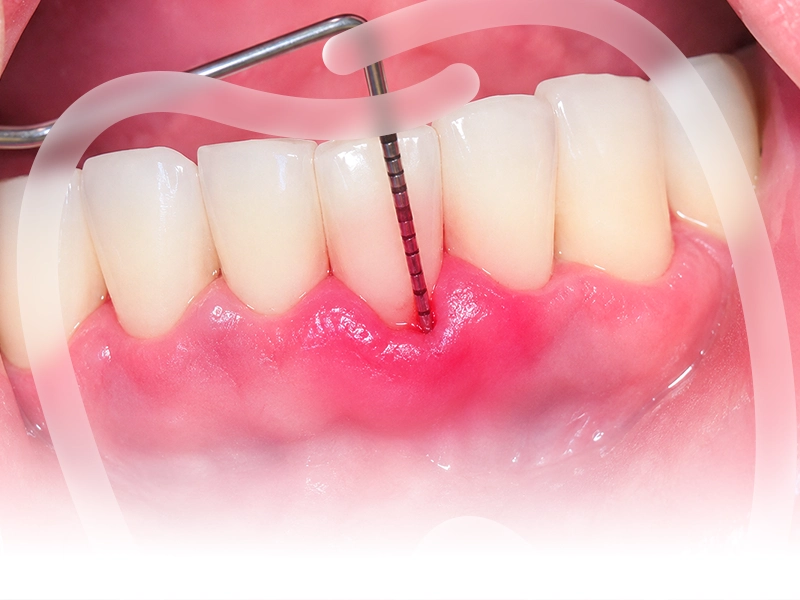
The dentist checks the condition of the gums, measures the depth of any periodontal pockets, and assesses the degree of looseness in the teeth

X

Gingivitis causes inflammation in the gum tissue and can generally be reversed once the underlying cause has been properly brought under control. Periodontitis, on the other hand, causes destruction of the periodontal ligament and the alveolar bone, and requires both treatment and ongoing long-term monitoring. Book an examination today so that the dentist can assess your condition and advise on the most suitable treatment method.
 1 to 2 appointments

May be considered suitable when
 The patient shows signs of gingivitis or periodontitisThe patient has a significant buildup of plaque or tartar both above and below the gumlineThe patient needs to bring their periodontal health under control before undergoing restoration or implant placement
Requires a thorough examination and careful assessment when
 The patient is a woman who is currently pregnantThe patient has a systemic condition that has not yet been brought under controlThe patient is taking blood-thinning medication or medication that affects bone metabolismThe patient has a history of allergic reactions to medication or to dental materialsThe patient currently has an acute infection or damage to the oral mucous membrane
Treatment for gingivitis and periodontitis
 Cleaning plaque and tartar from above the gumline
Cleaning beneath the gumline and treating the surface of the tooth root when indicated
Guidance on controlling plaque buildup at home
Treating periodontal pockets or providing additional intervention when indicated
Periodic follow-up visits in order to help control the risk of recurrence
Cleaning plaque and tartar from above the gumline
Cleaning beneath the gumline and treating the surface of the tooth root when indicated
Guidance on controlling plaque buildup at home
Treating periodontal pockets or providing additional intervention when indicated
Periodic follow-up visits in order to help control the risk of recurrence

Infection control
A full-arch X-ray system may be used to help the dentist assess the condition of the bone and to develop an appropriate treatment plan for each individual patient. The entire treatment process is carried out in strict accordance with infection-control regulations that apply to each individual case
Reusable instruments are collected and processed following a one-way workflow that includes cleaning, packaging, sterilization, and storage in accordance with proper standards before being brought into use for a treatment case. The surfaces of the treatment chair and any other contact areas are cleaned between each patient visit. Single-use supplies are replaced with fresh items for every individual treatment case in order to help minimize the risk of cross-contamination
The dentist checks the condition of the gums, measures the depth of any periodontal pockets, and assesses the degree of looseness in the teeth

An X-ray is taken whenever an assessment of the bone condition is needed

Plaque and tartar are removed, and the area above or below the gumline is cleaned according to the treatment plan

The dentist checks the degree of improvement following the initial stage of treatment

A follow-up appointment is scheduled, or further treatment is indicated if necessary
Brush your teeth twice a day and clean between your teeth according to the guidance provided by your dentist
Do not stop taking any medication on your own initiative if it has been prescribed by your dentist
Contact the dental clinic if you experience increasing swelling or pain, discharge of pus, or if your teeth become noticeably looser

Treatment for periodontal disease is not compatible with a “one-time treatment, no recurrence” type of commitment or guarantee. The ability to keep the disease under control depends on a number of factors, including the extent of the damage already present, how well plaque is controlled, any smoking habit, any underlying systemic conditions, and how consistently the patient attends their scheduled follow-up visits.
Patients need to attend follow-up visits according to their scheduled appointments, so that the dentist can assess the condition of the periodontal tissue, help control plaque buildup, and address any unusual signs as early as possible.
Warranty


