
Dental CAD/CAM systems are steadily becoming one of the most prominent technologies in modern dentistry, playing a role in transforming the tooth restoration process in a more modern and more precise direction. By bringing together design and fabrication on a shared digital foundation, this technology supports digitization while also helping to improve consistency throughout the entire process of designing and fabricating dental restorations. In order to understand this equipment more clearly, let’s take a closer look at it together with Shark Dental Clinic below.
What is a dental CAD/CAM system?
CAD/CAM refers to a digital technology system that has become widely applied throughout modern dentistry. It is made up of two components: CAD, which stands for Computer-Aided Design and refers to the process of designing with the assistance of a computer, and CAM, which stands for Computer-Aided Manufacturing and refers to the process of production with the assistance of a computer.
Within the dental restoration process, a CAD/CAM system makes use of data that has been collected from either an intraoral scanner or a physical dental impression model, in order to design restorations such as crowns, veneers, inlays, onlays, bridges, and certain types of implant restorations. Once the design has been completed and its accuracy has been carefully verified, the resulting data is then transferred to a milling machine, a 3D printer, or an appropriate fabrication center for production. Before the finished restoration is ultimately placed onto the tooth, it still needs to be carefully examined, finished, and adjusted by the dentist and the dental technician, in order to ensure that it achieves a proper and comfortable fit, a natural-looking aesthetic appearance, and reliable everyday chewing function.
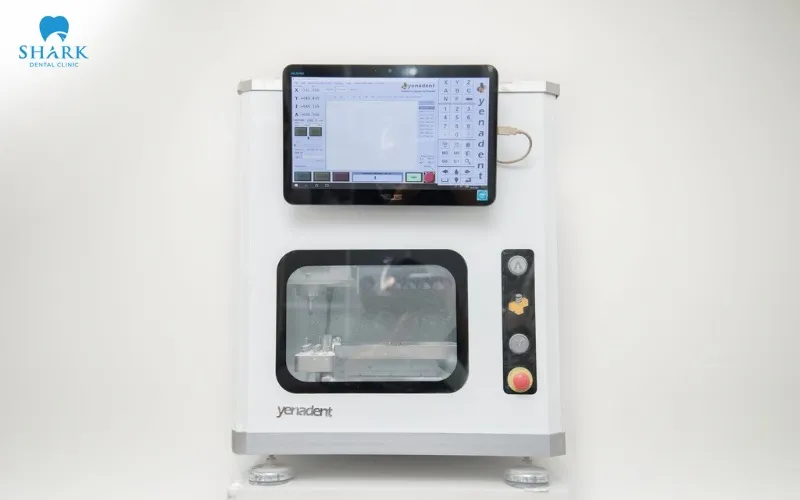
The digital workflow of the CAD/CAM system
In order to produce a finished restoration that achieves both a high degree of accuracy and a high level of aesthetic quality, a CAD/CAM system generally follows a structured digital workflow made up of the following individual steps:
- Step 1 – Data collection: The dentist begins by recording an impression of the teeth using either an intraoral scanner or by scanning a physical dental model, in order to gather detailed data on the structure of the individual teeth as well as the overall dental arch.
- Step 2 – Restoration design: Once the necessary data has been collected, it is transferred into specialized CAD software so that the restoration itself can be designed. The system helps the dentist or technician establish the overall shape of the tooth, the margin line, the contact points with neighboring teeth, and the relationship with the opposing teeth in the bite.
- Step 3 – Design verification: Before fabrication actually begins, the completed design file is carefully and thoroughly reviewed for its overall shape, the thickness of the material being used, and its alignment with the patient’s bite.
- Step 4 – Restoration fabrication: Once the design process has been fully finalized, the corresponding data is sent to the appropriate fabrication device or an appropriate production center, so the restoration can be manufactured strictly according to the parameters that have already been established during the design stage.
- Step 5 – Restoration finishing: After the restoration has been fabricated, it then undergoes further surface treatment, such as coloring, polishing, or firing, depending on the specific requirements associated with each particular type of material used.
- Step 6 – Try-in and placement: Before the overall treatment is considered finalized, the dentist carefully checks the restoration’s fit, shape, color, contact points, and bite alignment to confirm everything meets the required standard.
Applications of CAD/CAM systems in dentistry
Thanks to their ability to design and fabricate restorations with a consistently high degree of precision, CAD/CAM systems have come to be applied across many different areas of modern dentistry. Depending on the specific condition of the patient’s teeth and the overall treatment plan that has been established, the dentist will determine exactly which types of restorations are well suited to this particular technology.
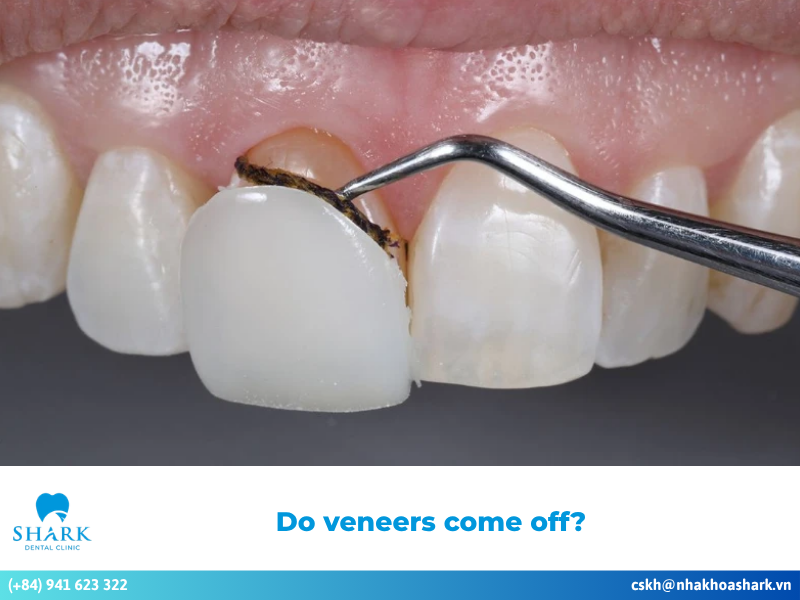
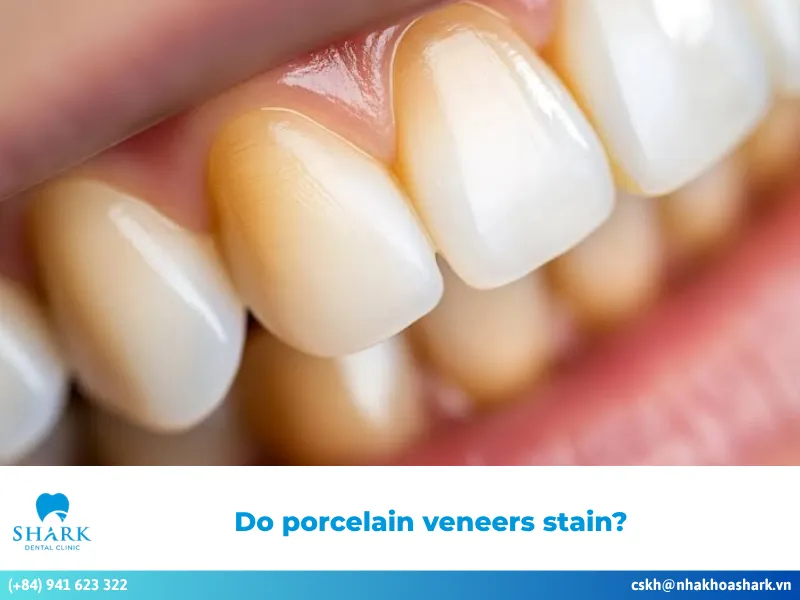
- Crowns, veneers, inlays, and onlays.
- Bridges and temporary restorations.
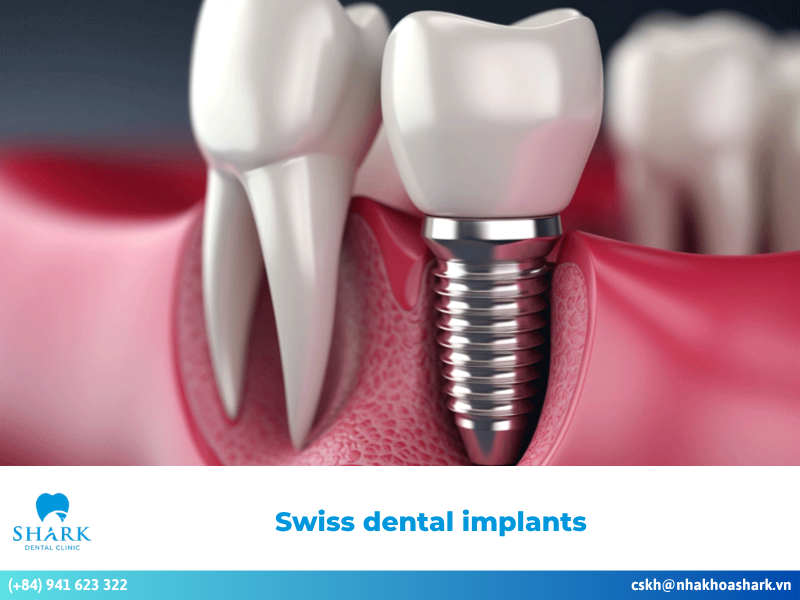
- Implant-supported restorations.
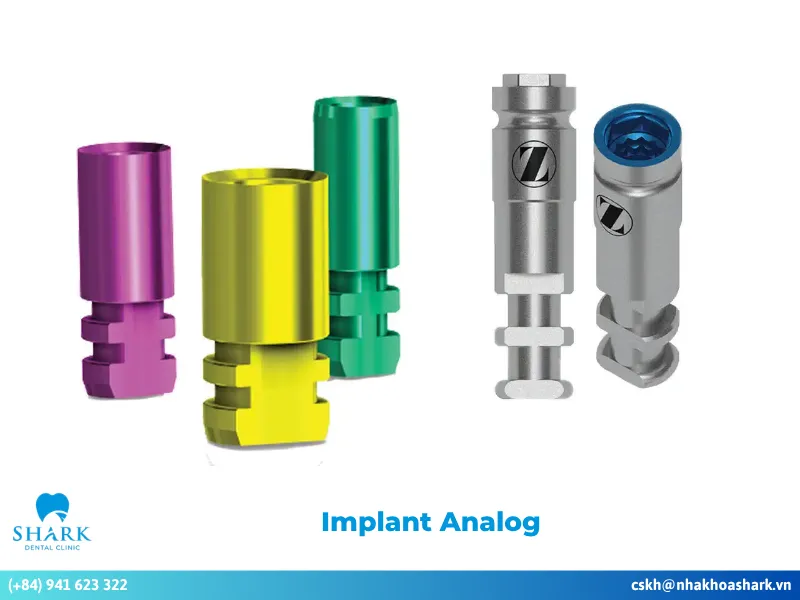
- Custom, personalized abutments.
- Surgical guides and treatment templates.
- Certain types of full-arch restorations.
That said, it is worth noting that not every type of restoration follows the exact same production process, nor can every restoration necessarily be completed within the span of a single day. The overall amount of time required for fabrication and final placement will depend on the specific type of restoration involved, the material being used, the level of complexity associated with each individual treatment case, as well as the broader treatment plan that has been determined by the dentist.
What improvements does CAD/CAM technology support?
The application of CAD/CAM technology within the field of dentistry does not only contribute to the broader digitization of the restoration process; it also helps to meaningfully improve both consistency and overall efficiency across many different stages of that process. Below are some of the specific values that this kind of digital system can help provide:
- It helps standardize design data directly within the software itself, allowing the overall design process to be carried out in a more consistent manner and making it considerably more convenient to track and make further adjustments whenever they may be needed.
- It helps support better control over the shape of the restoration, the contact points formed between adjacent teeth, and the overall relationship of the patient’s bite alignment.
- It helps link data more efficiently between the dental clinic and the dental laboratory, allowing information to be exchanged quickly between the two and helping to meaningfully limit the potential for errors along the way.
- It helps support the long-term storage and cross-referencing of digital patient records, which in turn makes it considerably easier to track progress and compare outcomes across future treatment sessions.
- It helps reduce a number of the manual steps typically found within the traditional restoration process, thereby contributing to improved overall efficiency and a more optimized fabrication workflow.
The accuracy and overall quality of the final restoration will still depend on a wide range of different factors, including the quality of the initial input data, how the tooth itself was prepared, the design process that was followed, the specific material that was used, the fabrication equipment involved, as well as the try-in step performed directly in the patient’s mouth before treatment is ultimately considered complete.
Can a CAD/CAM system produce porcelain teeth within a single day?
In certain cases, a CAD/CAM system may be able to help fabricate and fully finish some types of porcelain restorations within a relatively short period of time. However, the actual ability to complete porcelain teeth within the span of a single day will still depend on a considerable number of different factors, such as the total number of teeth involved, the current condition of the patient’s teeth and gums, the specific type of material being used, the overall complexity of the patient’s bite, any particular aesthetic requirements involved, the fabrication process being carried out at the dental laboratory, as well as whether any additional treatment is required before the final restoration can actually be placed.
For this particular reason, it’s important to understand that not every case can necessarily be completed, with the finished porcelain restoration placed, within the span of just a single appointment. Following an initial examination, the dentist will carefully assess the patient’s specific condition and provide advice on an appropriate overall treatment timeline, in order to help ensure the long-term accuracy, aesthetics, and overall effectiveness of the finished restoration.
What equipment is CAD/CAM technology typically combined with?
In order to help optimize efficiency throughout the entire design and fabrication process, a CAD/CAM system is typically combined together with a range of additional equipment and technologies commonly used in modern dentistry, including the following:
- Digital intraoral scanners.
- Specialized dental restoration design software.
- Milling machines or 3D printers used to fabricate the finished restorations.
- Firing furnaces and various other material-finishing equipment.
- Cone Beam CT scanners and dedicated implant positioning systems.
- Various processes and equipment designed to support checking and adjusting the patient’s bite.
Limitations of CAD/CAM systems in dentistry
Although CAD/CAM systems can offer a considerable number of benefits throughout the overall design and fabrication process, they nevertheless still come with certain notable limitations, which include the following:
- Software-based design is only intended to provide supportive assistance, and it cannot ever fully replace an in-person clinical examination and evaluation performed directly by a qualified dentist.
- If the initial scan data collected happens to be inaccurate in any way, this can end up affecting the subsequent design and fabrication steps that follow later on.
- The precise color and shape of the finished restoration will still need to be checked directly and in person before treatment can ultimately be finalized.
- A given restoration may still need to be further adjusted during the try-in appointment, in order to help ensure a properly snug fit, correct and accurate contact points, and appropriate overall bite alignment.
- Certain especially complex restoration cases may require multiple separate appointments in order to be fully completed in accordance with the established treatment plan.
- Not every available material is necessarily well suited for use in every single position throughout the mouth.
Frequently asked questions
Below are some of the questions that patients most commonly ask when learning more about CAD/CAM technology, along with clear and specific answers designed to help you understand this particular technology more fully.
Is CAD/CAM considered a type of porcelain tooth?
The answer to this particular question is no. CAD/CAM refers specifically to a computer-assisted design and fabrication process, rather than to any particular type of porcelain tooth material itself. Depending on the specific treatment indication involved, a restoration that has been fabricated using this particular technology can ultimately be made from a wide variety of different restorative materials.
Does a CAD/CAM restoration require any tooth reduction?
This will generally depend on the specific individual case in question, since the overall degree of tooth preparation that is required will depend heavily on the particular type of restoration involved as well as the existing condition of the tooth itself. For this reason, the use of CAD/CAM technology does not necessarily mean that no tooth reduction or preparation will be required at all.
Does the machine design and fabricate the tooth entirely on its own?
The CAD software involved is able to automatically generate an initial design proposal on its own; however, that particular design still needs to be carefully reviewed, adjusted where necessary, and formally approved by either the dentist or the dental technician before fabrication is actually allowed to begin. The corresponding CAM equipment then carries out the fabrication process strictly based on the data that has already been formally approved beforehand.
In summary, a CAD/CAM system helps support the broader digitization of the design and fabrication process used for a variety of different types of dental restorations. This particular technology can help reduce certain manual steps involved in the process, while also making it considerably easier to store, edit, and transfer data throughout the entire restoration process. That said, it remains important to understand that the quality of the final restoration will still ultimately depend on the quality of the input data, the tooth preparation involved, the design process followed, the specific materials used, the fabrication equipment involved, and the direct, in-person try-in and evaluation process performed in the mouth.
At Shark Dental Clinic, CAD/CAM systems are applied specifically in cases that are considered suitable for the individual patient’s treatment plan. Please contact the hotline at 1800 2069 in order to schedule an examination and receive personalized advice from a dentist regarding the most appropriate restoration option for your particular needs.