

Teeth whitening is a cosmetic procedure that helps refresh your appearance by giving you a brighter, more confident smile. However, during the whitening process, some people may experience tooth sensitivity or discomfort due to dehydration. Check out these effective methods on how to rehydrate teeth after whitening to keep your teeth strong and reduce unpleasant sensations or side effects.
Why do teeth become dehydrated after teeth whitening?
Dehydrated teeth following a whitening treatment is a common and temporary condition. This occurs when the whitening agents elevate the internal temperature of the teeth, causing water molecules to be expelled from the enamel. As a result, individuals may experience dryness in the mouth, loss of moisture, and temporary sensitivity.
It’s normal to feel mild tooth sensitivity, discomfort, or a tingling sensation after teeth whitening. In addition to the dehydration caused by the whitening agents, several other factors can contribute to this condition, such as incorrect whitening technique, weak or sensitive enamel, sudden temperature changes and high concentration of whitening gel.
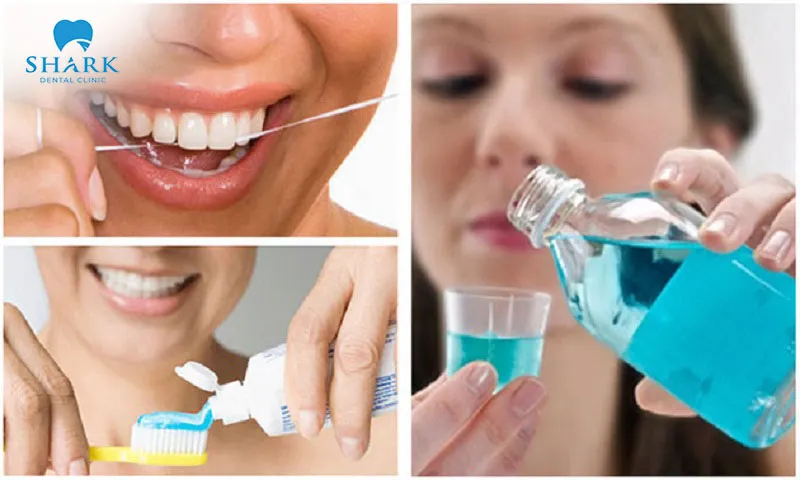
Symptoms of dehydrated teeth after teeth whitening
Following a whitening treatment, dehydrated teeth can exhibit several noticeable signs, including:
Hard enamel
Dehydration can cause teeth to lose calcium, resulting in harder and less flexible enamel. This may lead to discomfort during chewing and other daily activities.
Swollen gums
Strong whitening agents that remain in contact with the teeth for an extended period can irritate and inflame the gums, leading to redness, swelling, or even a burning sensation. In such cases, dentists may apply a protective layer of wax or mineral paste to soothe and protect the gumline.
Dry lips
Whitening agents can also affect the lips and tongue, resulting in dryness. Applying a moisturizing lip balm before and after the whitening treatment can help prevent dryness and irritation.
Tooth sensitivity
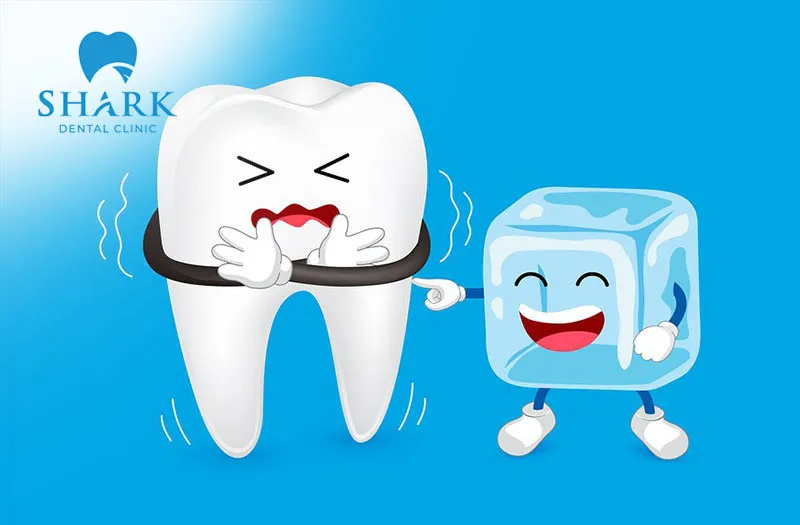
Dehydrated teeth often become more sensitive than usual after whitening. The temporary weakening of the enamel makes teeth more reactive to hot or cold foods and acidic beverages.
Bad breath
Teeth have a porous structure that can easily absorb bacteria and food debris after whitening. When the enamel becomes dehydrated and the mouth lacks sufficient saliva, it leads to dryness and an unpleasant odor, resulting in bad breath.
White spots
One of the most common and visible signs of dehydrated teeth after whitening is the appearance of white spots on teeth after whitening strips are used on the enamel surface. These spots occur due to calcium loss within the enamel. While whitening itself doesn’t cause the white spots, it can make existing ones more noticeable once the teeth have been bleached and dehydrated.
How to rehydrate teeth after whitening
If you notice signs of dehydration after whitening, here are some effective methods to rehydrate your teeth and restore comfort:
Drink enough water
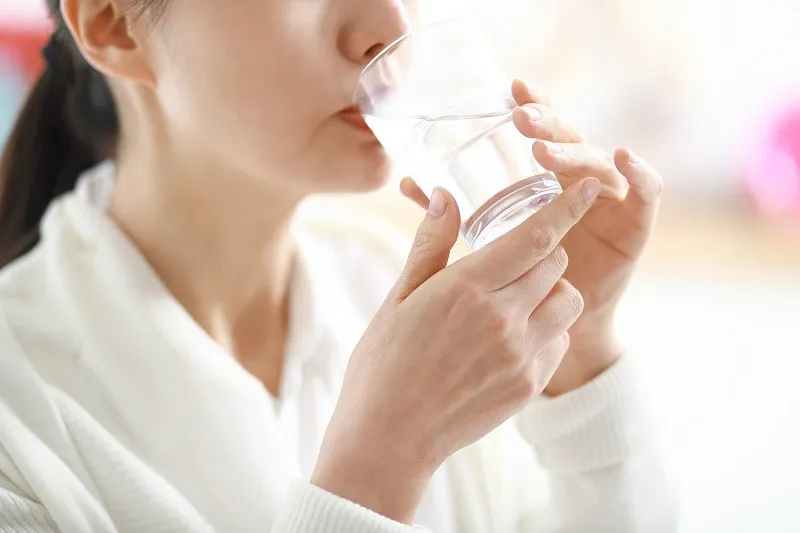
The fastest and most effective way to rehydrate after whitening is to drink plenty of water—at least 2 liters per day. This helps soothe the gums, relieve mouth dryness, and reduce tooth sensitivity or discomfort.
Eat water-rich foods
What can i eat after teeth whitening? Include soft, water-rich fruits such as bananas, soursop, grapefruit, and apples. These foods help restore hydration and provide essential nutrients to support enamel recovery.
>>> See more: How long after teeth whitening can i eat normally?
Maintain a balanced diet
Add nutrient-rich foods like yogurt, white cheese, bread, potatoes, and cauliflower to strengthen the enamel and keep teeth bright and healthy after whitening.
Rinse with salt water
Gargling with warm salt water helps disinfect the mouth, reduce irritation, and stabilize hydration levels in the enamel.
Follow a balanced eating routine
When rehydrating teeth, focus on moist, non-irritating foods and avoid dishes that are too hot or too cold. This helps minimize enamel stress and prevents further dehydration.
Choose the right toothpaste
Toothpaste plays a key role in post-whitening care. Use a fluoride-based toothpaste to strengthen enamel, prevent decay, and restore lost moisture to the teeth.
How to effectively maintain teeth hydration
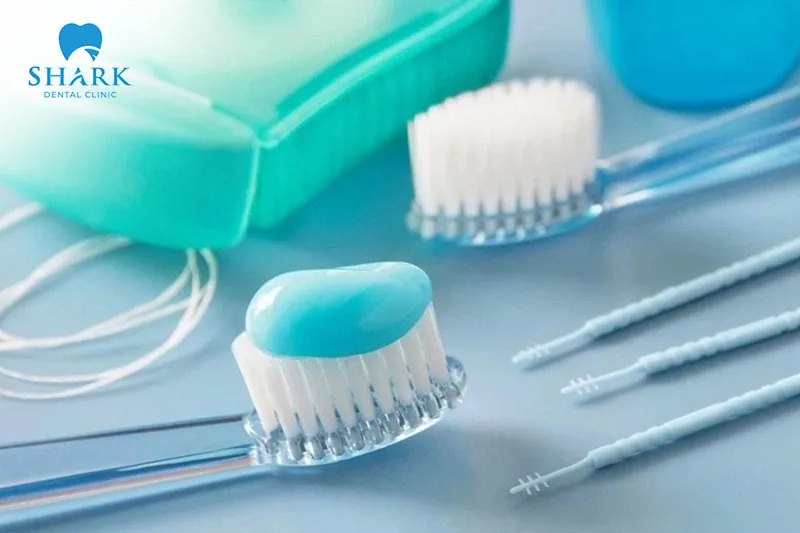
To maintain enamel moisture after whitening, it’s essential to follow a proper oral care and hydration routine. Drink enough water every day and prioritize hydrating, nutrient-rich meals that support saliva production and enamel recovery.
Additionally, use fluoride toothpaste, practice gentle brushing techniques, and maintain consistent oral hygiene habits to minimize irritation and help your teeth recover faster after whitening.
By following these tips on how to rehydrate teeth after whitening, you can effectively restore enamel health and comfort.
For safe and long-lasting whitening results, visit Shark Dental Clinic—a trusted and professional destination known for advanced whitening technology, experienced specialists, and gentle, patient-focused care. At Shark Dental, you can achieve naturally brighter, healthier teeth while minimizing sensitivity and dehydration.
>>> See more: Dental bleaching in Vietnam