
Dental implants are a modern aesthetic trend and have become the optimal solution for replacing missing teeth, ensuring both cosmetic appearance and daily chewing function. Besides the restorative benefits, many people still wonder how long can you have an implant without a crown. The following article will reveal the exact answer for you!
Do you have to get a crown put onto a newly placed dental implant?
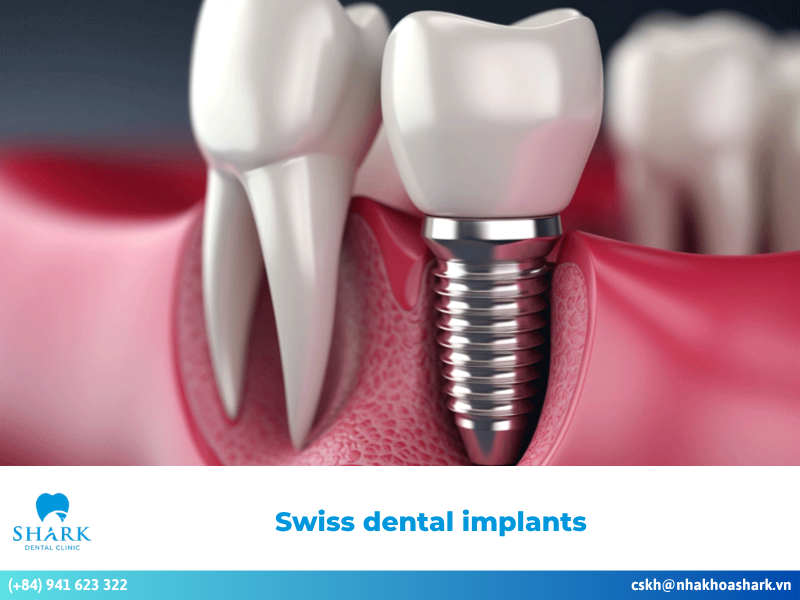
After the placement of a dental implant post, is it necessary to attach a porcelain crown? Yes, in order to complete the tooth restoration process, the porcelain crown must be attached. While the implant post serves as a replacement for the lost tooth root, the crown on top is essential for aesthetics and for ensuring proper chewing function. If the crown is not attached, the implant post risks being rejected.
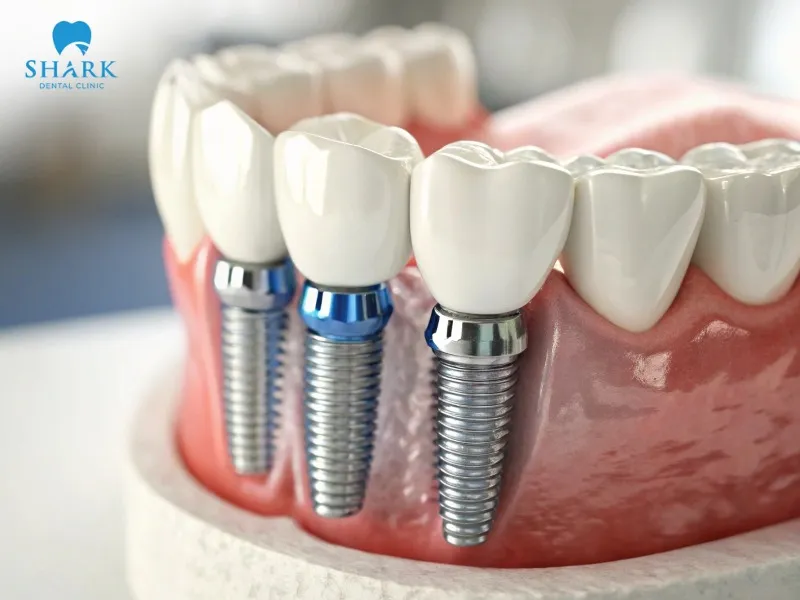
Here are several reasons why you need to attach the porcelain crown after placing the implant post:
- The implant post primarily anchors into the jawbone, replacing the lost tooth root and minimizing jawbone resorption. Without the porcelain crown, the implant post is directly exposed to food and daily chewing forces, which increases the likelihood of damage and rejection.
- The porcelain crown helps distribute chewing forces evenly, reducing the direct stress applied to the implant post and the jawbone. This attachment also prevents potentially harmful jawbone resorption.
- Delaying the attachment of the porcelain crown leads to a gap in the dental arch, which can cause adjacent teeth to shift. This affects overall aesthetics and increases the risk of oral diseases.
- Besides providing aesthetic appeal and ensuring chewing function, the porcelain crown protects the implant post. Without the crown, the implant post is more likely to shift and may struggle to integrate with the jawbone.
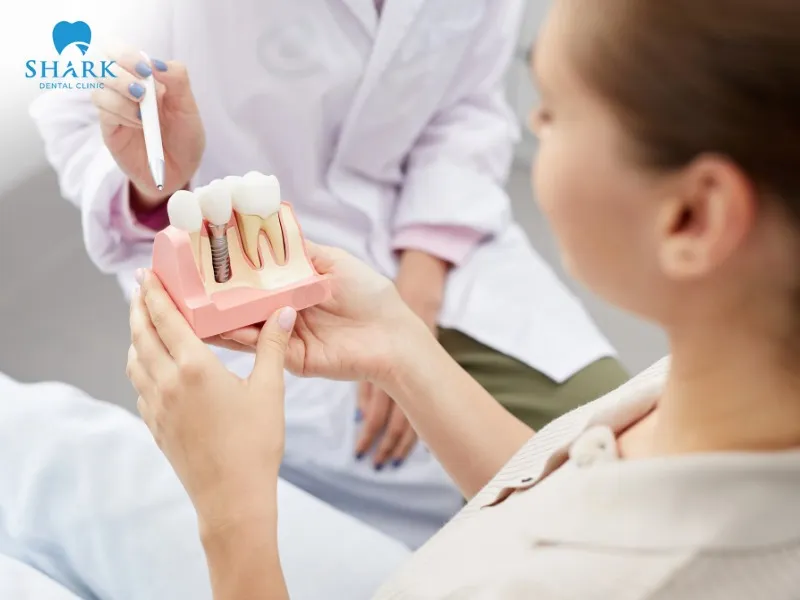
How long can you have an implant without a crown?
Generally, after placing the dental implant post, you should wait about 3 to 6 months before attaching the porcelain crown. This period allows the implant post to integrate with the jawbone and for the soft tissue to heal properly, creating the right conditions for crown placement and completing the restoration process.
During this waiting period, patients are typically fitted with a temporary crown. This temporary solution helps maintain aesthetics and supports daily chewing function. The timeline for placing the permanent porcelain crown after the implant is placed may vary based on several factors:
- Jawbone density: If the jawbone is thick and strong, integration will occur more quickly. Conversely, if the bone is thin or shows signs of resorption, the integration process may take longer.
- Current oral conditions: Factors such as tooth decay, periodontitis, and gingivitis can influence the timing for crown placement as determined by your dentist.
- Bone grafting or infection treatment: If a patient has undergone bone grafting or is being treated for an infection, the integration process with the implant post may be slower, requiring additional time for tissue healing and recovery.
- Technology and techniques: At modern dental clinics with highly skilled dentists and advanced technology, the implant post stabilizes and integrates with the jawbone more quickly. This advancement helps shorten the restoration timeline.
- Oral care routine: After implant placement, following the care instructions and maintaining a proper oral hygiene routine will minimize the risk of infection, allowing the surgical site to heal faster.
- Diet: A scientific diet—consisting of soft, easy-to-chew foods and reducing pressure on the teeth—will help the implant area heal faster, making the integration process with the jawbone more favorable.

You can refer to 50 soft foods to eat after dental implant surgery for dietary ideas.
Potential risks of delaying crown placement
Delaying the placement of the permanent crown after the implant post is inserted can lead to various risks and adverse side effects of dental implants. Therefore, it is crucial to follow your dentist’s treatment instructions to achieve a strong, healthy set of teeth and minimize the risk of infection.
- Gingivitis: If the crown is not placed, the gum line around the implant post will gradually recede over time. As time passes, the gingival tissue can become irritated and inflamed.
- Gum recession: Leaving the implant post exposed for too long can lead to gum recession. This may make the gum margin visible, resulting in aesthetic issues, making oral hygiene difficult, and creating an environment favorable for bacterial growth and disease.
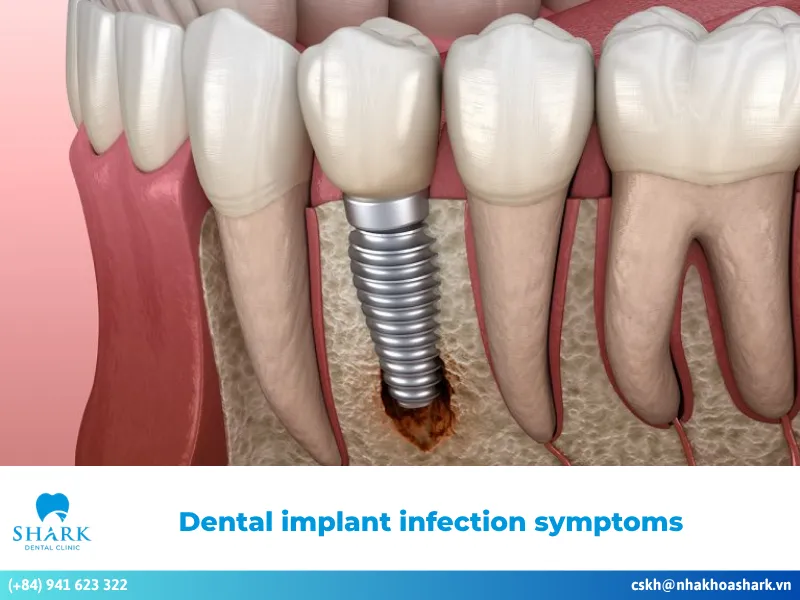
- Infection: After implant placement, failing to place the crown within the recommended timeframe can lead to the accumulation of bacteria and plaque, increasing the risk of infection.

- Soft tissue shifting: Waiting too long to place the crown may cause the soft tissue around the implant site to shift, interfering with the restoration process and potentially causing bite misalignment.
- Implant rejection: If the crown is not placed on time, the implant post may be subjected to excessive force, increasing the risk of damage or implant failure.
- Impact on daily life: If you place only the implant post without attaching the crown as recommended, you may experience difficulties in speaking, eating, and performing daily activities, which can reduce your quality of life.

How to take care of your oral health around dental implants or crown?
Proper oral care following implant placement or crown attachment plays a major role in the success of the restoration. Here are some guidelines you can follow:
- Oral hygiene: Maintain a daily oral hygiene routine at least 2 to 3 times per day. Use a soft-bristled toothbrush and brush in an up-and-down motion to remove bacteria, debris, and food particles from your mouth.
- Mouth rinsing: Rinse regularly with warm water, diluted saltwater, or physiological saline to enhance cleaning effectiveness. Mouth rinsing also provides antibacterial benefits and reduces the risk of infection.
- Avoid chewing hard foods: For the first 7 days after implant placement or crown attachment, avoid very hard or crunchy foods. This helps minimize soft tissue irritation and supports faster healing—especially for patients wondering can you eat popcorn with dental implants, as hard kernels can place excessive pressure on the implant area and restoration.

- Take medications as instructed: Do dental Implants hurt? After implant placement or crown attachment, you may experience pain, soreness, or discomfort. If your dentist prescribes pain relievers or anti-inflammatory medications, be sure to follow the usage instructions.
- Do not smoke: Smoking slows down bone integration and negatively affects the success of the restoration. Therefore, it is advised to quit smoking immediately.
- Regular check-ups: After implant placement, return to the dental clinic for follow-up appointments as scheduled. Additionally, if you notice any abnormal signs, inform your dentist promptly for examination and timely management.
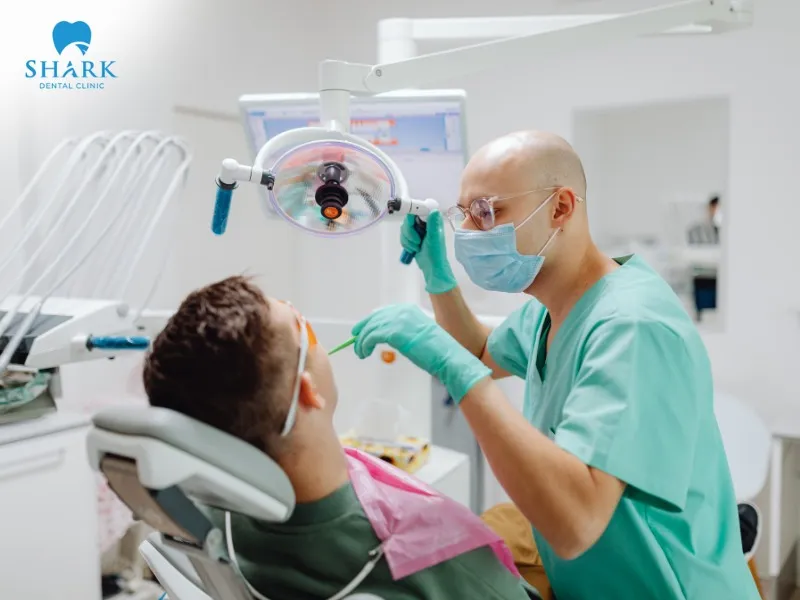
The question, “How long can you have an implant without a crown?” has been thoroughly explained by Shark Dental Clinic in the content above. We hope this information helps you understand the risks of not placing the crown after implant insertion and provides guidance on how to care for and protect your oral health properly.
>>> See more: How long after crown lengthening can I get a crown?