
When looking to enhance your smile, many people find themselves deciding between dental implants and porcelain veneers—two highly regarded dental treatments today. Each solution offers distinct benefits and is suited to specific oral conditions. So which option is the most optimal for you? Let Shark Dental Clinic compare dental implants vs. veneers to help you make an informed and confident decision.
Learn about dental implants
Dental implants are widely recognized as one of the most advanced restorative solutions available today, offering an effective approach to replacing missing teeth. Below is a comprehensive overview to help you understand this method, especially when considering dental implants vs veneers:
What are dental implants?
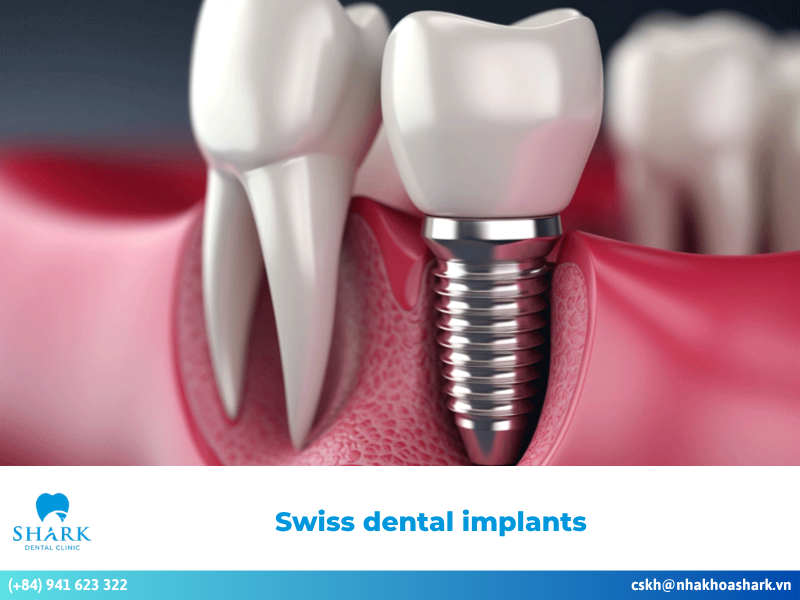
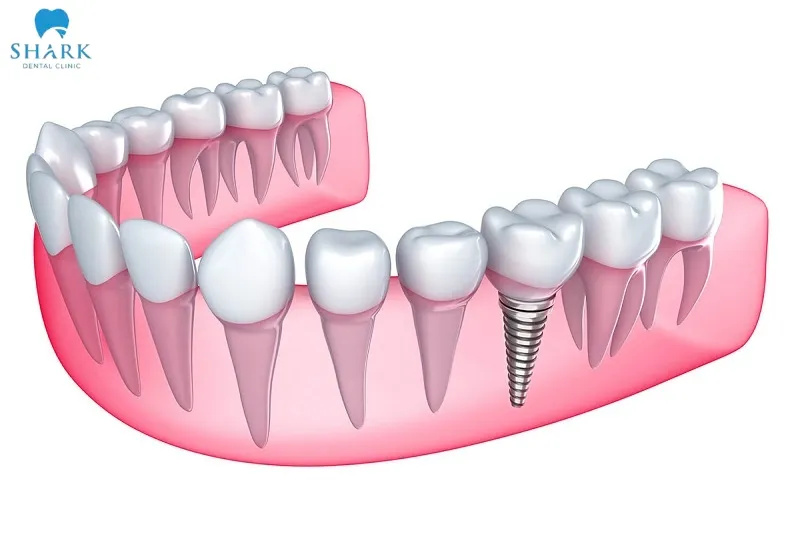
A dental implant is a small post, similar in size to a natural tooth root, typically made from high-grade titanium. This material is known for its safety and excellent compatibility with jawbone tissue. In implant dentistry, the dentist surgically places this titanium dental implant into the jawbone at the site of the missing tooth, effectively replacing the original root. Once the implant fully integrates with the bone, a prosthetic tooth is attached on top, restoring both the function of chewing and the aesthetics of the tooth.
How do dental implants work?
Dental implants work based on the principle of osseointegration. After being placed into the jawbone, the implant gradually fuses with the surrounding bone tissue, creating a stable foundation akin to a natural tooth root. This mechanism allows implants to securely support the final restoration, withstand strong chewing forces, and help maintain long-term jawbone structure.
Benefits of choosing implants
Choosing this restorative procedure offers several benefits of dental implants in terms of both function and appearance, including:
- Restoration of chewing ability: With a firmly anchored artificial root, patients can eat comfortably without worrying about looseness, unlike with removable dentures.
- Prevention of bone loss: Tooth loss can lead to jawbone resorption, resulting in sunken cheeks and premature aging. Implants help preserve the natural facial structure.
- Exceptional durability: While other restorations may need replacement after 5 to 10 years, a well-placed and properly maintained implant can last a lifetime.
- Enhanced aesthetics: The porcelain crown placed on the implant is crafted to match the color and translucency of natural teeth, improving overall smile aesthetics.
- Protection of adjacent teeth: Unlike dental bridges, implants do not require grinding down neighboring healthy teeth, thus preserving natural tooth structure.

Procedure steps for dental implants
To ensure safety and optimal results, dental implant treatment typically follows these standardized steps:
Step 1: Comprehensive examination and consultation
The process begins with a thorough oral health examination. This includes assessing the condition of the jawbone and the area of the missing tooth through X-ray imaging. Based on these findings, the dentist develops a tailored treatment plan specific to the patient’s restorative needs.
Step 2: Oral hygiene preparation
Before placing the implant, the dentist cleans the oral cavity thoroughly, removing plaque and bacteria. This step is essential to create a safe oral environment and to minimize the risk of infection during the dental implant procedure.
Step 3: Implant placement
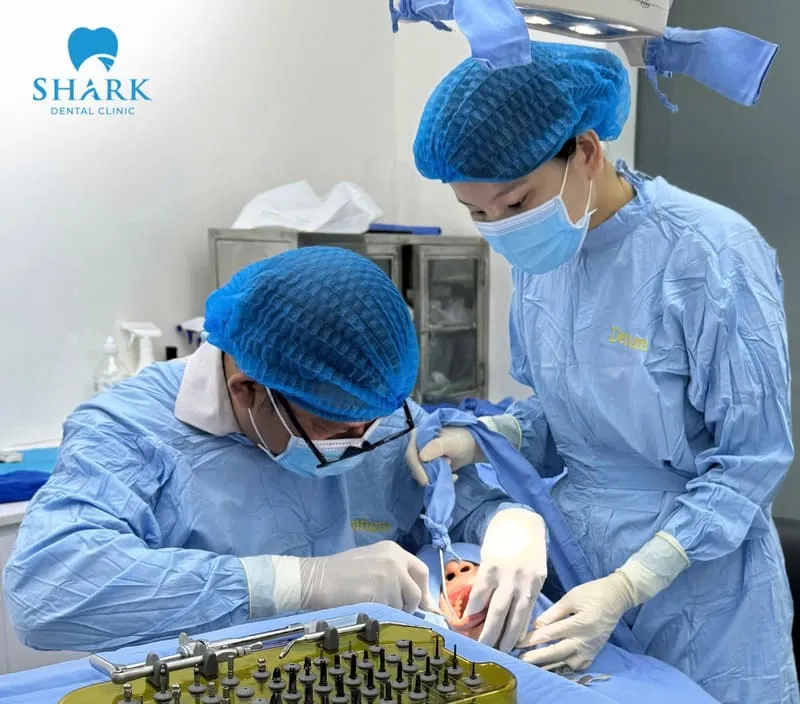
The dentist administers local anesthesia at the implant site to ensure comfort. The titanium implant post is then strategically placed into the jawbone at the predetermined location. This step is carefully executed and typically takes about 10 to 15 minutes per implant post.
Step 4: Impression taking and temporary crown placement
The dentist takes an impression of the implant area and sends it to a dental laboratory for the fabrication of a porcelain crown. After 2 to 3 days, the patient returns to have a temporary crown placed. This temporary solution allows for proper chewing function and aesthetics while waiting for the implant to integrate with the jawbone.
Step 5: Post-implant follow-up
Approximately 7–10 days after implant placement, the patient revisits the clinic for gum evaluation, healing assessment, and overall oral health monitoring. This stage is crucial for early detection of any issues, as fixing dental implants is much more effective when complications are identified in their initial stages. If any abnormalities are detected, the dentist will address them promptly to protect the implant post.
Step 6: Final crown placement
Once the implant has fully integrated with the jawbone, the dentist permanently attaches the porcelain crown. This final step completes the tooth restoration process, providing the patient with a strong, stable tooth that closely resembles a natural tooth in both function and appearance.
Learn about porcelain veneers
Before comparing dental veneers and implants—including aspects such as the cost of dental implants versus veneers—it is essential to understand porcelain veneers in detail. Let’s explore this solution offered by Shark Dental Clinic.
What are porcelain veneers?
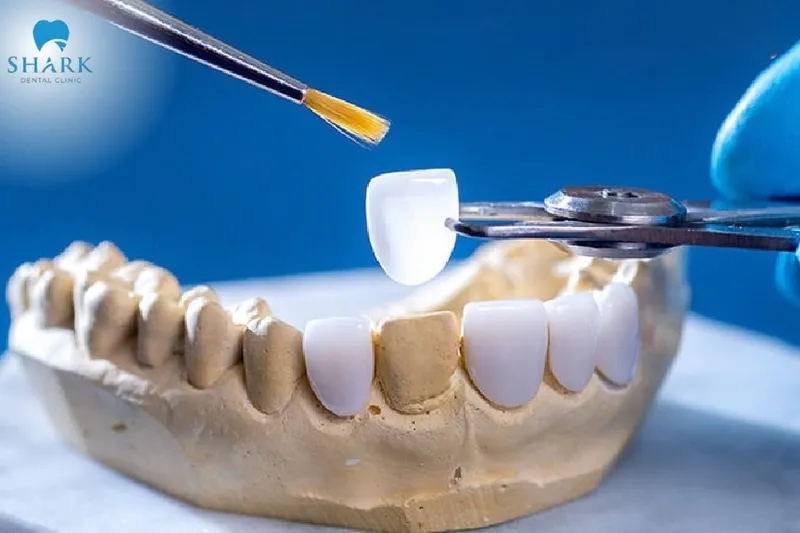
Porcelain veneers, also known as ceramic laminates, are ultra-thin shells that are bonded to the outer surface of teeth. With a thickness of only about 0.3 to 0.5 mm and a natural tooth-like color, veneers are designed to conceal imperfections, reshape teeth, and create a more aesthetically pleasing smile. Common materials used for veneers include high-quality porcelain, composite resin, and advanced synthetic materials. Once bonded permanently, veneers not only enhance the aesthetics of a smile but also preserve natural enamel to the greatest extent possible.
How do veneers work?
Porcelain veneers serve as a protective cosmetic layer that covers the visible surface of the tooth. They conceal surface defects and improve the shape and color of the teeth, creating a more harmonious smile while maintaining the tooth’s natural structure and normal biting function.
Benefits of choosing veneers
Porcelain veneers are highly regarded by dental professionals for several reasons, including:
- Maximum preservation of natural teeth: Only a very thin layer of enamel is removed, leaving most of the natural tooth structure intact and avoiding any risk to the dental pulp.
- Highly natural aesthetics: Veneers have translucency and light-reflecting properties similar to natural enamel, making them virtually undetectable.
- Comfortable chewing experience: Their ultra-thin design and precise fit prevent bulkiness or discomfort, allowing for natural chewing.
- Long-lasting durability: How long do porcelain veneers last? When applied by skilled dentists and properly maintained, porcelain veneers can last 10 to 15 years or even longer while retaining both aesthetics and functionality.
Procedure steps for veneers
To achieve a natural and balanced smile, the veneer procedure is carried out according to strict clinical steps:
Step 1: Examination and consultation
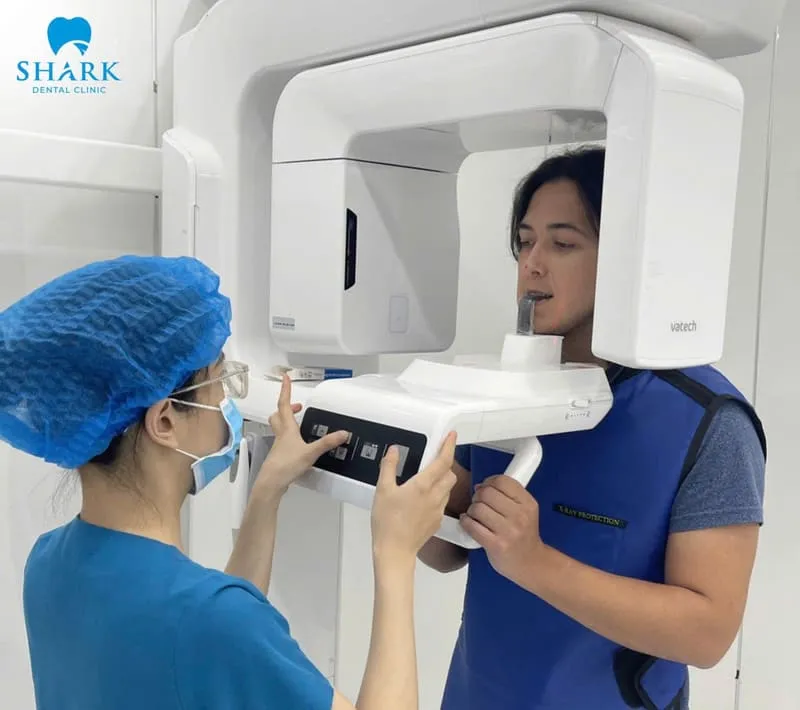
The dentist conducts a comprehensive evaluation of the patient’s oral health and takes X-rays to ensure the teeth are suitable for veneer placement. If any oral diseases are detected, they will be treated first before proceeding with porcelain veneer application.
Step 2: Minimal enamel reduction
The teeth are thoroughly cleaned, mild local anesthesia is applied, and a very thin layer of enamel (0.3–0.6 mm) is gently reduced on the outer surface to create optimal bonding for the veneers. As only minimal enamel is removed, the natural teeth are preserved to the greatest extent.
Step 3: Impression taking and shade selection
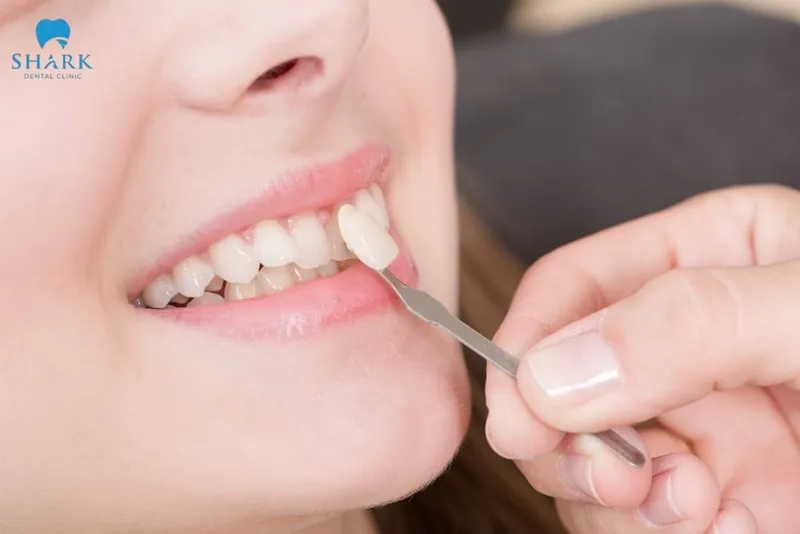
After enamel preparation, the dentist takes dental impressions and sends them to the laboratory for veneer fabrication tailored to the patient’s tooth shape. At the same time, the patient is advised on selecting a natural porcelain shade that harmonizes with the existing teeth, ensuring optimal aesthetic results.
Step 4: Veneer bonding
The porcelain veneers are tried on the teeth to evaluate aesthetics and occlusion. Once all criteria are met, they are permanently bonded using a high-quality dental adhesive for veneers, ensuring durability, stability, and a natural appearance comparable to real teeth.
Aesthetic differences between dental Implants vs. Veneers
Although both dental veneers and implants aim to improve smile aesthetics, they serve different restorative purposes. The comparison below highlights their key aesthetic distinctions:
| COMPARISON CRITERIA | DENTAL IMPLANTS | PORCELAIN VENEERS |
| Aesthetic purpose | Replace missing teeth while restoring both function and aesthetics | Correct chipped, spaced, mildly misaligned, or discolored teeth |
| Tooth structure | Includes an implant post and porcelain crown to recreate a complete tooth | Thin shells bonded to the tooth surface for reshaping |
| Color | Typically matched to your current tooth shade | Allows selection of a whiter shade if desired |
| Bite strength | Extremely strong, comparable to natural teeth | Good strength, but hard foods should be avoided |
Dental implants vs veneers cost overview
The costs of veneers and implants differ significantly due to variations in treatment complexity, materials, and procedures.
Dental implant treatment typically ranges from 13,000,000 to 35,000,000 VND per tooth. This higher cost reflects the inclusion of the implant post, porcelain crown, advanced surgical techniques, and a longer treatment timeline to ensure durability and long-term chewing function.
In contrast, porcelain veneers generally cost between 6,000,000 and 14,000,000 VND per tooth, depending on how many teeth are treated. Veneer pricing varies based on the type of porcelain used, the dentist’s expertise, and the fabrication technology. Veneers offer the advantages of quicker treatment times and minimal invasiveness.
To determine the most suitable solution and the accurate cost for your oral condition, it is recommended to visit a reputable dental clinic for a thorough examination and personalized treatment plan.
Pre-treatment factors to consider
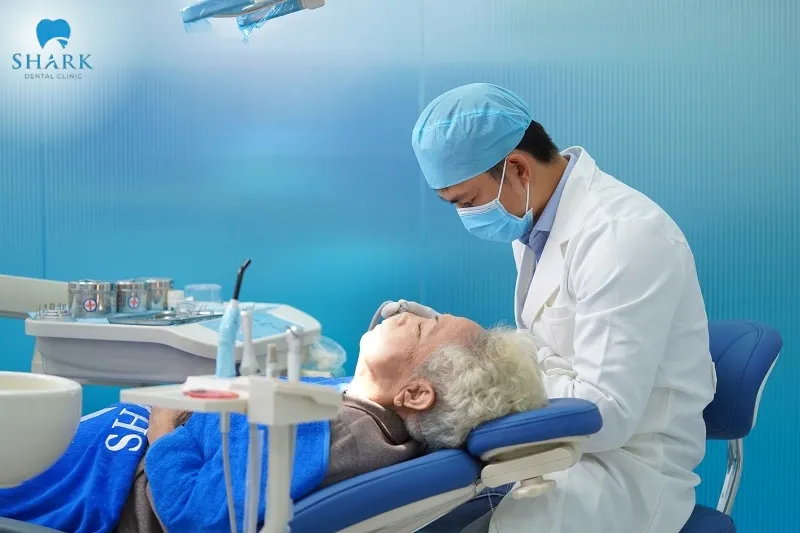
When comparing dental implants and porcelain veneers, patients should carefully evaluate several important factors before proceeding with treatment to ensure optimal and safe outcomes:
- Oral health condition: It is essential that your teeth, gums, and jawbone are healthy enough for treatment. Conditions such as gingivitis, tooth decay, or jawbone loss should be thoroughly addressed beforehand.
- Aesthetic and functional goals: Clearly identify your needs. Dental implants are suitable for replacing missing teeth, while veneers are ideal for enhancing the appearance of healthy teeth.
- Jawbone quality: Assessing jawbone density is crucial prior to treatment. For implants, the density and thickness of the jawbone determine whether the implant post can successfully integrate with it.
- Budget and treatment costs: Implants generally come with higher costs compared to veneers. Therefore, patients should carefully weigh whether to prioritize functional restoration or cosmetic enhancement.
Can patients combine veneers and implants?
Yes, patients can certainly combine dental implants and porcelain veneers. The placement of implants restores missing teeth, while veneers enhance the appearance of the remaining natural teeth. By using both methods, patients can achieve a comprehensive smile makeover that ensures aesthetic harmony and stable chewing function. Combining these treatments also enables dentists to easily match tooth color and shape, resulting in a more natural and uniform appearance across the dental arch.
>>> See more: Dental caps vs. veneers
Choosing between dental veneers vs implants
After evaluating dental implants and porcelain veneers, many patients remain uncertain about which option is more appropriate. The choice between veneers and implants depends on the current oral condition, as well as each individual’s aesthetic desires and chewing needs. Specifically:
- Porcelain veneers: Ideal for patients who have not lost teeth but may have issues such as tooth discoloration, minor chipping, gaps, or unappealing tooth shape. Veneers provide a rapid aesthetic improvement while preserving as much natural tooth structure as possible.
- Dental implants: Preferred for patients who have experienced complete tooth loss or have severely damaged teeth that cannot be saved. Implants restore strong chewing function and help prevent jawbone resorption.
In many cases, dentists may recommend a combination of both implants and veneers to achieve optimal results—restoring function while enhancing overall smile aesthetics. To determine whether veneers or implants are the most suitable solution, patients should visit a dental clinic for a direct examination and consultation with a specialist.

Daily care for implants and veneers
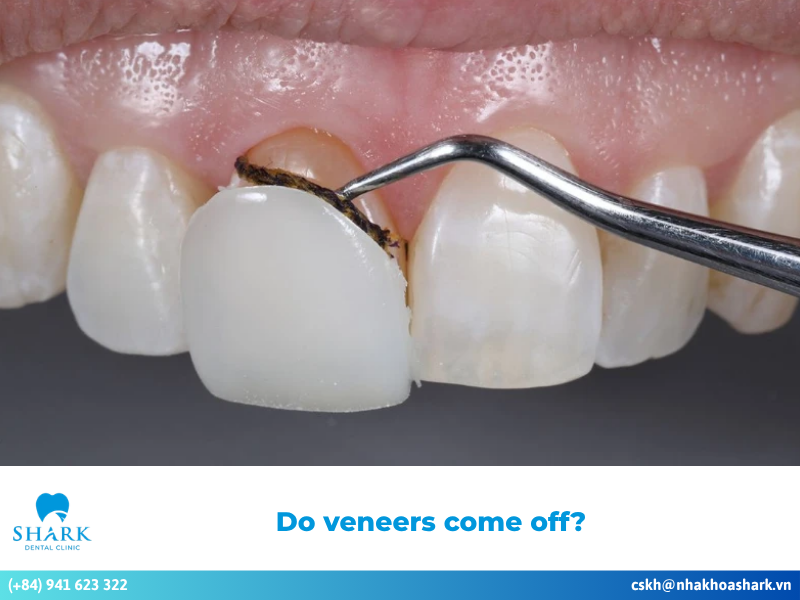
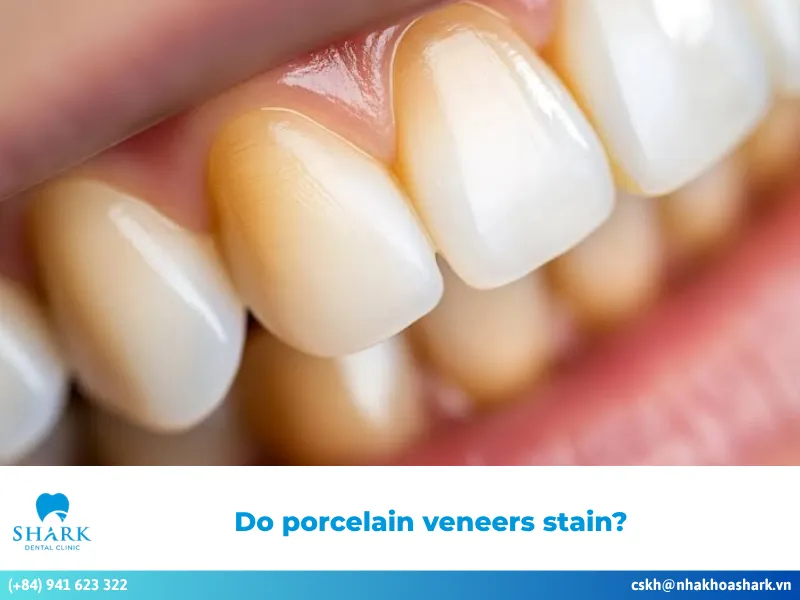
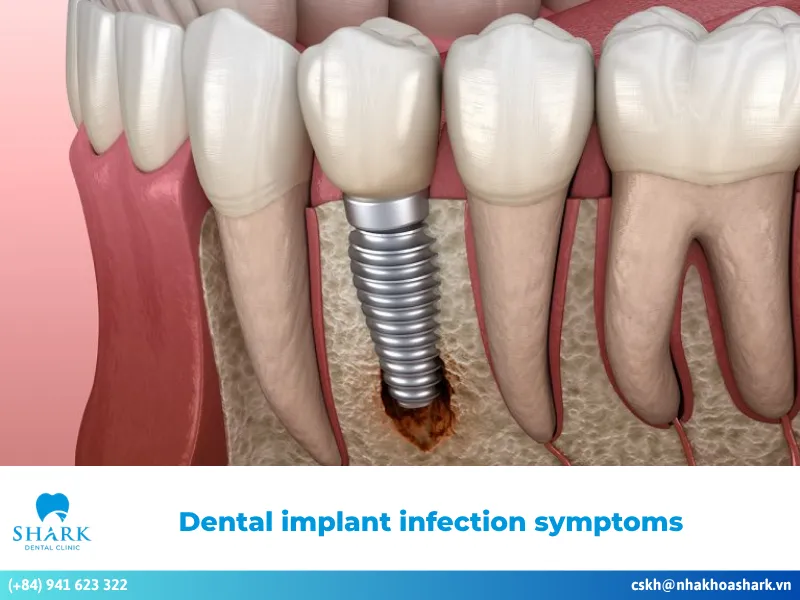
Although both implants and veneers are resistant to staining and can withstand significant biting forces, proper care is essential to prevent issues such as peri-implant inflammation or veneer debonding. Patients should adhere to these daily care guidelines following veneer placement and implant treatment:
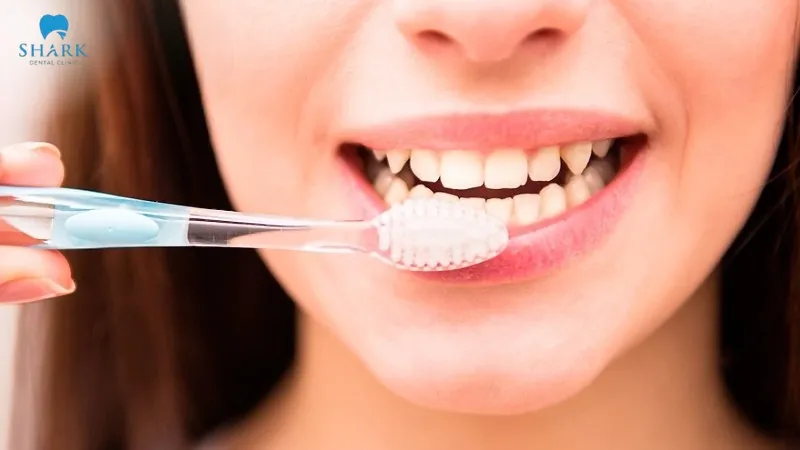
- Maintain proper oral hygiene: Brush at least twice daily with a soft-bristled toothbrush and use dental floss or a water flosser to remove plaque around implants and veneers.
- Use appropriate oral care products: Choose low-abrasive toothpaste and gentle mouthwash to protect porcelain surfaces and gum tissue.
- Avoid harmful habits: Steer clear of biting hard objects, grinding your teeth, or using your teeth to open bottles to reduce the risk of veneer chipping and implant damage.
- Adopt a balanced diet: Limit overly hard, sticky, or sugary foods and include more calcium-rich foods to support overall oral health.
- Schedule regular dental check-ups: Visit your dental clinic as recommended by your dentist to monitor implant stability and veneer condition, allowing for timely interventions if any issues arise.
Through this comparison of dental Implants vs. Veneers, Shark Dental Clinic aims to help patients gain a clearer understanding of the differences between these two treatment options. Each technique offers distinct advantages and is suitable for specific oral conditions. To make an informed decision, do not hesitate to contact Shark Dental Clinic at hotline (+84) 941 623 322 for professional consultation, quick appointment scheduling, and access to the most appealing treatment offers available.
>>> See more: Removable Dentures vs. Implants