

Teeth whitening strips are one of the most convenient and accessible solutions for improving tooth color at home. When used correctly, they can help brighten your smile and reduce the appearance of stains caused by everyday foods and beverages. However, many people still wonder how long to leave teeth whitening strips on and what steps should be followed to ensure both safety and effectiveness. Let’s explore expert recommendations in the article below!
How long to leave teeth whitening strips on?
According to dental professionals, the ideal answer to the question of how long to leave teeth whitening strips on is generally around 30 minutes. However, the exact duration may vary depending on the product. Some whitening strips are formulated for shorter treatment times and should only be worn for approximately 15 minutes.
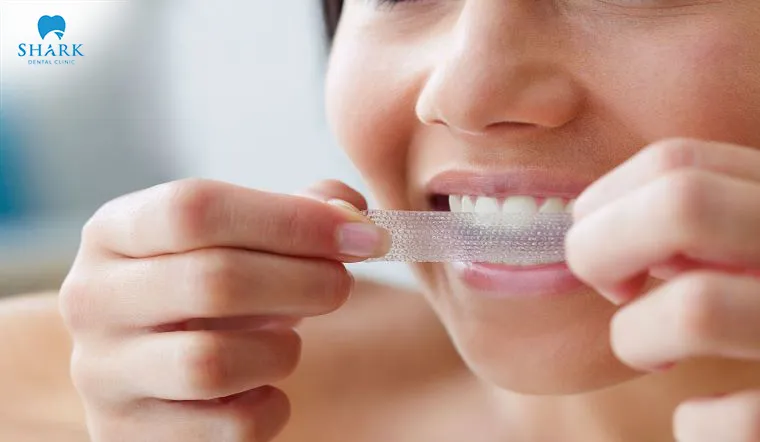
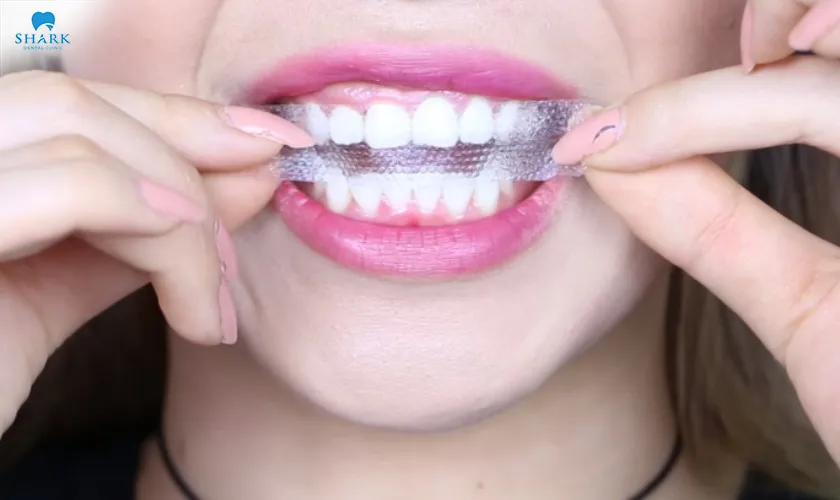
Teeth whitening strips are thin, transparent plastic strips designed with two distinct surfaces. The inner side contains whitening agents that help break down stains and discoloration on the tooth surface, while the outer side features an adhesive layer that allows the strip to stay securely in place throughout the whitening process.
Because prolonged exposure may increase the risk of tooth sensitivity and enamel irritation, users should always follow the manufacturer’s instructions rather than assuming that longer wear times will produce better results. This is also why many people ask, ” Can you sleep with teeth whitening strips on?” In most cases, whitening strips should only be worn for the recommended duration and removed promptly afterward.
Factors that influence how long to leave teeth whitening strips on
There are several factors that can influence how long to leave teeth whitening strips on, such as:
- Hydrogen Peroxide concentration: The concentration of hydrogen peroxide in the whitening strips plays an important role in determining the appropriate application time. Products with a higher concentration of hydrogen peroxide generally require a shorter wear time to avoid damaging the tooth enamel. In contrast, whitening strips with lower concentrations can often be left on for a longer period according to the manufacturer’s instructions.
- Degree of tooth discoloration: For individuals with long-term or severe tooth discoloration, a longer treatment course may be needed to achieve noticeable whitening results. On the other hand, people with only mild staining may see improvements within a shorter period and may not require extended use.
- Tooth sensitivity: If your teeth are naturally sensitive or prone to discomfort, you should be cautious when using whitening strips. Reducing the frequency of use and carefully following the recommended application time can help protect the teeth and surrounding tissues from irritation.
- Oral care and lifestyle habits: People who smoke regularly or frequently consume coffee and other staining beverages often require a longer whitening regimen to improve tooth color. As a result, achieving the desired whitening effect may take more time compared to individuals with fewer staining habits.
What happens if you leave whitening strips on too long?
Many people believe that leaving teeth whitening strips on for longer will make their teeth whiter more quickly. Others may wonder if you can sleep with teeth whitening strips on to maximize whitening results. However, prolonged wear is generally not recommended, as it may increase the risk of:
- Tooth sensitivity: Leaving whitening strips on for too long allows peroxide-based whitening agents to penetrate deeper into the enamel and dentin. This may result in prolonged tooth sensitivity, pain, and discomfort that can interfere with eating, drinking, and daily activities.
- Gum irritation: The active ingredients contained in whitening strips can come into contact with the gums and surrounding soft tissues. Excessive exposure may cause irritation, soreness, redness, swelling, and even damage to the gum tissue.
- Enamel damage: In some cases, overusing whitening strips can contribute to enamel erosion and mineral loss. Weakened enamel creates a more favorable environment for bacteria, increasing the risk of tooth decay and other oral health problems.
- Potential health concerns: If whitening strips are worn for too long and whitening agents are accidentally swallowed, the chemicals may irritate the throat and potentially cause discomfort or other health-related concerns.
- Uneven tooth color: Using whitening strips beyond the recommended time may cause uneven whitening results. Teeth may develop patchy or blotchy areas, resulting in an inconsistent appearance rather than a naturally bright and uniform smile.
Signs you should remove whitening strips immediately
You should remove teeth whitening strips as soon as possible if you experience any of the following symptoms while wearing them:
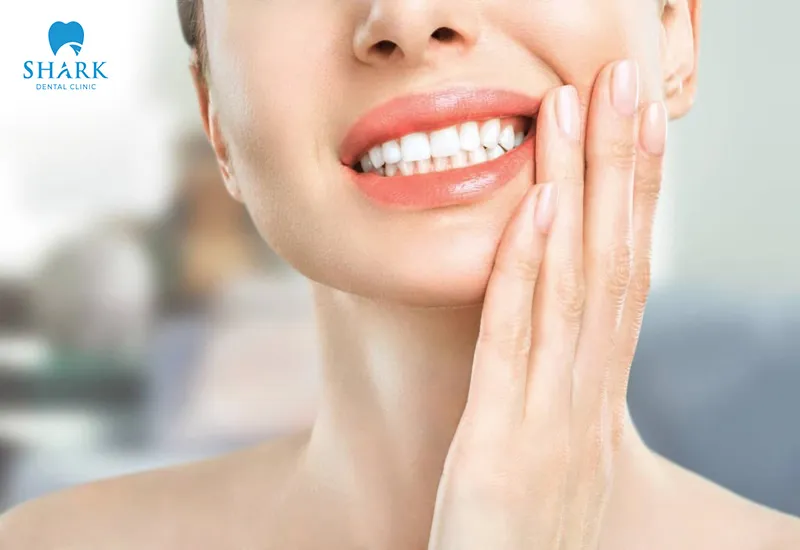
- Tooth sensitivity and discomfort: Your teeth become painful or highly sensitive when exposed to food, beverages, cold air, or changes in temperature.
- Gum irritation: Your gums show signs of irritation, including redness, swelling, a pale appearance, burning sensations, or tenderness after applying the whitening strips.
- Persistent tooth pain: You experience a continuous toothache that does not improve over time, gradually becomes more severe, and occurs without an obvious cause.
- Bitter or unpleasant taste in the mouth: A sudden bitter, sharp, or chemical taste in the mouth may indicate that the whitening agents have come into contact with the soft tissues, causing irritation and affecting your daily comfort.
>>> See more: How long after teeth whitening can I eat normally?
How to maintain results after using whitening strips?
To achieve long-lasting whitening results, it is important to follow proper oral hygiene practices and the aftercare instructions provided by your dental professional. Here are some recommendations to help maintain your brighter smile:
- Avoid strongly colored foods and drinks: Try to avoid foods and beverages that can stain the teeth, such as coffee, tea, red wine, and carbonated soft drinks.
- Do not brush immediately after whitening: Your teeth may be temporarily more sensitive and susceptible to staining after treatment. For this reason, it is best to wait at least 30–60 minutes before brushing your teeth.
- Rinse with clean water: After removing the whitening strips, rinse your mouth thoroughly with clean water to help remove any remaining whitening residue from the teeth and oral tissues.
- Avoid smoking: Smoking can quickly stain the teeth due to nicotine and other tobacco-related compounds, reducing the longevity of your whitening results.
- Maintain proper oral hygiene: Brush your teeth regularly using a soft-bristle toothbrush to help protect the enamel from excessive wear. In addition, use dental floss daily to remove plaque and food debris from between the teeth, helping to reduce bacterial buildup and maintain oral health.
- Use a straw for colored beverages: When drinking beverages that may stain the teeth, consider using a straw to minimize direct contact between the liquid and the tooth surfaces.
- Drink plenty of water: Drinking enough water throughout the day helps cleanse the oral cavity naturally and reduces the accumulation of plaque and staining substances.
- Schedule regular dental checkups: Visit your dentist every six months for routine examinations and professional cleanings. Regular dental visits can help maintain both your oral health and your whitening results.
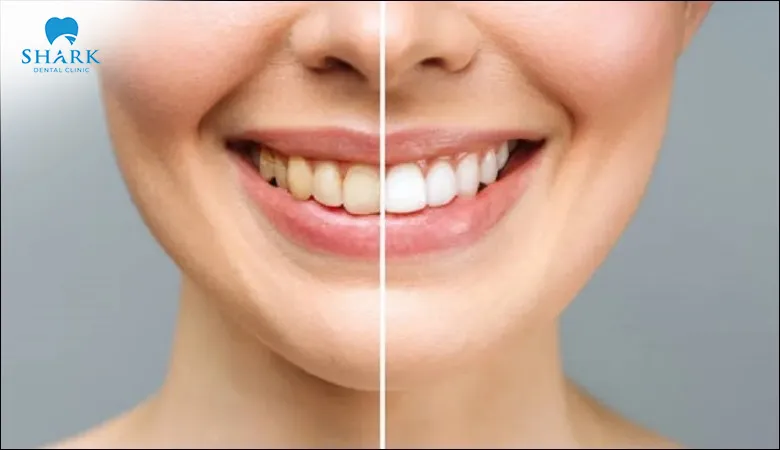
The information above provides a detailed answer to the question of “How long to leave teeth whitening strips on?” While whitening strips can be an effective way to improve tooth color, improper use may lead to tooth sensitivity, gum irritation, enamel damage, and other unwanted side effects. Questions such as “Can you sleep with teeth whitening strips on?” often arise because many people assume that longer wear times produce better results. However, following the recommended application time is the safest and most effective approach. Shark Dental Clinic hopes this article has helped you better understand how to use teeth whitening strips correctly and safely. If you have any additional questions or would like professional advice about teeth whitening treatments, please contact us for a personalized consultation and support.