
To achieve a brighter and more confident smile, many people choose blue light teeth whitening treatments. However, what exactly is teeth whitening blue light, and is it truly an effective solution for stained or discolored teeth? If you are considering this cosmetic dental procedure, understanding how it works and when it should be performed can help you make a more informed decision. Explore the detailed information below!
What is blue light teeth whitening?
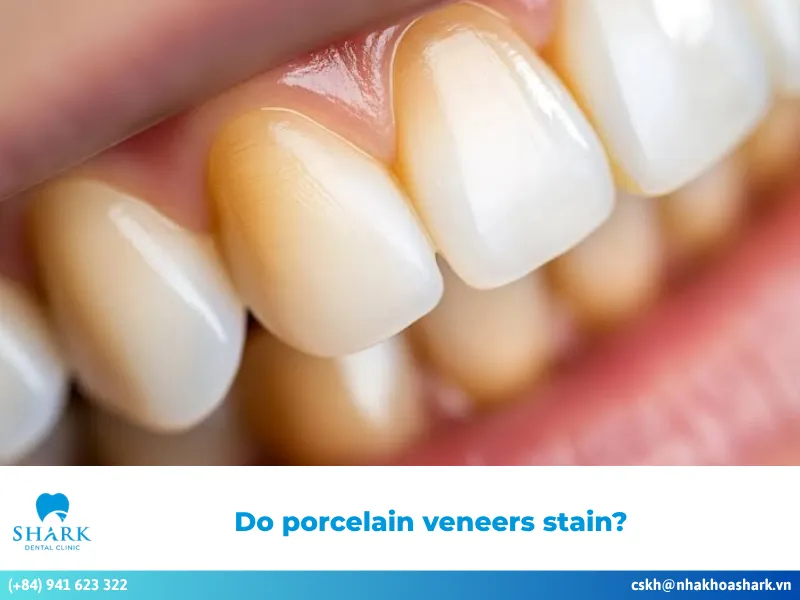
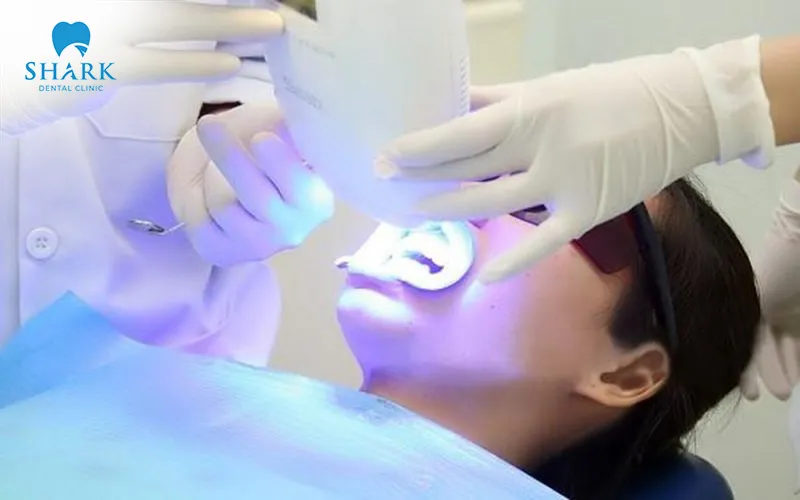
Blue light teeth whitening is a modern cosmetic dental treatment that uses blue light technology to activate a professional teeth whitening gel. This technique works by breaking down the molecular bonds responsible for tooth discoloration and staining, helping patients achieve a noticeably brighter smile in as little as one hour without affecting the natural structure of the teeth.
The mechanism behind blue light teeth whitening involves the application of a whitening agent combined with blue LED, laser, or plasma light activation. The blue light accelerates the whitening process by enhancing the effectiveness of the active ingredients in the whitening gel. As a result, visible improvements in tooth color can often be seen after just a single treatment session.
Potential side effects of teeth whitening blue light
Blue light teeth whitening is known for being a fast, effective, and minimally invasive cosmetic dental procedure. However, like any dental treatment, it may be associated with certain side effects and limitations, including:
- Tooth sensitivity: After treatment, some patients may experience temporary tooth sensitivity, soreness, or discomfort. Teeth may feel more sensitive to hot and cold foods and beverages immediately after the procedure. Fortunately, these symptoms typically decrease gradually over time.
- Gum irritation: If the whitening gel accidentally comes into contact with the gums during the procedure, it may cause irritation, swelling, redness, or a mild burning sensation in the soft tissues.
- Uneven tooth color: In some cases, patients may notice patchy whitening results or uneven tooth coloration following blue light teeth whitening treatment, which can affect the overall aesthetic appearance of the smile.
- Dry mouth and dehydration: Some individuals may experience temporary dry mouth after treatment, which can create feelings of discomfort and increased sensitivity.
To minimize potential side effects and achieve optimal results, it is important to choose a reputable dental clinic that follows safe and professional teeth whitening protocols.
Is teeth whitening blue light safe for regular use?
According to dental professionals, blue light teeth whitening may not be completely safe if performed too frequently. Excessive whitening treatments can place additional stress on the tooth enamel and may contribute to several unwanted effects, including:
- Teeth become weaker and more sensitive to hot and cold temperatures.
- Increased gum irritation and a greater tendency for the gums to bleed.
- Uneven tooth coloration or inconsistent whitening results.
- Gradual enamel wear due to repeated exposure to peroxide-based whitening agents.
In-Office blue light teeth whitening procedure
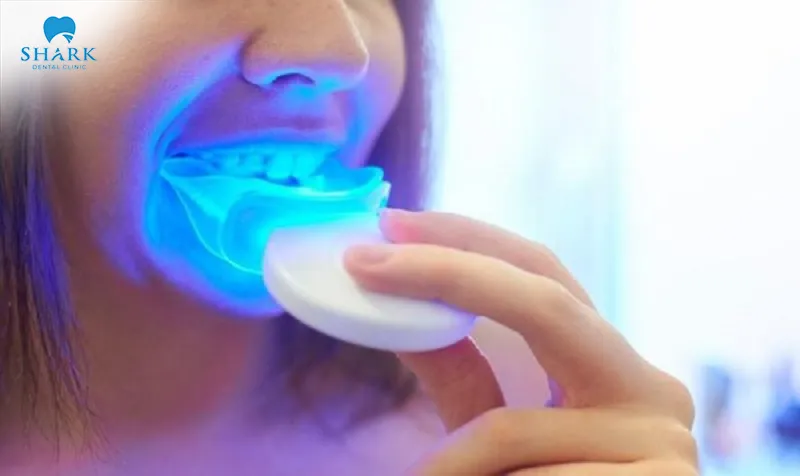
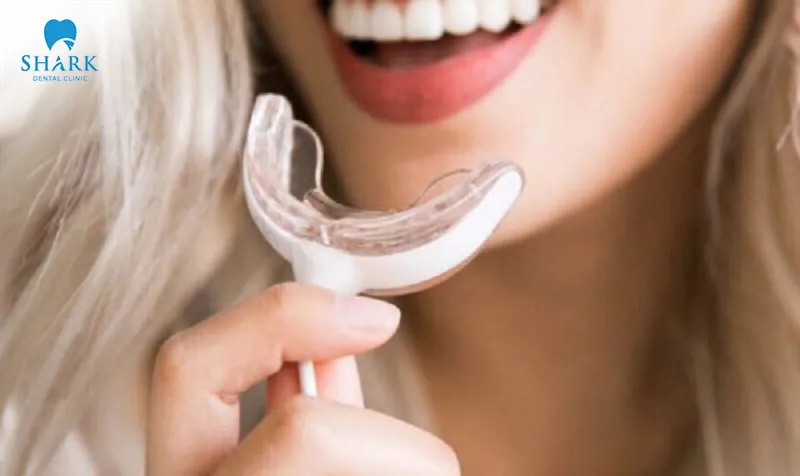
At-home teeth whitening blue light kits offer a convenient and relatively simple way to brighten your smile without visiting a dental clinic. These kits typically combine a peroxide-based whitening gel with a handheld LED light device. The whitening gel works to break down surface stains and discoloration, while the blue light helps accelerate the whitening process. Depending on the product, visible results may be achieved within approximately 10–30 minutes per session.
The process of using an at-home teeth whitening blue light kit generally includes the following steps:
Step 1: Clean your teeth thoroughly
Begin by brushing your teeth thoroughly and using dental floss to remove plaque and food debris. After cleaning, gently dry the tooth surfaces with a tissue or paper towel to help the whitening gel adhere more effectively.
Step 2: Apply the whitening gel
Use a whitening pen or tray to apply an appropriate amount of whitening gel to the tooth surfaces. Care should be taken to avoid excessive contact with the gums, as this may increase the risk of irritation.
Step 3: Activate the blue light
Place the handheld LED device according to the manufacturer’s instructions and activate the blue light. Treatment sessions typically last between 10 and 30 minutes, depending on the product and whitening protocol. Many users wonder how long to use blue light for teeth whitening to achieve the best results. The appropriate treatment time may vary by product, so it is important to follow the manufacturer’s recommendations to ensure both safety and effectiveness.
Step 4: Rinse and clean the equipment
After completing the whitening session, rinse your mouth thoroughly with clean water. Wash the whitening tray if applicable and store the LED device properly for future use.
Blue LED whitening vs laser and other light-activated treatments
Blue light teeth whitening, laser teeth whitening, whitening strips, and other modern whitening technologies each have their own advantages and limitations. Understanding the differences can help patients choose the most suitable option for their needs.
|
Comparisoncriteria |
Blue light teeth whitening | Whitening strips | Advanced professional whitening treatments |
| Technique | Uses blue LED light activation to enhance the whitening effect of peroxide-based gels and help remove tooth stains | Applies a peroxide-containing whitening strip directly to the tooth surface | Uses advanced whitening technologies, including professional light-activated systems and other modern dental whitening techniques |
| Effectiveness | Results are typically visible quickly, often after one or two treatment sessions | Whitening results usually become noticeable after one to two weeks of consistent use | Significant whitening improvements are often visible after a single treatment session |
| Safety | Generally safe when used correctly, but excessive use may increase the risk of tooth sensitivity, gum irritation, and discomfort | Incorrect application may lead to gum irritation | Offers a high level of safety and control. |
| Suitability | Suitable for a wide range of patients | May be less effective for individuals with severe or deeply embedded tooth discoloration | Can be customized for many different types of tooth discoloration and patient needs |
| Cost | Moderately priced compared with other whitening options | The most affordable |
Often, the most expensive whitening option |
How long results from blue light teeth whitening last?
According to dental professionals, the results of teeth whitening blue light can typically last anywhere from 1 to 3 years, depending on an individual’s oral health, lifestyle habits, and daily dental care routine. This whitening method delivers fast and noticeable results because it utilizes effective whitening agents activated by blue light technology.
The longevity of blue light teeth whitening results is influenced by several important factors, including:
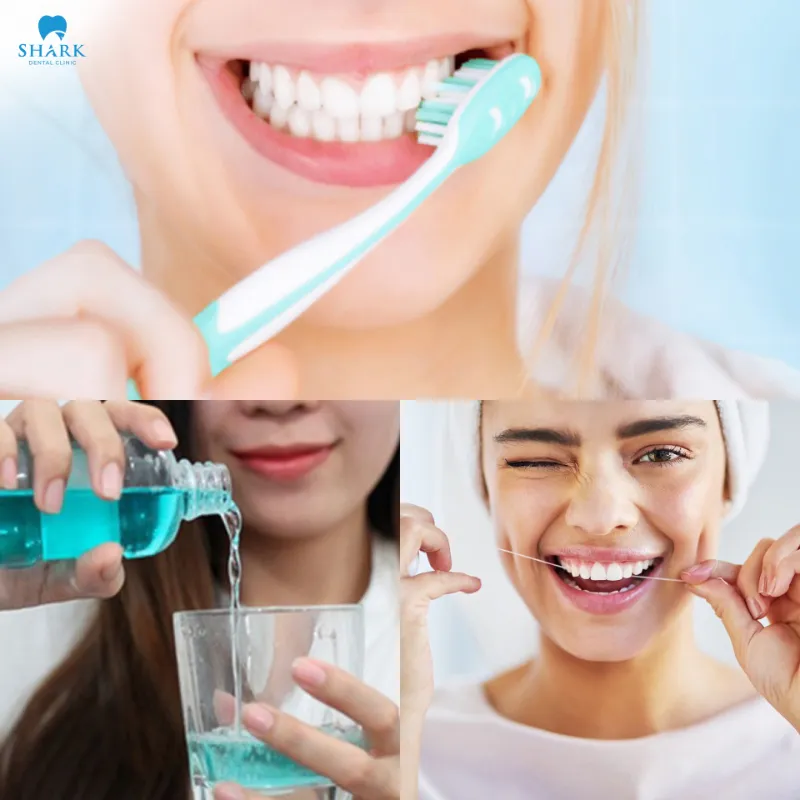
- Oral hygiene habits: Maintaining proper oral hygiene is one of the most important factors in preserving whitening results. Brushing your teeth at least twice a day, using a soft-bristled toothbrush, and practicing gentle brushing techniques can help keep your teeth bright and reduce the accumulation of stains over time.
- Dietary habits: To maintain a whiter smile for as long as possible, it is advisable to limit the consumption of dark-colored foods and beverages such as coffee, tea, and tomato-based soups. Smoking should also be avoided whenever possible, as tobacco products can significantly contribute to tooth discoloration and reduce the longevity of whitening results.
- Individual factors: The duration of whitening results also depends on each person’s natural oral condition. Individuals with weaker enamel or a greater tendency to develop plaque and staining may find that their whitening results fade more quickly than others.
When to consider professional whitening instead of LED kits?
According to dental professionals, there are certain situations where professional teeth whitening may be a better choice than using at-home teeth whitening blue light kits or LED whitening systems. Professional treatments are often recommended for patients who require more significant whitening results or who have specific dental concerns.
- When you need fast results: If you are preparing for an important event or simply want noticeable whitening results within a short period, professional whitening treatments may be the most effective option.
- When you have severe tooth discoloration: At-home LED kits and blue light teeth whitening systems are generally more suitable for mild to moderate staining. For teeth affected by severe discoloration or deep stains, professional whitening procedures may provide more effective and predictable results.
- When you have sensitive teeth or gums: Individuals with sensitive teeth or gums may benefit from professional supervision during the whitening process. A dental professional can customize the treatment teeth whitening for sensitive teeth, monitor tissue response, and help minimize irritation while achieving the desired whitening outcome.
Blue light teeth whitening is widely regarded as a convenient and easy-to-use whitening option that can be performed at home. However, it is important to follow all safety guidelines carefully to reduce the risk of sensitivity and irritation while achieving the best possible results. If you have any questions about teeth whitening blue light or would like professional guidance on selecting the most suitable whitening treatment, we are always available to provide personalized advice and support.