
Spaces between teeth may contribute to food retention or plaque accumulation in some cases, particularly when oral hygiene is inadequate. One restorative solution that is currently highly regarded by many patients is the use of dental veneers for gap teeth. The following article explains the notable advantages and disadvantages of this treatment in greater detail.
Can dental veneers fix gap teeth?
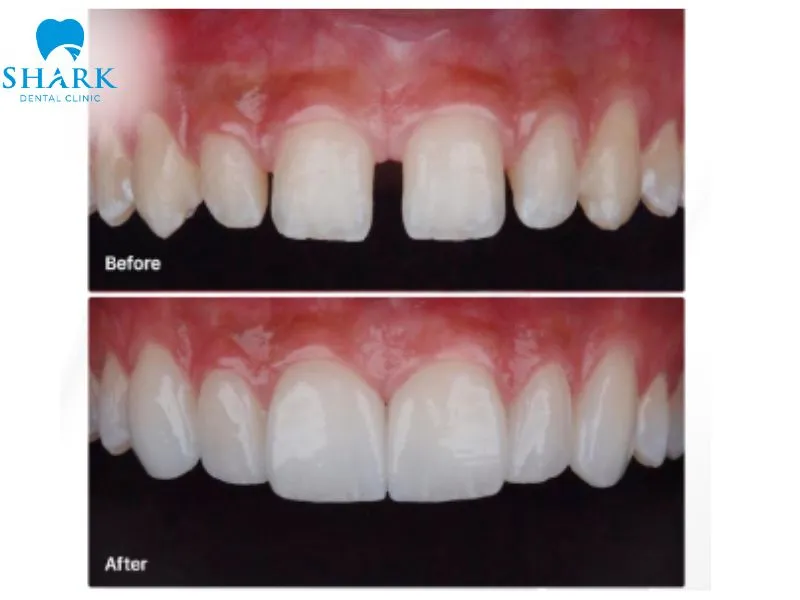
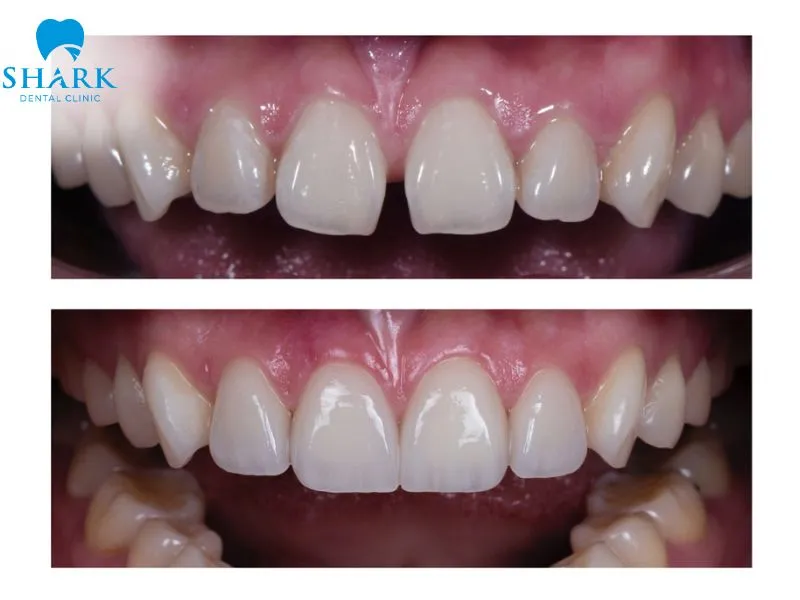
Dental veneers can effectively improve spaced teeth and visible gaps between neighboring teeth. Veneers can visually mask selected gaps by modifying the apparent width, shape, and proportions of the affected teeth.
How veneers close the gaps?
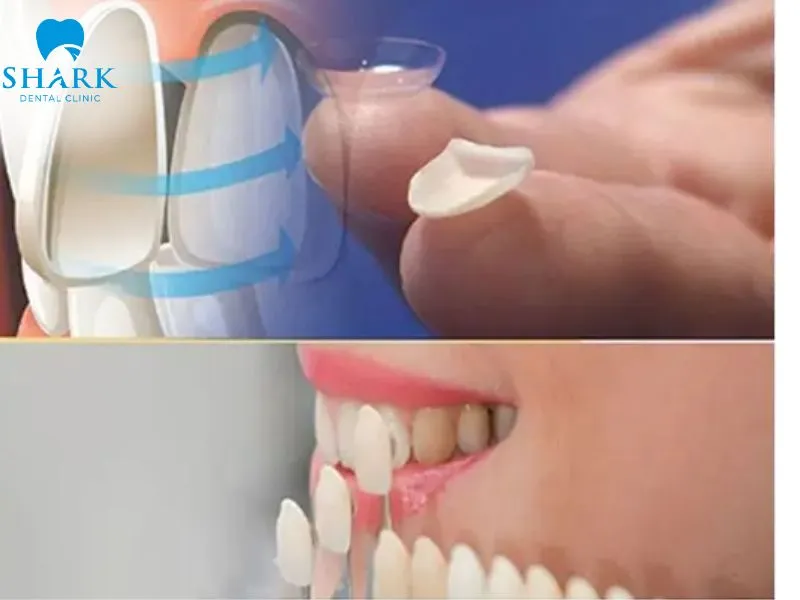
The veneer technique uses extremely thin ceramic shells that are carefully and precisely designed according to the shape, proportions, and structure of the patient’s natural teeth. These veneers are placed directly over the front surfaces of the teeth. The dentist secures each veneer with specialized dental adhesive, ensuring that the ceramic shell fits closely around the tooth margins and provides an optimal aesthetic result after placement.
During the procedure, the dentist must carefully calculate the correct proportions of the tooth crowns and accurately determine the actual distance of each gap. The custom-made veneers are then placed over the tooth surfaces to cover the visible spaces between adjacent teeth, thereby improving the appearance of spaced teeth effectively.
Small vs. large gaps: What are the limits?
Dental veneers are considered an effective restorative solution for improving tooth spacing. However, not every type or severity of gap is suitable for this treatment method.
- Mild gaps: Veneers may be considered for selected small gaps when the required increase in tooth width can maintain acceptable tooth proportions, occlusion, and periodontal health. The thin ceramic shells can cover nearly all of the visible spaces, helping the teeth look more even and attractive while allowing the patient to feel more confident about their smile.
- Large gaps: For larger or multiple gaps, orthodontic treatment, composite bonding, veneers, or a combined approach may be considered. Full crowns are generally reserved for teeth that also require substantial structural restoration.
Types of dental veneers for gap closure
To cover and close visible gaps between the teeth effectively, you should consult a dentist and select the type of dental veneer that is most suitable for your current tooth condition and individual restorative needs.
Porcelain veneers
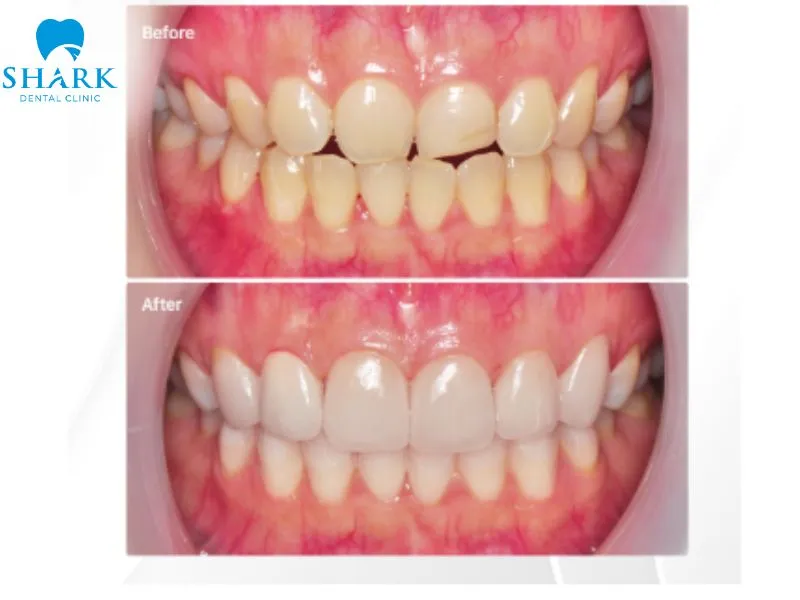
Porcelain veneers are a popular dental material designed with an extremely thin structure, natural translucency, and excellent resistance to surface wear. In addition, porcelain veneers are highly regarded for their ability to withstand biting forces and provide attractive aesthetic results.
These characteristics allow porcelain veneers to cover small gaps while maintaining a natural appearance that blends with the surrounding teeth. However, compared with other commonly used veneer materials, porcelain veneers generally have a considerably higher overall treatment cost, which patients should consider before selecting this restorative method.
Composite veneers
Composite veneers use a synthetic resin dental material to cover visible gaps between teeth inside the mouth. This treatment offers several practical advantages, including a relatively affordable cost and a short procedure time. However, composite resin is not highly regarded for its ability to withstand strong chewing forces or provide long-term durability compared with porcelain materials.
Veneers vs. other gap teeth treatments
Several methods can be used to improve spaced teeth, including cosmetic dental bonding and orthodontic treatment. Therefore, patients may wonder how porcelain veneers differ from these other available treatment options.
Veneers vs. dental bonding
- Aesthetic appearance: Compared with composite bonding, porcelain veneers generally provide superior aesthetic results. Veneers have natural translucency and excellent resistance to staining, helping them closely resemble natural teeth. Composite restorations, meanwhile, may appear more opaque and can become discolored after being used for a period of time.
- Durability: Porcelain veneers offer high strength and usually last approximately 10 to 20 years, or possibly longer with proper care. Composite bonding adheres to etched enamel using an adhesive system, but it generally has lower resistance to staining and wear and may require more frequent repair than porcelain veneers.
- Cost: Composite bonding is considerably more affordable than porcelain veneer treatment. Its lower price makes it suitable for the financial circumstances and treatment budgets of many patients.
Veneers vs. orthodontics (braces and Invisalign)
- Treatment mechanism: Porcelain veneer treatment uses thin ceramic shells to cover the visible spaces between gapped teeth. Orthodontic treatment, by contrast, applies controlled mechanical force to gradually move the teeth into their intended positions.
- Treatment time: Porcelain veneers can be completed within a relatively short period. Orthodontic treatment requires greater patience because the process may last approximately 1 to 2 years, or even longer, depending on the severity of the spacing and the patient’s dental condition.
- Preservation of natural teeth: Orthodontic treatment does not directly alter the natural tooth structure, helping preserve the teeth as much as possible. Porcelain veneer placement, however, may require the dentist to remove a thin layer of enamel from the front surfaces of the teeth.
Pros and cons of using veneers for gaps
Porcelain veneers are considered an effective treatment for improving gaps between teeth. However, this method also has certain advantages and disadvantages that patients should understand before making a treatment decision.
Key benefits
- Excellent aesthetic results: Porcelain veneers are extremely thin and carefully manufactured with natural translucency and surface gloss. They can also be designed with tooth patterns that resemble natural enamel and a bright, even shade, providing highly attractive aesthetic results.
- Preservation of natural teeth: To place porcelain veneers, the dentist generally needs to remove only a thin layer of enamel from the front surface without significantly affecting the remaining natural tooth structure. In some cases, patients may be able to receive veneers directly without any tooth preparation.
- High durability: When appropriately indicated and bonded primarily to enamel, porcelain veneers can provide favorable strength and long-term clinical performance. Their smooth surfaces also offer good stain resistance and do not easily develop dark gum margins or become discolored during use.
- Short treatment time: Porcelain veneer treatment involves a relatively simple and efficient procedure. The overall treatment time is considerably shorter than that required for orthodontics or full porcelain crown placement.
Potential drawbacks
- Cost: Porcelain veneers use high-quality dental materials and are manufactured with modern, specialized equipment. The treatment must also be performed by a dentist with advanced technical skills and professional experience. Because of these material, equipment, and technical requirements, the overall cost of porcelain veneers is generally higher than that of more traditional restorative methods.
- Suitable candidates: Porcelain veneers are only appropriate for certain patients and dental conditions. People with very large spaces between their teeth or severe bite misalignment may not be suitable candidates for this treatment. In these cases, another restorative or corrective method may need to be considered based on the dentist’s examination.
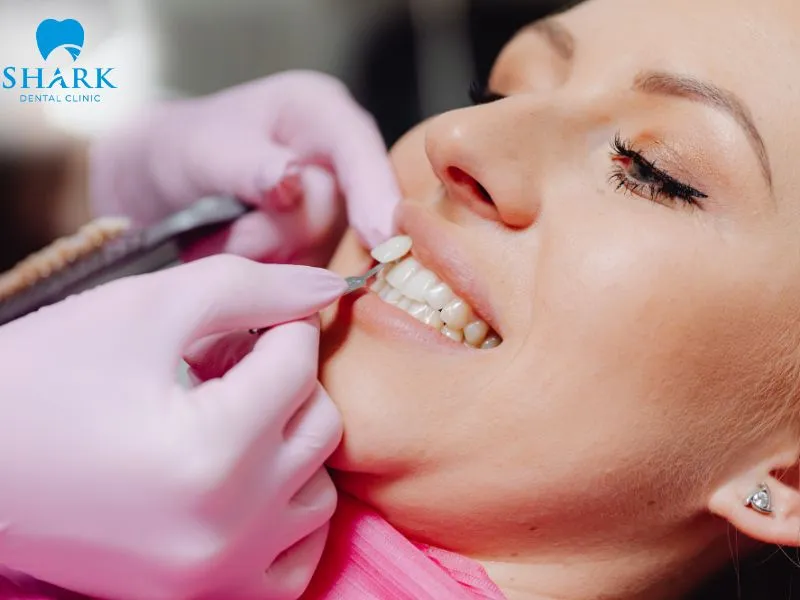
The dental veneer procedure for gap teeth
To ensure that the teeth are strong, even, and aesthetically pleasing after restoration, the porcelain veneer procedure must be performed carefully and follow several specific steps. Each stage contributes to the accuracy, fit, comfort, and final appearance of the completed veneers:
Step 1: Dental examination
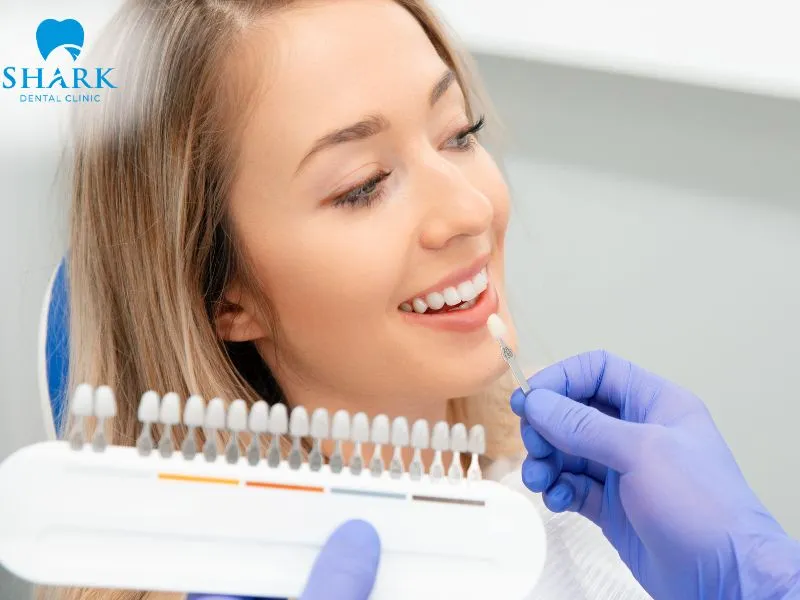
The patient must first undergo a comprehensive examination of their general oral health. The dentist also takes dental X-rays to evaluate the tooth structure and determine the location and severity of the spacing. Based on the examination findings, measurements, and images obtained, the dentist recommends the most suitable type of porcelain veneer for the patient’s actual condition.
Step 2: Cleaning the oral cavity
Before porcelain veneer placement, the patient’s entire oral cavity is thoroughly cleaned, while the tooth surfaces are carefully prepared for treatment. The dentist uses sterile dental instruments to remove tartar, remaining food debris, and bacteria still present inside the mouth. At the same time, the dentist carefully calculates the required proportions and removes a thin layer of enamel to prepare the teeth for the bonding stage.
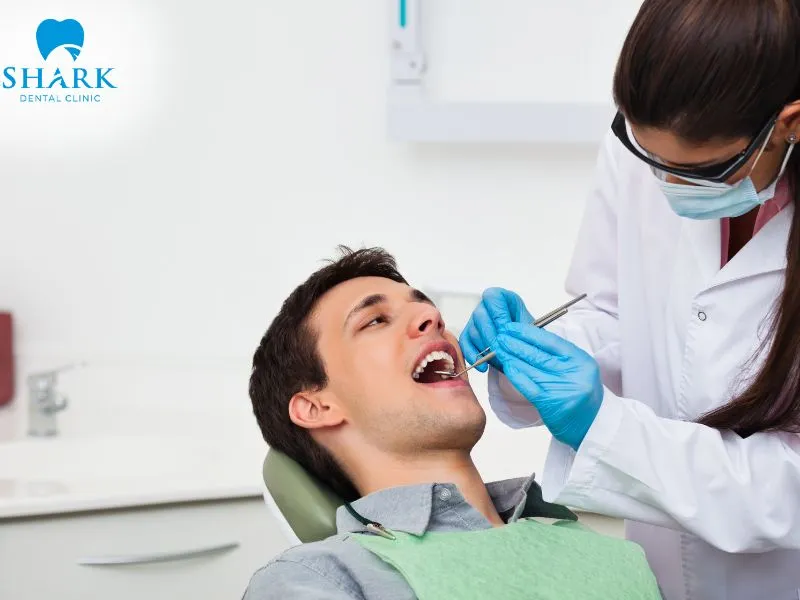
Step 3: Taking impressions and designing the veneers
With modern 3D dental scanning technology, the dentist can collect accurate digital impression data from the patient’s natural teeth quickly and efficiently. The complete set of measurements and scanned information is then sent to specialists at the dental laboratory. There, the porcelain veneers are carefully designed and fabricated using modern CAD/CAM technology.
Step 4: Bonding the veneers
At this stage, the completed porcelain veneers are secured to the surfaces of the natural teeth using specialized dental adhesive. The dentist must work carefully and maintain a high level of accuracy throughout placement. Each veneer is checked closely to ensure a precise fit against the natural tooth, while the bite is adjusted to create a comfortable feeling during eating, speaking, and everyday use.
Step 5: Care instructions
Finally, the dentist provides the patient with detailed instructions on daily oral hygiene and at-home care after the dental restoration. The patient is also scheduled for a follow-up appointment so the dentist can examine the condition of the teeth and assess how well the porcelain veneers are adapting after placement.

How to care for your veneers?
To keep porcelain veneers strong, healthy, attractive, and bright over the long term, you should maintain a suitable care routine and follow the oral hygiene recommendations below:
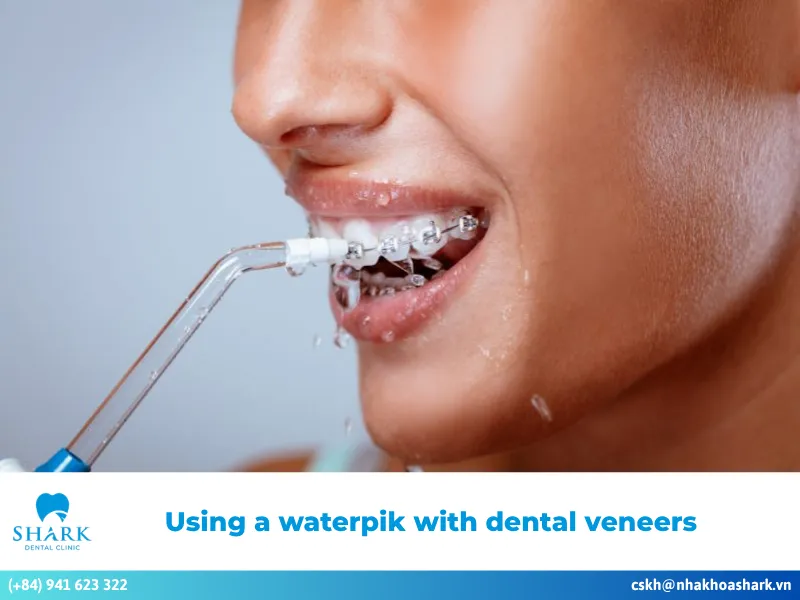
- Oral hygiene: Maintain the habit of brushing your teeth two to three times each day to keep the mouth and veneer surfaces clean. In addition to regular brushing, use dental floss and a water flosser to remove debris between the teeth and around the gumline more effectively.
- Diet: Prioritize a balanced and nutritious daily diet, but limit foods that are excessively hard or chewy because they may place pressure on the veneers. Strongly colored beverages, including coffee and tea, should also be consumed in moderation.
- Harmful habits: Habits such as grinding your teeth, using your teeth to open bottle caps, and biting your fingernails should be stopped immediately. These behaviors can shift the veneers from their original positions, weaken or loosen the dental adhesive, and reduce the effectiveness of the restoration.
- Follow-up visits: After veneer placement, the dentist will schedule follow-up appointments to examine your oral condition. You should attend these visits as directed so the dentist can actively monitor your oral health and help the veneers remain durable, stable, and attractive over time.
The information above explains the main advantages, disadvantages, and procedures involved in using dental veneers for gap teeth. This is a popular restorative treatment that currently receives considerable interest from many patients seeking to improve visible gaps between their teeth. If you still have questions or need further advice, contact Shark Dental Clinic for detailed professional guidance.