
Bite misalignment can seriously affect the appearance of the smile, increase the risk of oral inflammation, and even cause temporomandibular joint pain. So, can dental veneers for crossbite correction provide effective results, and how is the procedure performed? If you have the same concerns, the following article will provide the information you need.
What is a crossbite and why does it need correction?
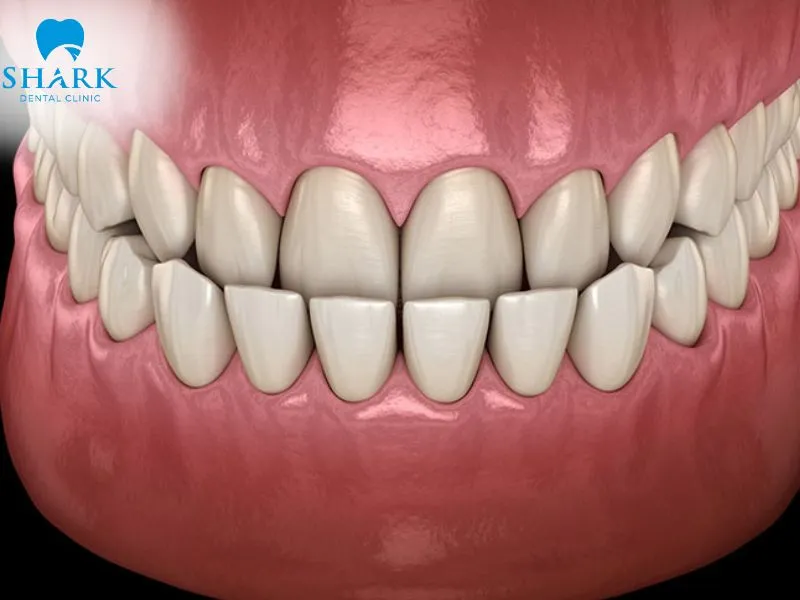
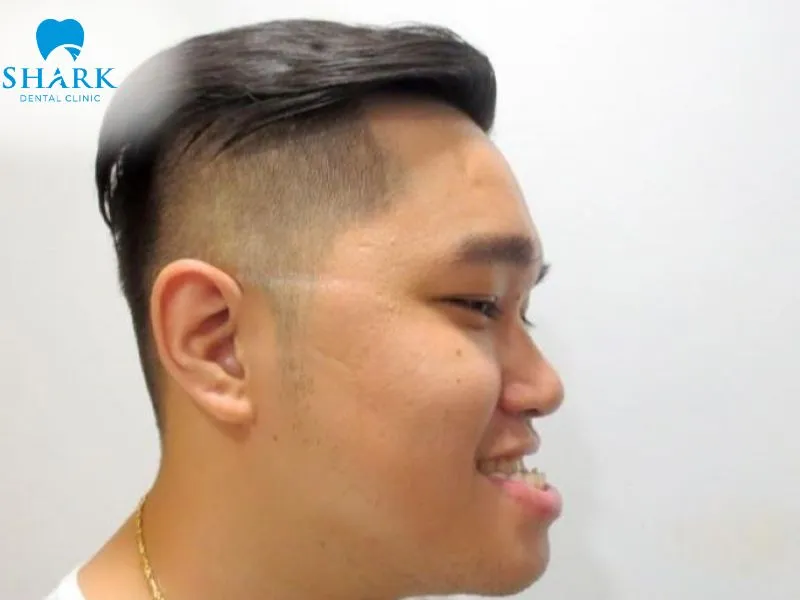
A crossbite or bite misalignment occurs when the upper and lower jaws do not align evenly. This condition can affect the overall appearance of the teeth, especially when opening or closing the mouth. Common forms of bite misalignment include deep bite, open bite, underbite, and crossbite. Each type changes how the upper and lower teeth meet when the mouth closes, which can affect both the appearance of the smile and normal oral function.
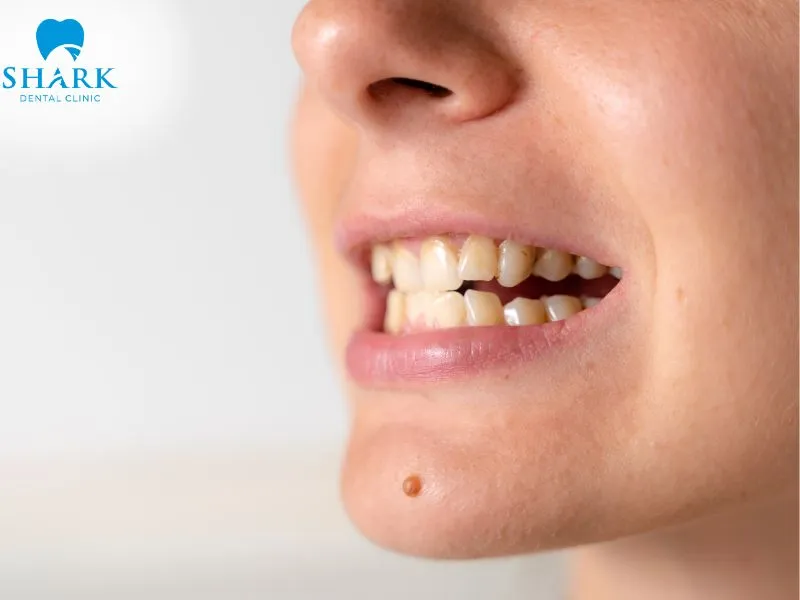
Bite misalignment should be examined by a dentist early and treated promptly. Delaying examination may allow the functional and oral health effects to continue. The main reasons for seeking timely correction include the following:
- Reduced chewing ability: When the upper and lower jaws do not align correctly, biting forces cannot be distributed evenly. This uneven distribution makes biting and chewing food more difficult, uncomfortable, and inconvenient during meals. When food is not chewed effectively, the condition may also negatively affect the digestive system.
- Temporomandibular joint misalignment: An incorrect bite can create a bulky or uncomfortable sensation inside the mouth. When this condition continues, the jaw muscles may remain tense, particularly when opening the mouth, chewing, or speaking. Over time, this prolonged strain can increase the risk of problems or misalignment involving the temporomandibular joint.
- Tooth wear: When biting pressure is not distributed evenly and becomes concentrated on a particular area, the tooth enamel may wear down more quickly. Common signs of this enamel wear include tooth sensitivity, aching or pain, and, in more noticeable cases, chipping of the affected teeth.
- Gingivitis and bad breath: Misaligned teeth and an open bite can create spaces between the teeth. These gaps provide favorable places for bacteria and leftover food debris to collect and remain inside the mouth. This accumulation increases the risk of gingivitis, unpleasant breath, and tooth decay.

Can dental veneers for crossbite correction really work?
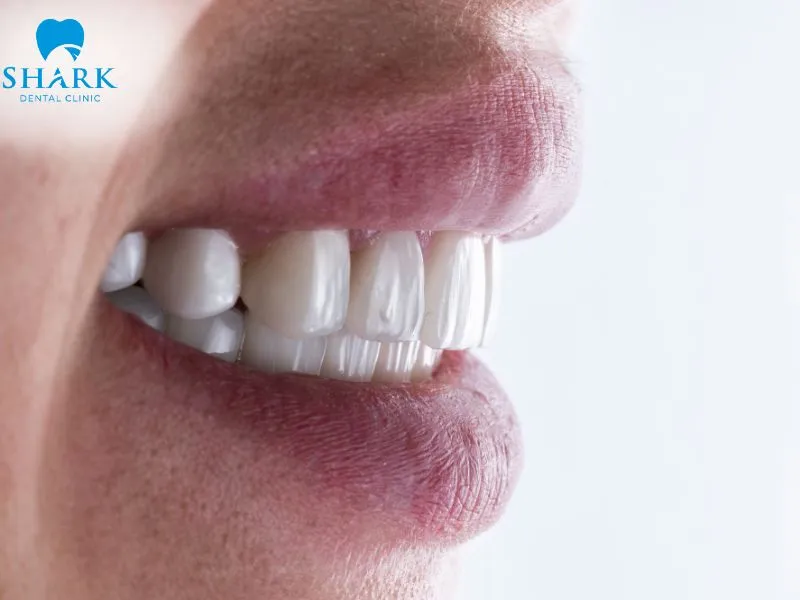
Dental veneers can provide good results for mild bite misalignment. In practice, this method only uses thin porcelain shells to cover the surfaces of the natural teeth. It does not physically move the teeth into new positions and does not alter the underlying structure of the jawbone.
Therefore, veneers mainly improve the visible shape and appearance of the teeth rather than correcting significant skeletal or positional problems. The dentist must carefully examine the bite before deciding whether this treatment is appropriate.
When veneers can fix a crossbite?
Dental veneers may improve bite misalignment in several specific situations:
- Surface-level tooth irregularities: Veneers may be considered when the teeth are generally aligned, the tooth roots are stable, and only the visible shape of a few teeth is irregular.
- Mild bite misalignment: If the bite discrepancy is minor and the dental pulp remains healthy and undamaged, porcelain veneers may provide an effective improvement.
When should veneers not be used to correct bite misalignment?
Porcelain veneers are not effective for correcting the following specific conditions:
- Severe bite misalignment: If the teeth are significantly displaced and the patient has difficulty moving, opening, or closing the jaws, porcelain veneers will not provide an effective correction. Covering the visible tooth surfaces cannot resolve a severe underlying bite problem.
- Misaligned or unstable tooth roots: If the teeth have erupted in incorrect positions or the tooth roots are not stable, placing porcelain veneers may be difficult and may even increase the risk of dental pulp inflammation. The dentist must therefore assess the roots carefully before recommending treatment.
Dental veneers vs. orthodontics for crossbite: Which is better?
Porcelain veneers and orthodontic treatment are both modern dental methods that are highly regarded by many patients. However, the most appropriate option for a crossbite depends on the severity and nature of the bite misalignment. This assessment helps determine whether the visible misalignment can be improved safely without moving the teeth or changing the underlying jaw structure.
Porcelain veneers: The instant orthodontic alternative
Porcelain veneers are a restorative treatment that helps preserve the natural teeth, requires a relatively short treatment period, and provides comprehensive aesthetic improvement. However, this method is only suitable for mild bite misalignment when the upper and lower jaws can still open and close comfortably, and the patient can bite and chew normally.
Invisalign and traditional braces: The structural solution
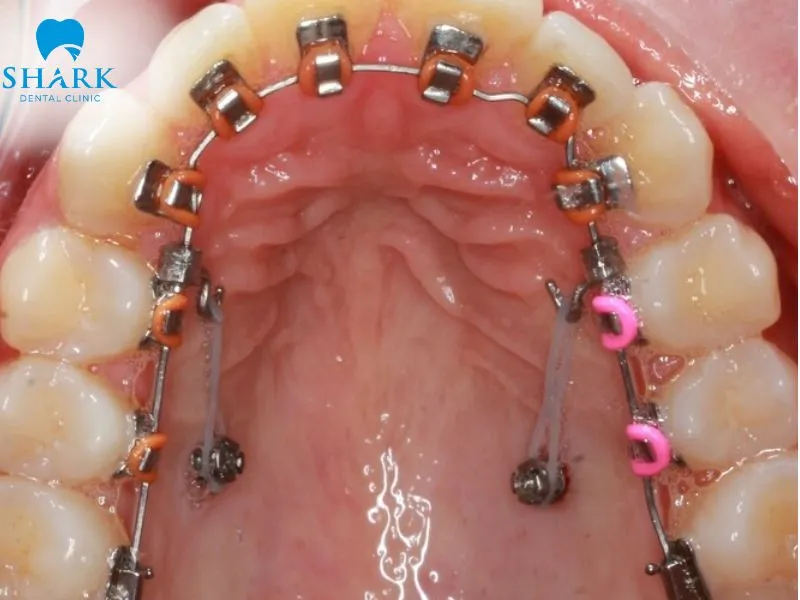
Orthodontic treatment applies controlled mechanical force to gradually move misaligned teeth into their intended positions on the dental arch. This method does not directly alter the natural tooth structure, but it requires more time for the teeth to move into correct alignment. Braces or Invisalign are suitable for moderate to severe bite misalignment.
In summary, whether veneers or orthodontic treatment should be used for bite misalignment depends on the dentist’s clinical recommendation. The dentist will carefully examine the patient’s condition, evaluate the severity of the bite discrepancy, and recommend an effective and safe treatment method.
The procedure of correcting a crossbite with veneers
At the dental clinic, correcting mild bite misalignment with porcelain veneers must follow a proper procedure consisting of the following steps to ensure accuracy and comfort:
Initial consultation and smile design
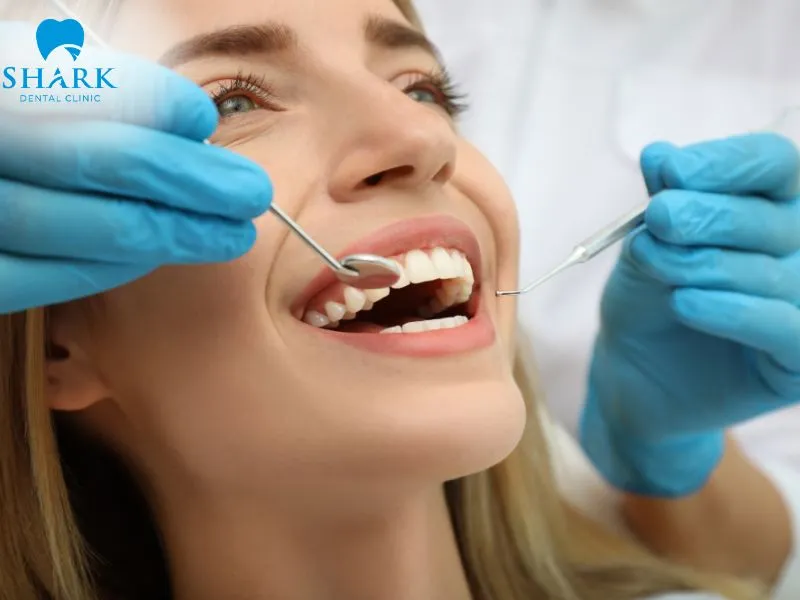
During the first step, the patient receives a clinical examination, and the dentist reviews their dental and oral health history. Dental X-rays are also taken to evaluate the tooth structure and determine the degree of bite misalignment. Based on the collected information, the dentist designs and simulates the expected appearance of the teeth after restoration.
Tooth preparation and impressions
To prepare for porcelain veneer placement, the dentist carefully calculates and removes a thin layer of tooth enamel. Modern 3D equipment and technology are then used to take accurate impressions of the natural teeth. These measurements are used to fabricate veneers with a size, shape, and color that closely match the patient’s natural teeth.
Final placement and bite adjustment
After the porcelain veneers have been fabricated, the dentist bonds them to the surfaces of the natural teeth. This stage requires careful and precise work to ensure that each veneer fits closely around the tooth margins and remains stable.
The dentist also adjusts the bite so that the upper and lower teeth meet harmoniously. This final adjustment helps the patient feel comfortable while biting, chewing, speaking, and performing normal daily oral activities.
How long do dental veneers for crossbite correction last?
Dental veneers used to correct bite misalignment generally last approximately 15 to 20 years. They may last even longer when high-quality porcelain veneers are selected and the patient follows a proper daily oral hygiene and dental care routine. For patients with bite misalignment, the durability of the veneers also depends on the severity of the bite discrepancy and the actual condition of the natural teeth before treatment.
Frequently asked questions about veneers for crossbite
Does correcting a crossbite with dental veneers cause pain?
Porcelain veneer treatment generally does not cause pain or significant discomfort for patients. The steps involved in placing the veneers are completed quickly and require careful, precise dental techniques. In addition, porcelain veneers are extremely thin, which helps preserve the natural tooth structure and limit uncomfortable sensations such as tooth sensitivity, aching, or pain during and after the procedure.
How much do dental veneers for crossbite correction cost?
The cost of porcelain veneers for correcting bite misalignment generally ranges from approximately VND 6,000,000 to VND 15,000,000 per tooth. This is only a reference price, and the final treatment cost may vary depending on several factors. These include the type of porcelain veneer selected, the patient’s oral health, and the severity of the bite misalignment that needs to be improved.
Can I eat normally after receiving porcelain veneers?
After the porcelain veneer procedure has been completed, you can usually bite, chew, and eat normally. Porcelain veneers provide good resistance to biting forces and high durability, allowing you to eat comfortably in a way that feels similar to using your original natural teeth.

The article above has provided information about using dental veneers for crossbite correction. Hopefully, you now understand this treatment more clearly, including the procedure, the cases in which veneers may be suitable, and the factors affecting their durability and cost. This knowledge can help you make an appropriate and effective decision when choosing a dental restoration method.
>>> See more: Can you eat with pop on veneers?