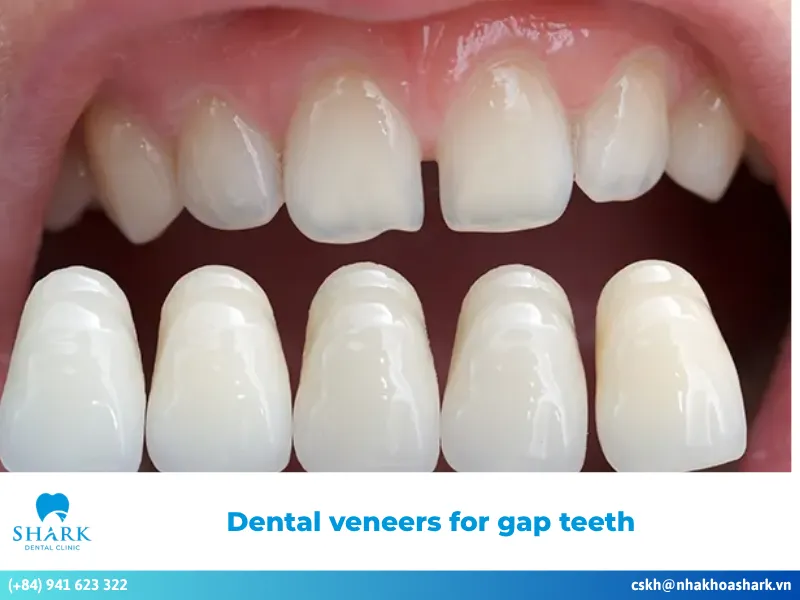

Porcelain veneers are an ideal cosmetic solution for creating a brighter smile and more attractive teeth. Besides aesthetic results and treatment costs, dental veneers recovery time is also a common concern for many patients. To answer this question, the following article explains the recovery process and important points to understand after veneer placement.
Understanding the dental veneers recovery process
After porcelain veneers are placed at the clinic, the dental veneers recovery time is generally very short and smooth. During the first few days, the gum tissue gradually settles and fits closely around the veneers. At this time, you may experience mild tooth sensitivity, particularly when consuming hot or cold foods and drinks.
After approximately 10 days, the veneers have fully adapted to the tooth surfaces, allowing you to eat, speak, and perform normal daily activities more comfortably. The gum tissue should also feel more stable around the restorations, and the teeth should no longer feel noticeably unfamiliar inside the mouth.
Typical recovery timeline after veneer placement
Adjustment after dental veneer placement generally lasts approximately 7 to 10 days. After this period, most patients can eat, drink, and communicate comfortably without experiencing persistent pain, pressure, or an uncomfortable bulky sensation.
The first 48 hours
During the first 48 hours after porcelain veneer placement, the gums are still becoming familiar with and adapting to the new restorations. Therefore, you may experience mild sensitivity, soreness, or aching around the treated teeth.
This is a normal physiological response to the presence of a new dental material inside the mouth. These temporary sensations usually begin to decrease naturally within the following few days as the gums and surrounding oral tissues gradually become accustomed to the veneers.
The first week of adjustment
From approximately day 3 to day 7 after veneer placement, tooth sensitivity and discomfort usually begin to decrease gradually. The gum tissue becomes healthier in appearance, while the initial bulky or unfamiliar sensation around the veneers starts to disappear.
At this stage, the veneers are generally secured firmly to the tooth surfaces, allowing you to eat, drink, and speak more comfortably. However, you should still attend the scheduled follow-up appointment so the dentist can check the bonding strength and stability of the veneers.
Long term adaptation
From the seventh day onward, most temporary symptoms, including tooth sensitivity, soreness, pain, and bulkiness, have usually disappeared completely. The veneers should begin to feel natural and comfortable during everyday activities.
During this stage, you should focus on maintaining proper daily oral hygiene and suitable dental care habits. Brush and clean the teeth carefully according to the dentist’s instructions. Correct care helps preserve the durability, appearance, and long-term aesthetic quality of porcelain veneers over many years.
Managing discomfort and tooth sensitivity
After porcelain veneers are placed, you may use several simple measures to quickly reduce discomfort and tooth sensitivity:
- Cold compress: Wrap ice in a soft towel and place it against both cheeks. The low temperature helps constrict blood vessels, reduce swelling and pain, and soothe sensitivity and discomfort. Apply the cold compress two to three times each day for approximately two to three minutes at a time.
- Rinsing your mouth: Rinsing with warm salt water after veneer placement is an effective way to support antibacterial cleaning and reduce pain. The salt water helps soothe the gum tissue while considerably limiting inflammation, swelling, and soreness around the treated area.
- Pain medication: After porcelain veneer placement, the dentist will usually prescribe pain medication when necessary. Take the medicine at the correct dose and frequency according to the dentist’s instructions to improve soreness and help prevent inflammation or infection.
Essential aftercare tips for a smooth recovery
The following recommendations are important for maintaining proper oral care after receiving porcelain veneers and supporting a comfortable recovery:
Dietary recommendations during healing
For at least the first two weeks after porcelain veneer placement, prioritize soft, thoroughly cooked foods that are easy to chew and swallow, such as porridge and soup. At the same time, avoid excessively hard foods and strongly colored beverages, including carbonated soft drinks, tea, and coffee.
Following these dietary recommendations helps reduce pressure on the newly placed veneers and limits unnecessary irritation while the gums and oral tissues are still adapting during the first stage of recovery. Choosing softer foods also makes daily eating more comfortable throughout your dental veneers recovery time.
Oral hygiene practices for veneers
Maintain the habit of brushing your teeth two to three times each day with a toothbrush that has soft bristles and a small, rounded head. Brush gently and carefully around the veneer margins and surrounding gum tissue to avoid causing irritation during the healing period.
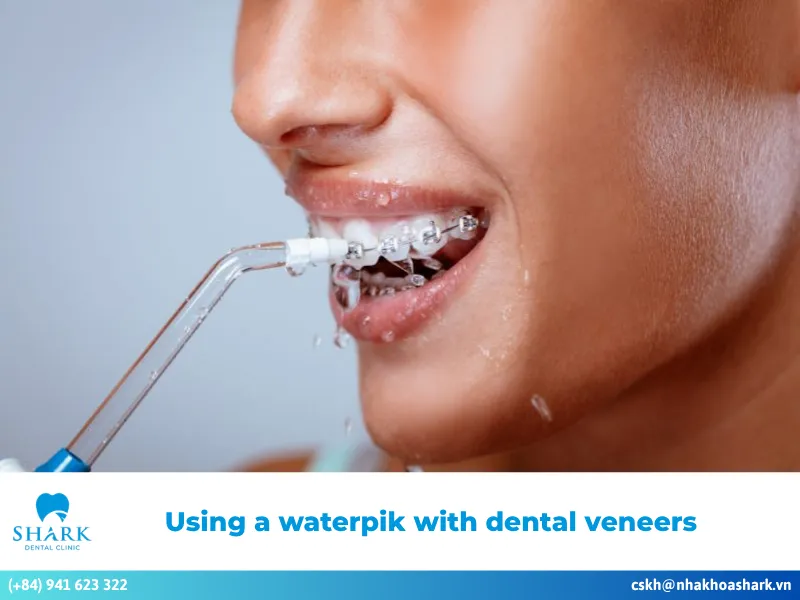
Dentists also recommend using dental floss, an interdental brush, and a water flosser to improve daily cleaning effectiveness. These tools help remove food debris and plaque from between the teeth and other areas that a regular toothbrush may not reach easily.
Factors influencing your individual healing time
Several factors may affect the amount of time required to recover after porcelain veneer placement:
- Tooth preparation ratio: Although porcelain veneer treatment requires only a minimal amount of tooth reduction, the dentist’s preparation technique plays an important role in the recovery process. Accurate and conservative preparation can help limit unnecessary discomfort and support faster adaptation after the veneers are placed.
- Oral health condition: People with healthy gums and no existing tooth decay, inflammation, or infection generally experience a faster and more comfortable recovery after porcelain veneer placement. Existing oral health problems may need to be treated before the veneers are attached.
- Quality of the dental adhesive: High-quality dental adhesive helps the veneers adapt quickly and remain securely attached to the natural tooth surfaces. A stable bond can significantly reduce the risk of inflammation, gum irritation, and other problems during the recovery period.
The information above explains the expected dental veneers recovery time and several factors that may affect the healing process. To help the mouth adapt quickly to porcelain veneers and allow comfortable daily eating, follow the dentist’s guidance regarding your diet and oral hygiene routine!
>>> See more: Dental caps vs. veneers: Which option is better?