
MRI is a diagnostic imaging technique widely used across many fields of medicine. However, many people who have received titanium dental implants worry that the MRI machine’s strong magnetic field may move the implant posts or affect their health. So, what should you know about mri safety with titanium dental implants? Join Shark Dental Clinic as we explore the answer in the article below.
Are titanium dental implants safe for MRI scans?
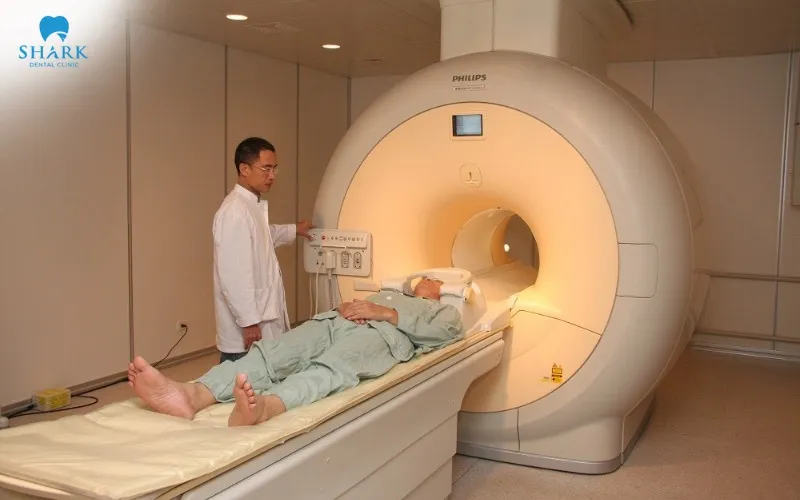
According to research, titanium dental implants are considered safe during MRI scans in most cases. Studies show that titanium dental implants generally do not experience clinically significant movement in the MRI environment, while the risk of implant-related complications is very low.
A recently placed implant does not necessarily require MRI to be delayed; the medical team should assess the implant information and clinical indication before scanning. When an MRI is medically indicated, patients should tell both their doctor and the imaging technician that they have dental implants so that a suitable scanning protocol can be selected.
Why titanium is compatible with MRI technology?
Titanium is widely used for dental implants because it is a paramagnetic material and is not strongly attracted to an MRI machine’s magnetic field in the same way as ferromagnetic metals. Because of this property, a titanium implant that has been firmly secured within the bone experiences minimal magnetic interaction during the scan.
In theory, MRI equipment can produce heating through radiofrequency waves, also known as RF energy. However, studies have consistently found that the temperature increase around titanium implants is very small and is not sufficient to damage the surrounding tissues.
These material properties have made titanium one of the most suitable choices for dental implant treatment. They also explain why titanium is regarded as compatible with MRI technology when the scan is performed for the proper clinical indication and under an appropriate protocol. This compatibility is central to understanding MRI safety with titanium dental implants.
Potential impacts of dental implants on MRI results
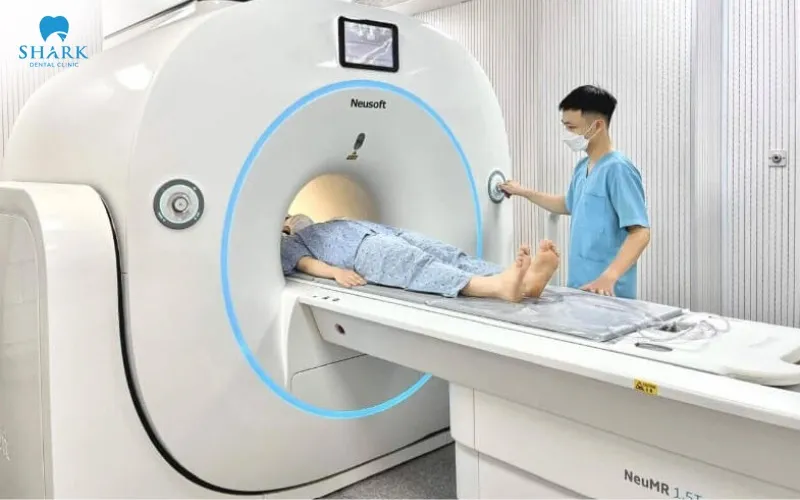
Although titanium is considered safe during magnetic resonance imaging, the presence of a metallic material may still have some effect on the diagnostic imaging process.
Risk of image artifacts
Metal implants can create image artifacts on MRI scans, reducing image quality or making it more difficult to evaluate anatomical structures located close to the implant site.
However, with the continued development of modern MRI technology, these artifacts can often be reduced by adjusting the magnetic resonance pulse sequences and optimizing the scanning parameters.
When ordering an MRI, the physician will weigh the diagnostic value of the images against the possibility of implant-related artifacts. Metal-related artifacts are most relevant when the structures that need to be examined are located near the implant site. In those situations, reduced image clarity may make assessment more difficult. Modern MRI systems can limit this effect by changing the pulse sequence and optimizing the scan settings for the specific diagnostic purpose. The doctor will therefore consider both the value of the MRI examination and the possibility that the implant may create localized interference in the resulting images.
Stability and movement concerns
Because MRI uses a strong magnetic field, many people are concerned that their implants may move or become hot during the procedure. However, research shows that titanium dental implants generally have a very low risk of clinically significant movement during MRI.
The key consideration is whether the implant has already become stable within the jawbone. When the implant has integrated securely and is firmly fixed, the MRI magnetic field does not cause it to shift. The concern about movement is therefore very low for a stable titanium implant. For a recently placed implant, the clinician may still consider the healing stage before deciding when the scan should be performed.
Although radiofrequency-related heating can theoretically occur, studies have recorded only insignificant increases in temperature around titanium dental implants. There is currently no evidence that this minor heating causes injury to the tissues surrounding a properly integrated implant. Patients should tell the doctor and imaging technician about their titanium dental implant before the examination.
Safety considerations for other dental restorations
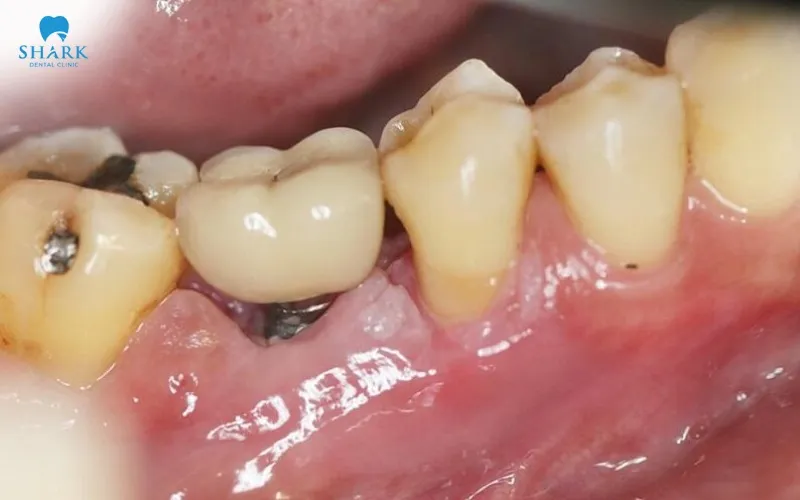
In addition to titanium dental implants, many other types of dental restorations may also be present inside the oral cavity when a patient undergoes an MRI examination. Understanding the specific characteristics of each type of restoration can help the diagnostic imaging process take place safely, while also limiting any possible effect on the quality of the resulting images.
Dental crowns and bridges
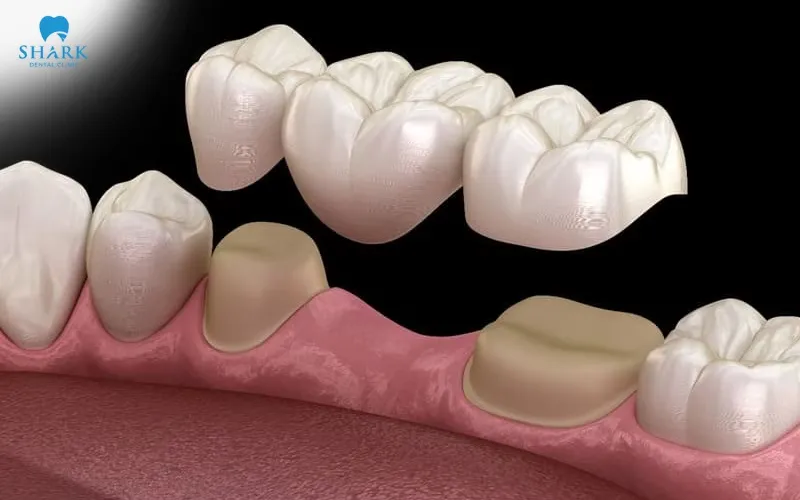
Most dental crowns and bridges used today are manufactured from porcelain or from porcelain combined with other dental materials. In certain cases, these restorations may contain metal components, which can produce localized image artifacts during an MRI scan. For this reason, before undergoing the examination, patients should inform the doctor or diagnostic imaging technician about the type of restoration present in their mouth.
Metal components in complex dental work
Some complex dental restoration cases may involve metal parts, metal components, or alloys made from several different metals. Whether these restorations are compatible with MRI technology will depend on the specific material or device and the MRI conditions. Therefore, the doctor will consider both the purpose of the diagnostic examination and the particular characteristics of each restoration before selecting the most appropriate MRI scanning method. The doctor will also evaluate the possibility and potential extent of any image artifacts caused by the restoration when such a risk is present.
How to prepare for your MRI appointment
Preparing carefully and providing complete information before an MRI appointment can help the diagnostic process proceed more smoothly. Proper preparation can also reduce unnecessary interference and limit avoidable effects on the quality of the images obtained during the scan.
Communicating with your radiologist
Before undergoing an MRI scan, you should speak with the radiologist, doctor, or diagnostic imaging technician about your current oral condition and any dental restorations that you are using. Make sure they are aware of implants, crowns, bridges, dentures, or other dental work that may be present. When necessary, you may also ask whether the MRI facility uses an MRI system or specialized software that can help reduce image artifacts around the dental implant or restoration area.
Information to provide before the scan
- Inform the doctor or diagnostic imaging team if you currently have a dental implant or any other type of dental restoration inside your mouth.
- Before the examination begins, remove any dental appliance that can be taken out, including removable dentures, retainers, or removable partial dentures.
- Maintain communication with both your dentist and the diagnostic imaging doctor whenever necessary so that you can receive advice and guidance that are appropriate for your particular situation.
- You can proceed with the scan confidently by following the medical team’s instructions, because most patients complete an MRI examination without experiencing complications related to their dental implants or other dental restorations.

In conclusion, Shark Dental Clinic has addressed your concerns regarding MRI safety with titanium dental implants. The procedure is safe with proper screening, provided you inform your doctor about the implant beforehand to avoid image artifacts and ensure optimal oral care.