

Wisdom teeth, also known as third molars, are the last teeth to erupt in the dental arch. These teeth can pose a variety of oral health risks, particularly when they become impacted, grow at an angle, or fail to erupt properly. For this reason, a wisdom teeth X-ray is often recommended to provide a clear view of the tooth’s position and surrounding structures, allowing dentists to make an accurate diagnosis and determine the most effective course of treatment. In the article below, we will help you better understand this important dental imaging procedure and the different types of X-rays commonly used for wisdom teeth evaluation.
Why are X-rays needed for wisdom teeth?
A wisdom teeth X-ray is an important and often necessary diagnostic procedure that helps dentists accurately assess the condition of the wisdom teeth, identify potential complications, and determine the most suitable treatment approach. This imaging method provides detailed information that cannot always be obtained through a routine visual examination alone, allowing for a more comprehensive evaluation of the patient’s oral health.
Wisdom teeth are the last teeth to develop and emerge in the mouth. Because they erupt at the very back of the jaw after jaw growth has largely been completed, they often lack sufficient space to erupt properly. As a result, wisdom teeth may become impacted, partially erupted wisdom tooth, tilted, or grow toward neighboring teeth. In many situations, these eruption problems can lead to pain, discomfort, swelling, infection, and even damage to nearby teeth and jawbone structures if left untreated.
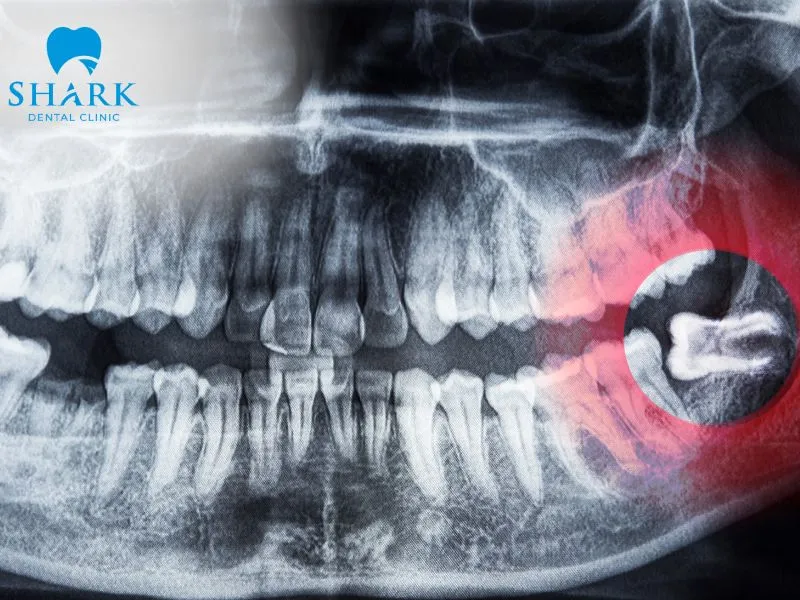
A wisdom teeth X-ray uses controlled X-ray technology to capture detailed images of the teeth, roots, jawbone, and surrounding anatomical structures. These images allow dentists to evaluate the exact position and condition of the wisdom teeth before recommending treatment. In addition, this diagnostic method offers several important benefits:
- An xray of wisdom teeth helps assess the potential risk of oral health problems associated with wisdom teeth, including periodontal disease, gum inflammation, tooth decay, and other related conditions.
- It enables the dentist to clearly examine the location of blood vessels, surrounding bone structures, and important nerve pathways near the roots of the wisdom teeth.
- It provides an accurate assessment of how wisdom teeth may be affecting adjacent teeth while also helping determine their eruption angle and direction.
- It allows dentists to evaluate the shape, size, root structure, and overall anatomy of the wisdom teeth while assisting in the early detection of conditions such as jaw cysts, oral infections, and other potentially serious abnormalities.
Overall, a wisdom teeth X-ray is an extremely valuable and essential diagnostic tool that supports dentists in evaluating and diagnosing wisdom tooth conditions accurately. The procedure is considered safe because radiation exposure is carefully monitored and maintained within accepted safety limits, helping ensure patient safety throughout the imaging process.
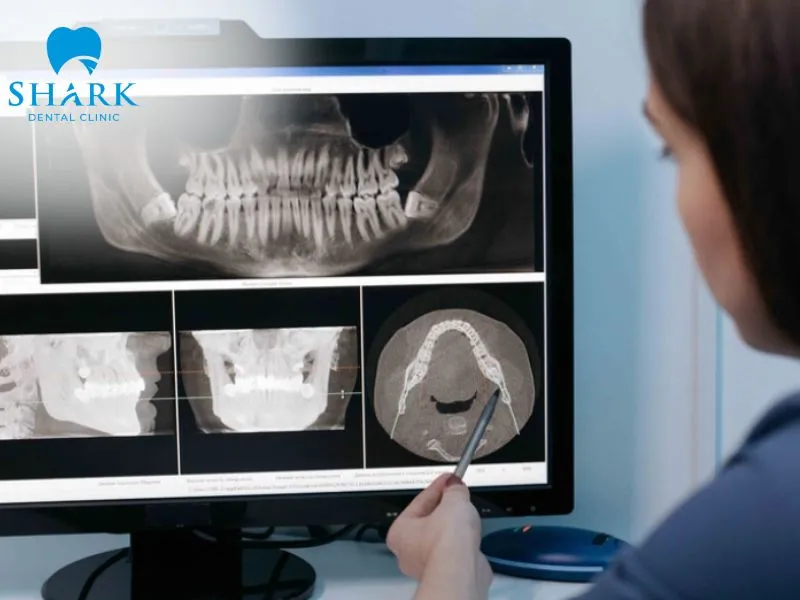
Types of wisdom teeth X-ray
Today, several types of dental X-rays are available to evaluate wisdom teeth and surrounding oral structures with a high degree of accuracy. Depending on the patient’s oral condition, symptoms, and treatment needs, the dentist will recommend the most appropriate imaging method:
Panoramic X-rays
A panoramic wisdom teeth X-ray allows dentists to examine the entire dental arch, jawbone structure, and wisdom teeth using a single image. This imaging technique provides a broad and comprehensive view of the mouth, making it one of the most commonly used X-ray methods for wisdom tooth assessment. Panoramic X-rays are frequently recommended when impacted wisdom teeth, partially erupted wisdom teeth, or misaligned wisdom teeth are suspected. The technique helps dentists evaluate the exact position of the wisdom teeth, determine whether they are pressing against adjacent teeth, and identify potential complications that may be causing pain, swelling, discomfort, or crowding.
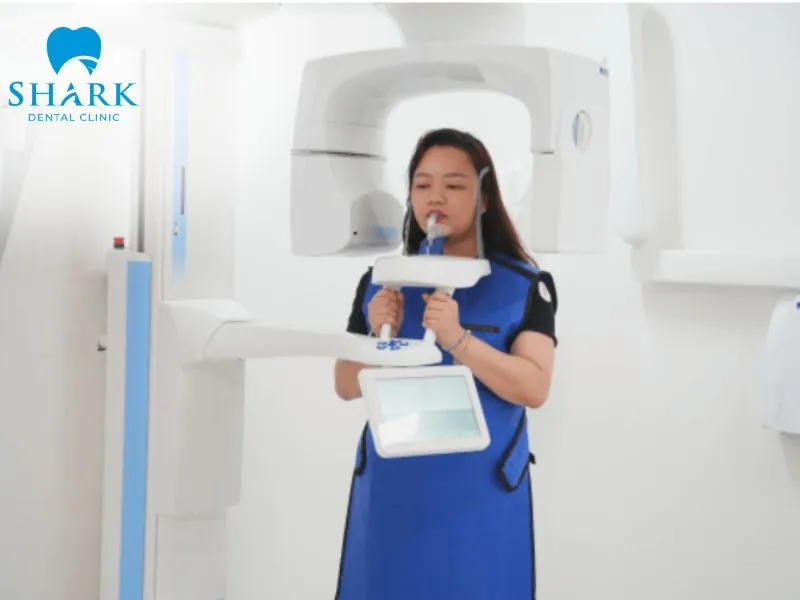
Cone beam computed tomography (CBCT)
Cone Beam Computed Tomography (CBCT), also known as 3D Cone Beam CT scanning, is an advanced imaging technique that provides detailed images of wisdom teeth and surrounding oral structures. This type of wisdom teeth X-ray helps dentists accurately evaluate the position of the tooth, root anatomy, nearby nerves, and other important structures. The three-dimensional images generated by CBCT allow dentists to assess wisdom tooth conditions more precisely and develop an appropriate treatment plan. This method is especially useful for impacted wisdom tooth extraction, complicated extractions, or cases where the tooth is located close to important nerves.
Traditional dental X-rays
Traditional dental X-rays are commonly used when dentists need to examine specific teeth or localized areas within the dental arch. This type of wisdom tooth X-ray is mainly used to quickly assess the position, shape, and condition of a wisdom tooth. With its targeted imaging capability, traditional dental X-rays provide useful diagnostic information while helping keep examination costs lower. As a result, this method is often used during initial evaluations and routine dental checkups.
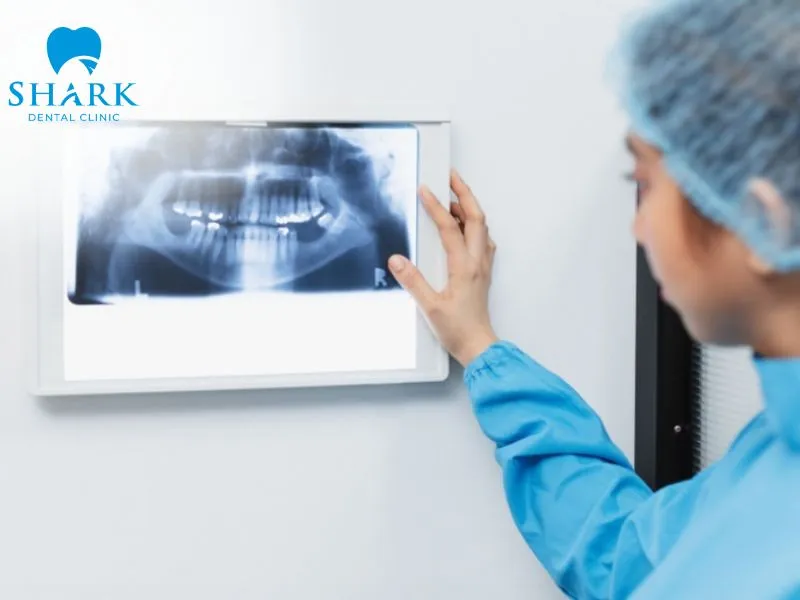
How much do X-rays cost?
At reputable dental clinics, the cost of a dental X-ray typically ranges from approximately 150,000 to 300,000 VND per scan. However, the exact price may vary depending on the clinic, the imaging technology used, and the type of X-ray required. In general, this cost is considered reasonable and affordable for most patients. Since X-rays provide important diagnostic information, they play a valuable role in helping dentists accurately assess oral health conditions and determine the most suitable treatment approach.
Are wisdom teeth X-rays safe?
A wisdom teeth X-ray is a common and safe diagnostic procedure. The amount of X-ray radiation used is carefully controlled and maintained at a very low level, helping ensure that it does not negatively affect the body’s tissues or overall health.
In addition, an x-ray of wisdom teeth is completed very quickly, often within just a few seconds. The short exposure time further reduces radiation exposure while still providing clear diagnostic images. The entire imaging process is also performed under strict safety standards and protective measures in accordance with healthcare guidelines. Overall, a wisdom tooth X-ray is a safe and effective tool that helps dentists accurately diagnose wisdom tooth conditions and plan appropriate treatment.
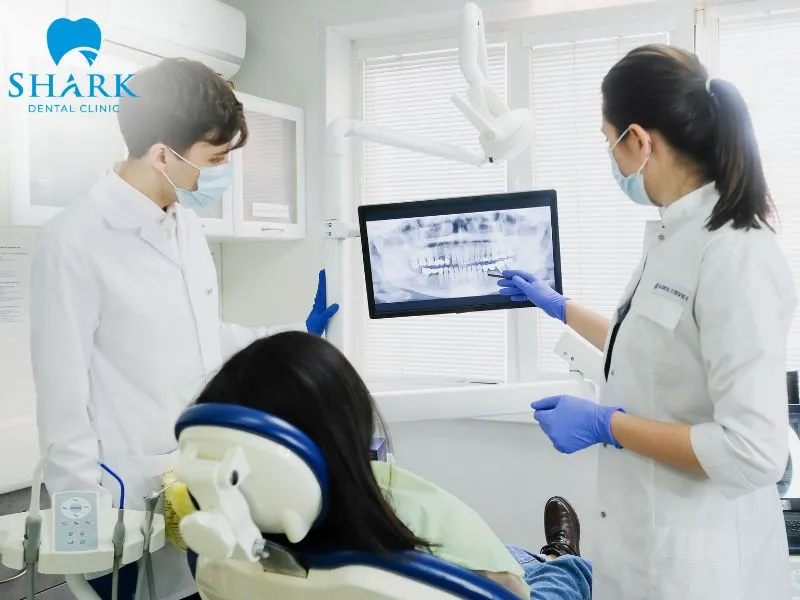
In which cases are X-rays not advisable?
Although a wisdom teeth X-ray is widely regarded as a safe, effective, and highly valuable diagnostic tool, there are certain situations in which patients should carefully consult with their dentist or physician before undergoing the procedure:
- Pregnant women: Pregnancy is a particularly sensitive period, especially during the first trimester. Although the radiation exposure from a dental xray of wisdom teeth is very low, imaging may still be approached with caution because of potential concerns regarding fetal development and the overall health of the mother. For this reason, dentists typically assess the urgency of treatment before recommending X-ray examinations during pregnancy.
- Children: Wisdom teeth generally erupt during late adolescence or adulthood. However, in some cases where wisdom teeth begin developing earlier than expected, the need for X-ray imaging should be considered carefully. Because children are still growing and experiencing active cellular development, they are often more sensitive to radiation exposure than adults, even when the radiation dose is relatively low.
- Should consult their healthcare provider: Individuals receiving radiation treatment for cancer or other serious medical conditions are often advised to discuss dental imaging carefully with their healthcare providers. Since these patients are already exposed to substantial amounts of radiation as part of their treatment, even low-dose dental X-rays may require additional consideration to minimize potential effects on oral tissues, jawbone structures, and overall health.
- Patients with acute cellulitis: People experiencing severe cellulitis, significant facial swelling, inflamed gum tissues, or noticeable tissue distortion may not be ideal candidates for immediate X-ray imaging. The positioning required during the procedure, including opening the mouth and remaining still, may cause discomfort or pain. In some situations, the examination may be postponed until the acute inflammation is better controlled.
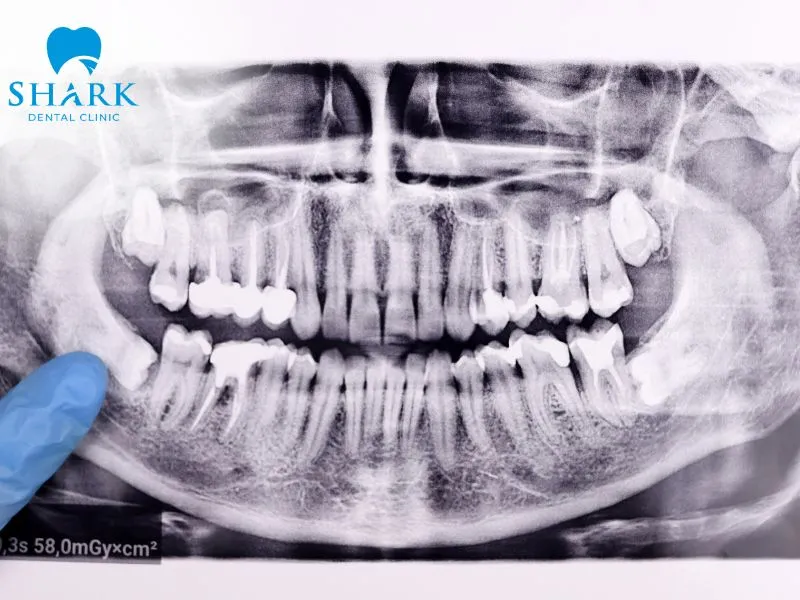
In summary, whether a wisdom teeth X-ray is recommended depends on the patient’s specific oral condition, overall health status, and treatment goals. Dentists will perform a thorough clinical examination and carefully evaluate the situation before recommending the most appropriate imaging method. This individualized approach helps ensure accurate diagnosis while maintaining the highest level of patient safety.
Through the information shared above, Shark Dental Clinic hopes you now have a better understanding of wisdom teeth X-ray procedures and the situations in which they may or may not be recommended. Because wisdom teeth can present a variety of oral health risks and complications, X-ray imaging remains an important diagnostic tool that helps dentists accurately assess tooth position, identify potential concerns early, and develop timely treatment plans that support long-term oral health and safety.