

Porcelain veneer treatment is considered a modern cosmetic dental solution and has received positive feedback from many patients. However, not everyone knows: Can you put veneers on root canal teeth? In the following article, Shark Dental Clinic will answer this question in detail.
Can you put veneers on root canal teeth?
In practice, teeth that have undergone root canal treatment may still receive porcelain veneers if they meet the necessary clinical conditions. Root canal treatment removes inflamed or infected pulp tissue. A treated tooth may have a higher risk of fracture primarily because of structural loss caused by decay, previous restorations, cracks, and the access cavity—not simply because the pulp has been removed.
However, front teeth are exposed to less biting and chewing pressure than back teeth and have important aesthetic requirements. Therefore, placing veneers on root canal-treated front teeth may still be a suitable and practical option in certain cases.
To place porcelain veneers safely on root canal-treated teeth, the dentist must carefully examine the patient’s oral condition. The remaining natural tooth structure must be assessed thoroughly. If the tooth foundation is healthy, stable, and free from infection, porcelain veneers may be used to restore the original appearance of the teeth.
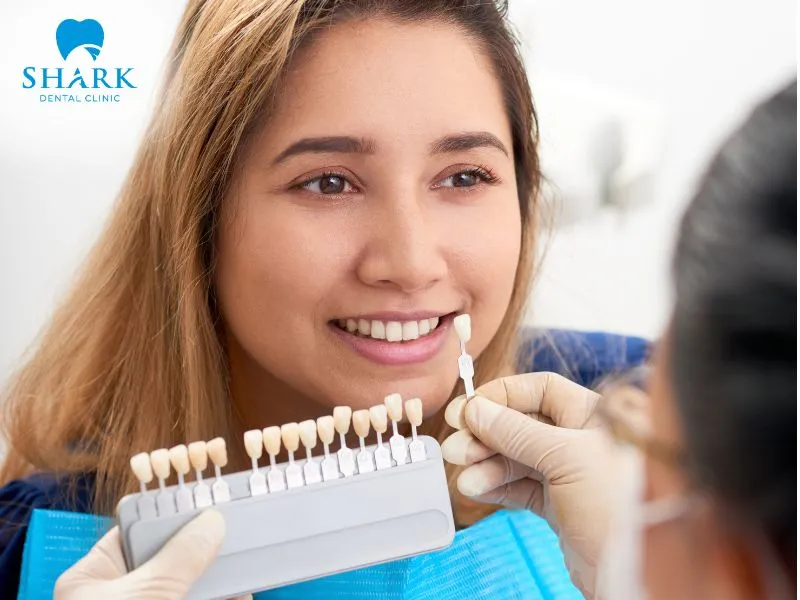
Conditions for placing veneers on root canal treated teeth
Adequate remaining natural tooth structure
The remaining natural tooth structure must be sufficiently strong and stable to support porcelain veneers after root canal treatment. The veneer requires an adequate bonding surface to remain securely attached to the tooth.
If the tooth previously had severe pulp inflammation, developed a large crack or fracture after treatment, or has only a limited amount of enamel remaining, there may not be enough healthy structure to bond and stabilize the porcelain veneer effectively.
No active infection and manageable internal discoloration
After root canal treatment, the dentist may consider porcelain veneers if the teeth show no signs of ongoing infection or excessively severe discoloration. If a tooth has become significantly darkened from within, the dentist may consider internal bleaching, replacement of discolored restorations, or an appropriately selected restorative material and shade. This preparation helps prevent a dark shadow from remaining visible beneath the porcelain restoration after treatment.

Benefits of choosing veneers after a root canal
When porcelain veneers are placed on root canal-treated teeth according to the dentist’s clinical recommendation, they can provide several important benefits:
- Aesthetic improvement: Porcelain veneers are manufactured with an extremely thin structure, natural color, and excellent translucency, helping provide attractive aesthetic results. After dental restoration, the teeth can appear brighter and more even in color, allowing the patient to feel more confident during everyday activities.
- Minimal tooth alteration: Porcelain veneer placement generally requires the removal of only a small amount of enamel or, in some cases, no enamel reduction. This helps preserve the remaining natural tooth structure and limits unnecessary alteration of the tooth tissues.
- High durability: Although porcelain veneers are very thin, they are made from high-quality ceramic materials with good resistance to biting forces. Their expected lifespan may reach approximately 10 to 15 years when they are properly maintained.
- Comfortable feeling: Porcelain veneers have an ultra-thin design, and the treatment does not involve extensive intervention in the remaining natural tooth structure. As a result, patients can usually bite and chew comfortably after restoration without experiencing excessive bulkiness or discomfort.
- Protection for front teeth: A porcelain veneer can restore the facial surface and improve the appearance of a carefully selected root canal-treated anterior tooth; however, it does not provide the same circumferential or cuspal coverage as a crown. At the same time, the veneers improve the brightness and appearance of the front teeth, helping create a more confident smile.
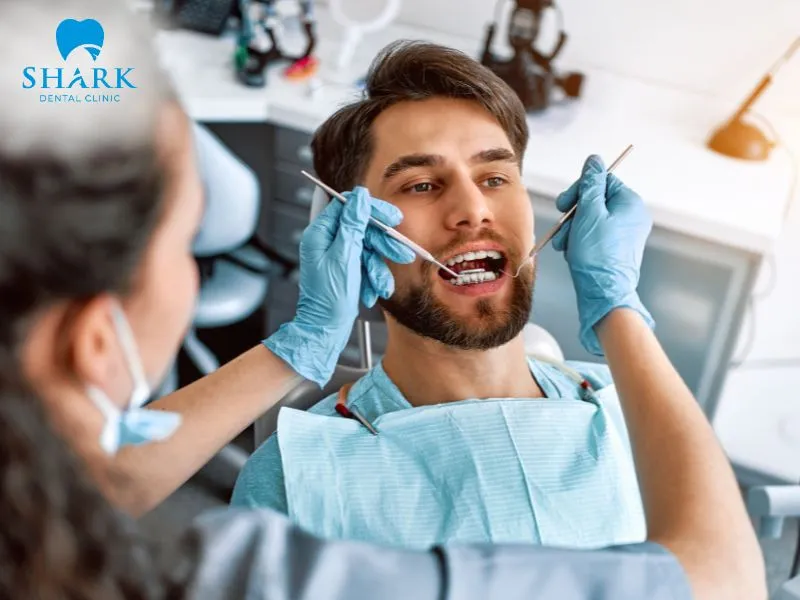
Veneers vs. crowns for root canal teeth: Which is better?
Both porcelain veneers and porcelain crowns are high-quality dental restorations that can effectively restore the original shape, visible appearance, and normal function of teeth that have been damaged. However, each type of dental restoration is suitable for different clinical conditions and levels of tooth damage, particularly when the affected teeth have already undergone root canal treatment.
When veneers are the right choice
- Front teeth: Front teeth are generally exposed to less biting and chewing pressure than back teeth and have greater aesthetic requirements, making porcelain veneers a suitable restorative option in clinically appropriate cases.
- Strong remaining natural tooth structure: Porcelain veneers are suitable when the remaining natural tooth structure is still strong and stable and the tooth crown has not developed extensive cracks or fractures.
- Preservation of natural teeth: Porcelain veneer treatment helps preserve as much of the remaining natural tooth structure as possible. It requires minimal alteration of the tooth tissues and can reduce the likelihood of tooth sensitivity, aching, or discomfort after restoration.

When dental crowns are highly recommended
- Back teeth: Molars and other back teeth regularly withstand considerable chewing forces. Porcelain crowns may therefore be highly recommended to provide better strength, protection, and structural support during normal daily biting and chewing activities.
- Extensively damaged teeth: When a root canal-treated tooth has suffered significant damage, chipping, or structural loss, a porcelain crown can provide an effective restorative solution.
- Severely discolored teeth: Porcelain crowns have sufficient material thickness and a natural-looking shade, allowing them to conceal dark internal discoloration and improve teeth that have become severely discolored after root canal treatment.
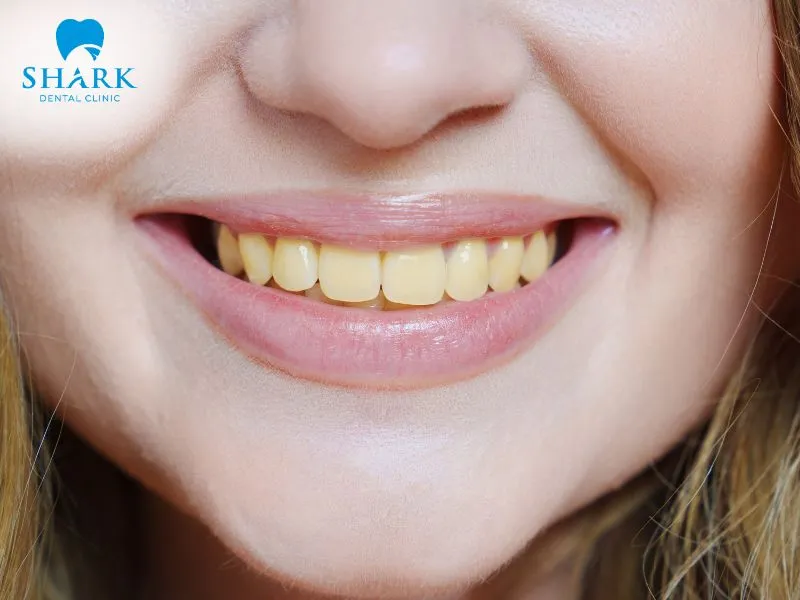
Potential risks of putting veneers on root canal teeth
Although porcelain veneer treatment is a modern dental restoration method that offers several notable advantages, placing these thin restorations on root canal-treated teeth may still involve the following potential risks:
- Chipped or fractured veneers: A root canal-treated tooth loses its essential internal source of nourishment and may become more brittle and vulnerable to fracture. In this situation, the remaining natural tooth may chip or crack, while the porcelain veneer covering its surface may also fracture.
- Darkening beneath the veneer: Teeth often tend to become darker from within after root canal treatment. Because porcelain veneers have a high level of translucency, the underlying discoloration may eventually show through and cause the restoration to appear darker after a period of use.
- Reinfection: If the veneer placement technique is not performed correctly or the porcelain veneer does not fit closely against the natural tooth, spaces may form where bacteria can enter. This condition can place the root canal-treated tooth at a higher risk of developing another infection beneath or around the restoration.
How to maintain your veneers on endodontically treated teeth?
After porcelain veneers are placed on root canal-treated teeth, you should carefully follow the oral hygiene and dental care recommendations below every day consistently:
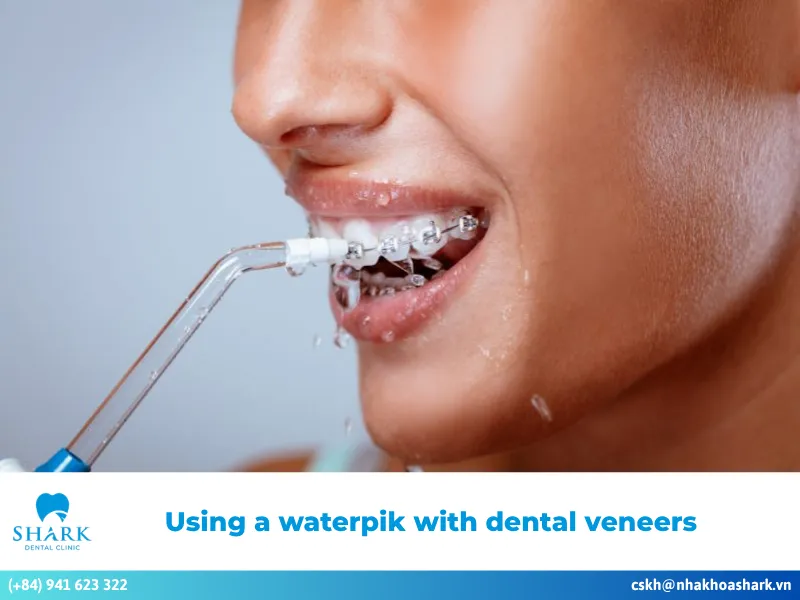
- Oral hygiene: Use a toothbrush with soft bristles and brush your teeth consistently two to three times each day. Dentists also recommend using dental floss and a water flosser to improve daily cleaning effectiveness, particularly around the veneer margins and between neighboring teeth.
- Avoid excessive biting and chewing forces: Root canal-treated teeth with substantial loss of remaining structure may have an increased risk of cracking or fracture. Therefore, during everyday activities, bite and chew gently and avoid applying strong external pressure to the surfaces of the porcelain veneers.
- Limit strongly colored foods and drinks: Maintain a balanced diet that includes nutritious food groups, but limit dark-colored foods and beverages such as coffee, tea, turmeric powder, and red wine. Reducing exposure to these products can help maintain the appearance of the veneers.
- Wear a protective appliance: If you grind your teeth while sleeping, wear a protective dental appliance after veneer placement. This device, commonly known as a night guard, helps protect the veneers and treated teeth from repeated grinding pressure.
- Attend regular dental examinations: After receiving porcelain veneers, arrange dental checkups every 3 to 6 months or follow the appointment schedule provided by your dentist. These follow-up visits allow the dentist to examine the condition of the teeth, veneers, gums, and surrounding oral tissues and provide timely treatment if any signs of inflammation, infection, or other abnormalities are detected.
The information above answers the question of whether can you put veneers on root canal teeth. Porcelain veneer treatment is a modern restorative method that can create brighter and more evenly colored teeth. Hopefully, these details provide the practical knowledge you need to make an appropriate, informed, and effective decision about restoring your root canal-treated teeth!