
Dental implant placement is an effective solution for restoring missing teeth and rebuilding normal oral function. However, the final treatment result depends not only on the dentist’s professional technique but also on the patient’s daily habits throughout recovery. Smoking is one of the important lifestyle factors that can significantly affect the outcome of implant treatment. So, can you smoke after dental implant surgery? The following information from Shark Dental Clinic will explain this concern in greater detail.
Can you smoke after dental implant surgery?
Before deciding to receive dental implants, many smokers feel concerned about whether smoking may affect their treatment results or interfere with healing after surgery. Understanding the harmful effects of cigarettes allows patients to take an active role in protecting the implant result, supporting the healing tissues, and reducing the likelihood of complications during the recovery period. This knowledge is particularly important for smokers preparing for implant placement or recovering after the procedure.
The recommended waiting period after surgery
Smoking is a significant risk factor in dental implant treatment because it can negatively affect both the wound-healing process and the overall success rate of the procedure. After dental implant surgery, people who smoke are generally advised to avoid smoking for at least 2 to 3 months, or as directed by the implant dentist. This period provides more favorable conditions for the surgical tissues to heal and for the implant post to integrate securely with the surrounding jawbone.
This waiting period is an especially important stage because it directly influences the initial and long-term stability of the implant. Nicotine and other toxic substances contained in cigarette smoke can reduce blood circulation to the surgical site, slow the body’s natural recovery process, and increase the risk of infection or implant failure. Strictly following the recommended smoking restriction period and the dentist’s instructions can therefore help improve the success rate of dental implant treatment.
Why the first 72 hours are the most critical
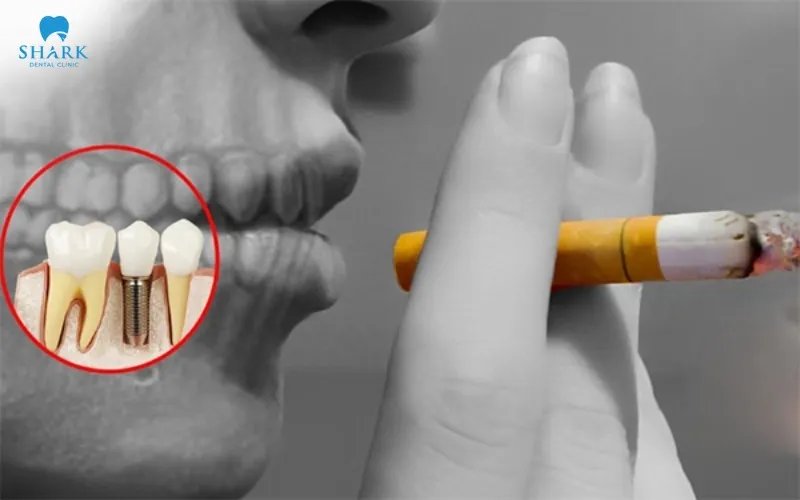
The first 72 hours after dental implant surgery are considered the most critical stage of the healing process. During this early period, a protective blood clot begins to form, the sutured soft tissues start becoming stable, and the surgical area requires an adequate supply of oxygen to begin the natural recovery process effectively.
If you smoke during this sensitive period, nicotine and the toxic chemicals present in cigarette smoke may reduce blood flow and interfere with the formation and stability of the blood clot. Even smoking only one cigarette can interrupt the healing response, increase the risk of bleeding and infection, or negatively affect the initial stability of the newly placed implant post. For this reason, the first 72 hours are regarded as a period when smoking must be avoided completely after dental implant placement.
How smoking affects your dental implant recovery?
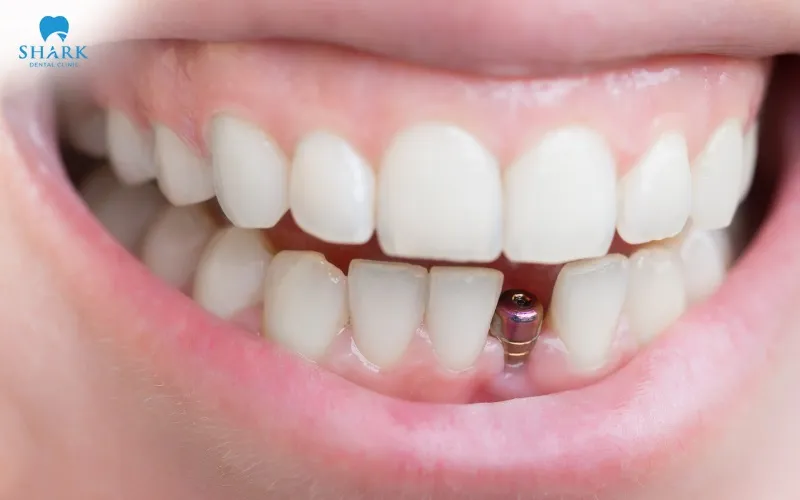
After dental implant placement, the body requires enough time for the surrounding soft tissues to heal and for the jawbone to integrate firmly with the implant post. This integration process is essential for creating a stable foundation for the future dental restoration. However, cigarette smoking can interfere with healing through several different mechanisms. These effects may extend the recovery period, reduce tissue stability, interfere with the connection between the implant and jawbone, and increase the possibility of complications developing after implant treatment. Therefore, avoiding tobacco is an important part of protecting the surgical area while the tissues and bone are healing.
Restricted blood flow and delayed healing
Nicotine in cigarettes causes blood vessels to constrict for several hours after each smoking session, reducing the amount of blood reaching the implant area. When the supply of oxygen and essential nutrients becomes limited, the cells involved in tissue repair also function less effectively. At the same time, chemicals in cigarette smoke weaken the body’s natural healing process, causing the soft tissues to recover more slowly than usual after dental implant surgery.
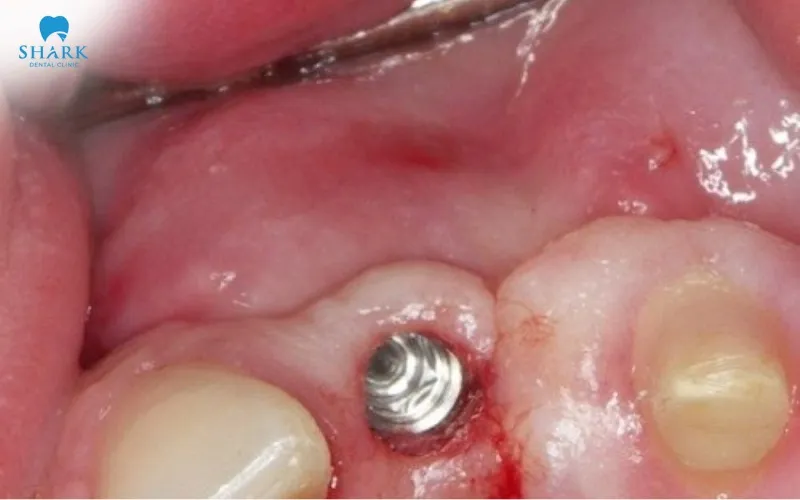
Impaired osseointegration and bone loss
The success of a dental implant depends on successful integration between the implant post and the surrounding jawbone. Smoking slows the activity of bone-forming cells, causing the bond between the bone and implant surface to develop more slowly and remain less stable. If this condition continues for an extended period, the risk of placing dental implants with bone loss around the area may also increase, negatively affecting the stability, function, and expected lifespan of the completed restoration.
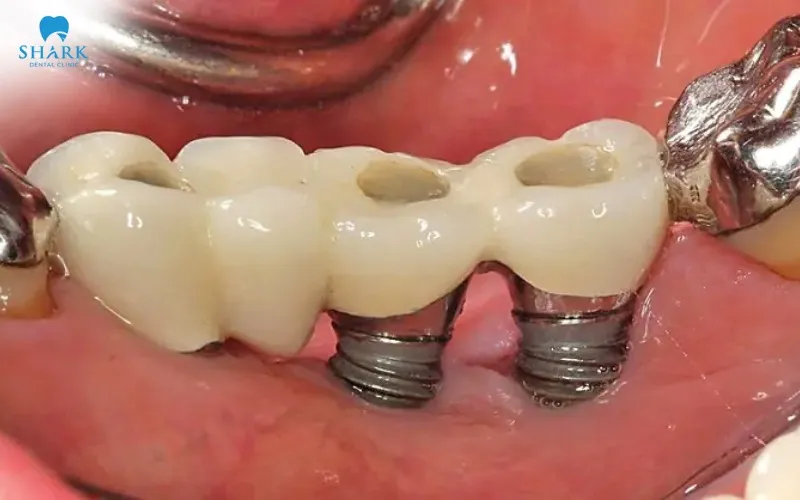
Increased risk of infection and peri-implantitis
Smoking also weakens immune system function, reducing the body’s ability to control bacteria around the surgical site. This creates favorable conditions for harmful bacteria to multiply, increasing the risk of infection and inflammation around the implant. If the condition is not detected and treated promptly, the inflammation may lead to bone loss surrounding the implant post and reduce the overall success rate of the dental implant procedure.
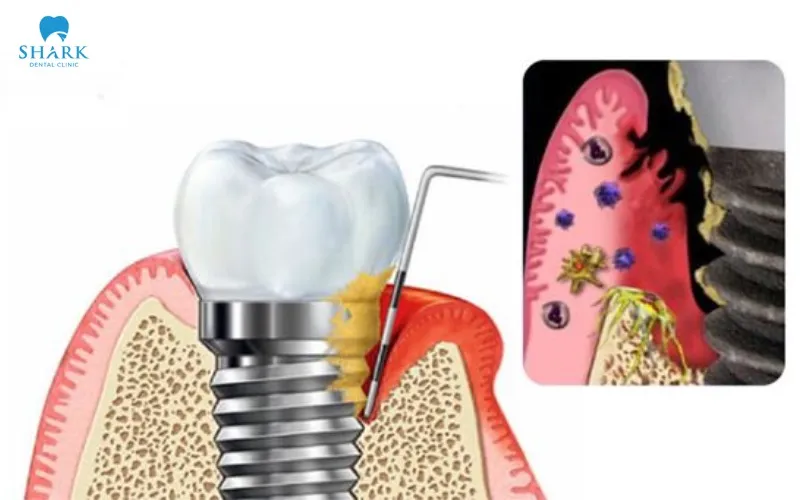
Is vaping or using e-cigarettes safer after surgery?
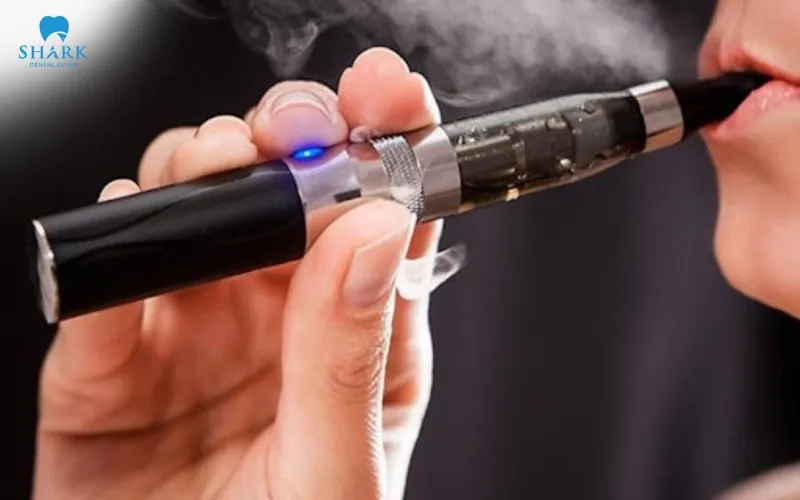
The answer is no, because vaping is not considered a safe alternative during recovery. Although e-cigarettes do not produce smoke in the same way as conventional cigarettes, they can still negatively affect recovery after dental implant surgery. Most vaping and e-cigarette products contain nicotine, which can constrict blood vessels, reduce blood circulation to the surgical area, and interfere with the natural wound-healing process.
In addition, heat from the vapor and flavoring chemicals in e-cigarette liquids may irritate the soft tissues. Frequent inhalation of vapor may also reduce saliva production, affecting the natural protective environment inside the mouth. Current evidence indicates that using e-cigarettes can still increase the risk of complications and may interfere with the process through which the implant post integrates with the surrounding jawbone.
How to protect your dental implants if you smoke?
Stopping smoking is the most effective way to protect a dental implant. However, if you continue using tobacco, several measures may help limit its negative effects on healing and support the long-term maintenance of the implant result.
These measures do not eliminate the risks associated with smoking. However, they may help reduce repeated exposure of the surgical area to cigarette smoke, heat, nicotine, and other harmful substances during the sensitive recovery period. Protecting the implant site remains especially important while the soft tissues are healing and the implant is integrating with the jawbone.
Tips to manage nicotine cravings during healing
Managing nicotine cravings during recovery after dental implant surgery can be difficult, particularly for people who have smoked regularly for many years. If you are not yet able to stop smoking completely, you may consider the following approaches to reduce its effects on the healing process:
- Gradually reduce cigarette consumption: Even when you cannot stop smoking entirely, reducing the number of cigarettes consumed each day may help decrease the risk of smoking interfering with recovery. A lower smoking frequency can reduce repeated exposure of the surgical area to heat, smoke, nicotine, and other chemicals while the tissues are healing. Gradual reduction may also make it easier to manage the period in which complete smoking avoidance is strongly recommended.
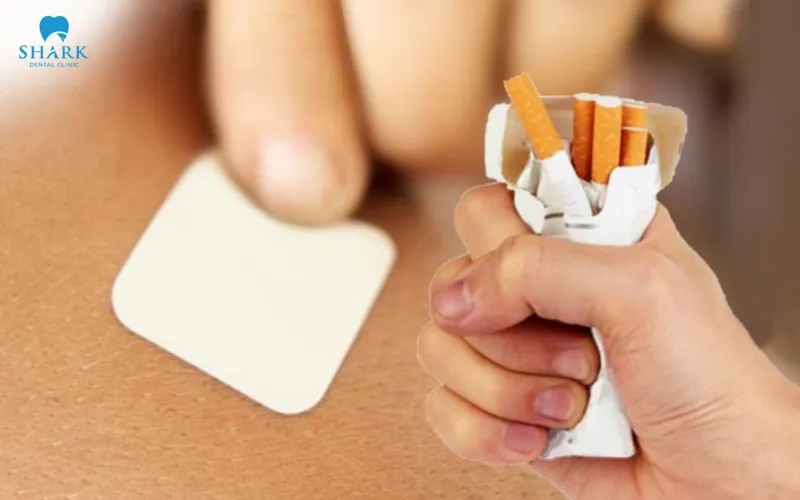
- Consider nicotine replacement products: Some people temporarily use nicotine patches, nicotine lozenges, or nicotine gum. These products still provide nicotine, but they help prevent the surgical area from coming into direct contact with cigarette smoke and heat. The most suitable approach should be considered carefully during the recovery period so that nicotine cravings can be managed without directly exposing the healing surgical tissues to smoke and heat.
- Increase the time between cigarettes: If you continue smoking, try to extend the interval between each cigarette. You should also avoid smoking immediately after meals or directly after cleaning your teeth because the oral tissues may be more sensitive at these times. Increasing the interval between cigarettes can also reduce how frequently the healing area is exposed to tobacco-related irritants.
Essential oral hygiene steps for smokers
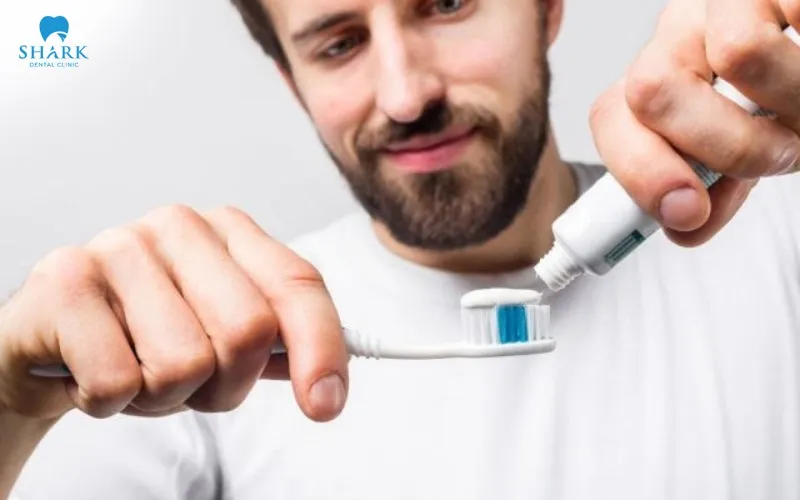
People who smoke should maintain a proper oral care routine to limit the effects of tobacco on their teeth, gums, and overall oral environment. The following basic cleaning practices should be performed consistently every day to support healthier teeth, gums, and implant tissues:
- Brush your teeth twice daily: Maintain the habit of brushing in the morning and evening. You may also combine brushing with a suitable mouthwash to support more thorough cleaning of the oral cavity. This routine supports more complete daily cleaning, helps control plaque accumulation, and may also reduce some of the harmful effects that tobacco has on the teeth and gum tissue over time.
- Clean between the teeth with dental floss: Use dental floss every day to clean the spaces between neighboring teeth. This is an important step for removing plaque and remaining food debris that brushing may not reach. Proper interdental cleaning helps limit bacterial accumulation that can cause tooth decay, persistent bad breath, and problems affecting gum health, particularly in areas that are difficult to clean with a toothbrush alone.
- Choose a suitable toothpaste: Each type of toothpaste has a different purpose, so select a product that matches your specific needs. If you experience bad breath, you may prioritize toothpaste containing mint or essential oils. If your teeth are sensitive, use a product specifically designed for tooth sensitivity. If you want to improve tooth color, choose a suitable product carefully and avoid ingredients that may wear down or damage the natural tooth enamel.
Frequently asked questions about smoking and implants
During dental implant treatment, many smokers remain concerned about nicotine use and the possible risk of smoking affecting the final implant result. The following are several frequently asked questions about tobacco and dental implant recovery.
Can I use nicotine patches after implant surgery?
Yes, nicotine patches may be used, but only under the guidance of a doctor or dentist. A nicotine patch prevents the surgical area from coming into direct contact with cigarette smoke and heat. However, it still supplies nicotine to the body, which may continue to affect blood circulation and healing. Therefore, you should seek professional advice before using nicotine replacement products during the recovery period and follow the recommended instructions carefully throughout the entire healing period.
What is the dental implant failure rate for smokers?
People who smoke have a higher risk of dental implant failure than nonsmokers because smoking can interfere with wound healing and osseointegration. However, the exact failure rate is not the same in every case. It depends on several factors, including the number of cigarettes smoked each day, the patient’s general health, the quality of the jawbone, and how carefully they follow the dentist’s aftercare and oral hygiene instructions following surgery.

In summary, Shark Dental Clinic has explained the answer to the question, “Can you smoke after dental implant?” According to professional recommendations, you should avoid smoking for at least 2 to 3 months, or until the implant post has fully integrated with the jawbone. Tobacco use can interfere with the healing process, affect implant integration, and increase the risk of infection during recovery. Hopefully, the information above helps you better understand this issue so you can make an appropriate decision that protects your health and supports the best possible treatment outcome.