
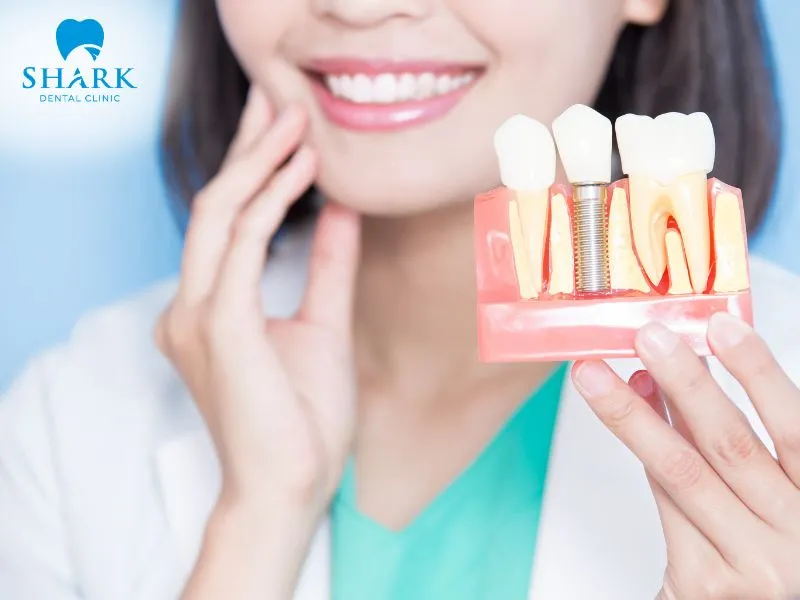
Within the field of modern dentistry, implant placement is widely regarded as the optimal method for restoring missing teeth, and it brings with it a great many outstanding advantages. However, after the implant has been placed, the oral cavity requires a certain amount of time in order to recover and to heal completely. In the article that follows, Shark Dental Clinic will reveal detailed information about the dental implant procedure recovery process. We invite you to read on below.
The dental implant procedure recovery process at the dental clinic
The pace of dental implant procedure recovery differs from one person to another, depending on each individual’s oral condition and physical constitution. Below is a detailed timeline that you can use for reference.
The first 24 to 48 hours immediately following surgery
During the first 48 hours after the implant has been placed, the effect of the local anesthetic will gradually wear off. At this point, the oral cavity may begin to display a number of ordinary physiological reactions, such as mild tooth soreness, a tingling or numb sensation, and a feeling of discomfort or pressure. Some patients may also experience gum swelling or minor bleeding from the gums. However, these symptoms will generally subside quickly and disappear entirely, provided that you carefully follow the instructions given by your dentist.

The first week: The initial healing stage and symptom management
During the following week, any gum swelling will have almost entirely subsided. The wound at the implant site will also begin to close and will gradually continue to heal. At this stage, your dentist will generally recommend applying a warm compress in order to promote better blood circulation, which in turn helps the wound to recover more effectively.
Weeks 2 through 6: The initial tissue-recovery stage
Once the second week begins, the gum tissue will have almost fully healed and will fit snugly around the implant post. At this point, you will need to return to the dental clinic for a follow-up examination so that the dentist can check the overall condition of your mouth and remove any stitches if this is still necessary. Any remaining sensations of soreness or numbness will also have disappeared completely by this stage, and the bone cells will begin to proliferate vigorously and attach firmly to the implant post.
Months 3 through 6: The bone-integration stage and the completion of restoration
From the third month through to the sixth month, the implant post will gradually bond and fully integrate with the jawbone, completely replacing the original tooth root that was previously lost. This particular timeframe is not fixed and will vary depending on each individual patient’s physical condition. During this stage, the dentist will take an X-ray in order to check the degree of integration achieved by the implant post, after which the porcelain crown will be attached and the overall restoration process will be brought to completion.
Dietary guidelines during the dental implant procedure recovery process
A proper nutritional regimen always plays an extremely important role in strengthening oral health and in accelerating the healing process after the implant has been placed.
Days 1 through 3: Liquid and very soft foods
During the first 1 to 3 days, the wound in the gum tissue remains particularly sensitive, so you should prioritize eating foods that are soft, thoroughly cooked, and easy to chew and swallow. Some suggested foods include thin rice porridge, fresh milk, broth, soup, and smoothies, among others.
Weeks 1 through 2: Soft foods that require minimal chewing
Once the following week begins, the gum tissue will have healed and will be less prone to irritation, and any feelings of soreness will also have improved considerably. At this stage, you may begin eating a wider variety of foods, such as rice, porridge, vermicelli noodles, and pho, among other options. That said, you should still give priority to soft foods, and you should chew slowly and thoroughly in order to avoid causing any damage to the soft tissue.

Foods and beverages that should be avoided during the healing process
There are a number of foods and beverages that should be avoided during the healing period that follows tooth implantation.
- Hard or chewy foods: Items such as bread, walnuts, and crispy fried foods can easily tear the delicate gum tissue.
- Foods that are excessively hot or excessively spicy: Items such as chili peppers, black pepper, pickled foods, and spicy noodle dishes can easily irritate the soft tissue inside the oral cavity.
- Alcoholic beverages should be avoided during the initial healing period because they may interfere with healing. Patients should follow their dentist’s instructions regarding coffee and tea consumption.

Oral care tips that support a smoother recovery process
In addition to following proper dietary guidelines, you should also pay particularly close attention to your daily oral care routine.
Managing pain and swelling
After the implant has been placed, the dentist will typically prescribe pain-relief medication in order to help manage any uncomfortable symptoms. You should carefully follow the instructions for taking this medication, and you can also apply a cold compress alongside it in order to help reduce any feelings of pain and gum swelling.
Oral hygiene following surgery
Avoid vigorous rinsing during the first 24 hours after surgery. From the following day, gently rinse with warm salt water or a mouthwash recommended by your dentist. Brush the other teeth carefully while avoiding direct contact with the surgical site until advised otherwise.
Lifestyle habits that should be avoided
After having a tooth implant placed, and particularly during the healing process, you should immediately give up any harmful habits such as smoking cigarettes, grinding your teeth, using your teeth to open bottle caps, or biting down on hard objects.

Factors that influence the length of the healing period after implant placement
The length and the overall quality of the healing period following implant placement depend on a great many surrounding factors. These factors are described in detail below:
The number of implant posts placed and the complexity of the surgical procedure
According to dentists, the more implant posts that are placed, the longer the healing period tends to be. In addition, for patients with a particularly sensitive physical constitution, or for those with tooth loss accompanied by jawbone resorption or signs of infection, the healing period following tooth restoration will tend to be considerably longer.
Bone grafting and sinus lifting
Some patients need to undergo bone grafting and sinus lifting procedures before the implant can be placed. This is a factor that causes the gum tissue to require a longer period of time in order to recover and heal fully.
Overall health and lifestyle
Patients who maintain a healthy lifestyle and who already have good oral health will generally experience a faster healing period after implant placement, compared with patients who have a history of diabetes, high blood pressure, a weakened immune system, or existing gum infection.
Warning signs of complications following implant placement
During the healing period that follows implant placement, if any of the following warning signs appear, you should notify your dentist immediately.
Ordinary side effects compared with potentially serious issues
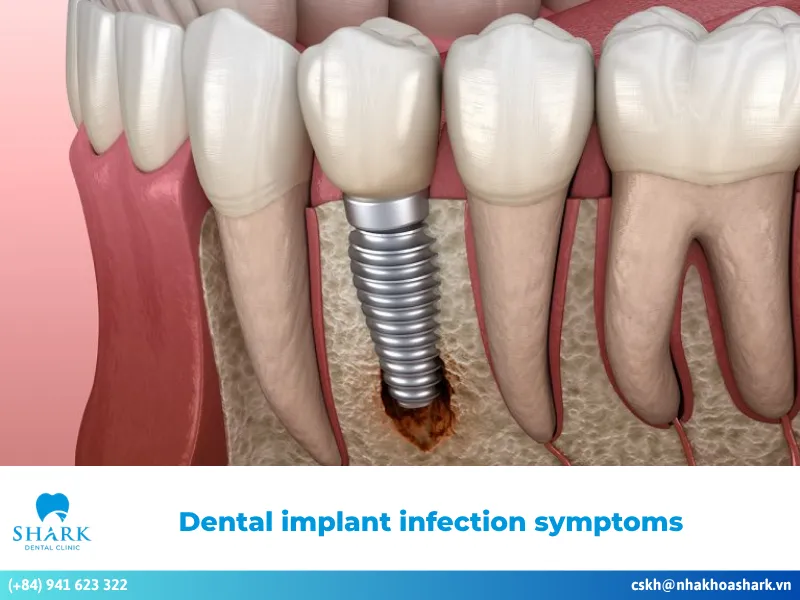
Under normal circumstances, during the first 1 to 2 days after the procedure, you will only experience a mild feeling of soreness in the tooth. However, if this sensation becomes severe and fails to improve even after taking pain-relief medication, or if you notice concerning side effects of dental implants accompanied by red, swollen gums or discharge of pus, you should notify your dentist immediately.
When you should contact your dentist right away
You should schedule an immediate follow-up appointment at the dental clinic if any of the following warning signs appear.
- Persistent bleeding from the tooth: If the site of the implant continues to bleed and the bleeding cannot be stopped, you must contact your dentist right away so that the issue can be properly addressed.
- Loss of sensation: Some patients experience numbness in the gum tissue after implant placement, and if this loss of sensation persists for an extended period, you should contact your dentist promptly, as persistent numbness may indicate nerve irritation or injury.
- A loose implant post: If the implant feels loose at any time, or if pressure and discomfort persist or worsen, you should contact the dental clinic promptly for evaluation.

Through the article above, readers should now have a detailed and complete understanding of the dental implant procedure recovery process. This healing process depends heavily on the patient’s overall oral health and on the care routine that is followed after restoration is completed. We hope that, through this article, you now know how to properly care for your oral health and how to follow a sensible diet, so that you can enjoy strong and healthy teeth!
>>> See more: How long after dental implants can I eat normally?