

After teeth whitening, paying attention to your daily diet is essential if you want to maintain a bright, healthy, and evenly colored smile for as long as possible. During the first few days after treatment, many people become more cautious about their food choices and often wonder whether certain foods may affect the whitening results. One of the most common questions is: Can I eat eggs after teeth whitening? If you are unsure whether eggs are a suitable option after the procedure and how they should be consumed, let’s explore this topic in more detail below!
Can I eat eggs after teeth whitening?
Yes, you can eat eggs after teeth whitening, including during the first 1–2 days following the procedure. If you are wondering, “can I eat eggs after teeth whitening?” the answer is generally yes because eggs do not contain strong pigments that can stain the teeth. As a result, eating eggs is unlikely to cause tooth discoloration, uneven coloring, or yellowing after whitening treatment.
In addition, eggs are often considered an ideal food choice for many people after teeth whitening because they are soft, easy to chew, and easy to swallow. Following a whitening procedure, some individuals may experience mild tooth sensitivity or slight discomfort. For this reason, soft foods such as boiled eggs, scrambled eggs, or fried eggs can help provide adequate nutrition and energy while minimizing pressure on the enamel and reducing discomfort during the recovery period.

Why does diet matter after teeth whitening?
After cosmetic teeth whitening, teeth often become more sensitive and may be more vulnerable to staining and discoloration. Because of this, maintaining a proper diet plays an extremely important role in preserving healthy, bright, and evenly colored teeth after treatment.
- Tooth sensitivity: Whitening agents work by opening the enamel’s microscopic pores and lifting stains from the tooth structure. During this process, teeth may temporarily become more porous, sensitive, and susceptible to absorbing pigments from foods and beverages. Therefore, it is recommended to avoid strongly colored foods and beverages for at least 24–48 hours after treatment.
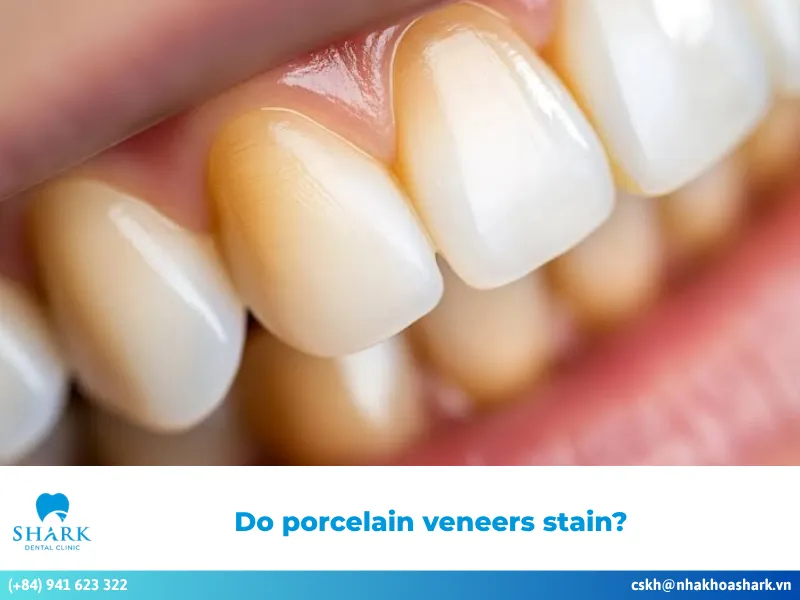
- Re-staining: Dark-colored foods and beverages, such as coffee, black tea, turmeric, and similar items, can penetrate the tooth structure more easily after whitening. This may cause teeth to become stained, yellowed, or discolored again, reducing the aesthetic results of the whitening treatment.
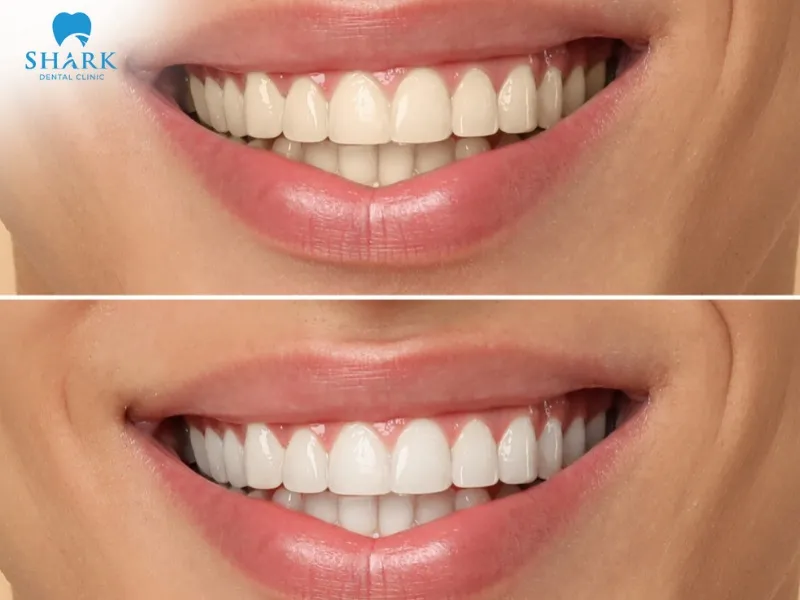
- Reducing tooth sensitivity: After whitening, the dentin and enamel can become more sensitive, particularly when exposed to hot temperatures or acidic foods. For this reason, it is advisable to avoid very hot foods, sour foods, pickled products, and other highly acidic items immediately after the whitening procedure to help minimize sensitivity and discomfort.
- Maintaining aesthetic results: A well-balanced and carefully planned diet not only helps protect the enamel but also supports the long-term maintenance of a bright, white, and uniform smile following teeth whitening treatment.
- Protecting the tooth surface: After teeth whitening, the tooth surface has been exposed to whitening chemicals, which can temporarily weaken the protective layer of the enamel. Eating eggs appropriately can provide a good source of calcium and nutrients that help support and protect the teeth during this period, contributing to the maintenance and recovery of the tooth surface after whitening treatment.

Do eggs stain teeth or affect whitening results?
Eggs do not stain teeth and generally do not interfere with the results of teeth whitening treatments. In fact, they are often recommended as a suitable food to eat after whitening, especially egg whites. This is because egg whites do not penetrate the dentinal tubules, helping maintain the bright and white appearance of the teeth after treatment.
Unlike dark-colored foods and beverages such as strong tea or coffee, eggs do not contain pigments that are known to cause tooth discoloration. Even egg yolks do not have the ability to penetrate the enamel structure or cause yellowing and staining of the teeth. Therefore, you can confidently include eggs in your daily diet after teeth whitening without worrying about negatively affecting your whitening results.

Nutritional benefits of eggs for oral health
For individuals who have recently undergone teeth whitening, eggs are often considered a “golden food” because they provide several nutritional benefits for oral health. Specifically, these benefits include the following:
- Supports enamel remineralization: Eggs contain beneficial amounts of calcium and phosphorus, two important minerals that contribute to the remineralization process of tooth enamel. The combination of these nutrients helps strengthen the enamel structure and supports overall dental health, allowing teeth to remain stronger and more resilient over time.
- Enhances calcium absorption: Eggs are a natural source of vitamin D, an essential nutrient that has been shown to support the body’s ability to absorb calcium efficiently. Improved calcium absorption helps maintain stable mineral density within the teeth and supporting bone structures, contributing to stronger oral health overall.
- Helps support gum tissue recovery: According to dental experts, the protein and amino acids naturally present in eggs can support the body’s healing processes. These nutrients may help promote the recovery of gum tissues and contribute to healthier oral soft tissues following dental treatments or irritation.
- Supports anti-inflammatory functions: Eggs also contain vitamins A and B, which play important roles in maintaining healthy soft tissues within the mouth. These nutrients help support normal tissue function, contribute to anti-inflammatory processes, and promote healthier oral mucosal tissues.
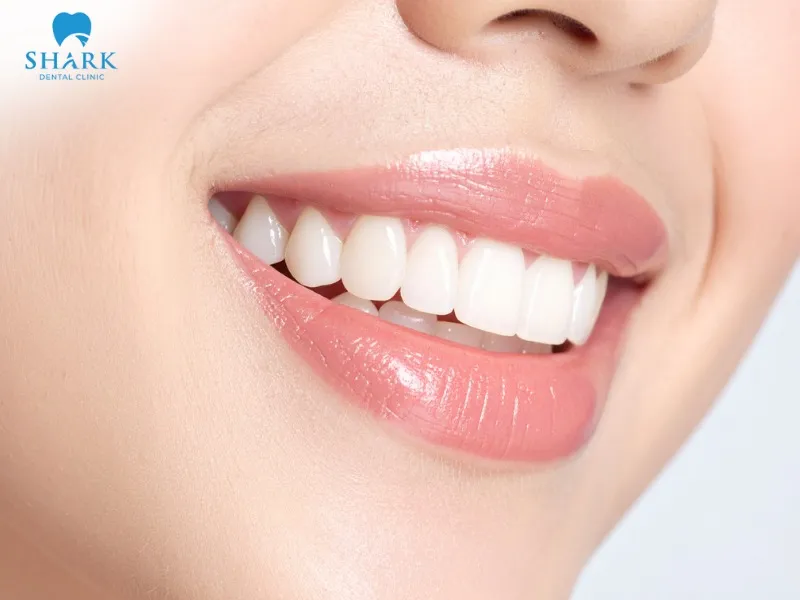
Tips to protect your teeth after whitening
In addition to maintaining a healthy diet, adopting proper oral care habits is essential after teeth whitening. Following these recommendations can help protect your teeth and preserve your whitening results for a longer period:
- Use a straw: After teeth whitening, it is advisable to use a straw when consuming beverages such as dark fruit juices, coffee, or black tea. Using a straw helps reduce direct contact between the liquid and the tooth surface, minimizing the risk of staining and helping maintain the brightness of your newly whitened teeth.
- Rinse your mouth: After meals or beverages, rinse your mouth promptly with plain water or an appropriate antiseptic mouth rinse. This simple habit helps wash away food particles and beverage residues that may remain in the oral cavity. It can also help reduce exposure to staining pigments and support the maintenance of a cleaner, brighter smile after whitening treatment.
- Maintain good oral hygiene: You should maintain a consistent daily oral hygiene routine by brushing your teeth with a soft-bristle toothbrush. In addition, you can combine flossing and the use of a water flosser to further improve oral cleanliness and enhance overall dental hygiene.
- Avoid smoking: Cigarettes contain nicotine, a harmful substance that not only has negative effects on overall health but is also one of the leading causes of tooth discoloration. Nicotine can cause teeth to become yellow, stained, and less aesthetically pleasing over time.
- Limit stimulants and staining beverages: Certain harmful substances and beverages, such as alcohol, coffee, carbonated soft drinks, and similar products, can contribute to tooth discoloration. They may also negatively affect tooth enamel and have an adverse impact on overall oral health if consumed frequently.
- Schedule regular dental checkups: To help maintain healthy, strong, and evenly colored teeth after whitening treatment, you should follow your dentist’s recommendations for routine dental examinations and oral health checkups every 3–6 months.
>>> See more: Can you drink coffee after teeth whitening?
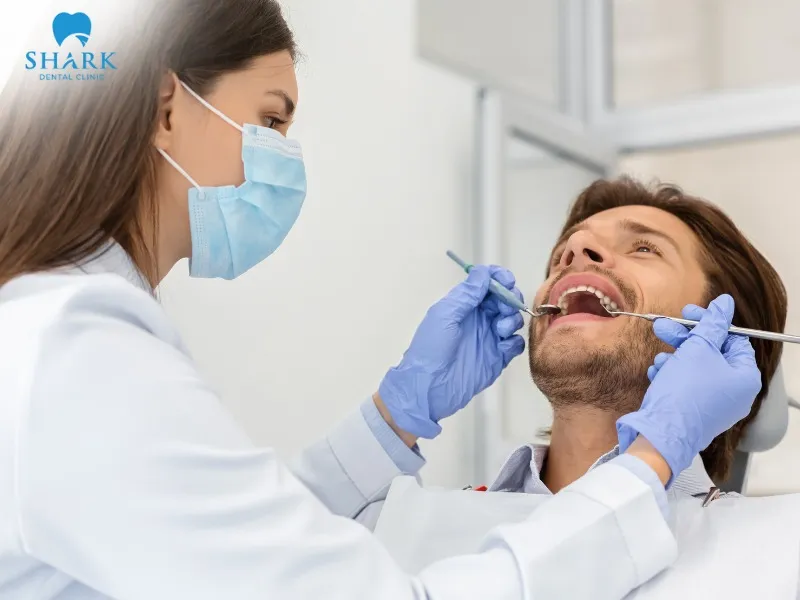
How long do you follow a white diet after whitening?
You should maintain an egg-based diet for approximately 2 days after teeth whitening treatment. After this period, you can continue incorporating eggs into your meal plan 2–3 times per week to help provide valuable nutrients that support overall health. Eggs are a rich natural source of nutrition that not only helps support the remineralization of tooth enamel but also contributes to improving and maintaining oral health.
As part of your daily diet, it is important to consume a variety of food groups to ensure balanced nutrition. However, during the first two weeks after teeth whitening, you may still include eggs as part of your breakfast or as a nutritious snack between meals. This can help provide the body with essential minerals and nutrients, supporting stronger, healthier, and more stable teeth during the post-whitening period.

In conclusion, you now have a clear answer to the question,“Can I eat eggs after teeth whitening?” as well as a better understanding of the notable benefits that eggs can provide. A well-balanced diet combined with healthy oral care habits and proper dental hygiene practices can help you maintain strong, healthy, and bright-looking teeth. As a result, you can enjoy longer-lasting whitening results and achieve a more radiant, confident, and vibrant smile.
>>> See more: How long after teeth whitening can I eat normally?