

Today, composite tooth filling is one of the most popular restorative dental methods due to its ability to replicate the natural shape and color of teeth. So, what exactly is this filling method? What are its advantages, the procedure, and what care is needed afterward? Let’s explore all the details with Shark Dental in this article!
What is composite tooth filling?
Composite tooth filling is a dental procedure that uses material to fill defects such as gaps between teeth, chips, cavities, or enamel wear. This technique helps restore both the chewing function and the aesthetic appearance of the teeth.
In many cases, composite is an excellent solution for filling half cracked tooth structures where the damage is moderate and does not yet require a full crown. The material is made from biocompatible substances such as UDMA, BIS-GMA, PEX, and silica. This material does not react with saliva in the oral cavity and closely matches the natural color of real teeth. As a result, composite tooth filling is considered superior to other types of dental filling materials.
Composite fillings can be applied in various dental situations, including:
- Teeth affected by cavities, discoloration, or small dark spots on the surface.
- Chipped, cracked, or broken teeth, or instances where an old tooth filling fell out and needs replacement.
- Gapped or misshapen teeth needing cosmetic correction.
- Protection for worn teeth or exposed tooth roots due to gum recession.
Benefits of composite fillings
Composite tooth filling is widely preferred by patients for its aesthetic appeal, durability, and biocompatibility. Specifically, this material offers several notable advantages:
High aesthetic value
Composite material has a natural shade that closely resembles real teeth. Dentists can shape and mold the into various sizes and forms, enabling it to blend seamlessly with any tooth position. The result is an invisible restoration that enhances your overall smile.
Safe and biocompatible
Composite material does not undergo chemical reactions in the oral environment. As a result, it is safe for use, non-allergenic, and does not release any harmful substances that could affect overall health.
Quick and convenient procedure
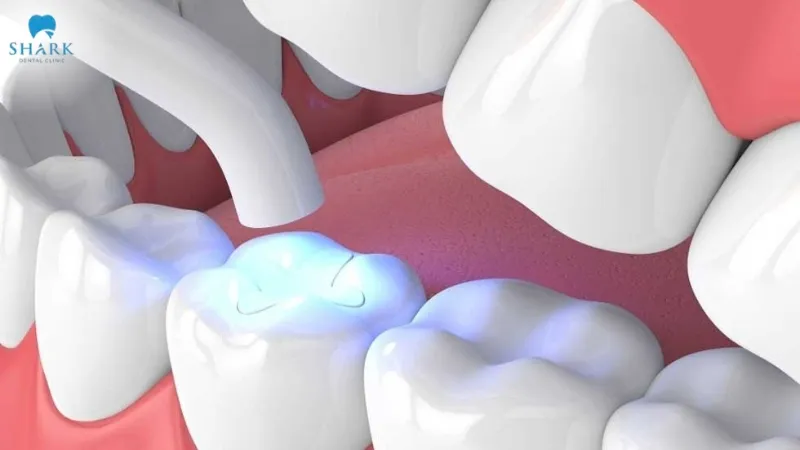
The filling process is simple and fast, typically taking only 15–20 minutes. The dentist shapes the filling material at room temperature, then uses a curing light to harden it instantly. This eliminates the need for waiting for the material to dry naturally, helping patients save time during treatment.
Minimally invasive technique
When filling teeth with material, the dentist does not need to remove a large portion of the tooth structure or drill deeply into the enamel. This technique helps preserve natural teeth and prevents sensitivity caused by enamel loss.
Current filling materials
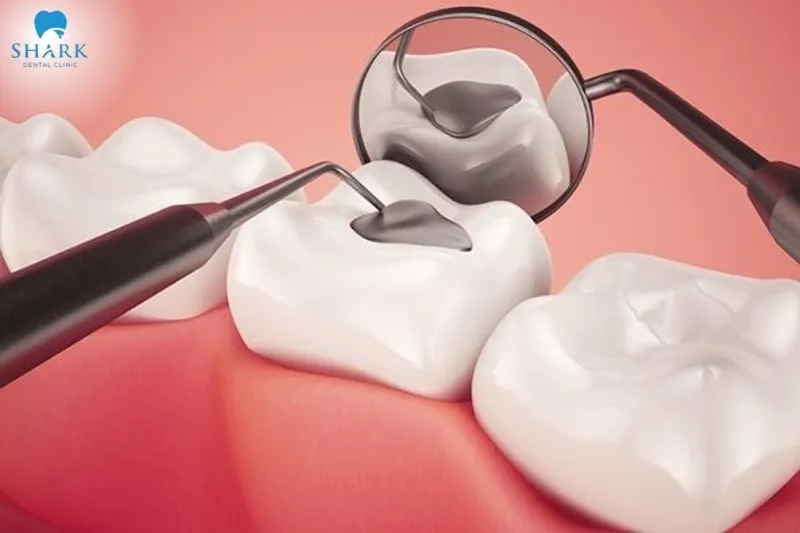
In dentistry, several materials are commonly used for fillings, including , amalgam, porcelain, and GIC (Glass Ionomer Cement). Each type of filling material has its own advantages and disadvantages, depending on the patient’s oral condition and individual needs.
Amalgam
Amalgam is a silver alloy known for its high durability and excellent resistance to wear. However, its metallic color does not match the natural shade of teeth, making it noticeable when smiling or speaking. For this reason, amalgam is rarely used in visible or aesthetic areas of the mouth.
GIC (Glass Ionomer Cement)
GIC is a tooth-colored filling material that bonds well to the tooth surface and releases fluoride, which helps prevent recurrent tooth decay. While GIC may not provide the same level of aesthetics as fillings, it is very useful for restoring teeth in less visible areas or for patients with limited budgets.
Porcelain
Porcelain fillings are considered an ideal choice for high-aesthetic cases, such as for front tooth filling or teeth that have lost a significant amount of structure. However, this option usually comes at a higher cost, and the material may wear over time if not properly cared for.
Composite filling process
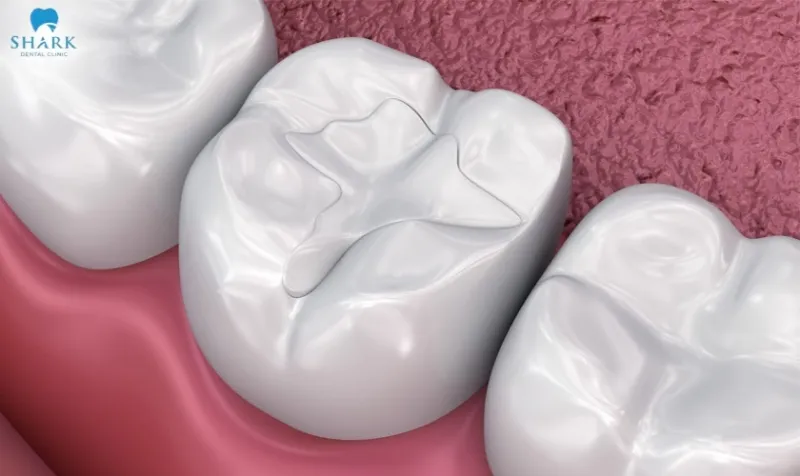
The process of placing a filling follows standard dental procedures, which include the following steps:
Step 1: Consultation and initial examination
Before starting the filling procedure, the dentist conducts a thorough oral examination to assess the condition of the tooth, identify the area requiring treatment, and recommend the most suitable filling material.
Step 2: Oral cleaning and preparation
This essential step removes all food debris and plaque from the mouth to prevent infection or cross-contamination during the procedure.
Step 3: Filling application
Once the area is clean, the dentist carefully applies the material into the prepared cavity. A blue curing light is then used for about 40 seconds to harden the through a light polymerization reaction.
Step 4: Adjustment and finishing
After confirming that the filling material has fully set, the dentist trims and shapes the restoration, removing any excess. Finally, the surface is smoothed and polished to ensure comfort while chewing and to achieve a natural, aesthetic appearance.

How long can composite tooth filling last?
According to dental experts, fillings typically last between 3 to 5 years, and may even last longer with proper oral hygiene and care. However, the actual lifespan of the filling depends on several factors, including:
- The location of the filling (front vs. back teeth)
- The dentist’s skill and technique
- The quality of the material used
- The patient’s oral hygiene and dietary habits
Therefore, before undergoing a filling procedure, it is important to choose a reputable dental clinic and use certified, high-quality materials. Maintaining a balanced diet and proper care routine can also help maximize the longevity of your restoration.
What are the factors to consider after treatment?
Proper oral care and maintenance are crucial for ensuring effective chewing function and prolonging the lifespan of fillings. After a tooth filling, here are some important points to keep in mind:
Avoid dark-colored food and drinks
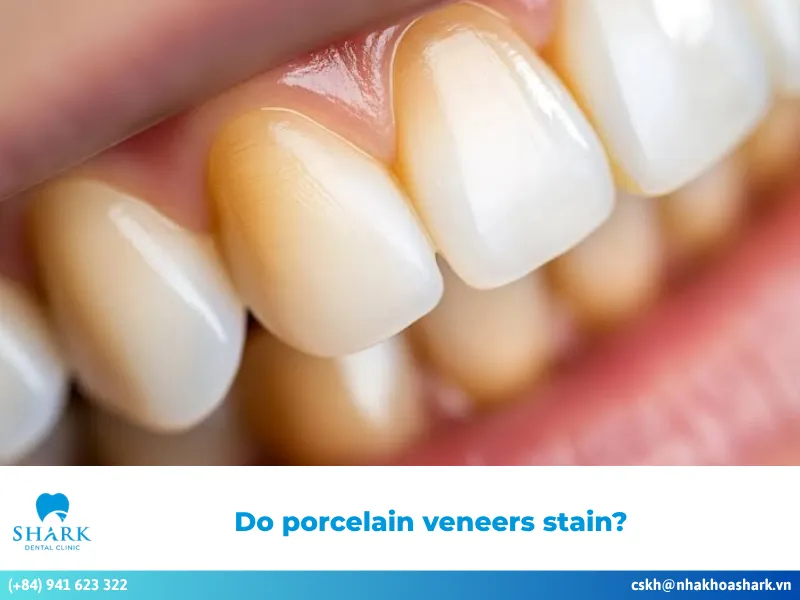
Limit the consumption of dark-colored foods and beverages, such as chocolate, tea, and coffee. These can stain the filling and reduce its aesthetic appeal, especially for visible areas like the front teeth.

Avoid eating or drinking during the first 2 hours
Although composite material hardens quickly under a curing light, patients often ask when it is safe to eat after tooth filling procedures. It is generally advisable to refrain from consuming food or beverages for at least the first 2 hours after treatment. This waiting period allows the material to adhere firmly to the tooth surface and ensures the bond is fully stabilized. After this initial time frame, you can safely return to your normal dietary habits, though starting with soft foods is recommended.
Limit hard or chewy foods
In the early days after getting a filling, it’s best to avoid overly hard or chewy foods that could put pressure on the newly filled tooth. Instead, opt for soft foods to help stabilize the filling.
Practice proper oral hygiene
Brush your teeth at least twice daily with a soft-bristled toothbrush, applying gentle pressure to clean your teeth thoroughly. Avoid brushing too hard, as this may cause abrasion or dislodgment of the filling.
Additionally, use dental floss to clean between your teeth and consider using a fluoride mouthwash to strengthen enamel and reduce the risk of cavities.
Schedule regular dental check-ups
It’s recommended to have routine dental examinations every 6 months. This allows your dentist to monitor the condition of the filling and your overall oral health, helping to detect and address potential issues early.
Why should you get composite filling in Vietnam?
Here are several key reasons why getting a tooth filling in Vietnam can be a smart and cost-effective decision:
- Affordable and cost-effective: Composite fillings in Vietnam are offered at a much more affordable price compared to many other countries, making the overall filling cost highly accessible. Patients can achieve high-quality and aesthetically pleasing results without financial strain.
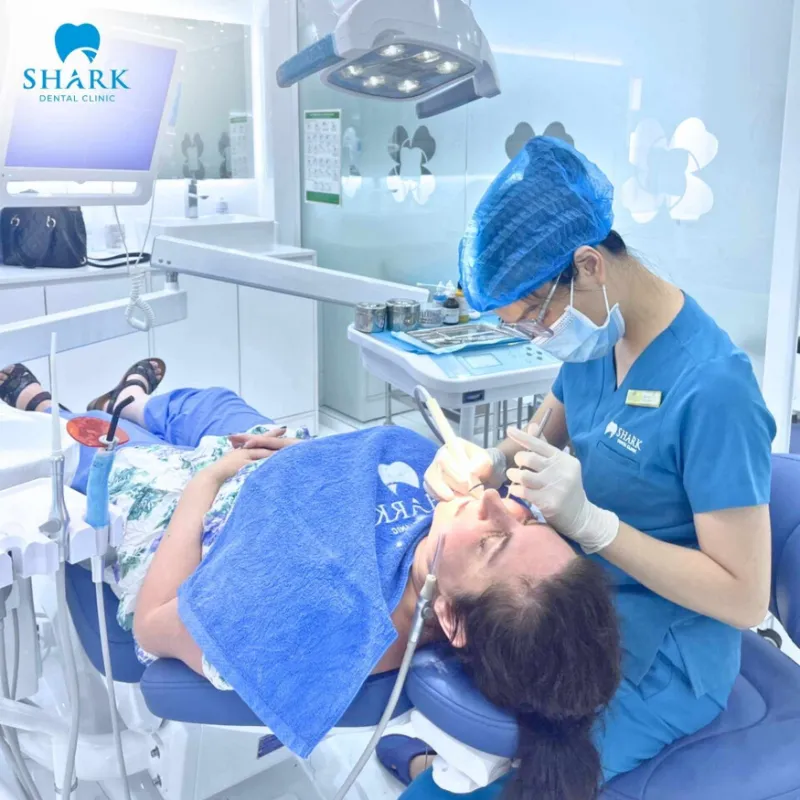
- Advanced technology and modern equipment: Most dental clinics in Vietnam have invested heavily in state-of-the-art technology and modern dental equipment. This ensures that every procedure is carried out accurately, safely, and efficiently.
- Excellent patient care services: Many Vietnamese dental clinics prioritize customer service—from the initial consultation and examination to post-treatment care and follow-up support.
Given these advantages, getting fillings in Vietnam is a wise choice that can help you achieve a beautiful and natural smile while saving both time and money.
If you are unsure where to find safe and high-quality dental filling services, consider Shark Dental Clinic—a highly rated dental brand recognized for its professional and reliable oral care.
In addition to fillings, Shark Dental Clinic offers a wide range of dental care services, all performed by experienced, highly qualified, and dedicated dentists. Every treatment is carried out with precision and commitment, satisfying thousands of patients who have utilized their services.

Through this article, it is evident that tooth filling is an effective technique for enhancing both chewing function and dental aesthetics. However, it is essential to choose a reputable clinic and follow proper aftercare instructions to maximize the durability and longevity of your filling.