
Peri-implant mucositis around dental implants is a bacterial complication causing swelling and tissue inflammation. Without prompt treatment, it can progress to peri-implantitis with progressive bone loss, severely affecting chewing function and oral health. Read this article on peri-implant mucositis around dental base structures to discover effective treatment solutions.
What is peri-implant mucositis around dental implant?
Also referred to as peri-implant mucositis around dental, this is an inflammatory condition that appears around the implant post, and it usually begins with inflammation around the base of the implant, in a manner that is similar to the signs that are typically seen with ordinary gingivitis. The most common cause is that plaque builds up in large amounts around the neck of the implant, and bacteria then attack the area, causing pain and bringing on a great deal of irritation. Suitable methods of treatment need to be applied promptly so as not to cause further effects on health.
What are the clinical and radiologic signs of peri-implant mucositis?
As already mentioned, peri-implant mucositis around the implant is a condition involving inflammation of the soft tissue, caused by bacterial plaque, which has not yet caused any loss of the supporting bone but which still causes irritation and significantly affects health. The symptoms are easy to recognize, and they include the following:
Clinical symptoms of peri-implant mucositis
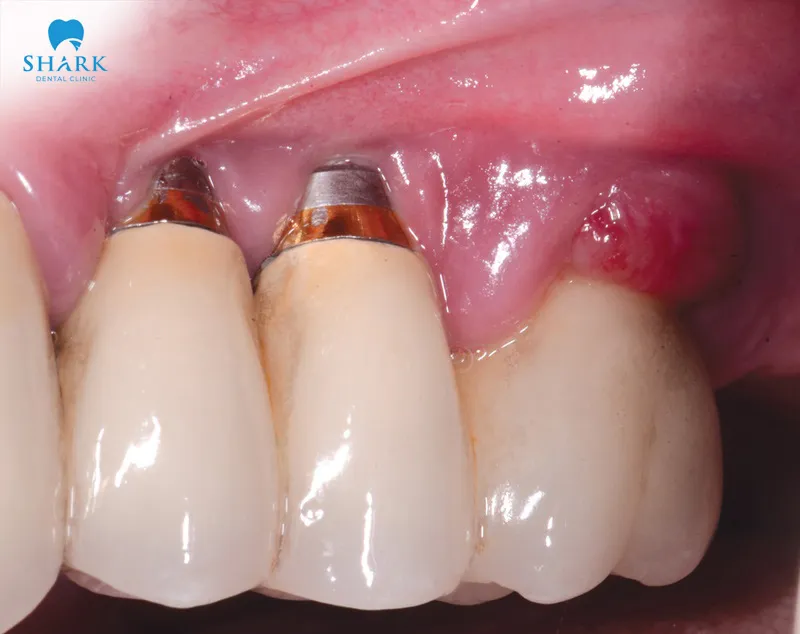
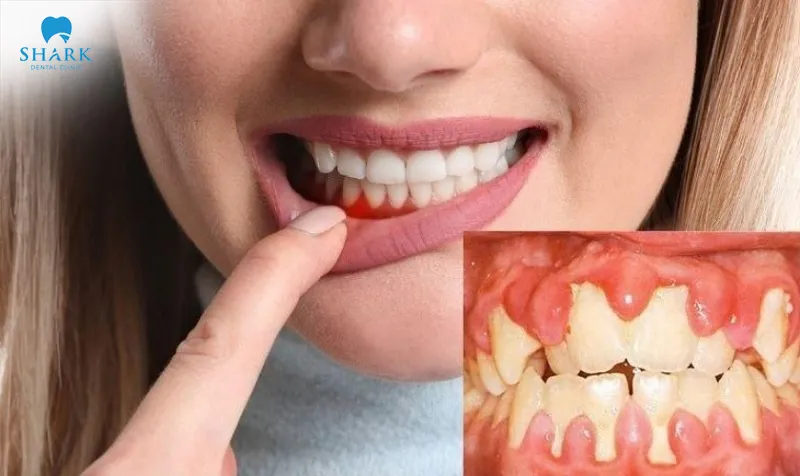
The common clinical sign of peri-implant mucositis around the implant is bleeding, along with a change in the color of the gum from red to a deeper, more inflamed shade of red. The area around the base of the implant will show signs of swelling, with the gum becoming puffy, and pus and other discharge may appear, causing pain and bad breath.
Radiologic findings and diagnostic signs
Typically, on a dental X-ray, the height of the bone around the implant post will still be maintained at a stable level, and no sign of bone loss will yet be observed. At this stage, prompt examination and treatment are needed in order to prevent the signs of inflammation around the implant from progressing any further.
>>> See more: Symptoms of loose dental implant crow
What causes peri-implant mucositis around dental implant?
According to specialists, there are many different causes that can lead to the condition of peri-implant mucositis around the implant, commonly called perimucositis around the dental implant. It is important to understand each cause correctly and to apply the most effective methods of treatment accordingly.
Poor oral hygiene and bacterial plaque
The buildup of plaque around the neck of the implant is the main cause of peri-implant mucositis around the implant post. This is usually the result of poor oral hygiene, care that is not carried out regularly, brushing that is done incorrectly, and rinsing that is not done often enough, all of which allow plaque to build up in large amounts, causing inflammation and bringing on irritation around the implant post.
History of periodontitis and lifestyle habits
peri-implant mucositis around the implant can originate from oral conditions that were not fully treated beforehand, such as gingivitis or periodontitis. From there, these conditions can lead to irritation and develop into inflammation around the implant post, affecting health and getting in the way of daily activities.
How does peri-implant mucositis differ from periimplantitis?
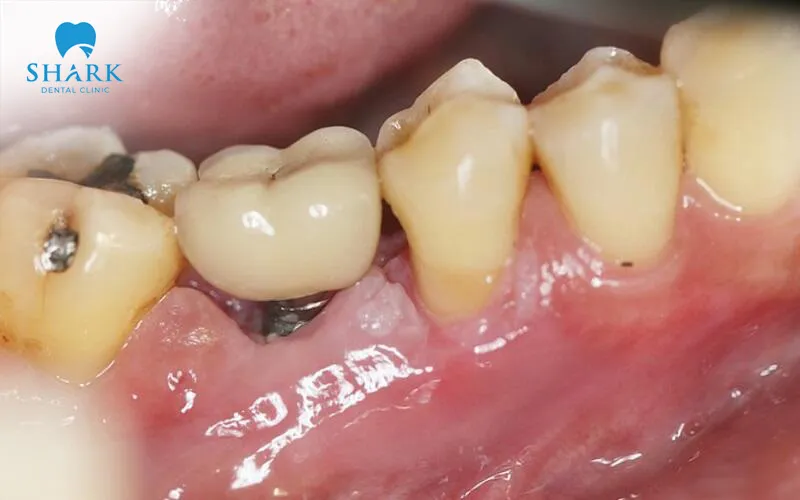
According to dental specialists, peri-implant mucositis around the implant differs from periimplantitis in the following respect. The condition of peri-implant mucositis simply affects the soft tissue and the gum, without yet having any impact on the bone and without yet causing any loss of bone. Peri-implantitis is a distinct peri-implant disease characterized by soft-tissue inflammation and progressive loss of supporting bone, in which the inflammation begins to show signs of spreading more widely, causing loss of the supporting bone and threatening the structure of the tooth after it has been restored.
Reversible tissue inflammation in mucositis
peri-implant mucositis around the implant exists only in the gum and around the implant post, without extending any deeper inside and without causing any loss of bone. At a mild level, much like ordinary gingivitis, it can be treated through a combination of methods and does not cause any especially large effect on the neighboring teeth.
Progressive bone loss in periimplantitis
Periimplantitis is regarded as being at a more severe level, spreading deeper into the tissue and causing loss of the bone of the tooth. This condition is regarded by dentists as being at a serious level, one that can easily loosen or damage the implant post, is very difficult to recover from, and requires complex dental methods of intervention before stability can be restored to normal.
How is peri-implant mucositis around dental implants treated?
The important guiding principle in treating peri-implant mucositis is to manage dental implant infection symptoms, resolve soft-tissue inflammation, and control plaque around the implant. All of this must be carried out precisely and closely, following the protocol set out by a dental specialist to ensure patient safety and keep unwanted effects to a minimum.
Professional nonsurgical therapy
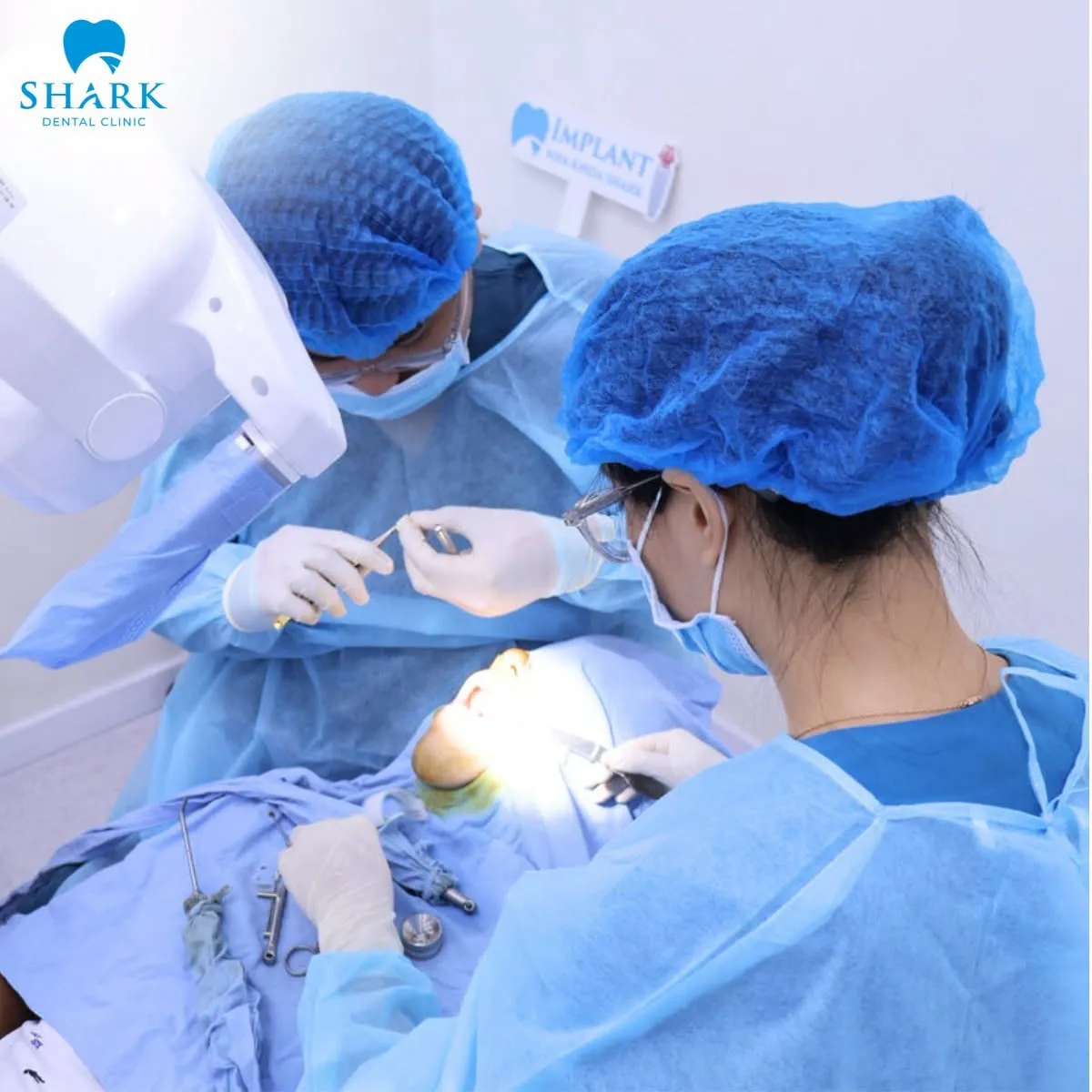
The method of nonsurgical treatment is applied during the early stage, when the level of bone loss is not yet serious and has not yet had any effect on the bone. The dental specialist will proceed to remove the bacterial plaque, carrying out mechanical cleaning by way of scaling, and removing all of the plaque that is causing inflammation around the implant post.
Effective home care and oral hygiene routine
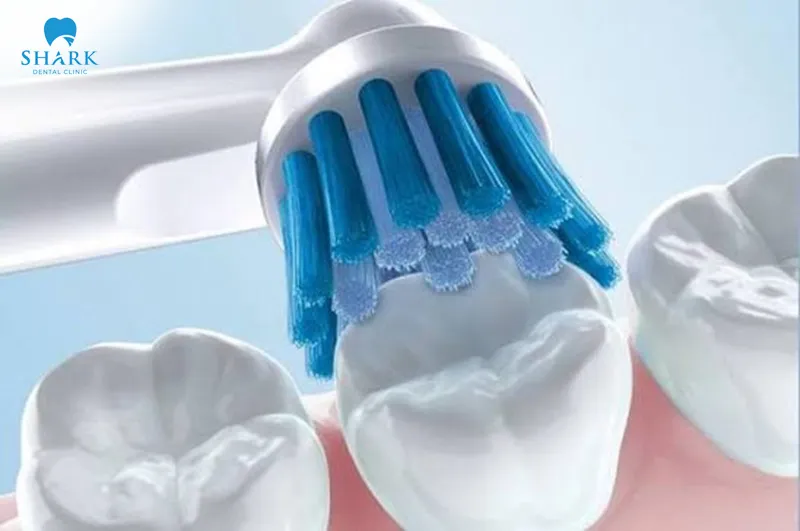
Alongside the course of treatment that is carried out at the dentist’s office, proper care and good oral hygiene need to be combined together at home as well, in order to help prevent the condition of peri-implant mucositis around the implant from appearing in the first place. Brush your teeth at least two to three times a day, pay attention to keeping up regular oral hygiene, use a soft-bristled brush, and brush with a moderate amount of pressure in order to keep irritation to a minimum.
Not only that, but after eating, be sure to use an antibacterial saline rinse, and use dental floss rather than a toothpick in order to limit any impact on the areas that are inflamed and to avoid causing any irritation to the teeth.
In addition, visit the dentist for a checkup every three to six months in order to detect any abnormal effects at an early stage and to receive the most effective method of treatment, keeping any significant irritation to the oral cavity to a minimum.
How to prevent peri-implant mucositis around dental implant?
In order to prevent the condition of peri-implant mucositis around the implant, and to keep any negative effects on health to the lowest possible level, it is important to pay attention to oral hygiene and to correctly and fully the principles of care and dental hygiene set out by specialists.
Proper daily cleaning around implant restorations
Brush your teeth regularly, at least two to three times a day. It is best to use a soft-bristled brush and to brush gently, in order to keep irritation to a minimum and to help the teeth remain naturally stable. After eating, be sure to use dental floss and to use mouthwash, in order to limit the appearance of any signs of inflammation.
Routine dental checkups
In order to prevent the condition of peri-implant mucositis around the implant, it is important to pay attention to visiting the dentist for a routine checkup at least once every three to six months. Alongside this, professional implant maintenance and biofilm removal should be performed when indicated after clinical assessment in order to keep the appearance of plaque to a minimum and to help the teeth remain stable and natural.
Frequently asked questions
If peri-implant mucositis around the implant is not addressed promptly, it can bring about a great many negative effects and can end up impacting the entire oral cavity as a whole. Many of the people who are concerned about this particular condition tend to have a great many questions and worries surrounding it.
Can peri-implant mucositis around dental implant go away on its own?
peri-implant mucositis around the implant cannot go away entirely on its own, and it requires intervention in order to remove the bacteria and the plaque. Even though this is still only the stage in which the soft tissue is damaged and the jawbone has not yet been affected, and even though it can still be reversed, early intervention and treatment are needed so as not to cause any effect on the neighboring teeth. As soon as it is detected, a visit should be made to a reputable dental clinic so that the dentist can examine the condition and put forward the most effective method of treatment.
Is peri-implant mucositis around dental implant painful?
During the early stages, peri-implant mucositis around the implant will not cause any clearly noticeable pain, and it will usually progress quietly within the soft tissue. The symptoms that are commonly seen include signs of bleeding at the base of the implant, along with redness and swelling in the tissue and the gum. The gum takes on a slightly reddened color, and only a mild sense of discomfort and unease may be felt.
By the time the more severe stage is reached, periimplantitis will bring on painful episodes, together with a persistent, uncomfortable aching sensation.
How long does it take to heal from peri-implant mucositis?
According to specialists, peri-implant mucositis around the implant does not have one fixed healing time; improvement depends on plaque control, professional treatment, risk factors, and the patient’s response, and should be confirmed at follow-up, provided that it is cared for and treated in the proper way. Typically, during the early stage, the symptoms of swelling and bleeding will begin to subside as a result of removing the gum inflammation and scaling away the buildup around the area.
During the later stage of recovery, the gum tissue around the implant post will once again attach itself firmly and will settle back into a state that is normal and stable. At this point in the process, there is generally no need for concern, and it is enough simply to continue paying close attention to care that follows the dentist’s instructions carefully, so that a state of stability and full recovery can be reached again as soon as reasonably possible.
Even though peri-implant mucositis around dental does not cause a great deal of pain, if it is not promptly addressed and treated, it will cause irritation and will affect health. The information in this article, covering the causes of peri-implant mucositis around the implant, or perimucositis around dental implant, and how to address it, shared here by a dental specialist, will help customers gain a better understanding of the condition, as well as of the most effective ways of preventing the inflammation. During the process of care and treatment, if there are any questions at all, please get in touch promptly with the team of doctors at Shark Dental Clinic for advice and support as quickly as possible.
>>> See more: Signs of dental implant failure