
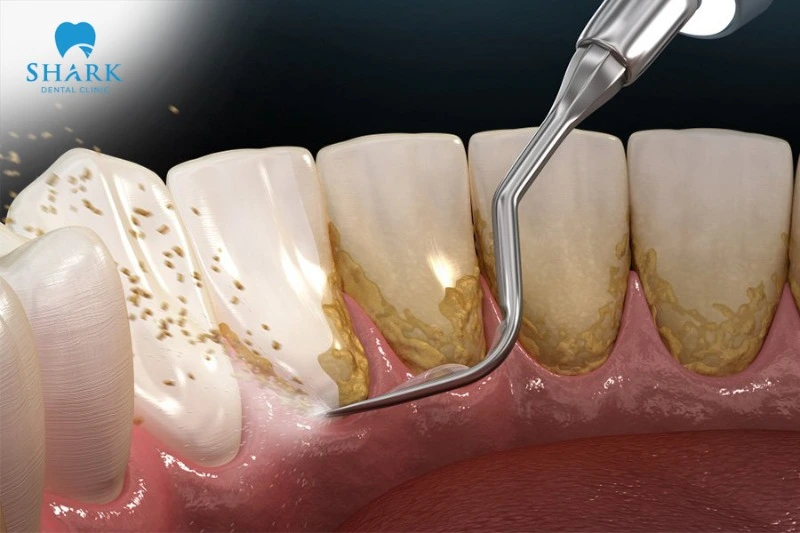
Tartar refers to plaque buildup on the surface of the teeth that has gradually calcified over time, becoming hard, firmly attached, and dirty around the base of the teeth. If it isn’t properly treated and removed in time, tartar can lead to infection, resulting in gum disease, periodontal disease, and tooth decay over time. So is it actually a problem if your teeth feel sensitive after a dental cleaning? And how exactly can you go about reducing that sensitivity and discomfort when you find your teeth sensitive after cleaning? Take a look at the important information laid out carefully in the article below!
Why do teeth become sensitive after a dental cleaning?
Having tartar removed is a simple, relatively inexpensive dental procedure, carried out using specialized equipment that targets areas of tartar buildup and removes yellow staining, leaving the tooth surface clean and refreshed afterward. This procedure helps prevent tooth infection from developing and limits signs of gum disease and periodontal disease along the way. After undergoing a cleaning, teeth will often show signs of sensitivity, and having teeth sensitive after cleaning can generally be traced back to a few different underlying causes.
Removal of plaque and tartar buildup
Plaque and tartar that have built up over a fairly long period of time can, once they’re removed and cleaned away, make previously exposed root surfaces or dentin more noticeable and sensitive to temperature changes, which results in a certain degree of sensitivity right after the cleaning is finished.
Temporary gum tissue inflammation
Teeth typically end up feeling sensitive after tartar removal because the gum tissue itself becomes somewhat sensitive during the process. Pre-existing gum inflammation, together with temporary tenderness after instrumentation, may contribute to discomfort following the cleaning around the base of the teeth, which in turn causes feelings of discomfort and sensitivity once the cleaning has been fully completed.
Exposure of sensitive dentin and tooth roots
When tartar has covered the neck of the tooth and the root for a long period of time, removing it may reveal root surfaces that were already exposed because of gum recession or periodontal disease, leaving the underlying dentin directly exposed to cold or hot water for what may be the first time in quite a while. This can easily lead to irritation, and it may end up causing a degree of discomfort or sensitivity as a result.
How long does tooth sensitivity last after a dental cleaning?
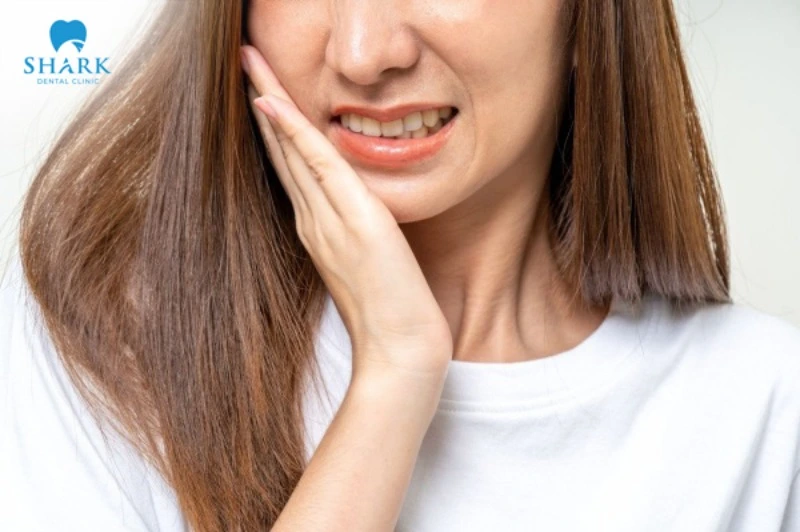
Generally speaking, after having your teeth cleaned through a scaling procedure, the sensitivity will gradually fade and improve over the course of roughly 1 to 3 days. This is considered to be a completely normal occurrence, because exposed dentin or root surfaces and temporary gum tenderness may respond more strongly to temperature or touch after cleaning.
How to reduce tooth sensitivity after a dental cleaning?
There are several different ways to help reduce sensitivity in teeth that have become sensitive, and these approaches can generally be applied right at home, so long as you follow a specialist dentist’s proper guidance closely and consistently.
Use desensitizing toothpaste
If you happen to experience sensitivity after a dental cleaning, it’s worth paying close attention to using a toothpaste that’s been specifically formulated for sensitive teeth. These specialized toothpaste formulas typically contain particular compounds that help block sensitivity from reaching the nerve endings inside the tooth. Toothpastes like these often contain a compound called potassium nitrate, which works by helping block pain signals from traveling along the nerves from the teeth to the brain.
Brush gently with a soft bristle toothbrush
After a cleaning, brushing your teeth incorrectly can end up making the discomfort and sensitivity noticeably worse than it needs to be, especially when your teeth are already sensitive after cleaning. To help minimize damage and any further effects, be sure to use a soft-bristled toothbrush and brush gently, avoiding excessive force on the tooth surface, since right after a cleaning, the teeth tend to be extremely sensitive and especially prone to further irritation.

Avoid extremely hot, extremely cold, or highly acidic foods
Teeth tend to be relatively sensitive right after a cleaning, so during this period it’s best to avoid sour fruits, carbonated drinks, or vinegar while eating and drinking, since these kinds of foods and beverages can easily wear down the enamel and negatively affect the tooth’s ability to properly stabilize afterward.
Frequently asked questions
After getting a dental cleaning done, quite a few people find themselves wondering exactly what the cleaning process actually involves, and whether it might have any negative effects on their teeth.
Is it normal for teeth to hurt days after a deep cleaning?
Discomfort that lingers for a few days after a deep cleaning is generally caused by the effects of the tartar-removal process itself, which can have a certain degree of impact on the surrounding enamel and tooth surface. Mild, temporary discomfort can occur after deep cleaning, but persistent, increasing, or severe pain should be assessed by a dentist.
Can a dental cleaning damage tooth enamel?
In reality, a proper dental cleaning doesn’t cause any real harm to the enamel at all. The teeth scaling technique works directly on the surface of the tooth, removing stubborn plaque buildup and leaving the teeth genuinely clean. During the procedure itself, it may cause a degree of mild sensitivity, but it doesn’t cause any harm to the enamel whatsoever.
Tooth sensitivity after a dental cleaning, or having teeth sensitive after cleaning, tends to stem from a number of different underlying causes, as outlined above. If the discomfort and its effects become too significant or persistent, be sure to visit Shark Dental Clinic promptly so the team of specialist dentists can provide consultation, examine your teeth, and recommend the fastest, most effective treatment approach for your situation. If you have any further questions at all, feel free to contact us for prompt advice and support.
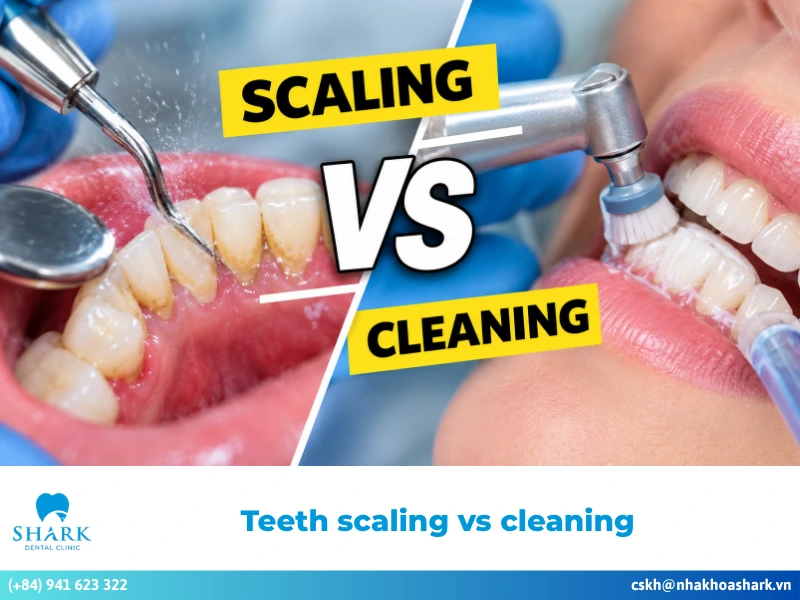
>>> See more: Teeth scaling vs cleaning